690: LOYAL WINGMAN CONCEPT: REDEFINING AIR COMBAT


My Article published in the IIRF Yearbook 2025.


The “Loyal Wingman” concept refers to an innovative approach in military aviation where autonomous or semi-autonomous drones or unmanned combat aerial vehicles (UCAVs) work with piloted aircraft to perform various support and combat missions. These drones act as “wingmen” to human pilots, providing increased situational awareness, expanding mission capabilities, and reducing the risk to human pilots by taking on more dangerous or complex tasks1.

Loyal Wingman: Roles, Tasks and Missions. Loyal wingmen can perform numerous roles, tasks and missions2.

    • Intelligence, Surveillance, and Reconnaissance. They can conduct ISR (Intelligence, Surveillance, and Reconnaissance) missions, gathering real-time data and feeding it to the manned aircraft and ground control. They can also scout ahead of the main force to identify threats or provide battlefield intelligence.
    • Electronic Warfare. They can carry out electronic jamming, disrupting enemy communications, radar, or defence systems, creating opportunities for manned aircraft to penetrate defended airspace. They can also protect manned aircraft by providing electronic countermeasures (ECM) to confuse or disable enemy sensors and weapons.
    • Combat Support and Strike. They can carry out precision strikes against enemy targets, such as radar stations, missile launchers, or vehicles, reducing risk to human pilots. They also support manned aircraft by attacking high-value targets while coordinating with the pilot.
    • Decoy Missions. They can act as decoys to draw enemy fire, helping protect manned aircraft. It can simulate a manned jet’s radar or thermal signature to confuse enemy targeting systems.
    • Defensive Operations. They can provide additional defensive cover to the human pilot, using on board sensors to detect incoming threats such as missiles or hostile aircraft. They can intercept or engage threats before they risk the manned aircraft.


Advantages Loyal Wing Man.

The Loyal Wingman concept offers numerous advantages across various aspects of military operations.3

Force Multiplication. Loyal wingmen enhance the operational reach of a single manned aircraft by acting as additional force elements. Multiple drones working in tandem with a manned platform allow one pilot to manage more assets, effectively increasing the overall combat power without needing additional manned aircraft.

Risk Reduction for Human Pilots. Loyal Wingman drones can be sent into dangerous or heavily contested airspace where human pilots would be at significant risk. These drones can engage enemy air defences, scout enemy positions, or launch strikes, minimising the exposure of manned aircraft to enemy fire. Many Loyal Wingman drones are designed to be attritable, meaning they are relatively low-cost and expendable. This allows commanders to act more aggressively without fear of losing expensive manned aircraft or risking human lives.

Enhanced Situational Awareness.  Loyal wingmen are often equipped with advanced sensors and communication systems, allowing them to gather and share real-time intelligence with the manned aircraft. This increases the pilot’s situational awareness by providing additional eyes on the battlefield, detecting threats, and providing early warning of incoming dangers. The drones can fly ahead or to the sides of the manned aircraft, extending the range of surveillance and reconnaissance.

Increased Mission Flexibility. Loyal Wingman drones can be equipped for various missions, including intelligence, surveillance, and reconnaissance (ISR), electronic warfare (EW), air-to-air and air-to-ground combat, and decoy operations. Their modular design allows for rapid reconfiguration based on mission requirements.

Cost-Effectiveness. Loyal Wingman drones are generally less expensive to produce and operate than manned aircraft. This cost-effectiveness enables air forces to build larger fleets of drones, enhancing force projection without the prohibitive costs associated with maintaining and deploying traditional fighter jets. Since Loyal Wingman drones are unmanned, there is no need for extensive pilot training, which is typically required for manned aircraft.

Decoy and Distraction Capabilities. Loyal Wingman drones can act as decoys, drawing enemy radar and missile fire away from more valuable manned aircraft. By saturating enemy defences with multiple targets, these drones can help overwhelm adversary systems, creating safer conditions for manned platforms.

Scalability and Swarm Tactics. Loyal Wingman systems can operate in swarms to overwhelm enemy defences. A swarm of drones can overload enemy radar, making it difficult for adversaries to focus on any single target. Commanders can scale the number of drones deployed based on mission needs.

Complementing Advanced Manned Platforms. Loyal wingmen are particularly valuable in complementing advanced, expensive platforms like the F-35 Lightning II, F-22 Raptor, or HAL Tejas. They can perform secondary tasks, allowing the manned aircraft to focus on strategic objectives such as air superiority or critical strikes.

Electronic Warfare and Cyber Operations. Loyal Wingman drones can use electronic warfare to jam enemy communications, radars, or missile guidance systems. This capability enables them to suppress enemy defences, creating opportunities for manned aircraft to operate more freely.

Autonomous Decision-Making Loyal wingman drones are equipped with AI to autonomously make real-time decisions, reducing the need for constant human oversight. This autonomy allows them to react quickly to changes in the battlefield, engaging threats or adjusting tactics as needed.


Loyal Wingman: Technology Enablers.

The Loyal Wingman concept relies on various advanced cutting-edge technologies to enable autonomous drones to work alongside manned aircraft in combat operations. These systems work together to ensure that unmanned platforms can operate effectively alongside manned aircraft in high-threat environments4.

Artificial Intelligence (AI) and Machine Learning. AI enables Loyal Wingman drones to operate independently or semi-autonomously, making real-time decisions without constant human input. These systems use AI algorithms to analyse sensor data, assess threats, and adjust tactics dynamically. AI also allows for coordination between multiple drones and manned aircraft.

Sensor and Surveillance Systems. Loyal Wingman drones have advanced sensors that gather data across multiple spectrums, such as infrared (IR), electro-optical (EO), and radar. These sensors provide drones with situational awareness, target detection, and tracking capabilities, which they can share with manned aircraft.

Data Links and Communication Systems. Loyal Wingman drones rely on secure, encrypted communication links to coordinate with manned aircraft. These systems ensure continuous data flow between the drone and the human pilot, allowing real-time updates on mission status, threats, and tactical changes.  Communication systems in Loyal Wingman drones are designed to minimise latency, ensuring that drones can react quickly to commands and adapt to dynamic changes in combat environments.

Autonomous Flight and Navigation Systems. Loyal Wingman drones have advanced navigation systems that allow them to operate in environments where GPS signals may be jammed or unavailable. In such scenarios, the drones rely on inertial navigation systems (INS), terrain mapping, and image-based navigation to maintain course and execute missions. Autonomous drones must be capable of avoiding obstacles and other aircraft in complex airspaces. Sense-and-avoid systems use a combination of sensors (radar, LIDAR, EO/IR) to detect nearby objects and adjust flight paths to prevent collisions, ensuring safe operation alongside manned aircraft. Drones flying in formation with manned aircraft or other drones must maintain precise spatial relationships, even during rapid manoeuvres. Autonomous flight control systems manage this formation flying, allowing drones to adjust their positions dynamically in response to changes in the environment or mission requirements.

Stealth and Survivability Technologies. Many Loyal Wingman drones are designed with low radar cross-sections (RCS), infrared suppression, and other stealth features to reduce their visibility to enemy radar and sensors. This allows them to operate in contested airspace with a reduced risk of detection and engagement. Loyal Wingman drones have electronic countermeasures to enhance survivability that can jam enemy radars, disrupt missile guidance systems, or confuse tracking systems. These ECM systems protect both the drone and the manned aircraft it supports.

Modular Payload Systems.  Loyal Wingman drones often feature modular payload bays, allowing them to be reconfigured for various roles, such as intelligence, surveillance, and reconnaissance (ISR), electronic warfare (EW), or strike missions. Payloads can include sensors, weapons, jammers, or decoys.

Swarming Technology. In some Loyal Wingman applications, multiple drones can operate as part of a swarm, coordinating their actions through AI algorithms. These swarming systems allow drones to autonomously divide tasks, share sensor data, and execute coordinated attacks on enemy defences or assets.

Human-Machine Interface (HMI). Developing an intuitive interface for pilots to manage Loyal Wingman drones is crucial for operational success. This includes voice commands, graphical interfaces, or augmented reality (AR) systems that allow pilots to monitor and control multiple drones without becoming overwhelmed by excessive data.

Collaborative Targeting and Data Fusion. Loyal Wingman drones often act as part of a network of platforms, sharing data with manned aircraft and other assets. Advanced data fusion systems combine sensor inputs from multiple platforms into a cohesive battlefield picture, allowing for more informed decision-making and quicker reactions to emerging threats.


Loyal Wingman Development Projects

Several nations and defence organisations worldwide are actively developing the Loyal Wingman concept.

Boeing Airpower Teaming System (ATS).5&6 The Boeing Airpower Teaming System (ATS) is a ground-breaking unmanned combat aircraft developed by Boeing in collaboration with the Royal Australian Air Force (RAAF). It is designed with advanced artificial intelligence (AI) and autonomy. This allows the ATS to coordinate with manned aircraft such as the F/A-18 Super Hornet, F-35 Lightning II, or other fighter jets. The ATS conducted its first successful flight in March 2021, marking a significant milestone in developing unmanned teaming technology.

Skyborg.7&8 Skyborg is an ambitious program developed by the United States Air Force (USAF) to create a family of autonomous, unmanned combat aerial vehicles (UCAVs) that can operate alongside manned aircraft, functioning as “loyal wingmen” and perform a wide range of missions. The Skyborg initiative is part of the broader USAF vision of developing low-cost, expendable unmanned systems to complement manned aircraft like the F-35 Lightning II, F-22 Raptor, and other next-generation platforms. The core of the Skyborg program is the development of a robust autonomy core system (ACS)—a sophisticated AI platform that allows UAVs to fly and fight with little to no human input. The AI system is designed to continuously learn and adapt based on real-time data from the environment, improving its performance with each mission. The Skyborg program involves partnerships with several aerospace and defence companies, including Boeing, Kratos Defense, General Atomics, and Northrop Grumman, developing different UAV platforms to test Skyborg’s AI capabilities. These companies provide the hardware and airframes, while the USAF focuses on integrating the AI systems. One of the most notable platforms associated with Skyborg is the Kratos XQ-58A Valkyrie, an unmanned aerial vehicle considered a key candidate for Skyborg operations. Other platforms, like the General Atomics MQ-20 Avenger and Boeing ATS (Airpower Teaming System), are also being tested for Skyborg’s AI-driven operations. The first successful flight of a Skyborg-equipped drone took place in April 2021, when the autonomy core system was tested on a Kratos Valkyrie UAV. This marked a significant milestone in demonstrating the AI’s ability to operate autonomously, navigate, and perform essential mission functions without human intervention.

Kratos XQ-58A Valkyrie.9&10 The Kratos XQ-58A Valkyrie is an experimental unmanned combat aerial vehicle (UCAV) developed by Kratos Defense & Security Solutions for the United States Air Force (USAF) as part of its Low-Cost Attritable Aircraft Technology (LCAAT) initiative. The XQ-58A is designed to function as a loyal wingman. It aims to offer a low-cost, expendable option for future combat scenarios. The XQ-58A Valkyrie is designed to operate in various roles alongside manned aircraft, such as the F-35 or F-22. It has been tested with weapon payloads, including the potential to carry small precision-guided munitions (such as JDAMs or SDBs). The XQ-58A is designed for long-range missions with significant endurance. It can travel over 3,200 km, which makes it ideal for deep penetration missions. The XQ-58A features a stealthy, low-observable design intended to reduce its radar cross-section, making it harder for adversaries to detect. While it doesn’t have the same stealth capabilities as fifth-generation fighter jets like the F-35, it still offers reduced visibility on enemy radar systems. The Valkyrie flew in March 2019 at Yuma Proving Ground in Arizona. Since then, it has undergone several test flights, demonstrating its ability to fly autonomously, deploy weapons, and work in tandem with manned aircraft. The ongoing development is focused on further integrating the aircraft into USAF operations and exploring its full range of mission capabilities. The project aligns with the Skyborg program.

Future Combat Air System (FCAS) Loyal Wing Man Project of Europe. 11&12 The Future Combat Air System (FCAS) is a major European defence initiative to develop a next-generation air combat capability. It involves several countries, primarily France, Germany, and Spain. It focuses on integrating advanced technologies into a new family of systems that will replace the ageing fleets of fighter aircraft, such as the Eurofighter Typhoon and Dassault Rafale. A vital aspect of the FCAS is the development of loyal wingman drones designed to work alongside manned fighter jets. The FCAS project was officially launched in 2017. It aims to create a comprehensive system that includes next-generation fighter aircraft, unmanned aerial vehicles (UAVs), and various supporting technologies. The program envisions a network of systems, often called the “system of systems,” that can communicate and operate together in a complex battlefield environment. The FCAS program is structured in phases. The goal is to have a prototype of the next-generation fighter by the mid-2030s. According to recent updates, the FCAS program continues to evolve, with ongoing discussions about integrating technologies and the roles of various nations in the project.

Loyal Wing Man Project Flygplan 2020 of Sweden. 13 The Loyal Wingman Project in Sweden, known as Flygplan 2020 (or Airplane 2020), is an initiative to develop an advanced unmanned aerial vehicle (UAV) that will operate alongside Sweden’s manned fighter jets, mainly the Saab JAS 39 Gripen. The Flygplan 2020 project is being developed with various partners, including defence industry stakeholders, research institutions, and the Swedish Armed Forces. Saab, a leading aerospace and defence company, plays a crucial role in the project, leveraging its aircraft design and development expertise. While specific timelines for the Flygplan 2020 project may vary, the development of loyal wingman capabilities is expected to progress in line with advancements in drone technology and changing defence needs.

Russia’s Loyal Wing Man. 14 Like other nations, Russia is also pursuing the development of the Loyal Wingman system. The Okhotnik-B is a stealthy unmanned combat aerial vehicle (UCAV) developed by Sukhoi. It is designed for various roles, including reconnaissance and precision strikes. The Okhotnik-B features a flying wing design for reduced radar signature and is intended to operate in conjunction with manned aircraft, such as the Su-57 fighter jet. The Orion drone is designed for reconnaissance and strike missions. While not a traditional Loyal Wingman platform, its capabilities align with the concept by enabling it to operate alongside manned fighters and support them in various roles.

China’s Loyal Wingman. 15 China has significantly advanced in developing its own Loyal Wingman systems. The CH-7 is an unmanned combat aerial vehicle (UCAV) developed by the Aviation Industry Corporation of China (AVIC). The CH-7 features stealthy design elements, advanced avionics, and a modular payload system, making it capable of operating alongside manned aircraft in combat scenarios. While primarily recognised as a reconnaissance and strike drone, the Wing Loong series (e.g., Wing Loong II) showcases capabilities that align with the Loyal Wingman concept. Another notable UCAV, the GJ-11, is designed with stealth features and advanced avionics. These drones are designed to coordinate with manned platforms. China is heavily investing in AI technologies to enhance the autonomy of its Loyal Wingman systems. China actively seeks to export its UAV technologies.


Indian HAL’s CATS.

HAL CATS (Combat Air Teaming System)16,17&18 is an advanced unmanned combat aerial vehicle (UCAV) program being developed by Hindustan Aeronautics Limited (HAL) in collaboration with other Indian defence agencies. The program is part of India’s effort to develop indigenous drone technologies capable of operating alongside manned aircraft. HAL CATS aligns with the growing global trend of integrating unmanned systems with traditional fighter jets through Manned-Unmanned Teaming (MUM-T). The CATS program includes multiple drone systems and components that work synergistically with manned aircraft, particularly with India’s HAL Tejas Light Combat Aircraft (LCA) and other future platforms. CATS’ key elements include the following:-

    • CATS Warrior. The CATS Warrior is a loyal wingman UAV designed to fly alongside manned fighter jets, like the HAL Tejas. It can operate autonomously or under the direction of the manned aircraft, performing tasks such as reconnaissance, surveillance, and strike missions. The CATS Warrior will be armed with precision-guided munitions and can take on enemy targets independently or in support of manned aircraft. Its design focuses on being stealthy, agile, and capable of engaging in high-risk environments where manned platforms might face significant threats.
    • CATS Hunter. CATS Hunter is a high-speed drone designed to act as a cruise missile capable of long-range precision strikes. It can be deployed from manned aircraft or larger UAVs and is intended for missions that require attacking heavily defended or high-value targets. It will carry advanced payloads such as precision-guided bombs and can strike enemy radar installations, command centers, and other critical infrastructure.
    • CATS Alpha. CATS Alpha is a smaller, swarming drone working in groups to overwhelm enemy defences. These drones can be deployed in large numbers from manned or unmanned platforms to perform a variety of missions, including reconnaissance, electronic warfare, and decoy operations. The idea is for CATS Alpha to create confusion and disrupt enemy systems, allowing manned and larger unmanned platforms to penetrate deeper into contested areas.
    • CATS Infinity. CATS Infinity is a long-range, high-altitude drone designed for intelligence, surveillance, and reconnaissance (ISR) missions. It will operate at high altitudes for extended periods, providing continuous data to ground commanders and manned aircraft. CATS Infinity will likely monitor large areas, gather intelligence on enemy movements, and support strike planning by providing real-time data.

The HAL CATS program represents a significant step for India in developing indigenous unmanned combat systems. With increasing threats from neighbouring adversaries and a push to modernise India’s air force, CATS is crucial in bolstering the country’s aerial defence and combat capabilities. As autonomous systems become more sophisticated, HAL CATS could form the backbone of India’s future air warfare strategy. Complementing manned platforms like the Tejas and future fighters would provide a flexible, powerful, and resilient air force capable of handling modern combat challenges.


Development Challenges.

 While the Loyal Wingman concept offers many advantages in modern military operations, several challenges and limitations must be addressed to reach its full potential. These technical, operational, and strategic challenges reflect the complexities of integrating autonomous drones with manned aircraft in combat scenarios. 19&20

Autonomy and AI Development. The autonomy of Loyal Wingman drones relies on advanced AI systems capable of making real-time decisions in complex and dynamic combat environments. A significant technical challenge is developing AI that correctly identifies targets, avoids friendly fire, and reacts to unforeseen threats without human intervention. Errors in decision-making could lead to mission failure or unintended consequences such as friendly fire incidents.

Secure and Reliable Communication. Loyal Wingman systems depend on constant communication with manned aircraft to coordinate actions, receive instructions, and share battlefield data. In contested environments, adversaries may use electronic warfare (EW) tactics to jam or disrupt these communication links, potentially causing drones to lose connection with the pilot or the control station. Communication systems must operate with minimal latency to ensure real-time coordination between manned and unmanned platforms. Any delays in data transmission could hinder the drones’ ability to execute missions efficiently or respond to dynamic threats. Ensuring secure, encrypted, and tamper-proof communication is critical to prevent cyber-attacks on these autonomous systems.

Interoperability and Integration. Seamless Integration with Manned Platforms: One of the core challenges of Loyal Wingman systems is their ability to operate seamlessly with manned aircraft, particularly across different platforms (e.g., fighter jets and bombers). Ensuring that drones can integrate with various aircraft models and follow a wide range of mission commands requires advanced software and hardware compatibility. Integrating drones with older aircraft and advanced fifth-generation fighters poses a challenge.

Technical Reliability and Safety. As with any complex system, technical failures can occur in Loyal Wingman drones. If a drone malfunctions or loses its connection to a manned aircraft, it may need to execute fail-safe manoeuvres to avoid collisions or causing damage. It is essential to ensure that drones can safely return to base or neutralise themselves in the event of failure. Avoiding mid-air collisions, especially during high-speed manoeuvres in combat, requires advanced sense-and-avoid technology. Failure in this aspect could endanger both drones and human pilots.

Adversarial Countermeasures. Adversaries will likely develop countermeasures to neutralise Loyal Wingman drones, including jamming their communication systems, hacking their control software, or disrupting their navigation through GPS spoofing. A significant challenge is ensuring that drones can operate effectively in environments where these countermeasures are in play. As Loyal Wingman drones become more integrated into combat operations, adversaries will likely invest in anti-drone systems such as directed energy weapons (DEWs), missile systems, and radar that can detect and neutralise drones before they complete their missions. Ensuring the survivability of drones against these countermeasures requires continuous advancements in stealth technology, speed, and electronic protection.

Cost and Resource Allocation. Although Loyal Wingman drones are often described as cost-effective compared to manned aircraft, the development of autonomous technologies, AI, and advanced communication systems is still costly. Nations may need help balancing investment in new drone systems with maintaining and upgrading existing fleets of manned aircraft.


Future Prospects.

 The future of the Loyal Wingman concept holds significant potential to revolutionise air combat by further advancing the integration of manned and unmanned systems. As technology evolves, Loyal Wingman drones will become more autonomous, intelligent, versatile, and capable of executing a wider range of missions alongside manned aircraft. 21&22

Increased Autonomy and AI Evolution. While current Loyal Wingman systems typically operate semi-autonomously, drones capable of completing missions without direct human oversight will likely be used. AI-driven swarms of Loyal Wingman drones will become more sophisticated, capable of self-organising, adapting to changes in the battlefield, and autonomously executing complex coordinated manoeuvres. Swarming drones may dynamically allocate roles—such as decoys, sensors, or attackers—based on real-time needs without direct human input. Future Loyal Wingman systems will feature more advanced AI that can interact intuitively with human pilots.

Integration of Multi-Domain Operations. In the future, Loyal Wingman drones will increasingly be integrated into multi-domain operations, coordinating with space, cyber, and maritime platforms. Future Loyal Wingman drones may possess enhanced cyber capabilities, allowing them to engage in cyber warfare by disrupting enemy networks, jamming communications, or even conducting offensive cyber operations against critical enemy infrastructure.

Enhanced Combat Roles and Mission Versatility. As technology advances, Loyal Wingman drones will become more versatile, taking on roles beyond traditional combat support. These may include electronic warfare (EW), suppression of enemy air defences (SEAD), psychological operations (PsyOps), and even humanitarian missions such as search and rescue or disaster relief. Future Loyal Wingman platforms will have modular, customisable payload bays that allow them to switch rapidly between roles.

Advanced Networking and Communication. Future Loyal Wingman systems will be connected through highly advanced, AI-driven battle networks that enable real-time data sharing across air, sea, and land assets. Quantum communication and encryption in the future will provide near-invulnerable communication links that are resistant to jamming or interception by adversaries.

Greater Survivability and Stealth. Future Loyal Wingman drones will likely feature cutting-edge stealth designs like next-generation low-observability materials, active camouflage systems, and heat suppression technologies. These advances will make it increasingly difficult for adversaries to detect, track, or engage Loyal Wingman platforms. Drones will also have advanced defensive systems that enable them to evade enemy missiles autonomously, counter radar lock-on, and jam incoming threats. These self-defence capabilities will make future Loyal Wingman systems more survivable in high-threat environments.

Interoperability with Next-Generation Aircraft. The next generation of manned fighter aircraft will be designed to operate with autonomous Loyal Wingman drones. These drones will enhance the capabilities of sixth-generation fighters and extend their range, sensor reach, and mission flexibility. Future manned-unmanned teaming (MUM-T) will become even more integrated.

Integration with Space-Based Assets. Future Loyal Wingman systems could coordinate with space-based assets, such as surveillance satellites and high-altitude unmanned aerial vehicles (UAVs), to provide a comprehensive battlefield view. This integration would enable real-time, global intelligence gathering and strike capabilities, extending the operational reach of both manned and unmanned systems. In the future, Loyal Wingman drones could also defend space-based assets or coordinate with space forces to counter threats in orbit. Integrating air and space combat capabilities will become critical as space becomes increasingly contested.


Conclusion

The Loyal Wingman concept represents a significant advancement in air combat but comes with various technical, operational, ethical, and legal challenges.  As militaries and defence industries continue to develop these autonomous systems, addressing these challenges will ensure the effective and responsible integration of Loyal Wingman drones into future combat scenarios. Advancements in AI, autonomy, multi-domain integration, communications, stealth, and human-machine teaming will shape the future of the Loyal Wingman concept. As these technologies evolve, Loyal Wingman drones will become more intelligent, versatile, and capable, playing a crucial role in next-generation air combat. Their ability to enhance manned platforms, operate in swarms, and execute autonomous missions will make them indispensable assets in future warfare, revolutionising how air forces approach combat operations.


Please Add Value to the write-up with your views on the subject.

1879
Default rating

Please give a thumbs up if you  like The Post?


For regular updates, please register your email here:-

Subscribe


References and credits

To all the online sites and channels.

Pics Courtesy: Internet

Disclaimer:

Information and data included in the blog are for educational & non-commercial purposes only and have been carefully adapted, excerpted, or edited from reliable and accurate sources. All copyrighted material belongs to respective owners and is provided only for wider dissemination.


References:-

  1. RAND Corporation, “The Future of Autonomous Air Combat: Manned-Unmanned Teaming and the Role of the Loyal Wingman”, RAND, 2021.
  1. Royal United Services Institute (RUSI). The Future of Air Combat: Manned-Unmanned Teaming (MUM-T), 2021. Focuses on the operational tasks and missions of loyal wingman systems.
  1. Hoyle, Craig. “Unmanned Systems in Combat: Enhancing Airpower Effectiveness.” Aerospace International, Vol. 22, No. 4, 2021. Details the operational advantages of loyal wingman systems.
  1. Wilson, Clay. Emerging Military Technologies. Covers various advanced military technologies, including AI and robotics. Highlights loyal wingman concepts as a disruptive force in modern air combat.
  1. Boeing Defense. “Boeing Airpower Teaming System: Redefining Airpower,” 2021. Technical whitepaper on the Boeing ATS loyal wingman platform.
  1. Defense News. “Boeing ATS: The First Flight of the Loyal Wingman.” March 2021. Covers milestones in the development of the Boeing ATS.
  1. Center for a New American Security (CNAS). Skyborg and Beyond: Unmanned Systems in the U.S. Air Force, 2020. Discusses the Skyborg program in detail, including its development challenges and strategic objectives.
  1. Popular Mechanics. “The Skyborg Program and the Future of Unmanned Combat Aircraft.” August 2022. Analyses the U.S. Air Force’s Skyborg program and its strategic significance.
  1. Kratos Defense. “Kratos XQ-58A Valkyrie: A Tactical UAS for MUM-T Applications.” AIAA SciTech Forum, 2020. Details the technical specifications and envisioned roles of the Valkyrie.
  1. Flight Global. “Kratos XQ-58A Valkyrie: A Game Changer for Manned-Unmanned Teaming.” June 2020. Highlights the operational role of the Valkyrie in MUM-T scenarios.
  1. European Defence Agency (EDA). Future Combat Air System (FCAS): Towards the Next Generation of Air Combat, 2021. Examines Europe’s FCAS program, highlighting the loyal wingman component.
  1. Jane’s Defence Weekly. “Future Combat Air System (FCAS): Europe’s Next-Gen Airpower.” October 2021. Covers the loyal wingman concept in the FCAS program.
  1. Swedish Defence Research Agency (FOI). Flygplan 2020: Sweden’s Loyal Wingman Initiative, 2021. Technical report on Sweden’s Flygplan 2020 project. Examines Sweden’s Flygplan 2020 program, focusing on autonomy, stealth, and collaboration with Gripen fighters.
  1. Russian Aviation Insider. “Russia’s Loyal Wingman: The Okhotnik UAV.” April 2022. Focuses on Russia’s Su-57 Okhotnik UAV as a loyal wingman prototype.
  1. The Drive – Warzone. “China’s Loyal Wingman: Insights into the GJ-11 and FH-97 Programs.” January 2023. Examines China’s loyal wingman platforms and their integration into the PLAAF.
  1. Hindustan Aeronautics Limited (HAL). “Combat Air Teaming System (CATS).” Insights into India’s indigenous loyal wingman program. Development Challenges and Future Prospects
  1. Indian Institute for Defence Studies and Analyses (IDSA). India’s UAV Ecosystem and HAL’s Combat Air Teaming System (CATS), 2022. Covers India’s HAL CATS program, focusing on its vision and development hurdles.
  1. Economic Times. “HAL’s CATS: India’s Leap into Manned-Unmanned Teaming.” July 2022. Explores HAL’s vision for its Combat Air Teaming System.
  1. Galliott, Jai. Military Robots: Mapping the Moral Landscape. Routledge, 2020. Explores ethical and operational challenges of deploying loyal wingman systems.
  1. Defence Advanced Research Projects Agency (DARPA). Challenges in Autonomous Air Combat Systems, 2021. Focuses on key technological hurdles in loyal wingman development.
  1. Laird, Robbin. “Future Prospects of Manned-Unmanned Teaming in Air Combat.” Discusses the strategic implications of loyal wingman systems for air force modernisation.
  1. SIPRI. The Role of AI in Future Air Combat: Risks and Opportunities, 2022. Explores AI’s role in enhancing loyal wingman capabilities while addressing challenges.

689: ADAPTING AIR POWER: LESSONS FROM ISRAEL


My Article was published in the Indus International Research Foundation Yearbook 2025


The Israeli Air Force (IAF) is one of the world’s most advanced and capable air forces. It is known for its high operational effectiveness, state-of-the-art technology, and strategic importance to Israel’s defence. The IAF is a crucial branch of the Israel Defence Forces (IDF) and is critical in maintaining Israel’s security and deterrence posture in a volatile region. It symbolises the country’s resolve to defend itself in an often hostile regional environment. The IAF has built a global reputation for excellence in air combat and defence through innovation, highly trained personnel, and cutting-edge technology.


Israeli Air Force1

Genesis. The IAF was officially established on May 28, 1948, shortly after the creation of the State of Israel. It initially consisted of a small fleet of mainly outdated World War II-era foreign aircraft. Over time, the IAF evolved into a sophisticated, modern air force focused on air superiority, precision strikes, intelligence gathering, and air defence.

Mission and Roles. The IAF is responsible for maintaining control of Israeli airspace and ensuring that no enemy aircraft can operate above Israeli territory. It conducts targeted airstrikes against enemy military installations, terrorist bases, and high-value targets that threaten Israel’s security. These operations are designed to neutralise threats quickly and with minimal collateral damage. It also conducts continuous surveillance using advanced unmanned aerial vehicles (UAVs) and reconnaissance aircraft to gather intelligence on hostile forces and threats. In its Air Defence role, it operates missile defence systems like the Iron Dome, David’s Sling, and Arrow to protect Israeli cities and strategic sites from rocket and missile attacks. The transport and helicopter fleet of the IAF provides airlift and logistical support to Israeli military operations and humanitarian missions, both domestically and abroad. It also conducts search and rescue missions.

Aircraft.  The IAF operates a wide range of cutting-edge aircraft, many of which are sourced from the United States, while others are modified with Israeli-made technology. The IAF’s backbone consists of fighter jets like the F-16 Fighting Falcon and the F-15 Eagle, with Israel being one of the largest aircraft operators outside the U.S. In recent years, the IAF has also acquired the F-35 Lightning II (Adir), a fifth-generation stealth fighter, enhancing its ability to strike undetected in hostile airspace. The IAF operates AH-64 Apache attack helicopters, providing air support for ground forces and precision strikes against armoured and terrorist targets. Israel is a world leader in drone development. The IAF operates a range of UAVs for intelligence gathering, surveillance, and reconnaissance (ISR) missions, including the Heron and Eitan drones. The IAF uses C-130 Hercules and C-130J Super Hercules for transport missions, along with Boeing 707 and KC-135 aircraft for aerial refuelling.

Technological Edge. The IAF is known for its ability to integrate cutting-edge technologies into its operations. Israel’s aerospace and defence industries, such as Israel Aerospace Industries (IAI) and Rafael Advanced Defence Systems, develop advanced avionics, electronic warfare systems, and weaponry that significantly enhance the IAF’s capabilities.

Missile Defence. The IAF also plays a significant role in missile defence. The Iron Dome system is a short-range missile defence system designed to intercept and destroy rockets and artillery shells fired at Israeli civilian areas. David’s Sling is designed to intercept medium-to-long-range missiles and rockets. The Arrow system is a long-range missile defence capable of intercepting ballistic missiles at high altitudes.

Pilot Training and Recruitment. IAF pilots undergo one of the world’s most rigorous and prestigious training programs, which only a small percentage of recruits complete. The training emphasises flying skills, leadership, teamwork, and operational flexibility. Israel also recruits highly skilled operators for its drone and intelligence units, who play a crucial role in modern warfare and intelligence-gathering operations.

Strategic Importance. The IAF is vital for Israel’s deterrence strategy in the Middle East, as it projects Israeli power and provides a rapid response to emerging threats. Its capabilities allow Israel to conduct long-range operations, often with minimal outside support, and provide a strong defence against regional adversaries like Iran, Hezbollah, and Hamas.


Notable Operations by Israeli Air Force.

The Israel Air Force has conducted numerous military operations since its establishment in 1948. Given Israel’s complex security environment, these operations combine defensive actions, counterterrorism efforts, and strategic pre-emptive strikes to maintain security. These operations are primarily driven by the need to protect Israel from external threats, insurgent groups, and regional conflicts.


Operation Focus2

Operation Focus (Hebrew: Mivtza Moked) was the opening airstrike of the Six-Day War between Israel and its neighbouring Arab states, including Egypt, Syria, and Jordan. The operation commenced on June 5, 1967, and is considered one of the most successful pre-emptive air strikes in military history. The operation aimed to neutralise the Arab air forces, especially Egypt’s, by destroying their air capabilities before they could be fully deployed against Israel. Israel believed that the Arab nations were preparing to invade, and striking first would give them a decisive advantage. Israel’s Air Force (IAF) launched the operation after meticulous planning.

The IAF sent almost all of its aircraft (around 200 planes) in waves, targeting air bases and runways in Egypt, followed by air forces in Jordan, Syria, and Iraq. Israel’s airstrikes were coordinated with exceptional precision, utilising tactics like low-altitude flying to avoid radar detection. The timing of the strike (early morning) and the decision to launch simultaneous attacks on multiple fronts were pivotal in overwhelming the enemy’s defences. The first wave destroyed around 204 Egyptian aircraft on the ground in the first few hours, essentially destroying Egypt’s air force. By the end of the day, the Israeli Air Force had destroyed about 450 aircraft from Egypt, Jordan, Syria, and Iraq, mainly while they were still on the ground. The mission also targeted runways to prevent planes from taking off again. Within the first few hours, Israel had established air superiority over the region, which allowed them to conduct successful ground operations with minimal resistance from the air. Operation Focus set the tone for the Six-Day War, giving Israel a significant early advantage and leading to their eventual victory.


Yom Kippur War (1973)3

The Yom Kippur War, also known as the October War or the 1973 Arab-Israeli War, was a conflict that took place from October 6 to October 25, 1973, primarily between Israel and a coalition of Arab states led by Egypt and Syria. The war was a direct result of longstanding tensions between Israel and its neighbouring Arab states following Israel’s victory in the Six-Day War of 1967, during which it captured significant territories, including the Sinai Peninsula from Egypt, the Golan Heights from Syria, and the West Bank and East Jerusalem from Jordan. The Arab states, particularly Egypt and Syria, sought to regain these lost territories and restore national pride. Egyptian President Anwar Sadat and Syrian President Hafez al-Assad coordinated a surprise attack on Israel to reclaim the Sinai Peninsula and Golan Heights, respectively. They aimed to catch Israel off guard, hoping to shift the political and military balance in the region.

On October 6, 1973, Egypt and Syria launched a coordinated surprise attack on Israeli positions in the Sinai Peninsula and the Golan Heights. Egyptian forces successfully crossed the Suez Canal and overwhelmed Israeli defences. Syrian forces launched an assault on the Golan Heights, initially pushing Israeli forces back. After the initial shock, Israel mobilised its reserves and launched a counteroffensive. The Israeli Defence Forces (IDF) managed to halt the Syrian advance in the north and eventually pushed Syrian forces back. In the Sinai, after initial Egyptian successes, the IDF counterattacked, crossing the Suez Canal and encircling the Egyptian Third Army. A ceasefire was agreed upon on October 22, 1973, following intense diplomatic efforts led by the United States.

Despite the initial setbacks, Israel emerged militarily stronger. It regained the Golan Heights and crossed the Suez Canal into Egypt. The war marked a shift in the Arab world’s approach to Israel, paving the way for future peace agreements. The Yom Kippur War was pivotal in Middle Eastern history, reshaping regional dynamics and global geopolitics.


Operation Entebbe4

Operation Entebbe, also known as Operation Thunderbolt (later renamed Operation Jonathan in honour of the raid’s fallen commander, Jonathan “Yoni” Netanyahu), was a daring hostage rescue mission carried out by Israeli commandos on July 4, 1976. The operation took place at Entebbe Airport in Uganda, where Palestinian and German terrorists, supported by the Ugandan government, had hijacked an Air France flight. Operation Entebbe remains one of the most audacious and successful hostage rescue missions in modern history. It significantly boosted Israeli morale and demonstrated the strength of the country’s military forces on the world stage.

On June 27, 1976, Air France Flight 139, an Airbus A300 travelling from Tel Aviv to Paris, was hijacked by two members of the Popular Front for the Liberation of Palestine – External Operations (PFLP-EO) and two members of the Revolutionary Cells, a German militant group. The flight had stopped in Athens, Greece, to pick up additional passengers, and it was there that the hijackers boarded the plane. The plane, with 248 passengers and crew members, was diverted to Benghazi, Libya, and then flown to Entebbe Airport in Uganda, where the passengers were held hostage in an airport terminal. The hijackers demanded the release of 40 Palestinians imprisoned in Israel and 13 other prisoners held in Kenya, France, Switzerland, and Germany. They threatened to kill the hostages if their demands were not met. Upon arrival in Entebbe, the terrorists received the support of Uganda’s dictator, Idi Amin, who provided them with protection and allowed them to use the airport as their base. Over the next few days, the hostages were separated. Non-Israeli hostages were released, while 94 passengers, primarily Israeli citizens or Jews, along with the 12-member French crew, were held at the airport under heavy guard by Ugandan soldiers.

In Israel, the government, led by Prime Minister Yitzhak Rabin, and the Israeli Defence Forces (IDF) began planning a rescue mission after negotiations seemed to stall. Intelligence was gathered from various sources, including satellite images, accounts from released hostages, and Israeli nationals with prior knowledge of Entebbe Airport. Essential intelligence came from Mossad, Israel’s intelligence agency, which built a replica of the terminal using information from builders involved in its construction.

The rescue force, led by Lieutenant Colonel Jonathan Netanyahu, consisted of around 100 elite commandos from the Israeli Sayeret Matkal (General Staff Reconnaissance Unit). The Israeli commandos flew to Entebbe in four Hercules C-130 transport planes, refuelling along the way. They used the element of surprise, landing at night and rapidly deploying forces to the terminal where the hostages were being held. The commandos approached the terminal in black Mercedes and Land Rovers, similar to those Idi Amin’s entourage used. They initially deceived the Ugandan soldiers. In a 90-minute raid, Israeli forces stormed the terminal, killed all the hijackers, and neutralised the Ugandan soldiers who were assisting them. 102 hostages were rescued and flown back to Israel. Jonathan Netanyahu, the raid’s commander and brother of future Israeli Prime Minister Benjamin Netanyahu, was the only Israeli commando killed during the raid. Approximately 45 Ugandan soldiers were killed, and 11 MiG-17 fighter jets (part of Uganda’s air force) were destroyed to prevent them from pursuing the Israeli planes.

Operation Entebbe’s success was seen as a stunning military and intelligence victory for Israel, which demonstrated its willingness and capability to protect its citizens from terrorism anywhere in the world. It became an iconic rescue mission and is widely studied as an example of successful military planning and execution, using speed, precision, and surprise to achieve an overwhelming victory.


Operation Opera5

Operation Opera (also known as Operation Babylon) was an Israeli airstrike carried out on June 7, 1981, which targeted and destroyed an Iraqi nuclear reactor located at Osirak, about 17 kilometers southeast of Baghdad. The operation was designed to prevent Iraq from acquiring nuclear weapons capability. The reactor, known as Osirak, was a French-built nuclear reactor in Iraq. The Israeli government believed that Saddam Hussein’s regime intended to use the reactor to develop nuclear weapons, posing a significant threat to Israel. Iraq had repeatedly claimed that the reactor was meant for peaceful purposes, but Israel’s intelligence services, as well as international suspicions, pointed to the possibility of nuclear weapons development. Israeli officials feared that if Iraq completed the reactor, they would develop nuclear weapons that could be used against Israel. They also believed that once the reactor went operational, any attack could cause widespread radioactive fallout, so time was of the essence.

Operation Opera was meticulously planned by the Israeli Air Force (IAF) under the orders of then-Prime Minister Menachem Begin. Israeli intelligence had been monitoring the progress of the Iraqi nuclear program for years. The operation was given a green light when Israel learned that the reactor would soon be loaded with nuclear fuel. On June 7, 1981, eight F-16 fighter jets and six F-15 fighter jets were used in the raid. The Israeli jets flew a 1,600-kilometer (1,000-mile) round trip from Israel to Iraq, evading detection by flying at very low altitudes over Jordanian and Saudi Arabian airspace. The aircraft arrived over the reactor and delivered precision strikes that destroyed the Osirak reactor with a direct hit. The bombing raid lasted approximately 90 seconds, and the reactor was destroyed before it could go operational. The operation was considered a resounding success, with all Israeli aircraft returning safely.

Operation Opera has since become a significant case study in pre-emptive military action and the “Begin Doctrine,” which asserted that Israel would not allow hostile neighbours to develop weapons of mass destruction that could threaten its existence. The raid is often cited as an example of successful counter-proliferation efforts, although its legality under international law remains debated. The operation also influenced later international discussions on nuclear proliferation, and some view it as a precursor to future debates on preventing nuclear capabilities in other countries, such as Iran. It remains one of the most famous pre-emptive airstrikes in modern history.


Operation Mole Cricket 19 (1982) during the Lebanon War 6

Operation Mole Cricket 19 was a significant Israeli air operation that took place during the 1982 Lebanon War, specifically on June 9, 1982. It marked a turning point in modern air warfare due to the effective use of electronic warfare, air superiority, and precision strikes. Israel initiated the 1982 Lebanon War primarily to eliminate the threat posed by the Palestine Liberation Organization (PLO), which had been launching attacks from southern Lebanon. The PLO had established strongholds in Lebanon, and Israel saw an opportunity to neutralise the threat. However, Syrian forces were also involved in Lebanon, maintaining a solid presence in the Bekaa Valley.  Operation Mole Cricket 19’s main goal was to destroy Syrian surface-to-air missile (SAM) batteries stationed in the Bekaa Valley. Syria had deployed a dense network of Soviet-supplied SAMs (including SA-6, SA-2, and SA-3 systems), which posed a significant threat to Israeli Air Force (IAF) operations. Israel sought to establish air superiority by neutralising these SAM sites.

The Israeli Air Force planned and executed a complex and highly coordinated attack involving several vital elements. The IAF used advanced electronic warfare measures to jam Syrian radar and communication systems. This included the deployment of drones to simulate aircraft and trick Syrian radars into locking onto them, exposing the locations of the SAM batteries. Air Superiority Fighters: F-15 and F-16 fighter jets were deployed to engage Syrian MiGs, providing air cover for the strike packages and ensuring Israeli dominance in the air. They were using a combination of precision-guided munitions and traditional bombs, and Israeli aircraft targeted and destroyed the Syrian SAM sites. The operation involved a combination of aircraft types, including F-4 Phantoms, A-4 Skyhawks, and F-16s, all coordinating their strikes.

Operation Mole Cricket 19 was a resounding success for Israel. In just a few hours, the Israeli Air Force destroyed 19 of the 30 Syrian SAM batteries stationed in the Bekaa Valley without losing a single aircraft. Additionally, the operation resulted in the downing of 29 Syrian MiGs, with no Israeli aircraft losses. The success of this operation effectively neutralised the Syrian air defence system in the region and gave Israel uncontested air superiority over Lebanon for the rest of the war.

Operation Mole Cricket 19 is regarded as one of the most successful air operations in modern military history. It demonstrated the effectiveness of electronic warfare, drone technology, and precision-guided munitions in neutralising sophisticated air defence systems. The lessons from this operation influenced air combat tactics and military doctrines worldwide, particularly regarding electronic warfare and the integration of air and ground operations.

Operation Mole Cricket 19 is often cited as a precursor to later air campaigns, such as the 1991 Gulf War, where coalition forces used similar tactics to neutralise Iraqi air defences during Operation Desert Storm. The operation underscored the importance of maintaining a technological edge in air warfare and the value of integrating various elements of modern warfare, such as electronic jamming, drones, and precision-guided munitions.


Operation Orchard7

Operation Orchard was a covert Israeli airstrike that took place on September 6, 2007, targeting a secret nuclear reactor in the Deir ez-Zor region of north-eastern Syria. The operation was aimed at preventing the Syrian regime from developing nuclear weapons. The reactor, known as Al-Kibar, was being constructed with North Korean assistance and was believed to be capable of producing plutonium for nuclear weapons. Israeli intelligence, with the help of Mossad, gathered information about the reactor’s existence and its potential threat to Israel. Intelligence indicated that Syria, under President Bashar al-Assad, was developing nuclear capabilities in secret, in violation of international norms. The Israeli government, led by Prime Minister Ehud Olmert, believed that a nuclear-armed Syria would pose an existential threat to Israel and decided that military action was necessary to eliminate the threat before the reactor became operational.

The operation was carefully planned and conducted by the Israeli Air Force (IAF), which had a history of successful pre-emptive strikes, most notably Operation Opera (1981), when Israel destroyed Iraq’s Osirak nuclear reactor. The IAF identified the precise location of the Al-Kibar reactor and developed a strategy to destroy it with minimal diplomatic fallout and civilian casualties. On the night of September 6, 2007, the IAF launched a covert airstrike. A squadron of F-15I Ra’am and F-16I Sufa fighter jets, accompanied by electronic warfare aircraft, flew a low-altitude route to avoid Syrian radar detection. The Israeli jets crossed into Syrian airspace without being detected, as Israeli electronic warfare units jammed Syrian radar systems. Once they reached the target, the IAF pilots released precision-guided bombs that destroyed the reactor in a matter of minutes. The attack was swift, and the facility was utterly obliterated before being activated.

Operation Orchard was seen as a major intelligence and military success for Israel, reinforcing the country’s deterrence posture in the Middle East. By destroying the reactor, Israel eliminated the immediate nuclear threat posed by Syria, which was later engulfed in a civil war starting in 2011. Had the reactor survived and gone online, it might have added a dangerous dimension to the conflict. The operation also highlighted Israel’s capabilities in long-range strikes and electronic warfare, as the Israeli jets successfully infiltrated Syrian airspace undetected. Operation Orchard remains one of the most significant preemptive strikes in modern military history, demonstrating Israel’s resolve and capability to confront nuclear threats.


Joint Operations against Hamas in Gaza.

Operation Cast Lead8. Operation Cast Lead was a military operation launched by the Israel Defense Forces (IDF) in the Gaza Strip from December 27, 2008, to January 18, 2009. The primary objectives of Operation Cast Lead were to deter Hamas from firing rockets into Israel, destroy Hamas’ military capabilities (including weapons stockpiles, launch sites, and command and control infrastructure) and target tunnels used for smuggling weapons from Egypt to Gaza. The operation began with a massive aerial bombardment on December 27, 2008, which included hundreds of airstrikes aimed at Hamas’ military infrastructure. The operation lasted for 22 days and ended on January 18, 2009. Operation Cast Lead showcased Israel’s military capabilities and its willingness to conduct extensive military operations to secure its borders and deter attacks.

Operation Protective Edge9. Operation Protective Edge was a military operation launched by the Israel Defence Forces (IDF) in the Gaza Strip from July 8 to August 26, 2014. The operation aimed to stop rocket fire from Gaza into Israel and to target Hamas and other militant groups’ infrastructure. The operation began with a series of airstrikes on July 8, 2014, targeting rocket launchers, command centers, and other Hamas military infrastructure. The operation lasted 50 days. Operation Protective Edge highlighted the complexity of urban warfare, as the IDF faced challenges in minimising civilian casualties while targeting a well-entrenched enemy in a densely populated area.

Operation Guardian of the Walls10. Operation Guardian of the Walls (Hebrew: Mivtza Shomer HaChomot) was a military operation conducted by the Israel Defence Forces (IDF) from May 10 to May 21, 2021. The main objectives of Operation Guardian of the Walls were to stop the rocket fire from Gaza into Israeli territory, to target Hamas military infrastructure (including rocket launch sites, command centres, and tunnel networks) and to restore security and deter further aggression from Hamas and other militant groups in Gaza. The operation began with a significant air campaign involving hundreds of airstrikes targeting Hamas’ military capabilities, including rocket launchers and command centers. The IDF utilised advanced technology, including precision-guided munitions, and focused on minimising civilian casualties despite the challenges of operating in a densely populated area like Gaza. Operation Guardian of the Walls lasted 11 days. Initial airstrikes aimed at degrading Hamas’ rocket capabilities and command structures were followed by continued bombardment and targeted operations against high-value Hamas leaders and military assets. Operation Guardian of the Walls demonstrated the IDF’s capabilities and the effectiveness of Israel’s Iron Dome missile defence system, which intercepted a significant percentage of rockets fired from Gaza. Operation Guardian of the Walls was a substantial chapter in the ongoing Israeli-Palestinian conflict, reflecting the complexities and challenges of achieving lasting peace in a region marked by deep-seated grievances and tensions.

Ongoing Operations11. The IDF is involved in ongoing security operations, particularly in Gaza, West Bank, Lebanon and Iran. These include counterterrorism missions, targeted airstrikes, and border defence. The Iron Dome missile defence system plays a crucial role in intercepting rockets fired from Gaza and other hostile entities.


Lessons Learnt From Air Operations Undertaken by Israel’s Air Force.

The Israeli Air Force (IAF) has been involved in various air operations, from conventional wars to counterinsurgency operations and precision strikes12. Over the decades, the operations conducted by the IAF have provided crucial lessons for Israel and militaries worldwide. These lessons span strategic, tactical, and operational insights (13-17).

Importance of Air Superiority. Gaining air superiority early is critical in modern warfare to provide freedom of movement for ground forces and deny the enemy similar capabilities. In the 1967 Six-Day War, the IAF achieved air superiority within hours by launching pre-emptive strikes on Arab air forces, particularly targeting Egyptian runways and aircraft. This set the stage for Israel’s overwhelming ground victories.

Pre-emptive and Preventive Strikes. Air power can neutralise threats before they materialise, particularly in asymmetrical conflicts where non-state actors or hostile states might acquire dangerous capabilities. The Osirak Raid (Operation Opera, 1981), where Israeli jets destroyed an Iraqi nuclear reactor, demonstrated the value of pre-emptive strikes to prevent potential existential threats.

Precision and Intelligence Integration. Integrating real-time intelligence, surveillance, and reconnaissance (ISR) with air operations is essential for precision strikes and minimising collateral damage. In operations such as Operation Entebbe (1976) and Operation Orchard (2007), intelligence gathering played a crucial role in determining the exact locations of enemy assets, leading to highly successful strikes.

Technological Innovation and Adaptation. Investing in and rapidly adopting cutting-edge technology, such as drones and electronic warfare systems, can give a significant edge in air operations. The IAF has pioneered the use of drones and UAVs (unmanned aerial vehicles), such as in Operation Mole Cricket 19 (1982) during the Lebanon War, where UAVs were used to identify Syrian SAM (surface-to-air missile) systems, allowing Israeli jets to take them out.

Flexibility and Multi-Role Capabilities. Developing aircraft with multi-role capabilities enables greater flexibility, allowing air forces to quickly adapt to changing battlefield conditions. The IAF’s use of multi-role fighter jets, such as the F-15 and F-16, which can perform air-to-air combat, ground attack, and reconnaissance missions, allows for greater operational flexibility.

Dealing with Asymmetrical Threats. Air operations against non-state actors and in urban warfare require precision-guided munitions, superior ISR, and the development of doctrines that minimise civilian casualties while maintaining military effectiveness. During conflicts with Hezbollah in Lebanon and Hamas in Gaza, the IAF has to deal with asymmetrical threats such as rockets fired from densely populated areas.

Operational Preparedness and Rapid Deployment. Preparedness and rapid response capabilities are critical for sudden escalations, particularly in a volatile regional environment. Israel’s air force is designed to be highly responsive, with pilots on constant standby and highly trained for rapid deployment.

Minimising Collateral Damage. Modern air forces must balance military objectives with the necessity of minimising civilian casualties, especially when operating in densely populated areas, for ethical reasons and to maintain international support. In recent operations, the IAF has faced significant international scrutiny for civilian casualties. In response, they have developed and use more precise weapons and warning systems (e.g., “roof-knocking”) to alert civilians before strikes.

Electronic Warfare and Cyber Capabilities. Integrating electronic warfare and cyber capabilities into air operations is crucial for neutralising enemy defences and gaining an operational advantage. During Operation Orchard (2007), when Israel destroyed a Syrian nuclear reactor, electronic warfare systems disabled Syria’s radar systems, effectively “blinding” them during the raid.

Psychological and Deterrence Impact. Air operations can have a significant psychological and strategic deterrence effect, signalling to adversaries that specific actions will lead to swift and devastating consequences. The IAF has often been used as a tool for strategic deterrence, demonstrating Israel’s ability to strike distant and high-value targets (e.g., the strikes on Iraq and Syria’s nuclear facilities).

Coordination with Other Forces. Close coordination and communication between air and surface forces are essential for effective combined arms operations, particularly in defensive and counteroffensive actions. During the Yom Kippur War (1973), initial Israeli air operations faced setbacks due to poorly coordinated attacks with ground forces. However, later improvements in coordination significantly boosted the effectiveness of close air support.

Adaptability in a Changing Battlefield.  A key lesson is the ability to adjust tactics in response to unconventional warfare, where the enemy uses non-traditional strategies to counteract conventional air superiority. The Lebanon War of 2006 highlighted the need for the IAF to adapt its tactics when fighting against an enemy using guerrilla tactics and mobile rocket launchers.


 Israel’s air force has learned to excel through pre-emptive action, technological superiority, intelligence integration, and a strong focus on operational preparedness. These lessons continue to shape not only Israel’s approach to air warfare but also influence air power doctrines globally. The IAF’s experiences have influenced modern military strategies worldwide, especially in counterterrorism, urban combat, and technological warfare.


Your valuable comments are most welcome.


1879
Default rating

Please give a thumbs up if you  like The Post?


For regular updates, please register your email here:-

Subscribe


References and credits

To all the online sites and channels.


Disclaimer:

Information and data included in the blog are for educational & non-commercial purposes only and have been carefully adapted, excerpted, or edited from reliable and accurate sources. All copyrighted material belongs to respective owners and is provided only for wider dissemination.

References:-

  1. Israeli Air Force website, https://www.idf.il/en/mini-sites/israeli-air-force/
  1. Eric Hammel, “The Sinai Air Strike: June 5, 1967”, Warfare history network website, October 2002
  1. Nicole Hassenstab, “ 50 Years On Explaining the Yom Kippur War”, American University Washington DC website, October 6, 2023
  1. Business Standard Web Team, “All you need to know about famous hostage rescue mission Operation Entebbe”, Business Standard, Jul 04 2023.
  1. Debanish Achom, “Operation Opera: Israel Bombed Nuclear Reactor In Iraq”, World news, NDTV World, 11 Oct 23.
  1. Constantine Atlamazoglou, “How the Israeli Air Force once destroyed over 60 enemy jets and dozens of Soviet missile systems in battle without losing a single fighter”, Business Insider India, 11 May 2024.
  1. Andrew Garwood-Gowers, “Israel’s Airstrike on Syria’s Al-Kibar Facility: A Test Case for the Doctrine of Pre-emptive Self-Defence?”, Journal of Conflict & Security Law, Vol. 16, No. 2 (Summer 2011).
  1. Jeffrey White, “Operation Cast Lead: Israel’s Assault on Hamas”, The Washington Institute, Policy Analysis 29 Dec 2008.
  2. Eitan Shamir, “Rethinking Operation Protective Edge”, Middle East Forum, Middle East Quarterly, Spring 2015.
  1. Anna Ahronheim, “Operation Guardian of the Walls: Targeting Hamas terror, behind the scenes”, The Jerusalem Post, 03 Jun 2021.
  1. By the Center for Preventive Action, “Israeli-Palestinian Conflict”, Global Conflict Tracker, 06 Oct 2024.
  1. Editors of Encyclopedia Britannica, “Arab-Israeli wars”, Britannica, 09 Sep 2024.
  1. Dr Jack Watling and Nick Reynolds, “Occasional Papers – Tactical Lessons from Israel Defense Forces Operations in Gaza”, RUSI, 11 Jul 2024.
  1. Brief, “Lessons from Israel’s war in Gaza”, Rand Corporation.
  1. Daniel Byman, “Lessons from Israel’s Last War in Lebanon”, CSIS Brief, Center for Strategic and International Studies, 02 Oct 2024.
  1. Report, “Lessons from Israel’s Forever Wars”, Reports and Papers Belfer Center for Science and International Affairs, Harvard Kennedy School.
  1. Raphael S. Cohen, David E. Johnson, David E. Thaler, Brenna Allen, Elizabeth M. Bartels, James Cahill, Shira Efron, “Lessons from Israel’s Wars in Gaza”, RAND Research Summary, 18 Oct 2017.

688: INNOVATION: THE NEW AGE WEAPON IN MODERN WARS


My Article was published on “The Eurasian Times” website on 22 Jun 25.


In the rapidly evolving landscape of 21st-century conflict, innovation has emerged as the cornerstone of modern warfare. Nations and non-state actors leverage cutting-edge technology and unconventional tactics to achieve strategic objectives with unprecedented precision, stealth, and impact. Three recent examples, Israel’s drone attack in Iran, Ukraine’s drone assault on Russian military targets, and Israel’s explosive pager attack on Hezbollah, illustrate how innovation is reshaping the battlefield. Executed with remarkable ingenuity, these operations highlight the shift toward asymmetric, hybrid warfare that combines advanced technology, covert intelligence, and psychological operations. The innovative aspects of these cases must be explored to understand their strategic implications and the broader challenges they present for global security.


Israel’s Drone Attack in Iran: A Master Class in Covert Precision

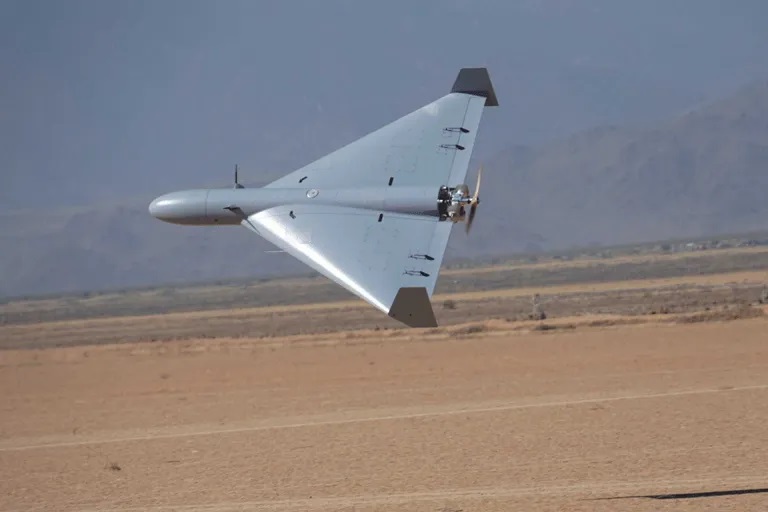
In June 2025, Israel executed a series of drone strikes targeting Iran’s nuclear facilities, missile launchers, and military infrastructure, showcasing a new paradigm in covert warfare. Unlike traditional airstrikes, Israel reportedly activated a network of “kamikaze” drones pre-positioned inside Iran, bypassing the country’s sophisticated air defence systems. This operation, attributed to the Mossad and Israeli Air Force, underscores several innovative aspects of modern warfare.

Strategic Innovation. The attack’s success hinged on long-term infiltration. Over the years, Israel allegedly smuggled drone components into Iran, assembling a clandestine arsenal that could be remotely activated. This approach required meticulous planning, blending human intelligence with technological expertise. By launching drones from within Iran, Israel avoided detection by radar systems designed to counter external threats, such as ballistic missiles or fighter jets. The strikes targeted high-value sites, including the Natanz nuclear enrichment facility and mobile missile launchers, disrupting Iran’s nuclear ambitions and retaliatory capabilities with surgical precision.

Technological Edge. The drones were compact, stealthy, and equipped with advanced navigation systems, enabling them to evade Iran’s multi-layered defences. Reports suggest that using AI-guided drones capable of autonomous target selection represents a leap forward in unmanned warfare. This technology allowed Israel to strike multiple targets simultaneously, maximising impact while minimising exposure.

Implications and Risks. While innovative, the operation carried significant risks. Iran retaliated with missile barrages, escalating tensions and raising fears of a broader regional conflict. The covert nature of the attack also sets a precedent for deniable operations, complicating attribution and accountability.


Ukraine’s Drone Attack in Russia: Asymmetric Warfare Redefined

Ukraine’s June 2025 drone attack on Russian military bases, dubbed “Operation Spiderweb,” destroyed over 40 warplanes, demonstrating how resource-constrained nations can challenge superpowers through innovation. By smuggling 117 drones near Russian targets and launching them from within enemy territory, Ukraine showcased the power of asymmetric warfare.

Logistical Creativity. The operation’s success relied on covert logistics. Ukraine transported disassembled drones thousands of miles into Russia, likely using local networks or operatives to assemble and deploy them. This approach bypassed Russia’s border defences and air surveillance, catching military commanders off guard. The drones, described as low-cost and modular, were designed for scalability, allowing Ukraine to mount a large-scale attack with limited resources.

Tactical Impact. The drones targeted airbases, fuel depots, and ammunition stores, inflicting significant damage. By striking deep inside Russia, Ukraine forced Moscow to divert resources to internal defence, creating a new front in the ongoing war. The psychological impact was equally profound, as Russian citizens grappled with the vulnerability of their homeland. This operation highlighted drones as a cost-effective alternative to traditional air forces, levelling the playing field for smaller nations. While a tactical triumph, Ukraine’s strategy risks escalation. Russia may intensify its punitive strikes, targeting Ukrainian cities or infrastructure.


Israel’s Pager Attack on Hezbollah: Cyber-Physical Warfare

In September 2024, Israel executed an unprecedented attack on Hezbollah, using explosive-laden pagers and walkie-talkies to target operatives across Lebanon. This operation crippled Hezbollah’s command structure and marked a new frontier in cyber-physical warfare.

Supply Chain Infiltration. The attack’s brilliance lay in its exploitation of the supply chain. Israel reportedly compromised the manufacturing and distribution of communication devices, embedding micro-explosives in pagers and radios used by Hezbollah. This required years of planning, from infiltrating tech companies to ensuring the devices reached their targets. The operation’s complexity underscores the fusion of intelligence, engineering, and deception in modern warfare.

Precision and Psychological Impact. By detonating thousands of devices simultaneously, Israel disrupted Hezbollah’s operational cohesion with minimal collateral damage compared to airstrikes. The attack killed or injured key commanders, weakening Iran’s proxy network. Beyond physical damage, it sowed distrust among Hezbollah operatives, as everyday devices became potential threats. Retired Mossad agents hailed the operation as a turning point, demonstrating how consumer technology can be weaponised with devastating effect.


The Broader Trend: “Amazon Prime Warfare”

These cases reflect a broader trend toward what can be called “Amazon Prime Warfare,” where small, modular components are delivered covertly, assembled on-site, and used for high-impact strikes. This paradigm shift is driven by AI, robotics, and supply chain manipulation advancements, enabling actors to achieve strategic goals with minimal conventional engagement. However, it also democratises warfare, allowing non-state actors and rogue regimes to adopt similar tactics.

Innovative Elements. This approach combines several innovative elements:-

  • Cost-Effectiveness. Drones and modified consumer devices are far cheaper than traditional weapons, enabling smaller actors like Ukraine to compete with larger powers.
  • Deniability and Stealth. Covert operations, like Israel’s drone and pager attacks, allow states to strike without immediate attribution, delaying retaliation and complicating diplomacy.
  • Hybrid Tactics. Integrating cyber, physical, and intelligence operations creates unpredictable threats, forcing adversaries to rethink defence strategies.

Risks and Challenges. The rise of innovative warfare poses significant challenges for global security. Each attack prompts retaliation, as seen in Iran’s missile strikes following Israel’s drone operation. This tit-for-tat dynamic risks spiralling into broader conflicts. Traditional defence systems, designed for missiles and jets, are ill-equipped to counter combined drone-supply chain attacks. To keep pace, nations must invest in new technologies, such as anti-drone systems and supply chain auditing.


Conclusion

Innovation is undeniably the key to modern warfare, as demonstrated by Israel’s and Ukraine’s ground-breaking operations. Drones, compromised devices, and covert logistics enable precision, stealth, and impact, redefining how conflicts are fought. These tactics empower smaller actors to challenge superpowers, disrupt adversaries, and achieve strategic goals with minimal resources. However, they also destabilise traditional deterrence models, inviting retaliation, proliferation, and ethical controversies.

As warfare evolves, the challenge lies in balancing innovation with restraint. Nations must develop explicit norms for emerging technologies, such as drones and cyber-physical weapons, to prevent escalation and protect civilians. International cooperation is essential to curb proliferation and ensure accountability, particularly when private companies are involved. While innovation drives progress on the battlefield, its unchecked spread risks a future where conflict is ubiquitous, unpredictable, and uncontainable. The lesson is clear for policymakers, military strategists, and global citizens: innovation in warfare is a double-edged sword.


Please Add Value to the write-up with your views on the subject.


Link to the article on the website:-

Stunning Innovative Attacks! Everything & Anything Could Be A Weapon Now; Israel & Ukraine Show The Way

1879
Default rating

Please give a thumbs up if you  like The Post?


For regular updates, please register your email here:-

Subscribe


References and credits

To all the online sites and channels.

Pics Courtesy: Internet

Disclaimer:

Information and data included in the blog are for educational & non-commercial purposes only and have been carefully adapted, excerpted, or edited from reliable and accurate sources. All copyrighted material belongs to respective owners and is provided only for wider dissemination.


References:-

  1. Bergen, Peter, and Alyssa Sims. “How Drones Are Changing Warfare.” Council on Foreign Relations, 29 September 2023.
  1. Binnie, Jeremy. “Israel’s Covert Drone Operations in Iran: A New Era of Warfare.” Jane’s Intelligence Review, 15 June 2025.
  1. Borger, Julian. “Israel’s Pager Attack on Hezbollah: A Cyber-Physical Triumph.” The Guardian, 18 September 2024.
  1. Defence News, “Ukraine’s ‘Operation Spiderweb’ destroys 40+ Russian warplanes using smuggled drones. A game-changer for asymmetric warfare”, 10 June 2025.
  1. Hambling, David. “The Rise of ‘Amazon Prime Warfare’: How Drones and Supply Chains Are Reshaping Conflict.” Forbes, 5 October 2024,
  1. Human Rights Watch. “Civilian Casualties in Israel-Iran Drone Strikes: Legal and Ethical Concerns.” HRW Reports, 20 June 2025,
  1. International Institute for Strategic Studies (IISS). “The Proliferation of Drone Warfare: Implications for Global Security.” IISS Strategic Comments, Vol. 31, No. 4, April 2025.
  1. Sanger, David E., and Ronen Bergman. “How Israel Weaponised Consumer Electronics Against Hezbollah.” The New York Times, 20 September 2024.
  1. Stratcom Analyst. “Iran’s missile retaliation after Israel’s drone strikes shows the escalation risks of covert ops”, 16 June 2025.
  1. United Nations Office for Disarmament Affairs (UNODA). “Emerging Technologies in Warfare: Drones and Cyber-Physical Weapons.” UNODA Occasional Papers, No. 42, March 2025,

English हिंदी