
795: SPECTRA: THE INVISIBLE SHIELD OF THE DASSAULT RAFALE


Survivability in a modern aerial combat environment depends on mastery of the electromagnetic spectrum. This mastery in the Dassault Rafale is provided by a single sophisticated system called SPECTRA (Système de Protection et d’Évitement des Conduites de Tir du Rafale). It is a state-of-the-art, fully integrated electronic warfare suite developed jointly by Thales Group and MBDA.


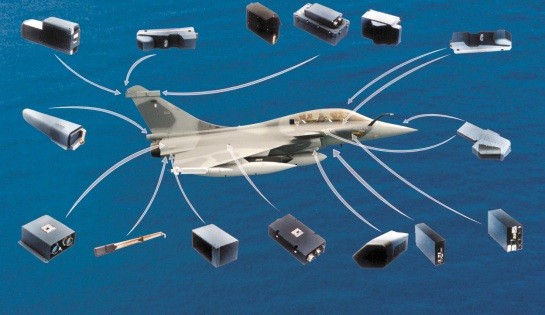
Unlike external EW pods that compromise aerodynamics and radar cross-section, SPECTRA is embedded directly within the Rafale’s airframe. Sensors are distributed across the fuselage, wing roots, wingtips, and tail sections. This creates an all-aspect awareness bubble with no blind spots. This “smart skin” philosophy means the system is not an add-on but is a core nervous system. It is networked directly with the aircraft’s RBE2 AESA radar, OSF infrared search-and-track system, and mission computer to produce a single, fused tactical picture for the pilot.


360-Degree, Multi-Spectral Coverage. SPECTRA’s defining capability is its ability to detect, classify, and respond to threats across the full electromagnetic spectrum simultaneously. It monitors radar emissions from enemy SAM batteries and airborne fire-control radars, detects the heat signatures of infrared-homing missiles, and identifies laser rangefinders and target designators — all in real time, from any direction. This matters immensely in modern contested airspace where multiple weapons create an overlapping defensive envelope. A system that addresses only one spectral dimension leaves the aircraft exposed to the others. SPECTRA addresses all three simultaneously, with sensors capable of detecting threats at ranges that provide the pilot with a meaningful reaction time.


The Architecture: Key Components. The system’s effectiveness flows from four tightly integrated subsystems working in concert:

    • The DDM NG (Détecteur de Départ Missile Nouvelle Génération) is MBDA’s next-generation missile approach warning system. It uses advanced infrared and ultraviolet sensors with wide-angle coverage to detect missile launches at long range — including from low-observable platforms — with sub-degree angular resolution. Critically, it can detect non-radiating passive threats that older UV-based systems miss.
    • The Radar Warning Receiver (RWR) passively scans for hostile radar emissions. It identifies and geolocates emitters using techniques such as interferometry and time-difference-of-arrival. It compares signals against an extensive, field-reprogrammable threat library capable of distinguishing an S-400 battery from an airborne AESA fire-control radar, and assigning threat priority accordingly.
    • The Laser Warning System (LWS) detects when laser rangefinders or weapon designators are illuminating the Rafale, providing precise bearing data to cue the appropriate countermeasure.
    • The Phased Array Jammer (JAM NG) is the most potent and secretive element. Using active electronically scanned array technology, it directs precisely shaped jamming energy toward specific emitters — applying noise jamming, false target generation, or range deception — without broadcasting the aircraft’s position. This targeted approach is far more effective and far harder to counter than legacy brute-force jammers.


Data Fusion. SPECTRA is not just an assembly of sensors. Its strength lies in its data fusion capability. A central management unit continuously merges raw signals received from multiple sensors (RWR, DDM NG, and LWS). The CMU assesses threat lethality, trajectory and urgency. It then presents the crew with a prioritised, actionable threat picture. In practice, this means that if the RWR detects a fire-control radar and the DDM NG simultaneously observes a launch from the same bearing, the system doesn’t merely alert the pilot — it identifies the optimal countermeasure (chaff for radar-guided threats, flares for infrared seekers, or active jamming), and can execute it automatically within milliseconds. Pilots retain full manual override, but the cognitive burden during high-G combat manoeuvring is dramatically reduced. Equally significant is SPECTRA’s offensive contribution: by passively geolocating enemy radars without emitting, it allows the Rafale to prosecute SEAD missions or precision strikes without activating its own radar — preserving the aircraft’s electromagnetic silence and complicating the adversary’s situational picture.


Constant Evolution. SPECTRA has demonstrated the Rafale’s ability to penetrate contested airspace without dedicated SEAD escorts. SPECTRA is designed for longevity. Its modular architecture permits continuous software and hardware updates.  Its threat libraries can be refreshed easily to address new radar types, advanced IR seekers, and low-probability-of-intercept systems. The new standards introduced in the system have improved its jamming performance and AI-assisted threat recognition.  The future enhancements include capabilities to counter stealth-detecting low-frequency radars and future hypersonic threats.


For air forces like India’s, operating in environments bracketed by advanced Chinese and Pakistani integrated air defence systems, it is not merely a defensive feature. It is a strategic enabler.


Please Add Value to the write-up with your views on the subject.


1879
Default rating

Please give a thumbs up if you  like The Post?


For regular updates, please register your email here:-

Subscribe


References and credits

To all the online sites and channels.

Pics Courtesy: Internet

Disclaimer:

Information and data included in the blog are for educational & non-commercial purposes only and have been carefully adapted, excerpted, or edited from reliable and accurate sources. All copyrighted material belongs to respective owners and is provided only for wider dissemination.

794: INDIA’S DIGITAL PUBLIC INFRASTRUCTURE: A BLUEPRINT FOR A GLOBAL SOLUTION FOR THE WORLD


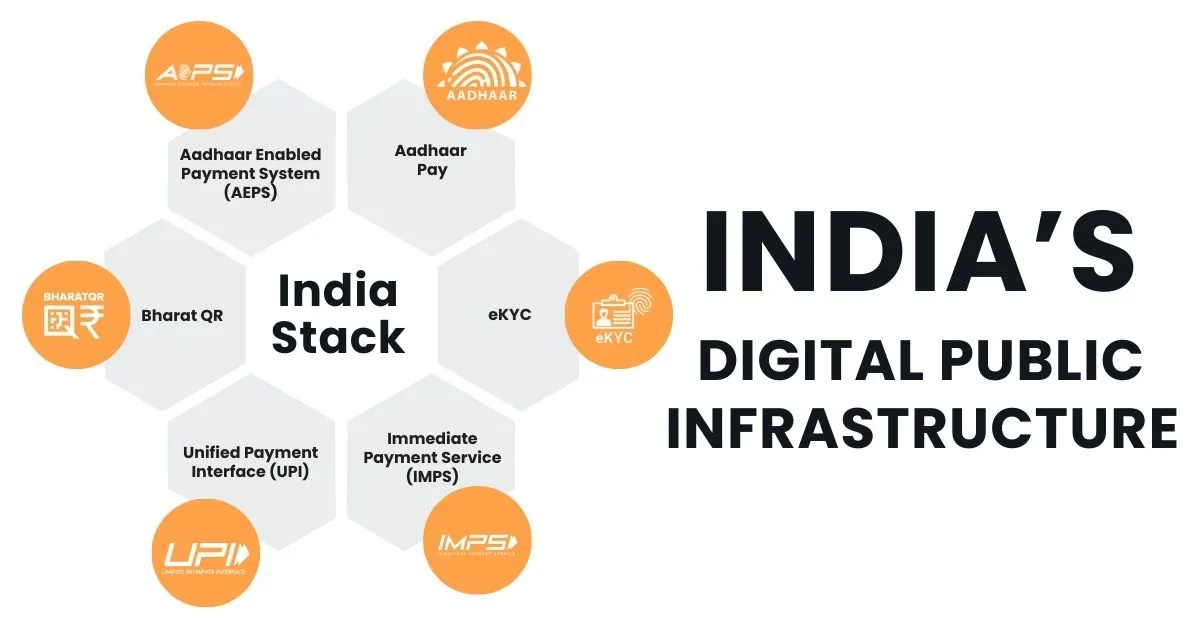
India’s Digital Public Infrastructure (DPI) stack—comprising UPI, Aadhaar, ONDC, and DigiLocker—has emerged as one of the most sophisticated and scalable public digital ecosystems in the world. Built on principles of openness, interoperability, and inclusion, this stack has not only transformed governance and economic participation within India but also positioned the country as a global leader in digital innovation for the public good. The next logical step is for India to actively export and multilateralise this model through initiatives such as DPI4All, enabling other nations to adopt and adapt these systems for their own development.


Pillars of the Layered Architecture. At its core, India’s DPI rests on three interconnected pillars: identity, payments, and consent-based data exchange, with additional layers for commerce and documents.

    • Aadhaar. Aadhaar, launched in 2009, serves as the foundational identity layer. It has issued over 1.44 billion unique biometric-linked 12-digit numbers, covering virtually the entire population, including remote rural areas. This system enables instant, paperless verification through e-KYC. Aadhaar powers direct benefit transfers (DBT), eliminating ghost beneficiaries and saving the exchequer billions. Monthly authentications exceed 200 crore, integrating seamlessly with banking, taxation, pensions, and more. Unlike fragmented systems elsewhere, Aadhaar’s open APIs foster innovation while maintaining privacy safeguards.
    • UPI. Building on this identity foundation, the Unified Payments Interface (UPI), operational since 2016 and managed by the National Payments Corporation of India (NPCI), has revolutionised payments. UPI enables instant, interoperable, low- or zero-cost transfers via mobile apps, linking multiple bank accounts through a single virtual address. In January 2026 alone, it processed a record 21.70 billion transactions worth over ₹28.33 lakh crore—averaging nearly 700 million daily. UPI accounts for about 81% of India’s retail digital payments by volume and nearly 49% of global real-time payment transactions, surpassing systems like Visa in scale. Its open architecture allows banks, fintechs, and merchants (over 65 million) to participate equally, driving financial inclusion: India’s banked adult population surged from 35% in 2011 to over 80%. Features like QR code payments, auto-pay, and UPI Lite expand access to micro-transactions as small as ₹10, benefiting street vendors and rural users alike. The IMF has hailed UPI as the world’s largest retail fast payment system.
    • Digi Locker. Digi Locker complements these by providing a secure, government-backed digital vault for documents. As of early 2026, it boasts over 67.63 crore users and has issued more than 950 crore authenticated documents, including certificates, licenses, and insurance papers. Citizens can access verified records anytime on mobile devices, reducing paperwork, fraud, and administrative delays. Integrated with eSign for electronic signatures, DigiLocker streamlines services in education, employment, and governance, making it a cornerstone of paperless administration.
    • Open Network for Digital Commerce. ONDC extends the stack into e-commerce, creating an open, interoperable platform that democratises online trade. Unlike closed marketplaces dominated by a few giants, ONDC allows buyers and sellers to connect across apps and networks, levelling the field for small retailers and kirana stores. By late 2025–early 2026, it operated in over 630 cities with hundreds of thousands of sellers, facilitating discovery, ordering, and fulfilment. ONDC reduces dependence on proprietary platforms, lowers costs, and promotes competition, potentially adding significant value to India’s digital economy, which is projected to contribute 20% to GVA by 2029–30. Together with the Data Empowerment and Protection Architecture (DEPA) for consent-based data sharing (via Account Aggregators), these components form a cohesive ecosystem where identity verifies users, payments settle transactions, documents provide proof, and commerce flows freely—all while prioritising user consent and privacy.


Benefits. The sophistication of India’s DPI lies in its design philosophy. What makes this ecosystem particularly powerful is its public-good orientation. Unlike proprietary systems dominated by private corporations, India’s DPI is designed as an open infrastructure upon which both public and private players can innovate. This has led to an explosion of fintech startups, increased financial inclusion, and improved efficiency in welfare delivery. For instance, direct benefit transfers linked with Aadhaar have reduced leakages and ensured subsidies reach intended beneficiaries. UPI has brought millions into the formal financial system, including those previously excluded from traditional banking.


Global Applicability. The global digital landscape is currently bifurcated. On one side is the US model, driven by private monopolies where data is the currency and profit is the sole motive. On the other hand, there is the closed-loop model, where digital tools are used primarily for state surveillance. India offers a “Third Way.” The DPI model is built on publicly owned rails but encourages private-sector competition. It prioritises Inclusion (reaching the unbanked and the disconnected), sovereignty (allowing nations to maintain control over their digital destiny without being beholden to foreign tech giants), and frugality (India’s stack is remarkably cost-effective compared to legacy Western systems). Globally, the significance of India’s DPI model lies in its replicability. Many developing countries face similar challenges: lack of formal identification, inefficient payment systems, and limited access to digital services. By offering a tested and scalable framework, India can help these nations leapfrog traditional development barriers. Already, countries in Africa, Southeast Asia, and Latin America have shown interest in adopting components of India’s DPI stack. UPI is already live in over eight countries, including the UAE, Singapore, Bhutan, Nepal, Sri Lanka, France, Mauritius, and Qatar, enabling cross-border instant payments. India has signed MoUs or agreements on DPI cooperation with 23 countries, including six in Africa, sharing expertise in identity systems, payments, and data frameworks.


DPI4ALL Concept. This is where the concept of DPI4All becomes crucial. Rather than exporting technology in a transactional or bilateral manner, DPI4All envisions a multilateral framework where countries collaborate, share best practices, and co-develop digital public goods. Such an initiative could function under global institutions or as a coalition of willing nations, with India playing a central role as both a provider and a partner.

Advantages. Multilateralising DPI aligns with India’s vision of “Vasudhaiva Kutumbakam” (the world is one family) and its leadership in the Global South. Exporting DPI is not about selling software; it is about exporting a governance philosophy. By multilateralising this model, India can lead a global coalition that establishes standards for digital public goods. This approach offers several strategic advantages:

    • Soft Power and Diplomacy. By helping a nation build its digital identity or payment system, India builds a generational partnership. Unlike traditional infrastructure projects (roads or ports) that may lead to “debt traps,” digital infrastructure empowers the local economy to grow independently.
    • Economic Interoperability. If multiple countries adopt UPI-like standards, cross-border remittances—which are currently slow and expensive—could become instantaneous and nearly free. This would revolutionise global trade for small and medium enterprises.
    • A New Multilateralism. Through DPI4All, India can lead a “Digital Global South” bloc, ensuring that the rules of the future internet are not written solely in Silicon Valley or Brussels, but are inclusive of the needs of the developing world.

Challenges. However, exporting DPI is not without challenges. Each country has unique socio-political contexts, regulatory environments, and technological capacities. A one-size-fits-all approach would not work. India must therefore adopt a flexible, modular strategy that allows countries to pick and customise components according to their needs. Capacity building, technical assistance, and policy support will be critical in this process. Another key consideration is data governance. As digital systems expand, concerns around privacy, surveillance, and data misuse become more pronounced. India must ensure that robust safeguards, including clear consent mechanisms, data minimisation principles, and independent oversight, accompany its DPI exports. This will be essential to build trust both domestically and internationally. Financing is also an important aspect. Many developing countries may lack the resources to build and maintain such infrastructure. India, in partnership with multilateral development banks and global institutions, could help create funding mechanisms—such as grants, concessional loans, or public-private partnerships—to support DPI adoption.


Strategic Outlook. Strategically, exporting DPI aligns with India’s broader geopolitical ambitions. It enhances India’s soft power, strengthens South-South cooperation, and positions the country as a leader in shaping global digital norms. In a world increasingly dominated by competing digital ecosystems—primarily from the US and China—India’s model offers a third path that balances innovation with public interest. Moreover, DPI4All could serve as a platform for addressing global challenges such as financial inclusion, digital inequality, and efficient public service delivery. By enabling countries to build resilient and inclusive digital systems, it contributes directly to the Sustainable Development Goals.


In conclusion, India has achieved in nine years what took the developed world nearly five decades to do. India’s Digital Public Infrastructure is not just a domestic success story but a global public good in the making. By actively exporting and multilateralising this model through DPI4All, India has the opportunity to redefine digital development paradigms worldwide. The focus must remain on openness, inclusivity, and adaptability, ensuring that the benefits of digital transformation are accessible to all nations, not just a privileged few.


Please Add Value to the write-up with your views on the subject.


1879
Default rating

Please give a thumbs up if you  like The Post?


For regular updates, please register your email here:-

Subscribe


References and credits

To all the online sites and channels.

Pics Courtesy: Internet

Disclaimer:

Information and data included in the blog are for educational & non-commercial purposes only and have been carefully adapted, excerpted, or edited from reliable and accurate sources. All copyrighted material belongs to the respective owners and is provided only for wider dissemination.


793: IRAN WAR: MANY QUESTIONS, DIVERSE PERCEPTIONS (PART 3)


The answers are collated from open sources. Information warfare and propaganda are generally active, as in any other war. Bias in the answers cannot be ruled out.


GEOPOLITICAL & STRATEGIC

  1. How did the conflict affect US relations with Gulf Arab states?

Iran’s decision to strike across nine countries — including previously neutral Gulf states such as Oman and Qatar — has had the paradoxical effect of pushing Gulf governments into closer alignment with the US-Israeli security architecture, even as they publicly demand restraint. Iran’s widening of attacks to encompass all GCC states has demonstrated that passive neutrality offers no protection, underscoring that regional threats are better countered collectively. Intelligence-sharing and covert security cooperation between Israel and Gulf neighbours would deepen.


  1. Did the conflict accelerate or derail Israel-Saudi normalisation?

The conflict has deepened covert alignment but left formal normalisation frozen. The Palestinian issue — dramatically amplified in the Arab public sphere by the Gaza war — remains a fundamental political obstacle that shared threat perception of Iran cannot simply override. Arab governments already obtain meaningful security benefits from covert cooperation with Israel without assuming the domestic political risk of formal recognition. US officials, including Senator Graham, have publicly framed the post-war period as a “historic opportunity” to revive normalisation once Iranian pressure recedes, but the structural obstacles remain formidable.


DIPLOMACY & CEASEFIRE

  1. What diplomatic efforts were made to prevent full-scale war, and why did they fail?

Oman led indirect nuclear negotiations in Geneva in February 2026, with Iran reportedly agreeing to forgo stockpiling enriched uranium and accept permanent, full IAEA verification — significant concessions that represented a near-breakthrough. Oman’s Foreign Minister publicly declared peace “within reach.” The US and Israel launched Operation Epic Fury regardless, with Oman’s mediator expressing he was “dismayed” that active negotiations had been overridden by military action. The deeper failure of diplomacy traces to accumulated mistrust, Iran’s reconstitution of its programme after the 2025 setback, the IAEA’s discovery of hidden HEU in February 2026, and an Israeli/US assessment that a narrow preemption window was closing.


  1. What were the terms of any ceasefire agreements, and what role did mediators play?

The June 2025 Twelve-Day War ended in a US-brokered ceasefire on 24 June 2025. No comparable agreement has been reached in the ongoing 2026 conflict. Khamenei’s assassination has shattered the established rules of engagement, leaving the conflict without clear diplomatic off-ramps and deepening into a war of attrition. Oman served as the primary channel for both the 2025 ceasefire and the aborted 2026 nuclear talks. Qatar hosted US military assets while simultaneously coming under Iranian attack — a contradictory position that constrained its mediating role. Egypt maintained a relative distance. China is positioning itself as the primary post-conflict stabiliser, dispatching diplomatic envoys while warning publicly against spreading “flames of war.”


CONSEQUENCES & LONG-TERM OUTLOOK

  1. How significantly has Iran’s military capability been degraded?

Severely. Israel claims approximately 60–90% of Iran’s estimated 500 ballistic missile launchers have been destroyed or disabled. Over 100 air defence systems and 120 detection systems were eliminated in the opening 24 hours. More than 1,700 military industrial assets have been struck, with the campaign working systematically through Iran’s missile production chain. Over 50 naval vessels have been destroyed, effectively decimating Iran’s navy. Nuclear infrastructure is severely damaged. IRGC command nodes and leadership have been targeted. Iran retains core enrichment knowledge, some dispersed material, and the institutional will to reconstitute — but its conventional military power has been fundamentally degraded.


  1. What is the long-term trajectory of Iran-Israel relations?

Persistent, entrenched hostility is the most probable outcome. Iran perceives the conflict as existential and has shown no interest in an off-ramp, calculating that a prolonged war of attrition may eventually favour it. The appointment of Mojtaba Khamenei — widely described as more hardline than his father and closely tied to the IRGC — signals continuity of confrontational posture rather than moderation. The most dangerous near-term risks are an Iranian nuclear dash to weaponise as the ultimate deterrent, or asymmetric revenge operations through reconstituted proxy networks or cyber means. A long-term “new normal” of uneasy, diminished-Iran deterrence is possible if the regime survives in weakened form; outright regime collapse would open a different and highly unpredictable set of outcomes.


  1. Has the conflict changed the doctrine of deterrence in the Middle East?

Profoundly. The killing of a sitting Supreme Leader has shattered red lines that were previously considered inviolable, signalling that no leader or asset is beyond reach for a sufficiently capable and determined adversary. The conflict has validated the superiority of offensive preemption combined with layered defence over passive deterrence-by-denial, and has demonstrated that proxy networks are unreliable against determined state-on-state military action. The perverse global signal, noted by RAND analysts, is that states without nuclear weapons remain existentially vulnerable to decapitation strikes, which may accelerate proliferation among states watching the outcome and drawing their own conclusions.


  1. What are the military lessons for nations like India from this conflict?

The conflict carries direct and urgent lessons for Mission Sudarshan Chakra and India’s broader defence doctrine. First, layered, integrated air defence, combining short-, medium-, and long-range systems with real-time intelligence, is essential against mixed salvos of ballistic missiles, cruise missiles, and drones — validating India’s multi-layered architecture. Second, interceptor stockpile depth is as critical as interception technology itself; saturation rapidly depletes inventories, making directed-energy weapons an operational necessity for economically defeating cheap drone swarms. Third, offensive counter-strikes on launcher and C2 infrastructure are force multipliers — pure defence is strategically and financially unsustainable against a determined adversary, validating the offensive-defensive integration at the heart of Mission Sudarshan Chakra. Fourth, space-based early warning and AI-driven command and control are now operational necessities, not aspirational future capabilities. Fifth, allied interoperability — the US-Israeli model — multiplies system effectiveness in ways that no single national architecture can replicate, underscoring the importance of India deepening defence technology partnerships with the US and Israel in particular.


(More to follow)


Please Add Value to the write-up with your views on the subject.


1879
Default rating

Please give a thumbs up if you  like The Post?


For regular updates, please register your email here:-

Subscribe


References and credits

To all the online sites and channels.

Pics Courtesy: Internet

Disclaimer:

Information and data included in the blog are for educational & non-commercial purposes only and have been carefully adapted, excerpted, or edited from reliable and accurate sources. All copyrighted material belongs to the respective owners and is provided only for wider dissemination.


English हिंदी