653:INDIAN SPACE PROGRAM’S HISTORIC LEAP: GROUP CAPTAIN SHUBHANSHU SHUKLA SET TO EMBARK ON A LANDMARK JOURNEY TO THE SPACE STATION


My Article published on The EuraisianTimes website on 19 Apr 25.


Indian Air Force Group Captain Shubhanshu Shukla will become the first Indian astronaut to visit the International Space Station (ISS) as part of Axiom Space’s Ax-4 mission, launching no earlier than May 29, 2025, from NASA’s Kennedy Space Centre in Florida aboard a SpaceX Crew Dragon spacecraft. Group Captain Prasanth Balakrishnan Nair is his backup. Shukla, a test pilot and Gaganyaan mission astronaut-designate, will serve as the mission pilot for the 14–21-day mission, commanded by former NASA astronaut Peggy Whitson, with mission specialists Sławosz Uznański-Wiśniewski (Poland) and Tibor Kapu (Hungary).

Shukla will conduct seven scientific experiments, including studies on muscle loss, microgravity screen time effects, and bio-farming, supporting ISRO’s Gaganyaan research. He will also promote Indian culture by carrying artefacts and practising yoga on the ISS. The Ax-4 mission, a collaboration between NASA, Axiom Space, and ISRO, includes 60 experiments from 31 countries. This historic mission, India’s first astronaut trip to the ISS and the second Indian in space since Rakesh Sharma’s 1984 Soyuz mission, highlights India’s rising prominence in global space exploration.

Established in 1969, the Indian Space Research Organisation (ISRO) has transformed India into a global space powerhouse. From humble beginnings with sounding rockets to executing complex interplanetary missions, ISRO’s journey reflects a blend of scientific excellence, frugal engineering, and ambitious vision.

The Indian Space Program: A Journey of Innovation and Ambition

Origins and Early Development. India’s space program began under the visionary leadership of Dr. Vikram Sarabhai, who recognised space technology’s potential to address national challenges like communication, education, and resource management. The Indian National Committee for Space Research (INCOSPAR), formed in 1962, laid the groundwork for ISRO. The first significant milestone was the launch of the Nike-Apache sounding rocket from Thumba in 1963, marking India’s entry into space research. ISRO’s early focus was on developing indigenous satellite and launch vehicle technologies. The launch of Aryabhata, India’s first satellite, in 1975 aboard a Soviet rocket, was a pivotal moment. By 1980, ISRO achieved a breakthrough with successfully launching the Rohini satellite using the Satellite Launch Vehicle (SLV-3), making India the sixth nation capable of independently launching satellites.

Building Capabilities. In the 1980s, ISRO developed the Polar Satellite Launch Vehicle (PSLV), a versatile rocket that became the backbone of India’s space program. The PSLV’s first successful launch in 1994 enabled India to place satellites in polar and geosynchronous orbits, supporting applications like remote sensing and communication. The INSAT series, starting with INSAT-1A in 1982, revolutionised telecommunications, television broadcasting, and weather forecasting, bridging India’s rural-urban divide.  In the 1990s, ISRO expanded its Earth observation capabilities with the Indian Remote Sensing (IRS) satellite series. These satellites provided critical agriculture, disaster management, and urban planning data. The program’s emphasis on self-reliance led to developing the Geosynchronous Satellite Launch Vehicle (GSLV), designed to carry heavier payloads into geostationary orbits. Despite initial setbacks, the GSLV’s success in the 2000s bolstered India’s space ambitions.

Breakthroughs in the 21st Century. The 21st century marked a turning point for ISRO, with missions that showcased its technological prowess and global competitiveness. The Chandrayaan-1 mission, launched in 2008, was India’s first lunar probe. It made headlines with the discovery of water molecules on the Moon’s surface, a finding confirmed by its Moon Impact Probe. This mission, costing just $80 million, exemplified ISRO’s cost-effective approach, earning global acclaim. In 2013, ISRO achieved another milestone with the Mars Orbiter Mission (Mangalyaan), making India the first Asian nation to reach Martian orbit and the first globally to succeed on its maiden attempt. Mangalyaan, developed at a modest $74 million, demonstrated ISRO’s ability to deliver high-impact science on a lean budget. The mission’s longevity, with the orbiter still operational in 2025, underscores ISRO’s engineering excellence. ISRO’s Chandrayaan-2 mission 2019 aimed to soft-land a rover on the Moon’s South Pole. Although the Vikram lander crashed, the orbiter continues to provide valuable lunar data. The mission showcased India’s growing ambition to tackle complex challenges. In 2023, Chandrayaan-3 achieved a historic soft landing near the lunar South Pole, making India the fourth nation to land on the Moon and the first to explore this region. The Pragyan rover’s findings on lunar soil composition have added to global lunar science.


Societal Impact and Applications

ISRO’s space program extends beyond scientific exploration, delivering tangible benefits to Indian society. The INSAT and GSAT series have enabled tele-education and telemedicine, reaching remote areas with limited infrastructure. The Navic navigation system, operational since 2018, provides precise positioning services, enhancing transportation, agriculture, and defence sectors.

ISRO’s remote sensing satellites support disaster management by monitoring cyclones, floods, and droughts. The Cartosat and Resourcesat series aid in urban planning, water resource management, and crop forecasting, contributing to food security. ISRO’s data-sharing initiatives with global agencies also strengthen international cooperation in climate monitoring and disaster response.

The space program has spurred economic growth by fostering a domestic space industry. Companies like Antrix Corporation, ISRO’s commercial arm, and private startups like Skyroot Aerospace and Agnikul Cosmos are expanding India’s space ecosystem. ISRO’s technology transfers have enabled healthcare and renewable energy innovations, amplifying its socioeconomic impact.


Challenges

Despite its Successes, ISRO faces challenges. Limited funding, with a 2024-25 budget of approximately $1.6 billion, constrains its ability to scale ambitious projects compared to NASA ($25 billion) or China’s space program. Human spaceflight, a key frontier, has progressed slowly. The Gaganyaan mission, aiming to send Indian astronauts to low Earth orbit, faced delays due to technical complexities and the COVID-19 pandemic but is now targeted for 2026.

ISRO’s reliance on government funding limits its agility in a rapidly commercialising global space sector. While private sector participation grows, regulatory hurdles and bureaucratic processes hinder faster integration. Critics also point to occasional mission failures, like the GSLV’s early setbacks or Chandrayaan-2’s partial success, as areas needing improvement. However, ISRO’s ability to learn from failures and deliver subsequent successes reflects its resilience.


Future Prospects

ISRO’s roadmap is ambitious, with plans to solidify India’s position in global space exploration. The Gaganyaan mission will mark India’s entry into human spaceflight, with four astronauts training in collaboration with international partners. The Aditya-L1 solar observatory, launched in 2023, is studying the Sun’s corona, contributing to space weather forecasting. Chandrayaan-4, planned for 2028, aims to retrieve lunar samples, while a Venus orbiter mission is under development.

ISRO is also advancing its launch capabilities. The Small Satellite Launch Vehicle (SSLV) targets the growing demand for small satellite launches, while the Next-Generation Launch Vehicle (NGLV) will support heavier payloads, including space station modules. ISRO’s proposed Bharatiya Antariksh Station (Indian Space Station) by 2035 aligns with global trends in space infrastructure.

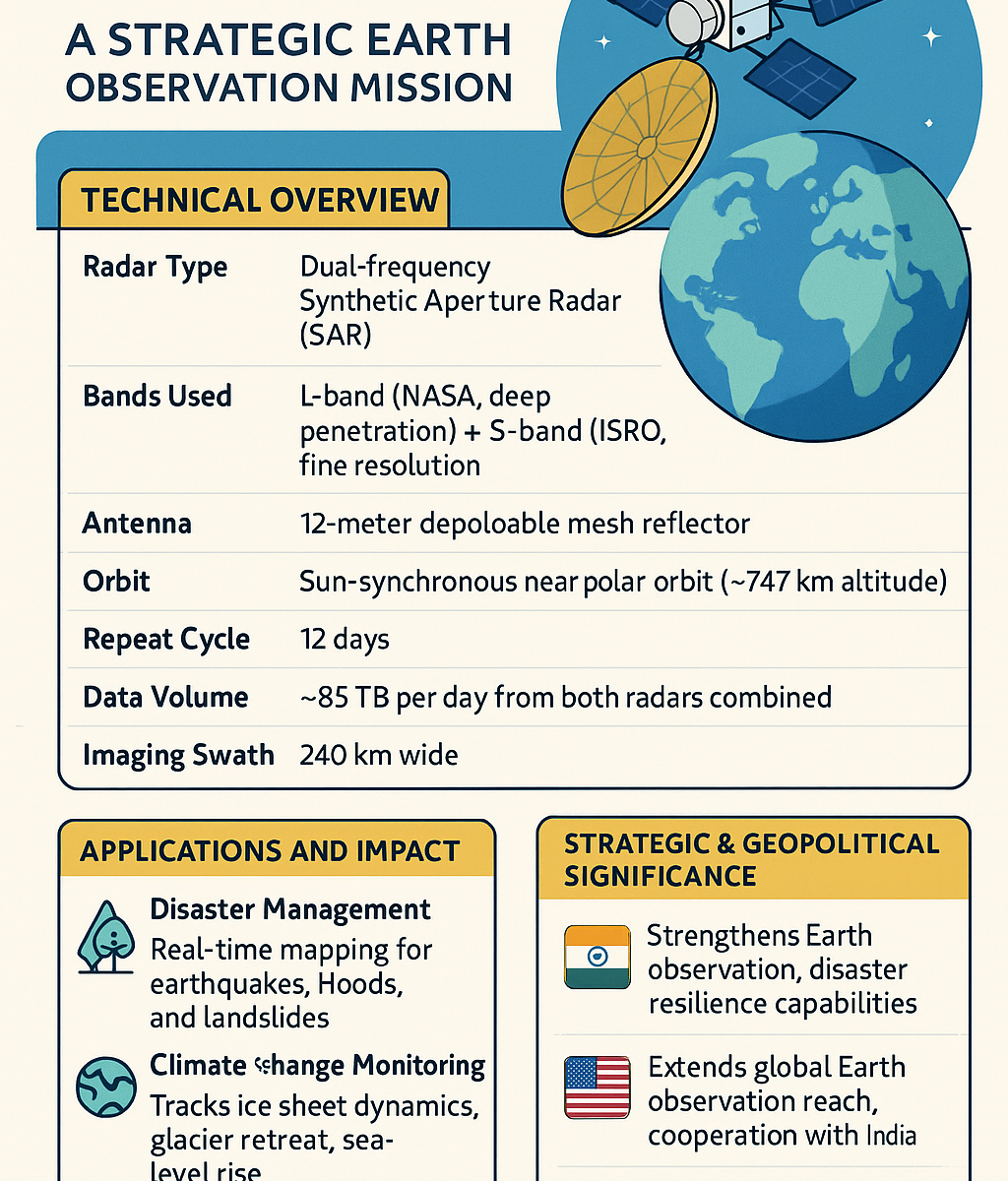
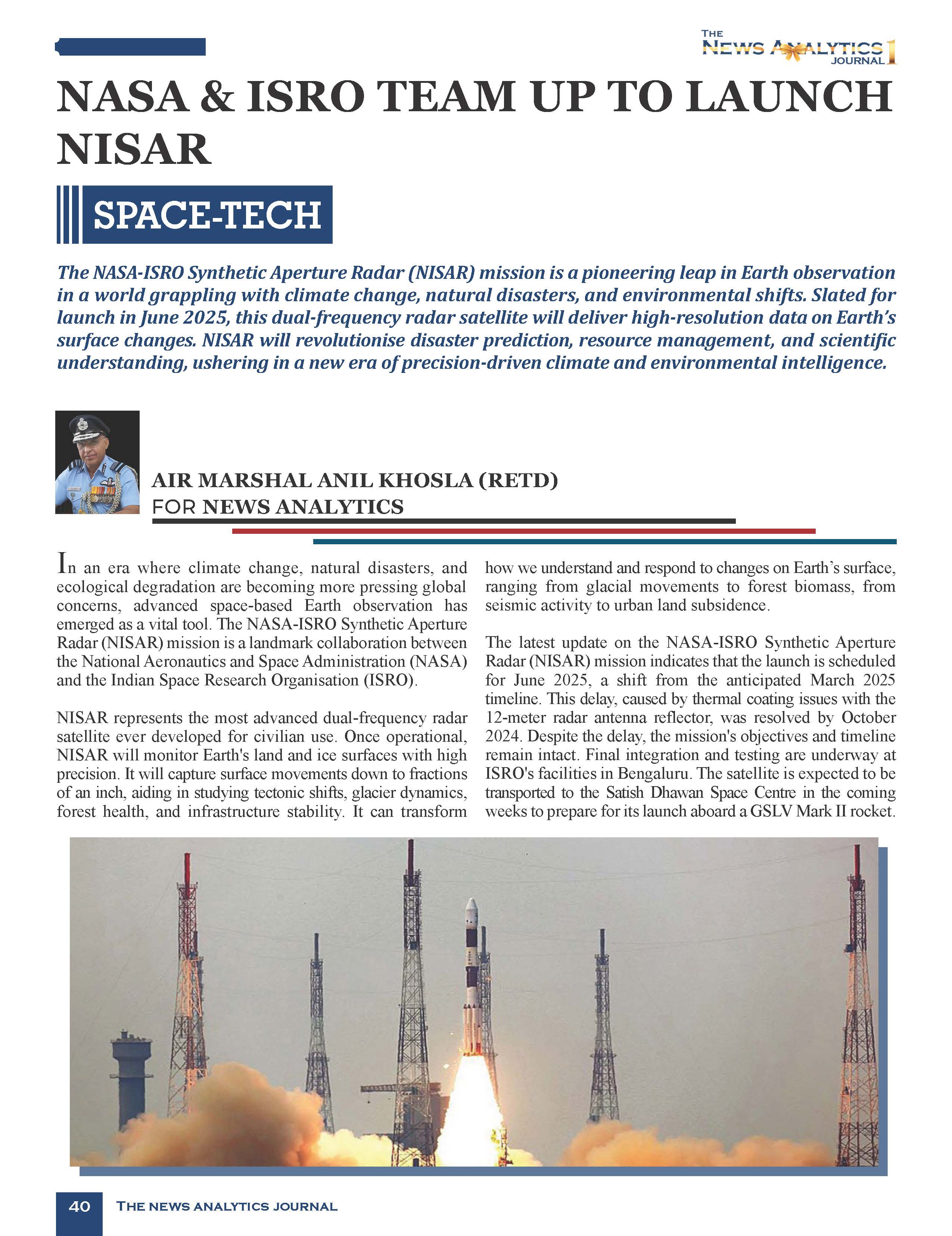
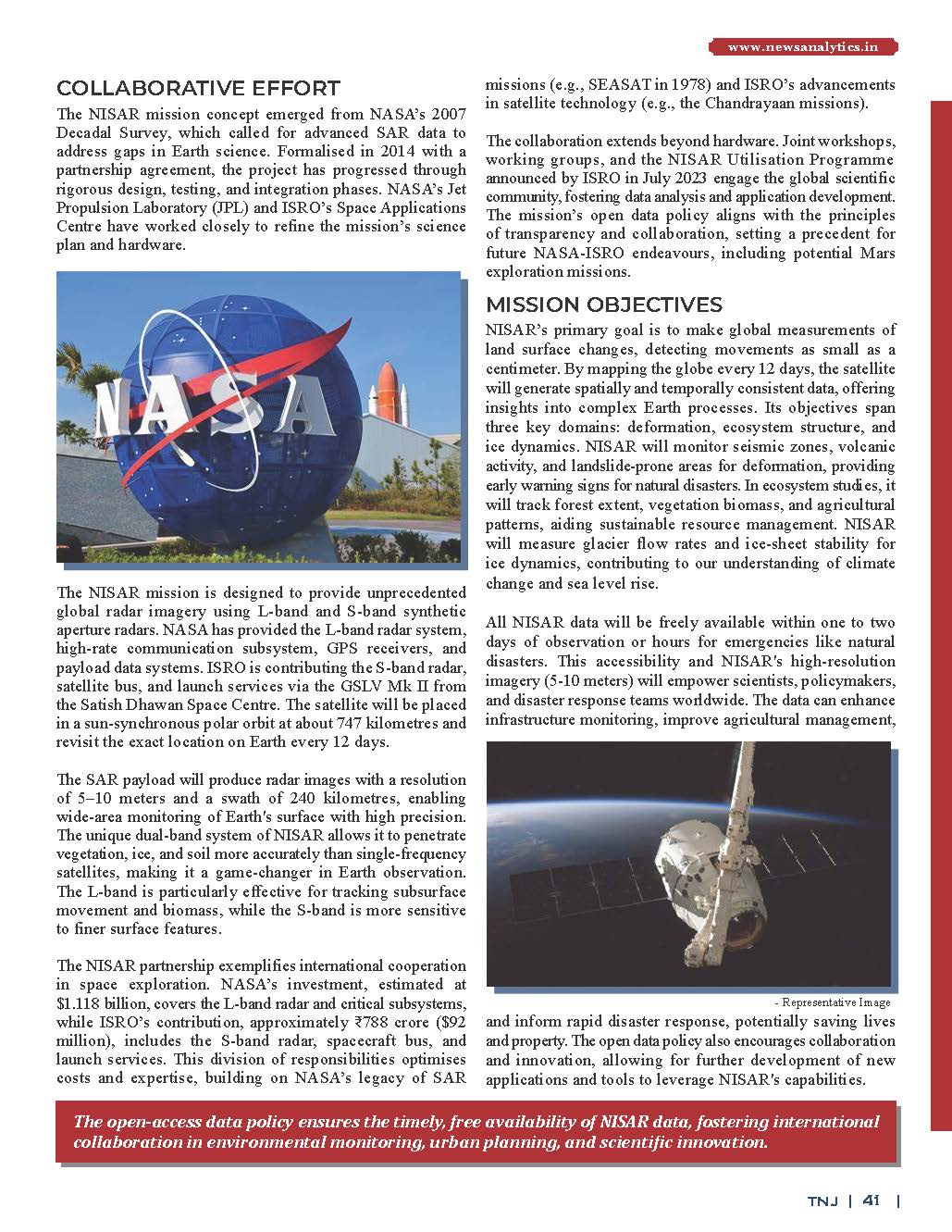
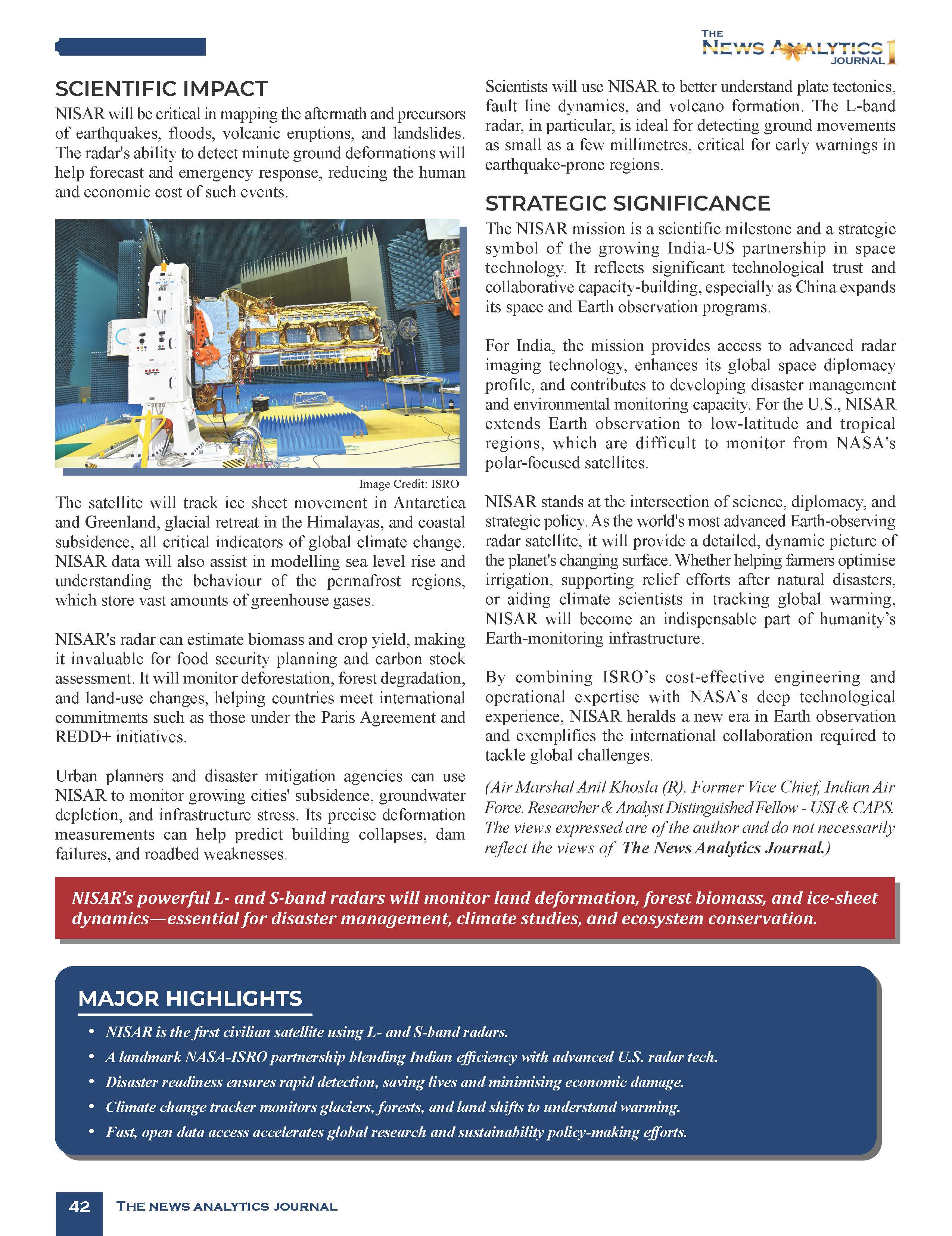
International collaboration is a priority, with ISRO partnering with NASA, ESA, and JAXA on missions like NISAR, a joint Earth-observation satellite. ISRO’s cost-effective model positions it as a preferred partner for emerging space nations and commercial entities. To stay competitive, the organisation also explores reusable launch vehicles and space robotics.


Conclusion

The Indian space program, driven by ISRO’s ingenuity and vision, has evolved from a nascent initiative to a global partner in space exploration. Its achievements, from lunar landings to interplanetary missions, reflect a commitment to scientific discovery and societal progress. While challenges like funding and commercialisation persist, ISRO’s track record of overcoming obstacles bodes well for its future.

As India aims for human spaceflight, a space station, and deeper planetary exploration, ISRO’s frugal yet impactful approach will continue to inspire. The program advances India’s technological capabilities and positions it as a key player in shaping the future of global space exploration, proving that ambition and innovation can transcend resource constraints.


Please Add Value to the write-up with your views on the subject.


1879
Default rating

Please give a thumbs up if you  like The Post?


For regular updates, please register your email here:-

Subscribe

Link to the article on the website:-

From Nike-Apache To Space Station – Indian Astronaut’s Landmark ISS Visit In May-End Another Big Feat For ISRO


References and credits

To all the online sites and channels.

Pics Courtesy: Internet

Disclaimer:

Information and data included in the blog are for educational & non-commercial purposes only and have been carefully adapted, excerpted, or edited from reliable and accurate sources. All copyrighted material belongs to respective owners and is provided only for wider dissemination.


References:-

  1. Times Now. (2025, April 18). Who Is Shubhanshu Shukla? Indian Astronaut-designate Group Captain to Fly to International Space Station In May.
  1. ET Now. (2025, April 18). This is a major step for India’s space journey! Astronaut Shubhanshu Shukla will travel to space next month, the Modi government confirmed.
  1. NDTV. (2025, April 18). Indian Astronaut-Designate Shubhanshu Shukla To Fly To Space Station in May.
  1. The Times of India. (2025, April 18). An international space mission carrying Indian astronaut Shubhanshu Shukla is set to fly in May.
  1. India Today. (2025, April 11). India’s Shubhanshu Shukla will study how screen time affects the human brain in space.
  1. Republic World. (2025, April 2). IAF’s Shubhanshu Shukla to Become First Indian Astronaut Aboard SpaceX Dragon.
  1. Chandrayaan Mission Pages: Detailed mission objectives, payloads, and outcomes for Chandrayaan-1, -2, and -3. Accessible via ISRO’s mission-specific portals: Chandrayaan-2, Chandrayaan-3.
  1. Mishra, S. K. (2020): Indian Space Program: Evolution, Achievements, and Challenges. Journal of Space Exploration, 9(2), 45-56. A peer-reviewed article analysing ISRO’s growth and cost-effective strategies.
  1. Narayanan, N. (2017): The Making of ISRO: Vikram Sarabhai’s Vision. HarperCollins India. A comprehensive book on the origins of ISRO and Sarabhai’s contributions.
  1. The Hindu (August 24, 2023): “India Becomes First Nation to Land Near Lunar South Pole with Chandrayaan-3.” News article covering the historic Chandrayaan-3 landing.
  1. Lele, A. (2014): Mission Mars: India’s Quest for the Red Planet. Springer. A detailed account of the Mars Orbiter Mission’s development and significance.
  1. SpaceNews (March 15, 2025): “India Approves Chandrayaan-5 and LUPEX Mission with JAXA.” Reports on recent mission approvals and international collaborations.
  1. ISRO Annual Report 2024-25: Outlines budget, ongoing projects, and commercial activities of Antrix Corporation. Available at: ISRO Annual Reports.
  1. Bagla, P., & Menon, V. (2019): Reach for the Stars: The Evolution of India’s Space Programme. Bloomsbury India. A book detailing ISRO’s societal impacts and technological milestones.
  1. NASA-ISRO Synthetic Aperture Radar (NISAR) Mission: Information on ISRO’s collaboration with NASA. Available at: nisar.jpl.nasa.gov.

652: INDIAN ASTRONAUT-DESIGNATE SHUBHANSHU SHUKLA TO FLY TO SPACE STATION IN MAY


Indian Air Force Group Captain Shubhanshu Shukla is set to make history as the first Indian astronaut to visit the International Space Station (ISS). He will embark on this journey as part of Axiom Space’s Axe-4 mission, scheduled to launch no earlier than May 29, 2025, from NASA’s Kennedy Space Centre in Florida aboard a Spacex Crew Dragon spacecraft.​ Group Captain Prasanth Balakrishnan Nair is designated as Shukla’s backup.


This marks India’s second astronaut in space, following Rakesh Sharma’s 1984 mission aboard a Soviet Soyuz spacecraft. Shukla, a decorated test pilot and astronaut-designate for India’s Gaganyaan mission, will be the mission pilot aboard a Spacex Dragon spacecraft, launching from NASA’s Kennedy Space Centre in Florida. The 14-day mission, commanded by former NASA astronaut Peggy Whitson, includes mission specialists Slawosz Uznanski-Wisniewski from Poland and Tibor Kapu from Hungary.


Mission Overview

Mission Name: Axiom Mission 4 (Ax-4)

Launch Date: No earlier than May 29, 2025

Launch Vehicle: SpaceX Falcon 9 Block 5

Spacecraft: Crew Dragon

Duration: Approximately 14–21 days

Destination: International Space Station (ISS)


Crew Members:

Peggy Whitson (Commander, USA)

Shubhanshu Shukla (Pilot, India)

Sławosz Uznański-Wiśniewski (Mission Specialist, Poland)

Tibor Kapu (Mission Specialist, Hungary)​


Scientific Endeavours. Shukla will conduct around seven scientific experiments, including studies on muscle loss, screen time effects in microgravity (Voyager Displays), and bio-farming, contributing to ISRO’s research for future crewed missions like Gaganyaan.

Cultural Representation. In addition to scientific work, Shukla plans to promote Indian culture by carrying artefacts and practising yoga aboard the ISS, symbolising India’s rich heritage in space exploration.​


Significance for India. ​The mission, a partnership between NASA, Axiom Space, and ISRO, underscores India’s growing role in global space exploration. Ax-4 features 60 scientific studies from 31 countries. This mission marks a significant milestone for India, as it will be the first time an Indian astronaut visits the ISS and the first Indian in space since Rakesh Sharma’s 1984 mission. Group Captain Shukla’s participation is a precursor to ISRO’s upcoming Gaganyaan mission.


Please Add Value to the write-up with your views on the subject.


1879
Default rating

Please give a thumbs up if you  like The Post?


For regular updates, please register your email here:-

Subscribe


References and credits

To all the online sites and channels.

Pics Courtesy: Internet

Disclaimer:

Information and data included in the blog are for educational & non-commercial purposes only and have been carefully adapted, excerpted, or edited from reliable and accurate sources. All copyrighted material belongs to respective owners and is provided only for wider dissemination.


References:-

  1. Times Now. (2025, April 18). Who Is Shubhanshu Shukla? Indian Astronaut-designate Group Captain to Fly to International Space Station In May.
  1. ET Now. (2025, April 18). This is a major step for India’s space journey! Astronaut Shubhanshu Shukla will travel to space next month, the Modi government confirmed.
  1. NDTV. (2025, April 18). Indian Astronaut-Designate Shubhanshu Shukla To Fly To Space Station in May.
  1. The Times of India. (2025, April 18). An international space mission carrying Indian astronaut Shubhanshu Shukla is set to fly in May.
  1. News on Air. (2025, April 18). IAF’s Group Captain Shubhanshu Shukla to Fly to ISS Next Month on Axiom’s Ax-4 Mission.
  1. India Today. (2025, April 11). India’s Shubhanshu Shukla will study how screen time affects the human brain in space.
  1. Gadgets360. (2025, April 7). ISRO’s Shubhanshu Shukla Set to Make History with Space Station Mission in May.
  1. ETV Bharat. (2025, April 7). Axiom Mission 4 Set To Launch In May 2025 With India’s Gaganyaan Astronaut Shubhanshu Shukla.
  1. Republic World. (2025, April 2). IAF’s Shubhanshu Shukla to Become First Indian Astronaut Aboard SpaceX Dragon.

589: WINDS OF CHANGE IN GLOBAL DEFENCE


Pic Courtesy Net


My Article published on the Life of Soldier website on 29 Jan 25


The global defence landscape is transforming significantly, driven by technological advancements, shifting geopolitical dynamics, and evolving security threats. Nations increasingly prioritise developing cutting-edge technologies such as hypersonic missiles, artificial intelligence, and quantum radar to enhance military capabilities. The rise of non-traditional threats, including cyber-attacks and space-based warfare, also reshapes defence strategies. As countries adjust to these changes, the winds of change in global defence are prompting nations to rethink military priorities, strategies, and international relations. The winds of change in global defence are characterised by rising defence spending and a shift toward advanced military technologies. Countries are increasing their military budgets in response to escalating geopolitical tensions and emerging threats. This surge in defence spending reflects a global shift toward preparedness, emphasising modernisation, strategic alliances, and a more proactive approach to defence.


New Weapons and Dimensions of Warfare


AI-Powered Autonomous Weapons. The first fully autonomous AI-controlled weapon systems have been deployed in active combat zones. The deployment of AI-powered autonomous weapons in active combat zones marks a significant leap in military technology, raising concerns over their implications for global security. These systems, capable of making real-time decisions without human intervention, are being tested in conflicts such as those in the Middle East and Eastern Europe. While proponents argue they enhance precision and reduce human casualties, critics fear they could lead to uncontrolled escalation, with machines making life-and-death decisions. Ethical dilemmas arise over accountability for actions taken by autonomous systems, and there are growing calls for international regulations to govern the development and use of such advanced weapons.


Intensification of the Hypersonic Missile Arms Race. The hypersonic missile arms race has intensified as countries like the United States, China, and Russia race to develop advanced, high-speed weaponry capable of travelling at speeds greater than five times the speed of sound. These missiles can manoeuvre unpredictably, making them difficult to intercept with existing defence systems. This technological leap raises concerns about the potential for destabilising global security as nations vie for strategic advantage in an increasingly competitive and unpredictable arms race. The growing development and testing of hypersonic missiles signal a new era in military warfare, potentially altering the balance of power and escalation risks worldwide.


Cyber Attacks on Critical Infrastructure. Cyber attacks on critical infrastructure have become a growing threat to national security and economic stability. These attacks target essential sectors such as energy, transportation, finance, and healthcare, aiming to disrupt operations, steal sensitive data, or cause widespread damage. Notable incidents, including the 2021 Colonial Pipeline attack in the U.S. and various ransomware campaigns, highlight vulnerabilities in critical systems. As cyber warfare becomes an increasingly prominent tactic, governments and organisations are prioritising cyber security measures and investing in advanced technologies to prevent, detect, and mitigate such threats. These attacks’ rising frequency and sophistication emphasise the urgent need for robust cyber defence strategies globally.


Militarisation of Space. Space-based weapons systems are emerging as a new frontier in global defence. Several countries (the U.S., China, India, and France) have unveiled plans for orbital weapons platforms, signalling the militarisation of space and threatening existing space treaties to prevent such developments. These systems, which include anti-satellite missiles, directed energy weapons, and satellite-based lasers, are designed to target and neutralise adversary satellites or other space assets. The growing militarisation of space raises concerns over the potential for conflict beyond Earth’s atmosphere as nations seek to secure space-based resources and gain strategic advantage. The development of space-based weapons could disrupt communications, navigation, and surveillance capabilities, escalating tensions and prompting calls for international regulation of space militarisation.


Quantum Radar Military Breakthrough. Quantum radar represents a ground-breaking military technology with the potential to revolutionise defence systems. Unlike conventional radar, which relies on radio waves, quantum radar uses quantum entanglement to detect objects with unprecedented accuracy. This technology can potentially detect stealth aircraft and missiles, which are designed to evade traditional radar. By exploiting the quantum properties of light, quantum radar can function in environments where traditional systems struggle, such as in electronic warfare scenarios. As nations like China and the United States race to develop quantum radar, it could significantly alter the balance of military power, enhancing defence capabilities and complicating interception strategies. China has announced the development of quantum radar technology, which has the potential to render stealth aircraft obsolete and revolutionise detection capabilities in military operations.


Research on Genetic Bioweapons. Leaked documents have revealed ongoing research into genetic-based bioweapons, heightening fears of engineered pandemics and the ethical implications of such advancements. Research on genetic bioweapons has raised significant concerns over the moral, legal, and security implications of manipulating biological agents for warfare. Advances in genetic engineering, particularly CRISPR technology (Clustered Regularly Interspaced Short Palindromic Repeats enable precise editing of genes), have made it possible to modify pathogens, potentially creating more lethal or targeted biological weapons. The idea of designing diseases that could specifically target specific populations based on genetic markers adds a disturbing dimension to bioweapons research. Although international treaties like the Biological Weapons Convention aim to prevent such developments, the growing accessibility of genetic technologies makes the risk of bioengineered weapons a pressing global concern, necessitating stronger regulations and monitoring.


Successful Test of EMP Weapons. Successful electromagnetic pulse (EMP) weapons tests have raised alarms about the potential impact on global security. EMP weapons generate intense bursts of electromagnetic radiation capable of disabling electronic systems, including power grids, communication networks, and military technologies. In recent tests, countries like the United States, China, and Russia have demonstrated the destructive potential of EMPs, which could paralyse critical infrastructure on a large scale. While EMP weapons are seen as strategic tools for disrupting adversaries, their use also carries significant risks of unintended global consequences, including widespread civilian suffering and the collapse of essential services.


Devastating Swarm Drones.  Swarm drones, groups of autonomous or semi-autonomous drones operating in coordination, are emerging as a devastating new tool in modern air warfare. These drones can be deployed in large numbers, overwhelming enemy defences with precision strikes and creating significant disruption. Equipped with advanced sensors and artificial intelligence, swarm drones can navigate complex environments, target multiple objectives simultaneously, and adapt to changing conditions. Their use in military conflicts has raised concerns about their potential for widespread destruction, especially when used for surveillance, sabotage, or large-scale attacks. As drone technology evolves, swarm drones are expected to become a significant threat to global security.


Neural Interface Weapons. Neural interface weapons represent a new frontier in military technology, leveraging direct connections between the human brain and machines to control or disrupt enemy forces. These weapons could potentially manipulate neural functions, influencing behaviour and decision-making, or even incapacitating individuals through targeted brain stimulation. Research into brain-machine interfaces (BMIs) is advancing rapidly, opening possibilities for offensive and defensive warfare applications. While these technologies could enhance soldier performance or create new forms of non-lethal warfare, they raise significant ethical, privacy, and security concerns. Developing neural interface weapons could redefine the nature of conflict, blurring the lines between technology and human cognition.


Military Expenditure & Arms Race Trends


Record-Breaking Global Military Expenditure. Global military expenditure has reached unprecedented levels, with countries worldwide allocating record-breaking budgets for defence in recent years. In 2023, global military spending surpassed $2.44 trillion, marking a 3.7% increase from the previous year. This surge is driven by escalating geopolitical tensions, the ongoing war in Ukraine, and growing security concerns, particularly in regions like the Indo-Pacific. Nations like the United States, China, and Russia are leading the charge with significant investments in advanced technologies, including cyber capabilities and artificial intelligence. This increase in military spending raises concerns about global stability and resource allocation.


China’s Military Growth. China’s military growth has been a defining feature of its rise as a global power. The country has significantly expanded its defence budget in recent years, investing heavily in advanced technologies such as artificial intelligence, cyber capabilities, and next-generation weaponry. China’s (official) defence budget has grown over the past decade, totalling $296 billion in 2023. However, defence spending could be at least triple that value, closing in on the U.S. figures of about $1 trillion. Modernising its armed forces includes developing sophisticated missile systems, stealth aircraft, and a growing naval fleet, positioning China as a formidable military presence, especially in the Indo-Pacific region. This rapid military expansion is fuelled by Beijing’s strategic goals of asserting territorial claims, enhancing regional influence, and strengthening its global geopolitical stance amidst rising tensions with the West.


China’s Growing Influence in the Global Defence Industry. China’s growing influence in the global defence industry has become increasingly evident as the country emerges as a leading producer and exporter of military technology. Five Chinese firms now rank among the world’s top 12 defence companies, with the Aviation Industry Corporation of China (AVIC) securing the second position globally. China’s military exports are expanding across Africa, Asia, and the Middle East, offering competitive alternatives to Western suppliers. The country’s focus on innovation and its strategic partnerships and initiatives like the Belt and Road position China as a key player in reshaping the global defence landscape and challenging traditional arms-exporting powers.


Escalation in East Asia’s Defence Budgets. Defence budgets in East Asia are escalating rapidly as regional security concerns intensify, driven by the growing influence of China and its military advancements, as well as North Korea’s continued missile tests. Countries like Japan, South Korea, and Taiwan are significantly increasing their military spending to counter these threats and bolster national defence capabilities. Japan is modernising its forces with advanced missile defence systems and fighter jets, while South Korea is focusing on strengthening its air and missile defence systems. This regional arms build-up reflects heightened tensions, with countries investing in cutting-edge technologies such as hypersonic missiles, cyber security, and naval assets to safeguard their security.


Surge in Japan and South Korea Defence Sales. Japan and South Korea have seen a significant rise in defence sales, driven by increasing regional security concerns and growing defence budgets. In 2023, both nations ramped up military spending, fuelled by North Korea’s missile threats and heightened tensions with China. Traditionally focused on self-defence, Japan is expanding its defence capabilities, including advanced missile defence systems and fighter jets. South Korea is boosting its arms production, particularly in defence technology such as drones and military vehicles. This surge in defence sales highlights both countries’ shifts towards more proactive defence strategies amidst evolving security dynamics in the Indo-Pacific region.


Rise in EU Defence Spending. European Union defence spending has sharply increased recently, reflecting growing concerns over regional security and the need for stronger military deterrence. In 2023, EU member states collectively raised their defence budgets by over 10%, with countries like Germany, France, and Poland leading the charge. The Russian invasion of Ukraine drives the surge, prompting EU nations to reassess their defence strategies and military preparedness. Increased investments are being directed toward modernising the armed forces, enhancing cyber defence, and strengthening NATO collaborations. This rise in defence spending signals a shift towards greater military autonomy and readiness within Europe.


Boost in Russian Defence Budget. Russia has significantly increased its defence budget recently, primarily driven by ongoing military operations in Ukraine and growing security concerns over NATO expansion. Russia’s defence spending is set to reach unprecedented levels in the coming years. The Kremlin plans to allocate 13.5 trillion roubles ($145 billion) to military expenditures in 2025, a 25% increase from the 2024 budget of 10.4 trillion roubles. This boost reflects Russia’s strategy to enhance its military readiness and maintain a robust defence posture amidst international sanctions and geopolitical isolation. The surge in defence spending also aims to reinforce Russia’s strategic interests, both domestically and globally.


Middle East Arms Race. The Middle East is witnessing an escalating arms race as regional powers invest heavily in military technology to assert influence and ensure security. Nations like Saudi Arabia, Iran, and the United Arab Emirates are significantly expanding their defence budgets, purchasing advanced weaponry, including missile defence systems, fighter jets, and drones. Tensions surrounding Iran’s nuclear ambitions, the conflict in Yemen, and rivalries between Sunni and Shia factions fuel the competition. This arms race intensifies the region’s instability, as military buildups may provoke further conflict and exacerbate existing geopolitical rivalries. The influx of modern arms also poses challenges for regional and global security. Iran has announced plans to triple its military budget for the upcoming fiscal year. Government spokeswoman Fatemeh Mohajerani has revealed the proposed 200% increase in defence funding. Iran’s current military spending is estimated at $10.3 billion.


North African Arms Race. The North African arms race is intensifying as countries in the region ramp up military spending in response to regional instability, terrorism, and geopolitical rivalries. Nations like Algeria, Egypt, and Morocco are significantly increasing their defence budgets, investing in advanced weaponry, including fighter jets, tanks, and missile systems. The competition is fuelled by territorial disputes, especially over Western Sahara, and concerns over militant groups operating in the Sahel region. In addition to conventional arms, there is growing interest in acquiring cutting-edge technologies, such as drones and cyber warfare capabilities. This arms race threatens to exacerbate tensions and destabilise an already volatile region. Morocco and Algeria are driving a regional military spending surge, accounting for 82% of North African and 45.5% of total African defence expenditure, intensifying the arms race on the continent.


Technology for Conflict Prevention


Advancements in technology are playing a crucial role in conflict prevention by enhancing early warning systems, improving diplomacy, and facilitating timely interventions. AI-driven data analysis can predict potential hotspots by monitoring social, political, and economic trends and identifying signs of instability before they escalate into violence. Satellite surveillance and geospatial technologies help track military movements, border disputes, and natural resource conflicts. Additionally, communication platforms allow for quicker international coordination, enabling global response mechanisms. Technologies like blockchain can foster transparency in peace agreements. At the same time, social media monitoring tools provide real-time insights into public sentiment, empowering governments and organisations to take preventive action effectively.


Please do Comment.


Link to the article on the website:-

Winds of Change in Global Defence


1879
Default rating

Please give a thumbs up if you  like The Post?


For regular updates, please register your email here:-

Subscribe


References and credits

To all the online sites and channels.

References:-

  1. “The Future of Defense: AI, Cybersecurity, and Emerging Technologies”, Journal of Strategic Studies (2022).
  1. “Hybrid Warfare: The New Face of Conflict”, The RUSI Journal (2023).
  1. “2024 Global Defense Outlook”, Jane’s Defence.
  1. “The Future of Military Technologies”, RAND Corporation (2023).
  1. “Global Trends 2040: A More Contested World”, National Intelligence Council (NIC) (2021).
  2. “Defense Expenditure Trends in Asia-Pacific”, Stockholm International Peace Research Institute (SIPRI) (2022).
  1. “Global Security in the Twenty-First Century” by Sean Kay.

Disclaimer:

Information and data included in the blog are for educational & non-commercial purposes only and have been carefully adapted, excerpted, or edited from reliable and accurate sources. All copyrighted material belongs to respective owners and is provided only for wider dissemination.


English हिंदी