664: BALANCING COST AND COMBAT CAPABILITY IN FIGHTER JET PROCUREMENT


My article was published in the May edition of the “Life of Soldier” journal.


Balancing affordability and capability in fighter acquisition programs is a complex and intellectually stimulating challenge in defence procurement. Modern fighter jets, with their advanced avionics, stealth technology, and weapons systems, are not just engineering marvels but also strategic assets that can dominate the air, land, and sea. However, these capabilities come at a steep cost, and governments must grapple with budgetary constraints while ensuring their air forces remain capable of addressing current and future threats. There is a need to explore the intricate trade-offs between affordability and capability, examine past successful and unsuccessful programs, and derive best practices for achieving an optimal balance.


Key Factors Influencing Fighter Acquisition Costs

Acquiring modern fighter aircraft is a complex and costly endeavour influenced by a myriad of factors, ranging from technological advancements to geopolitical considerations. Understanding these key factors is essential to comprehending the significant cost variations across different programs and nations.

Research and Development (R&D) Costs. One of the most significant cost drivers in fighter acquisition is R&D. Developing a new generation of aircraft requires extensive research, prototyping, and testing. Stealth technology, advanced avionics, and next-generation propulsion systems demand substantial investment.

Technology and Performance Requirements. The complexity of the technology integrated into a fighter jet directly influences its cost. High-end capabilities such as low observability (stealth), supercruise, advanced radar systems, and electronic warfare (EW) suites add to development and production expenses. The F-22 Raptor, known for its superior air dominance capabilities, became one of the most expensive fighters due to its cutting-edge technology.

Production Scale and Economies of Scale. The number of units produced significantly affects per-unit costs. Larger production runs allow for economies of scale, reducing the per-aircraft cost due to bulk purchasing of materials and more efficient manufacturing. For instance, the US fighter aircraft benefit from a large international procurement base, lowering their unit cost compared to limited-production fighters like the Eurofighter Typhoon or the Dassault Rafale.

Supply Chain and Material Costs. Raw materials, especially those used in composite structures and stealth coatings, impact the cost of fighter jets. Specialised alloys, titanium, and radar-absorbent materials are expensive and often difficult to source. Additionally, supply chain disruptions can inflate costs, as seen during the COVID-19 pandemic and the ongoing Russia-Ukraine and Israel-Hamas wars.

Workforce and Manufacturing Expertise. Highly skilled labour is required to assemble sophisticated aircraft. Countries with a well-established aerospace industry, such as the United States, France, and Russia, have the necessary expertise, but labour costs can vary. As seen in the F-35 production process, advanced automation and AI-driven manufacturing techniques can help reduce labour expenses over time.

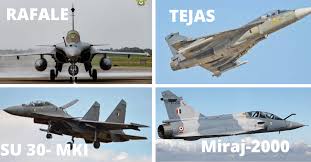
Customisation and Export Modifications. Export variants of fighter aircraft often undergo modifications to meet the specific needs of the purchasing nation. These modifications can increase costs, such as different avionics, weapons compatibility, or structural changes. The Rafale, for example, had many India-specific features, leading to increased costs.

Lifecycle and Maintenance Costs. Beyond the initial acquisition, the total cost of ownership includes maintenance, spare parts, and upgrades over the aircraft’s lifespan. High-maintenance aircraft like the F-22, which require specialised maintenance for stealth coatings, can have significant long-term costs. On the other hand, modular designs and open-system architectures aim to keep maintenance costs lower.

Geopolitical and Strategic Considerations. Strategic alliances and political considerations often influence defence procurement. Countries that purchase fighters from allies may receive discounts or financing assistance as part of broader defence agreements. Conversely, embargoes or restrictions on technology transfers can drive up costs if alternative solutions are required. This underscores the need for foresight and strategic planning in defence procurement.


Trade-Offs in Fighter Acquisition Programs

Managing the intricacies of fighter aircraft procurement is vital to defence planning. Military leaders and policymakers must meticulously weigh performance, cost, operational requirements, and strategic objectives to maximise capabilities while staying within budgetary limits.

Balancing Cost and Performance. Acquiring fighter aircraft requires a delicate balance between cost and capability. While advanced fifth-generation fighters provide unmatched performance, they have high acquisition and operational expenses. More affordable alternatives may lack cutting-edge features but offer viable options for air forces with budget constraints. Governments must determine whether to invest in cutting-edge technology or build a more extensive fleet with slightly reduced capabilities.

Multirole Efficiency vs. Specialised Superiority. Modern fighters like the F-35 and Rafale are designed as multirole platforms capable of handling air-to-air combat, ground attacks, and electronic warfare. This reduces fleet diversity but may lead to trade-offs in specialised missions.  Decision-makers must evaluate whether a single versatile platform meets their operational needs or if specialised aircraft are necessary for optimal effectiveness.

Domestic Production vs. Foreign Procurement. Nations must choose between developing indigenous fighter programs and purchasing aircraft from foreign suppliers. Domestic programs, such as India’s Tejas and South Korea’s KF-21, foster self-reliance but require extensive research and industrial infrastructure investment. In contrast, buying foreign aircraft ensures immediate capability but may create dependency on external suppliers for maintenance and upgrades.

Short-Term Gains vs. Long-Term Development. Some countries prioritise acquiring ready-made fighter jets to achieve immediate operational capability, while others invest in long-term development programs. Purchasing off-the-shelf platforms minimises short-term risks but may lead to obsolescence. On the other hand, long-term investments in projects like the Tempest and NGAD aim to ensure future technological superiority, albeit with higher financial and developmental risks.

Expanding Fleet vs. Cutting-Edge Technology. Budgetary constraints force militaries to choose between maintaining a more extensive fleet of less advanced aircraft or acquiring fewer high-tech fighters. A more comprehensive fleet provides excellent operational coverage, while fewer advanced jets offer superior combat capabilities. Many air forces supplement their expensive stealth fighters with more affordable fourth-generation aircraft to maintain a balance between numbers and technology.

Quantity vs. Capability Trade-offs. Nations must decide between acquiring a limited number of highly advanced fighters or a more extensive fleet of less sophisticated aircraft. For example, the U.S. supplemented its elite F-22 fleet with the more affordable F-35, while countries like China and Russia prioritise quantity to ensure strategic depth. This decision impacts force projection and overall combat effectiveness.


Case Studies

Various nations have adopted different strategies to achieve balance, ensuring operational effectiveness while managing costs.

F-16 Fighting Falcon (USA): Cost-Effective Multirole Performance. The F-16, developed in the 1970s, exemplifies how an affordable fighter can remain relevant through continuous upgrades. Originally designed as a lightweight, cost-effective platform, the F-16 has evolved with advanced avionics, radar, and weapon systems. By leveraging modular upgrades, nations operating the F-16 have extended their service life and capability without incurring the costs of entirely new aircraft programs. Its global success—operated by over 25 countries—demonstrates the financial benefits of export-oriented design.

JAS 39 Gripen (Sweden): Affordability through Smart Design. Sweden’s Saab JAS 39 Gripen was designed with cost efficiency in mind. Unlike competitors, the Gripen integrates an open-architecture system that allows easy upgrades, reducing long-term costs. Its reliance on off-the-shelf components, including an American engine and European avionics, lowers development expenses while maintaining high performance. The Gripen’s ability to operate from austere airfields and use cost-efficient maintenance procedures further enhances affordability. Its export success in countries like Brazil and South Africa has helped distribute costs across multiple buyers.

Eurofighter Typhoon (Europe): Multinational Cost Sharing. The Eurofighter Typhoon demonstrates how multinational collaboration can spread development costs while delivering a high-performance aircraft. Shared investment among Germany, the UK, Italy, and Spain allowed the Typhoon to integrate advanced capabilities while mitigating financial burdens on individual nations. Although initially expensive, its long-term sustainment plan ensures affordability through incremental modernisation.

Chengdu J-10 (China): Indigenous Development with Cost Control. China’s Chengdu J-10 was developed as an affordable, indigenous alternative to foreign fighters. China minimised costs by relying on domestic production and technology transfer from Russian sources while achieving a capable multirole aircraft. Continuous upgrades, including the J-10C variant with AESA radar and advanced avionics, have kept the platform competitive without excessive investment in entirely new designs.

Sukhoi Su-30 (Russia): Adaptability and Cost Efficiency. The Su-30 series is a prime example of how Russia balances affordability with performance. Initially derived from the Su-27, the Su-30 has been continuously upgraded to include advanced avionics, thrust-vectoring engines, and long-range strike capabilities. Its affordability and strong export potential have made it a staple in air forces worldwide, including India, Algeria, and Vietnam.

HAL Tejas (India): Indigenous Fighter Development for Cost-Effectiveness. India’s HAL Tejas was developed to reduce reliance on foreign fighters while maintaining affordability. Designed with modular upgrades in mind, the Tejas has gradually improved with better radar, weapons integration, and avionics. Despite delays in development, its affordability compared to Western counterparts has made it an attractive option for India’s long-term air power strategy.

KAI FA-50 (South Korea): Light Fighter for Affordability and Export Success. South Korea’s KAI FA-50, based on the T-50 trainer, is a cost-effective light fighter designed for domestic and export markets. With modern avionics and weapons compatibility, the FA-50 offers a budget-friendly solution for nations requiring a capable yet affordable jet. Its success in markets like the Philippines and Poland highlights its balance of affordability and capability.


Best Practices for Balancing Affordability and Capability

Balancing affordability and capability in fighter acquisition programs is a complex but essential task for modern air forces. Governments must ensure that their aircraft provide operational effectiveness without exceeding budgetary constraints. The following best practices help achieve this balance.

Lifecycle Cost Management. The total cost of a fighter aircraft extends beyond its initial purchase price. Governments must factor in long-term expenses such as maintenance, upgrades, and eventual disposal. A comprehensive lifecycle cost analysis prevents budget overruns and ensures the financial sustainability of an air force over decades of service.

Continuous Modernisation Strategies. Modern fighter aircraft benefit from modular systems and open architectures that enable incremental upgrades. The F-16 Fighting Falcon, for instance, has remained operational since the 1970s due to continuous improvements in avionics, radar, and weapons. This strategy extends an aircraft’s service life while spreading costs over time, reducing the need for costly replacements.

Leveraging Partnerships. Multinational collaborations in fighter development and production help distribute costs among participating nations. Programs like the F-35 Joint Strike Fighter and the Eurofighter Typhoon demonstrate shared investment’s financial and technological benefits. By pooling resources, nations reduce individual financial burdens while gaining access to cutting-edge technology.

Maximising Multi-Role Capabilities. Multi-role fighters enhance operational flexibility by performing diverse missions within a single platform. The Dassault Rafale exemplifies this approach, excelling in air combat, ground attack, and reconnaissance. Such versatility allows air forces to reduce reliance on multiple aircraft types, simplify logistics, and lower maintenance costs.

Enhancing Export Potential. Designing fighters with exportability in mind helps amortise development costs and lower per-unit expenses. Countries that successfully market their fighter jets internationally can reinvest revenues into further technological advancements, strengthening their domestic defence industry.

Robust Program Management. Effective oversight and clear program objectives are crucial to avoiding cost overruns and scope creep. Strong governance, transparent communication, and disciplined financial management ensure that fighter programs stay within budget while meeting operational requirements. The U.S. Air Force’s Next Generation Air Dominance (NGAD) program has emphasised digital engineering to streamline development and prevent cost escalation.

Embracing Emerging Technologies. Advancements in technology are reshaping how air forces balance affordability and capability. The following innovations are improving cost efficiency while enhancing combat effectiveness.

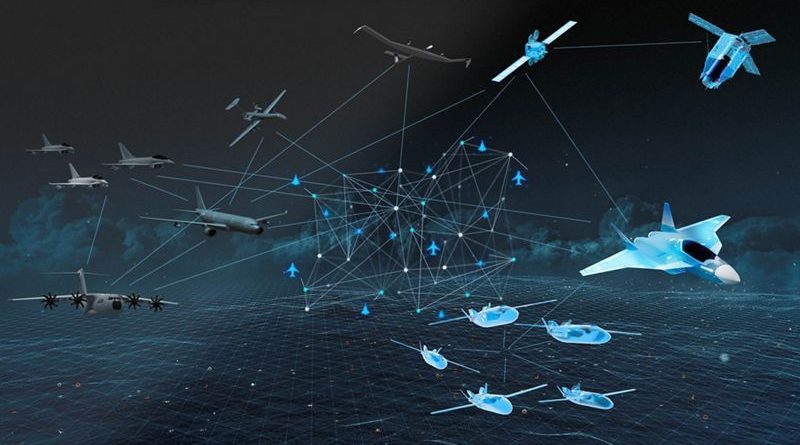
The Role of Unmanned Systems. Unmanned aerial vehicles (UAVs) and “loyal wingman” drones complement traditional fighter jets by undertaking high-risk missions at a lower cost. These systems enhance reconnaissance, electronic warfare, and combat operations, reducing pilot exposure to danger. Programs like the Boeing MQ-28 Ghost Bat highlight the increasing integration of UAVs into modern air combat strategies.

Digital Engineering. Digital twins and model-based systems engineering accelerate fighter development and reduce costs. Digital prototypes allow designers to test and refine aircraft designs in virtual environments before physical production begins.

Additive Manufacturing. 3D printing, or additive manufacturing, streamlines the production of complex aircraft components, reducing material waste and manufacturing time. This technology enables rapid part replacement, minimising downtime and sustainment costs. Fighter manufacturers increasingly use 3D printing to enhance affordability without sacrificing performance.

AI-Driven Warfare. Artificial intelligence (AI) transforms modern fighter capabilities by improving decision-making, enhancing situational awareness, and reducing pilot workload. AI-powered mission planning and adaptive combat algorithms enable greater efficiency and operational effectiveness, potentially lowering training costs and increasing mission success rates.


Conclusion

Balancing affordability and capability in fighter acquisition programs is a complex but essential endeavour. As nations face evolving threats and fiscal constraints, the ability to make strategic trade-offs will determine the effectiveness of their air power. By embracing innovative technologies, fostering international collaboration, and adopting robust program management practices, governments can achieve an optimal balance that ensures operational readiness and financial sustainability. The lessons from past programs and emerging trends guide navigating this challenging landscape.


Please Add Value to the write-up with your views on the subject.


1924
Default rating

Please give a thumbs up if you  like The Post?


For regular updates, please register your email here:-

Subscribe


References and credits

To all the online sites and channels.

Pics Courtesy: Internet

Disclaimer:

Information and data included in the blog are for educational & non-commercial purposes only and have been carefully adapted, excerpted, or edited from reliable and accurate sources. All copyrighted material belongs to respective owners and is provided only for wider dissemination.


References:-

  1. Arena, M. V., Blickstein, I., Younossi, O., & Grammich, C. (2008). Why Has the Cost of Fixed-Wing Aircraft Risen? RAND Corporation.
  1. Lorell, M. A. (2003). Going Global? U.S. Government Policy and the Defence Aerospace Industry. RAND Corporation.
  1. Tirpak, J. A. (2020). “How Much Should a Fighter Cost?” Air Force Magazine.
  1. Trimble, S. (2018). “F-15EX vs. F-35A: The Debate Over Air Superiority Affordability.” FlightGlobal.
  1. Shalal, A. (2021). “Cost vs. Capability: U.S. Air Force Considers Future Fighter Mix.” Reuters.
  1. Majumdar, D. (2017). “Why Stealth Fighters Are So Expensive (And What Can Be Done About It).” The National Interest.
  2. Laird, R. F., & Timperlake, E. (2013). Rebuilding American Military Power in the Pacific: A 21st-Century Strategy. ABC-CLIO.
  1. Heginbotham, E., Nixon, M., Morgan, F. E., Heim, J. L., Hagen, J., & Engstrom, J. (2015). The U.S.-China Military Scorecard: Forces, Geography, and the Evolving Balance of Power, 1996–2017. RAND Corporation.
  1. Sweetman, B. (2014). The F-35 Lightning II: From Concept to Cockpit. Zenith Press.
  1. Johnson, J. M. (2019). The Cost of Air Superiority: The Economics of the F-22 Raptor. Air & Space Power Journal.
  1. European Defence Agency (EDA). (2022). European Combat Aircraft: Multinational Cooperation and Industrial Sustainability.
  1. Congressional Budget Office (CBO). (2020). The Cost of Replacing Today’s Air Force Fleet.
  1. Kausal, V. (2003). Arming the Indian Arsenal: Challenges and Policy Options for India’s Defence Industrialisation. Routledge.

604:TECHNOLOGY HARVESTING BY INDIAN AEROSPACE INDUSTRY: A STRATEGIC IMPERATIVE


My article published on the Indus International Research Foundation website on 19 Feb 25.


The Indian aerospace industry has made significant strides in technology harvesting, particularly in defence, satellite technology, and aircraft development. Key successes include the development of indigenous fighter jets like the HAL Tejas and the successful launch of ISRO satellite missions, such as the Mars Orbiter Mission. These achievements demonstrate the growing capability of India’s aerospace sector in adopting advanced technologies and adapting them to local needs. However, there are notable misses, primarily in producing high-performance engines and strategic aerospace systems, where India still relies heavily on imports. Despite efforts to indigenous technology, challenges like bureaucratic inefficiencies, limited R&D funding, and a lack of skilled workforce hinder complete technological independence. The industry must address these gaps through improved collaboration, investment in cutting-edge research, and focused policy support to achieve self-reliance and compete globally in the aerospace sector.


Technology Harvesting: The Process.


Technology harvesting refers to acquiring, utilising, and leveraging existing or newly developed technologies to achieve strategic goals, enhance innovation, or create value. This practice can involve various methods, such as sourcing new technologies, adapting existing ones, commercialising them, or repurposing them for different industries or applications. Technology harvesting often aims to advance an organisation’s capabilities, improve productivity, maintain a competitive edge, or create new products and services. It can involve the following:-


    • Identifying valuable technologies. Finding technologies that can benefit a company’s growth or strategic advantage.
    • Acquiring technologies. Through means like acquisitions, licensing, or partnerships.
    • Commercialising or adapting technologies. Transforming acquired technologies into profitable products, services, or processes.
    • Maximising the utility of available technologies. Making the most of existing technological assets by integrating them into new contexts or markets.


Ways and Means. Numerous methods help businesses and organisations stay competitive by quickly accessing and implementing new technologies. Some of these are:-


    • Internal Research and Development (R&D). Companies and organisations invest in R&D to develop new technologies that can give them a competitive edge. This can be through in-house teams or dedicated innovation labs.
    • Collaborative Research and Development (R&D). Partnerships between universities, research institutes, and businesses allow for technology sharing and joint development, which can expedite innovation.
    • Buying Start-ups: Larger companies often acquire smaller tech start-ups that have developed innovative technologies. This enables quick access to cutting-edge tech and talent.
    • Technology Transfer. Institutions like universities often transfer their research outputs to private companies that can commercialise the technology. This is facilitated through licensing agreements.
    • Technology Licensing. Companies or individuals who hold patents on specific technologies can license them to other firms for a fee or a royalty agreement.
    • Patent Pools. Multiple organisations might collaborate and share patents or licenses to reduce barriers and avoid litigation, accelerating technology adoption.
    • Open-source software. Companies or individuals contribute to open-source projects, allowing others to use, modify, and build upon the technology freely. This can lead to rapid advancement and broader adoption.
    • Open Innovation. Engaging external parties in solving technological challenges, including crowdsourcing solutions and using external ideas and inventions to advance a product or service.
    • Tech Incubators. These programs support early-stage start-ups by providing resources like mentorship, capital, and networking opportunities to help turn nascent technologies into viable businesses.
    • Accelerators. Accelerators are similar to incubators but focus on scaling and rapidly bringing technologies to market. These programs often have a more structured approach.
    • Joint Ventures. Companies often form joint ventures to combine resources and technologies, enabling both parties to leverage each other’s expertise.
    • Industry Collaborations. Corporations in the same industry may collaborate to develop shared technologies that benefit all parties involved.
    • Product Disassembly. Some organisations or individuals harvest technology by disassembling a competitor’s product to understand its design and function. While legally risky, this can provide insights into innovation.
    • Crowdfunding Platforms. Companies and inventors can raise funds to bring their technologies to market by directly engaging with the public. Popular platforms like Kickstarter or Indiegogo can help gauge market interest.
    • Crowdsourcing Ideas. Platforms like InnoCentive allow companies to post problems and offer rewards for solutions, enabling the harvesting of global ideas and innovations.
    • Scanning for Emerging Tech. Firms often employ technology scouts to search for new technologies that could be adopted, licensed, or acquired. This involves monitoring patent filings, academic publications, and industry trends.
    • Subsidies and Funding. Governments often provide grants and funding to develop or commercialise new technologies, particularly in fields like green energy, biotechnology, or defence.
    • Public-Private Partnerships. Governments may partner with the private sector to develop key technologies and infrastructure projects.


Indian Aerospace Industry and Technology Harvesting


The Indian aerospace industry has undergone a significant transformation in recent decades, shifting from a sector heavily reliant on imports to one that is making substantial progress in indigenous development. This evolution has been primarily driven by government initiatives, defence collaborations, foreign investments, and, most notably, technology harvesting.


Evolution of the Indian Aerospace Industry. The foundation of India’s aerospace industry was laid in the early 1940s with the establishment of Hindustan Aircraft Limited (now Hindustan Aeronautics Limited, HAL). Over the years, the Indian government, through organisations such as DRDO (Defence Research and Development Organisation), ISRO (Indian Space Research Organisation), and private-sector initiatives, has fostered aerospace capabilities. Despite significant progress, India still relies heavily on imported technology, particularly in critical areas such as jet engines, avionics, and stealth technology.


Technology Harvesting in the Indian Aerospace Industry. Technology harvesting has played a crucial role in advancing India’s aerospace capabilities. The country employs multiple strategies to acquire and integrate advanced technology, including technology transfer agreements, joint ventures, back engineering, and indigenous R&D.


    • Technology Transfer. India has effectively utilised offsets and technology transfer agreements in defence procurement deals as a key strategy for technology harvesting. These agreements, which mandate foreign firms to invest a portion of the contract value in India’s defence sector, have fostered local expertise and infrastructure development. For instance, the Rafale Deal with Dassault Aviation, France, involves the transfer of advanced radar, avionics, and composite material manufacturing techniques to Indian firms. Similarly, India’s partnerships with Boeing and Lockheed Martin have led to the domestic manufacturing of C-130J Super Hercules airframes and Apache attack helicopter components.
    • Joint Ventures. The Indian government has encouraged joint ventures between domestic and foreign companies to accelerate technology harvesting. These partnerships allow Indian firms to access cutting-edge aerospace technology while contributing to global supply chains. Notable joint ventures include Tata Advanced Systems and Lockheed Martin for manufacturing C-130J Super Hercules airframes in India, Adani and Elbit Systems (Israel) for UAV production under the “Make in India” initiative, and L&T and ISRO Collaboration for developing reusable launch vehicles and space technologies.
    • Indigenous Aerospace Programs and Achievements. Technology harvesting has significantly influenced India’s ability to develop indigenous aerospace programs. The success of these programs is a testament to India’s growing self-reliance in the sector.


Successes


India’s aerospace industry has made significant strides in technology development over the past few decades, particularly in indigenous aircraft production, space exploration, and defence technology. Here’s a look at its notable successes and challenges.


Indigenous Aircraft Development. One of the achievements is the development of the HAL Tejas, a fourth-generation multi-role light combat aircraft.  The Tejas has proven successful in designing, engineering, and integrating advanced systems, though it still faces some challenges related to production timelines and numbers.


Space Technology. ISRO (Indian Space Research Organisation) has shown significant technological advances, especially in satellite technology and space exploration. India’s Mars Orbiter Mission (Mangalyaan) and Chandrayaan missions to the Moon were notable successes, signalling India’s growing expertise in space missions.


GSLV & PSLV Rockets. India has developed reliable launch vehicles, particularly the Polar Satellite Launch Vehicle (PSLV), making India one of the leading providers of commercial satellite launches globally. The Geosynchronous Satellite Launch Vehicle (GSLV) has been crucial for launching heavier payloads, demonstrating a significant leap in India’s rocket development.


Missile Technology. India’s missile technology, mainly through the Agni and Prithvi series, has significantly succeeded in strategic and tactical weapons. The BrahMos, a joint venture with Russia, is among the world’s fastest cruise missiles and showcases India’s ability to partner internationally while developing cutting-edge technology.


Hypersonic and Space Technologies. India is making strides in hypersonic technology, a critical frontier in aerospace innovation. The Hypersonic Technology Demonstrator Vehicle (HSTDV), developed by DRDO, is a significant step toward mastering scramjet propulsion for future hypersonic missiles and aircraft.


Challenges.


Delays in Aircraft Production. While successful, the HAL Tejas program has faced significant delays. Initially expected to enter service in the late 1990s, the Tejas project has been plagued by issues related to engine integration, production delays, and insufficient numbers for the Indian Air Force (IAF).


Missed Opportunities in Commercial Aircraft Manufacturing. India has failed to develop a competitive indigenous commercial aircraft. The RTA-70 was initially conceived as a regional aircraft but has not progressed beyond the conceptual stages. HAL’s failure to enter the commercial aircraft market has kept India from tapping into a potentially lucrative market, especially with rising demand for air travel in Asia.


Reliance on Foreign Technology. While India has made strides in many defence technologies, it remains heavily dependent on foreign technology for critical components, such as aircraft engines, avionics, and radar systems. The Kaveri engine, developed for the Tejas, faced performance issues, leading to continued reliance on foreign suppliers like GE Aviation for the Tejas’ engine. Similarly, radar and electronic warfare systems are often imported.


Slower Transition to 5th Generation Aircraft. India’s pursuit of a fifth-generation aircraft, specifically the AMCA (Advanced Medium Combat Aircraft), has been slow. While it is an ambitious project, it faces development timelines and funding challenges. Additionally, India’s slow progress in stealth technology has led to delays compared to countries like China and Russia, which are already advancing.


Challenges in Commercial Space. While ISRO has achieved remarkable success in government and scientific space exploration, it has not yet fully capitalised on the commercial space sector. Although India has been a competitive player in satellite launches, it faces stiff competition from U.S. and European private companies. The growth of private space players like SpaceX has overshadowed ISRO’s commercial potential in the global space race.


Way Ahead

The way ahead for technology harvesting by the Indian aerospace industry lies in a multi-pronged approach, focusing on leveraging global innovations, fostering indigenous capabilities, and enhancing collaboration between government, private sector, and academia. India has historically depended on technology imports to meet the demands of its aerospace sector. Still, with growing aspirations for self-reliance, the industry is actively working on increasing its technological base. A significant step in this direction is the Indian government’s push for the “Atmanirbhar Bharat” (Self-reliant India) initiative, which encourages domestic manufacturing and innovation.


Key areas for technology harvesting include advanced materials, propulsion systems, avionics, and unmanned aerial vehicles (UAVs). Collaboration with global aerospace leaders and partnerships with foreign entities through joint ventures and knowledge exchange programs will enable the Indian aerospace sector to integrate cutting-edge technologies. The private sector’s growing role, exemplified by companies like Tata Advanced Systems and Reliance Aerospace, is crucial in driving innovation and attracting foreign direct investment. These companies are now working to develop advanced systems and technologies that could be exported globally. Additionally, academia and research institutions like the Indian Space Research Organisation (ISRO) and the Defence Research and Development Organisation (DRDO) play a pivotal role in fostering research and development in key areas such as avionics, artificial intelligence, and machine learning, which are rapidly transforming the aerospace sector.


Conclusion.

The Indian aerospace industry is on a transformative path, leveraging technology harvesting to bridge the gap between domestic capabilities and global standards. Through strategic partnerships, reverse engineering and indigenous R&D, India is steadily reducing its reliance on foreign suppliers. The success of projects like Tejas, AMCA, and hypersonic weapons development showcases India’s ability to absorb and innovate upon harvested technology. Further investments in jet engine technology, stealth aircraft, and AI-driven aerospace solutions will be key to solidifying India’s global power position. By strengthening its ecosystem through private sector participation and continued technology absorption, India is poised to achieve genuine self-reliance in aerospace and defence.


Please Do Comment.


1924
Default rating

Please give a thumbs up if you  like The Post?


Link to the article on the website:-

Technology Harvesting by Indian Aerospace Industry: A Strategic Imperative (by Air Marshal Anil Khosla)


For regular updates, please register your email here:-

Subscribe


References and credits

To all the online sites and channels.

Pic: Courtesy Net.

References:-

  1. “India’s Aerospace Industry: The Path Forward” (2021), by Aerospace and Defence Manufacturing Association of India (ADMA).
  1. “Atmanirbhar Bharat and the Indian Aerospace Industry” (2020), Ministry of Defence, Government of India.
  1. “The Indian Space Programme: An Overview” (2018), Indian Space Research Organisation (ISRO).
  1. Subramanian, K., & Iyer, R. (2022). “Technological Developments in India’s Aerospace and Defence Sector: Opportunities and Challenges.” International Journal of Aerospace Engineering, 35(4), 567-589.
  1. Sharma, S., & Dinesh, P. (2021). “The Role of Private Sector in Advancing Aerospace Technologies in India.” Asian Journal of Aerospace Technology, 27(2), 123-139.
  1. Aggarwal, M., & Kumar, A. (2020). “Defence Technology Development in India: The Next Frontier in Aerospace.” Journal of Defence Technology, 8(3), 220-233.
  1. “National Aerospace and Defence Policy Framework” (2019), Government of India.
  1. “Make in India: Aerospace and Defence” (2017), Department of Defence Production, Ministry of Defence, Government of India.
  1. “Aerospace & Defence Industry in India: An Overview” (2021), KPMG India.
  2. “Global Aerospace Outlook 2020” (2020), PwC India.
  1. “Indian Aerospace Industry: Key Trends and Future Potential” (2022), Ernst & Young India.
  1. “India’s Aerospace and Defence Sector is Taking Off” (2022), Economic Times.
  1. “How India’s Aircraft Manufacturers are Making Their Mark” (2021), The Hindustan Times.
  1. “Private Players Taking the Lead in India’s Aerospace Growth” (2020), Business Standard.

Disclaimer:

Information and data included in the blog are for educational & non-commercial purposes only and have been carefully adapted, excerpted, or edited from reliable and accurate sources. All copyrighted material belongs to respective owners and is provided only for wider dissemination.

599: F-35 OFFER


Video bytes on the issue of F-35 US offer to India


  1. F-35 Offer and the Indian need.


2. F-35 Capabilities and Comparison in brief.


3. Strategic and Contractual Aspects.


Please Do Comment.

1924
Default rating

Please give a thumbs up if you  like The Post?


For regular updates, please register your email here:-

Subscribe


References and credits

To all the online sites and channels.


Disclaimer:

Information and data included in the blog are for educational & non-commercial purposes only and have been carefully adapted, excerpted, or edited from reliable and accurate sources. All copyrighted material belongs to respective owners and is provided only for wider dissemination.


English हिंदी