514: CONFLICTS, MILITARY SPENDING & ARMS TRANSFERS


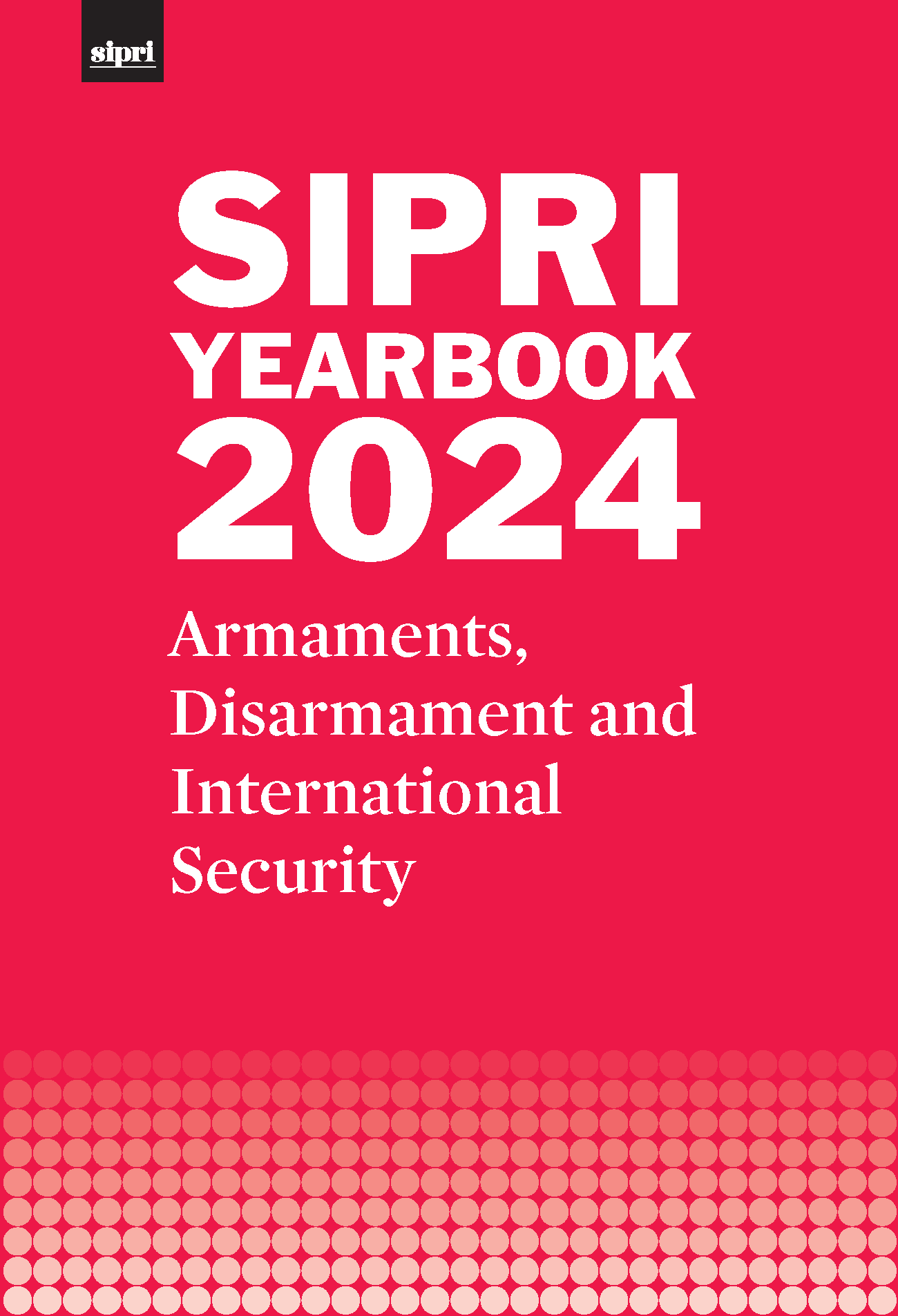
The Stockholm International Peace Research Institute (SIPRI) launched its Yearbook 2024 on 17 June. The yearbook contains the annual assessment of the state of armaments, disarmament, and international security.


Summarised excerpts from the yearbook:-


Conflict Trends


Although the number of states experiencing armed conflicts fell from 55 in 2022 to 52 in 2023, the estimated number of conflict-related fatalities worldwide rose from 153,100 in 2022 to 170,700 in 2023, reaching the highest level since 2019.


In 2023, four conflicts were categorised as major armed conflicts (i.e. conflicts involving 10,000 or more conflict related fatalities in the year), one more than in 2022: the civil wars in Myanmar and Sudan, and the Israel–Hamas and Russia–Ukraine wars.


The number of high intensity armed conflicts (i.e. conflicts involving 1000–9999 conflict related fatalities) also increased, from 17 in 2022 to 20 in 2023.


The Russia–Ukraine war continued throughout 2023 at a high cost to both sides. Russian air attacks continued, and Ukraine began to reply in kind, although not on the same scale. Both sides sought and received ammunition and weapons from their allies. There were no formal Russian–Ukrainian peace talks during the year, and the one noteworthy diplomatic success—the 2022 Black Sea Grain Initiative—unravelled in 2023.


In contrast to the stalemate in Ukraine, in September 2023, Azerbaijan secured a decisive victory in its long running conflict with Armenia over Nagorno-Karabakh.


High intensity armed conflicts continued in Iraq, Syria and Yemen throughout the year.


Israel responded to the events of 7 October (the killing of over 1000 civilians and more than 350 Israeli soldiers and police, and the capture of around 240 hostages) by declaring a state of war for the first time since 1973. By the end of the year, more than 22,000 Palestinians had been killed in the ensuing air strikes or ground operations by Israel. Houthi forces in Yemen, claiming support for the Palestinians, started to attack commercial shipping in the Red Sea, prompting Western powers to dispatch warships to the area to address the threat.


Sub­Saharan Africa remained the region with the most armed conflicts, although many were low intensity conflicts (involving fewer than 1000 conflict-related fatalities), and levels of violence fluctuated considerably. There were decreases in conflict related fatalities in several countries experiencing high intensity armed conflict, including the Democratic Republic of the Congo, Ethiopia, Nigeria and South Sudan. However, there were notable increases in conflict­related fatality rates elsewhere, including in Sudan (+537 per cent compared with 2022), Burkina Faso (+100 per cent) and Somalia (+28 per cent).


The fighting that erupted in Sudan on 15 April 2023 between forces led by rival military generals triggered a humanitarian crisis and resulted in an all-out civil war.


In the Sahel, a coup in Niger and a decision by Mali to expel United Nations peacekeepers added to regional tensions.


The Americas is the only region not to have had a major armed conflict in 2018–23. The two countries in the region with the highest number of conflict­related fatalities—Brazil and Mexico—primarily faced criminal rather than political violence in 2023. Criminal gang related violence also escalated significantly in Haiti during the year.


Despite the ongoing civil war in Myanmar, the overall conflict­related fatality rate for Asia and Oceania more than halved between 2021 and 2023. This was partly due to a continuing decline in conflict­related fatalities in Afghanistan following the return to power of the Taliban in 2021.


Military Spending


Estimated global military expenditure rose for the ninth consecutive year in 2023, surpassing $2.4 trillion, driven by the Russia–Ukraine war and broader geopolitical tensions.


The 6.8 per cent increase in total military spending in 2023 was the largest rise since 2009, pushing estimated world spending to the highest recorded level.


As a result, the global military burden {world military expenditure as a share of world gross domestic product (GDP)} rose to 2.3 percent.


Governments allocated 6.9 per cent of their budgets to the military or $306 per person.


Estimated military spending increased across all five geographical regions for the first time since 2009.


Spending by African countries rose the most (by 22 percent in 2023), while the smallest increase was in the Americas (2.2 percent).


The United States remained by far the largest military spender in the world. Its $916 billion expenditure was more than the combined spending of the nine other countries among the top 10 spenders and 3.1 times as large as that of the second biggest spender, China.


The trend for increased military spending by European states in response to Russia’s full scale invasion of Ukraine gained traction in 2023. 39 of the 43 countries in Europe increased military spending. The 16 per cent surge in total European expenditures was driven by a 51 per cent rise in Ukrainian spending and a 24 per cent rise in Russian spending, as well as by 10 of the 28 European members of the North Atlantic Treaty Organization (NATO) reaching or surpassing the 2 per cent of GDP spending target in 2023.


Estimated military expenditures in Asia and Oceania rose for the 34th consecutive year. Half of the regional total consisted of spending by China, which grew by 6.0 per cent to reach $296 billion in 2023. China’s spending influenced spending decisions in neighbouring countries and the broader region: in Japan, for example, spending rose by 11 per cent, the largest year­-on-­year spending increase since 1972.


Estimated military spending in the Middle East grew by 9.0 per cent in 2023, with increases in all three of the biggest spenders in the region: Saudi Arabia, Israel and Turkiye. The Israel–Hamas war was the main driver for the 24 per cent increase in Israel’s military expenditure.


Arms Transfer


Suppliers of Major Arms


In 2019–23, 66 states exported arms, but most were minor exporters. The 25 largest suppliers accounted for 98 per cent of the total volume of exports, and the top five (the United States, France, Russia, China, and Germany) accounted for 75 per cent.


The USA’s share of global exports has increased in recent years while Russia’s share has decreased. In 2019–23, the USA’s arms exports were 17 percent higher than in 2014–18, and its share of the global total increased from 34 to 42 percent. In contrast, Russia’s arms exports decreased by 53 per cent, and its share of the global total dropped from 21 to 11 per cent.


France’s exports rose by 47 percent between 2014–18 and 2019–23, making it the second largest exporter of major arms in 2019–23.


Known plans for future deliveries of major arms strongly indicate that the USA will remain unchallenged as the largest arms exporter in the coming years and that France will consolidate its position in second place. They also indicate that Russia’s arms exports may reduce even further, while some of the other current top 10 exporters are likely to remain steady or increase.


Recipients of Major Arms


In 2019–23, 170 states imported arms. The five largest importers were India, Saudi Arabia, Qatar, Ukraine, and Pakistan, accounting for 35 percent of total arms imports.


Asia and Oceania received the largest volumes of major arms in 2019–23, accounting for 37 percent of the total, followed by the Middle East (30 percent), Europe (21 percent), the Americas (5.7 percent), and Africa (4.3 percent).


Between 2014–18 and 2019–23, the flow of arms to Europe increased by 94 per cent, while flows to all other geographical regions decreased: Africa (−52 per cent), Asia and Oceania (−12 per cent), the Middle East (−12 per cent) and the Americas (−7.2 per cent).


Many of the 170 importers are directly involved in armed conflict or in tensions with other states where the imported major arms play an important role.


Moreover, many exporters are direct stakeholders or participants in at least some of these conflicts and tensions, which partly explains why they are willing to supply arms, even when the supply seems to contradict their stated arms export policies. It is also noteworthy that, for most suppliers, arms exports are only a small part of the financial value of their total exports.


Stockholm International Peace Research Institute (SIPRI)


The Stockholm International Peace Research Institute (SIPRI) is an independent, international think tank based in Stockholm that provides research, data, and analysis on arms control, disarmament, military expenditure, and armed conflict. It was founded in 1966 by Alva Myrdal and Tage Erlander. SIPRI’s work is intended to help researchers, policymakers, and the public understand the state of the arms industry and the preconditions for a stable peace. 


SIPRI’s work is based on open sources and includes:


  • Databases. SIPRI’s Arms transfers, Arms industry, and Military expenditure databases provide data on nearly every country in the world.


  • Documents. SIPRI provides documents on arms embargoes since the 1950s and national reports on arms export controls.


  • Analysis. SIPRI researchers analyse the data to identify trends and potential impacts on global security. 


Suggestions and value additions are most welcome.


1943
Default rating

Please give a thumbs up if you  like The Post?


For regular updates, please register here:-

Subscribe


References and credits

To all the online sites and channels.


Disclaimer:

Information and data included in the blog are for educational & non-commercial purposes only and have been carefully adapted, excerpted, or edited from reliable and accurate sources. All copyrighted material belongs to respective owners and is provided only for wider dissemination.
 

513: EXAMINING THE EXAMINATION SYSTEM IN INDIA


My Article published on the Indus International Research Foundation (IIRF) website on 03 Oct 24.


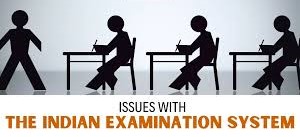
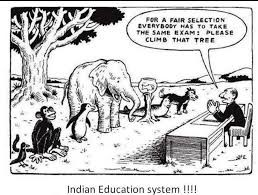
The recent controversies surrounding UPSC (Union Public Service Commission) and NEET (National Eligibility cum Entrance Test) have thrust the examination system of India into the spotlight. These exams, which serve as gateways to prestigious public service and medical education, are under scrutiny for exam malpractices, accessibility, language barriers, and mental health impacts on candidates. The need for immediate policy improvements in conducting examinations in India is paramount to maintaining transparency, fairness, and efficiency.


Controversies


Recent Controversy: NEET. The recent controversy surrounding the NEET 2024 results has sparked significant concern among medical aspirants and the general public. The controversy primarily revolves around unusually high scores and allegations of discrepancies in the examination process. This year, an exceptionally high number of students (67) achieved a perfect score of 720/720, leading to multiple students sharing the top rank. There were also concerns about candidates scoring 718 and 719, which some considered implausible under the exam’s marking scheme. The National Testing Agency (NTA) attributed these high scores to revisions in the answer key and compensatory marks awarded for loss of time during the examination. The NTA formed a committee to address grievances related to time loss at certain exam centers. This resulted in 1,563 candidates receiving compensatory marks ranging from -20 to 720. Two candidates scored 718 and 719 due to these adjustments. There were also allegations of paper leaks and inflated cut-offs. Despite these accusations, the NTA maintained that the integrity of the examination was not compromised and denied any instances of a paper leak. They also clarified that the high number of top scorers was partly due to changes in the NCERT textbooks, which affected the answer key. The controversy has led to petitions in multiple high courts and widespread calls for re-evaluating or re-examining NEET 2024.


Recent Controversy: UPSC. Two recent controversies have surrounded the Union Public Service Commission (UPSC) in 2024.   The first one regards fraudulent enrolment. The UPSC filed a case against a probationary IAS officer for allegedly forging disability certificates and using multiple identities to clear the civil services exam. Reportedly, an investigation revealed that she had manipulated personal details like name and photographs to avail of attempts beyond the permissible limit. The UPSC initiated action to cancel her candidature and filed an FIR with police authorities. The second one relates to the issue of lateral entry into civil services. The government asked the UPSC to withdraw its August 2024 advertisement for lateral entry posts due to concerns over the lack of adherence to reservation norms. The controversy revolves around allegations that the lateral entry process did not follow proper constitutional guidelines, particularly regarding reservations for marginalised communities. The issue has sparked a debate over the transparency and fairness of these recruitment practices.


Hyderabad NEET Scam (2023). This refers to a case of fraudulent activities and cheating, wherein some candidates used impersonators to appear for the exam. There were reports of using electronic devices like Bluetooth earphones and micro-cameras to communicate with outsiders who provided the answers. The police arrested several people, including candidates, their parents, and those running the operation. Investigations revealed that significant sums of money were exchanged to facilitate these fraudulent activities. This scam raised concerns about the integrity of the examination process, prompting authorities to reassess security measures and the validity of the results. It also led to a broader debate on preventing such malpractices in highly competitive exams like NEET.


These incidents have brought to light the vulnerabilities in the examination system and underscore the need for stricter security protocols. These protocols are crucial to maintaining the fairness and integrity of such important competitive exams, and their implementation is a key step towards improving the examination system in India.


Key Issues and Concerns


Malpractices and Cheating. These and other state-level and central exams are plagued with technological malpractices, cheating, impersonation, and exam paper leaks. Even digital tools such as AI-based cheating devices are being used, making traditional monitoring methods inadequate.


Exam Structure and Syllabus Overload. The UPSC exam’s extensive syllabus and multiple stages (Prelims, Mains, and Interview) present challenges regarding preparation time, which often spans over 2-3 years. NEET aspirants have criticised the heavily theoretical syllabus, arguing that it does not align well with the practical skills required in medical training.


Accessibility and Inclusivity. The criticism of UPSC and NEET examinations for being heavily skewed towards urban English-speaking candidates, thereby marginalising students from rural and non-English speaking backgrounds, underscores the need for inclusivity in the examination system. Overcoming the language barrier for NEET in regional areas, where students have difficulty understanding medical terminologies in their native languages, is a crucial step towards providing equal opportunities for all candidates.


Reservation and Quota Policies. Recent debates around reservation policies, particularly for NEET, have created further tension. Controversies over OBC, EWS, and state quotas have sparked legal and social debates. The merit vs. reservation debate continues to be a contentious issue.


Mental Health and High Stakes Pressure. These exams are highly competitive, with lakhs of aspirants competing for a limited number of seats or positions, leading to significant mental health stress and, in some tragic cases, suicides, especially among NEET aspirants. The high failure rates in these exams exacerbate stress, mainly because many aspirants invest years in preparation, only to face disappointment.


Recommendations for Improvement


Technology Solutions for Technology Malpractices. Incorporating AI-based proctoring systems, blockchain technology for securing question papers, and advanced biometric verification can mitigate the risk of exam fraud and impersonation. Exams can adopt digital forensics tools that monitor suspicious behaviour, unusual answer patterns, or high-speed internet access during examinations.


Decentralisation and Multiple Examination Windows. Conducting exams like NEET and UPSC at multiple windows throughout the year would reduce the burden of a single high-stakes examination and provide aspirants with more opportunities. This approach has been successfully implemented in exams like GRE and GMAT, which allow candidates flexibility and time to recover from and deal with failures.


Innovative Exam Formats. Introducing continuous assessment models or competency-based evaluations would shift focus away from a single high-stakes exam. In medical entrance exams, practical aptitude and problem-solving skills should play a bigger role. For UPSC, reforming the personality test (interview) to a more skills-oriented evaluation rather than subjective judgment would enhance the fairness of the selection process.


Regional Language Inclusion and Support. Expanding language options with robust translation services is crucial to making exams like NEET more inclusive. Additionally, ensuring medical terminologies are standardised across languages can help students from rural backgrounds perform better. Similarly, UPSC exams should provide high-quality material in regional languages, ensuring parity regarding preparation resources.


Syllabus Reforms. For UPSC, a syllabus revision committee should be established to periodically assess whether the content and structure align with the skills required in public service today. NEET should focus on balancing theoretical knowledge and practical skills, emphasising clinical reasoning and real-world medical scenarios rather than rote memorisation.


Better and Equal Opportunities. Policy improvements should address the urban-rural divide in access to quality coaching. Government-sponsored or subsidised coaching centers should be established for NEET and UPSC aspirants, especially in rural and underprivileged regions. Expanding the reach of digital education platforms (with government support) for nationwide aspirants would democratise exam preparation and offer a more level playing field.


Maintaining the Balance. A clear and consistent approach to quota and reservation policies should be maintained to ensure that neither merit nor social justice is compromised. This could include affirmative action support programs that offer extra coaching or preparatory resources to underprivileged candidates rather than a simplistic quota system. Conduct public consultations with stakeholders (aspirants, teachers, and policymakers) to refine the implementation of reservations, especially for NEET, where rural students face challenges in competitive environments.


Exam Transparency and Post-Examination Review. Establishing review committees and ensuring the public release of detailed exam performance metrics, cut-offs, and candidate reviews (for both NEET and UPSC) would increase transparency. Introducing a grievance redressal mechanism for candidates to appeal against examination issues (errors in question papers, disputes over answer keys) would ensure fair processes and reduce legal challenges.


Mental Health Support and Counselling. Policy frameworks must prioritise mental health initiatives for students preparing for these high-stakes exams. Counselling services, stress management workshops, and mental health helplines should be integrated into examination preparation processes. Mandating institutions to offer psychological support services to aspirants preparing for prolonged periods would prevent mental health crises.


Conclusion


Reforming the policies surrounding the conduct of NEET and UPSC examinations requires a holistic approach, balancing technological advancements, mental health awareness, inclusivity, and transparency. With improved security mechanisms, mental health support, and greater language and rural access inclusivity, these exams can better serve India’s diverse and dynamic aspirant population. Ensuring fair and equitable opportunities, especially for underrepresented communities, will enhance the legitimacy and efficiency of these highly competitive examinations.


Link to the article on website:-

Examining the Examination System in India – by Air Marshal Anil Khosla


Suggestions and value additions are most welcome.

1943
Default rating

Please give a thumbs up if you  like The Post?


For regular updates, please register your email here:-

Subscribe


References and credits

To all the online sites and channels.


Disclaimer:

Information and data included in the blog are for educational & non-commercial purposes only and have been carefully adapted, excerpted, or edited from reliable and accurate sources. All copyrighted material belongs to respective owners and is provided only for wider dissemination.
 

512: PEACE AND SECURITY IN SOUTH ASIA: BANGLADESH AND MYANMAR


My Article published on IIRF (Indus International Research Foundation) site


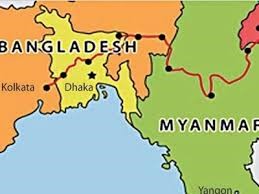
South Asia is one of the world’s most populous and geopolitically significant regions. A complex web of ethnic, religious, political, and territorial disputes makes maintaining peace and security in the region a big challenge. Bangladesh and Myanmar, two key countries in this region, face specific regional stability challenges. These include ethnic conflicts, refugee crises, political instability, and militant threats. Both nations’ security dynamics also have wider implications for neighbouring countries, especially India, China, and Southeast Asia.


Critical Issues


Ethnic Conflicts and the Rohingya Crisis. Myanmar’s Rohingya Crisis has been one of the most significant security challenges in recent years. The Rohingya Muslim minority in Myanmar’s Rakhine State has faced decades of persecution, which culminated in a military crackdown in 2017 that was widely condemned as ethnic cleansing. Over 700,000 Rohingya fled to neighbouring Bangladesh, creating one of the largest refugee crises in recent history. Bangladesh provided temporary refuge in the Cox’s Bazar area. The strain on its resources, coupled with fears of radicalisation and the Rohingya population’s vulnerability, raised concerns over the long-term security and stability of the region. The inability to repatriate the Rohingya to Myanmar due to Myanmar’s refusal to guarantee safety, citizenship, or basic rights continues to fuel tensions.


Myanmar’s Political Instability and Civil War. Myanmar’s political situation worsened after the military coup in February 2021, which ousted the civilian government led by Aung San Suu Kyi and re-imposed military rule. The coup triggered widespread civil disobedience movements, violent military crackdowns, and growing armed resistance by ethnic militias and the newly formed People’s Defense Forces (PDF). The country is now in the grips of a low-intensity civil war, where several ethnic armed groups (Kachin, Karen, Shan, etc.) have intensified their fight for autonomy. The instability in Myanmar has made it a hotspot for human rights violations, arms smuggling, and cross-border tensions. The situation has created refugee flows into neighbouring countries, particularly Thailand and India, and has raised fears that Myanmar could become a haven for terrorist networks and drug trafficking.


Islamic Extremism and Terrorist Threats. Bangladesh has faced sporadic issues with Islamic extremism, with groups like Jamaat-ul-Mujahideen Bangladesh (JMB) and other more minor factions trying to radicalise youths. These groups have been responsible for attacks on secularists, bloggers, and foreigners, raising concerns about the growth of extremism in a relatively moderate Muslim-majority country. Although the Bangladeshi government had taken steps to curb militancy, the risk of radicalisation within specific sectors of society, particularly in refugee camps (housing the Rohingya), poses a long-term threat to regional security.


Border Management and Illegal Activities. Bangladesh-Myanmar border areas have been hotspots for illegal activities, including arms trafficking, human trafficking, and drug smuggling. The porous borders and the lack of effective governance in these areas complicate efforts to maintain peace and security. The spread of narcotics such as methamphetamines from Myanmar into Bangladesh and other neighbouring countries has become a severe issue, contributing to organised crime and funding insurgent groups.


Geopolitical Competition and Influence. South Asia is an arena for geopolitical competition between major powers like China, India, and the United States. All of these powers have interests in maintaining stability in the region but also pursue policies driven by strategic competition. China’s growing influence in Bangladesh and Myanmar complicates regional dynamics. Myanmar’s military regime has long had close ties with China, which provides diplomatic support and economic investments. Meanwhile, Bangladesh has also seen increased Chinese investment, primarily through the Belt and Road Initiative (BRI). India, which has historical and strategic ties with Bangladesh and shares a long border with both countries, seeks to counterbalance Chinese influence. India supports the return of democracy in Myanmar, but its ability to directly influence the political outcomes in either country remains limited. The United States has also increased its attention on South Asia as part of its Indo-Pacific strategy, which aims to contain China and promote democratic governance. Washington has imposed sanctions on Myanmar’s military leaders post-coup, but it is also seeking to strengthen ties with Bangladesh, particularly in areas of security cooperation and economic development.


Enhancing Peace and Security


Regional Cooperation and Multilateral Engagement. Addressing the interconnected security challenges in Bangladesh and Myanmar requires robust regional cooperation. Organisations like SAARC (South Asian Association for Regional Cooperation) and ASEAN (Association of Southeast Asian Nations) can play a role in conflict resolution, refugee management, and addressing cross-border threats such as terrorism and trafficking. ASEAN, of which Myanmar is a member, has struggled to mediate the crisis post-coup. However, ASEAN’s efforts to establish dialogue with Myanmar’s military and other stakeholders must be enhanced to prevent the country’s further isolation and encourage a peaceful resolution. Bangladesh can benefit from broader multilateral forums like BIMSTEC (Bay of Bengal Initiative for Multi-Sectoral Technical and Economic Cooperation), which includes Myanmar, to promote economic cooperation and discuss transnational security threats.


Resolving the Rohingya Crisis. The Rohingya refugee crisis is central to the peace and security dynamics between Bangladesh and Myanmar. Bangladesh’s diplomatic efforts to resolve the crisis should focus on resolving the issue through the United Nations, ASEAN, and bilateral talks with Myanmar. More significant international pressure on Myanmar is needed to ensure a safe and dignified repatriation process for the Rohingya. However, this will require Myanmar’s willingness to provide citizenship rights and security guarantees.


Combating Extremism and Transnational Terrorism. Bangladesh must continue its successful counter-terrorism initiatives, such as intelligence sharing, policing reform, and de-radicalisation programs, to mitigate the threat of extremism. Regional cooperation on counter-terrorism between Bangladesh, Myanmar, India, and other neighbouring states is crucial, especially in curbing cross-border terrorist movements and dismantling terrorist financing networks.


Political Stability and Democratic Transitions. Supporting democratic transitions in Myanmar is critical to long-term stability. Diplomatic efforts should bring various ethnic groups and political stakeholders, including the military and opposition groups, to the negotiating table for a political settlement. Bangladesh’s democratic institutions must be supported in maintaining the rule of law, good governance, and political inclusivity, as these are critical factors in preventing the growth of extremism and unrest.


Peace and security in Bangladesh and Myanmar remain precarious, influenced by internal political strife, ethnic conflicts, and cross-border security threats. The Rohingya crisis stands as a pivotal issue that affects both countries and needs a coordinated international response. Moreover, Myanmar’s internal conflict following the military coup has destabilised the region, raising fears of spillover effects, including refugee flows, terrorism, and illegal trafficking. Enhanced regional cooperation, international engagement, and sustained humanitarian support are essential in promoting stability in this part of South Asia. Bangladesh’s efforts in combating terrorism and maintaining political stability should be supported, while Myanmar requires a long-term strategy to achieve peace and move towards democratic governance. Without sustained international pressure and multilateral diplomacy, these challenges may continue to undermine the security of the entire region.


Suggestions and value additions are most welcome.


Link to the article:-

https://indusresearch.in/peace-and-security-in-south-asia-bangladesh-and-myanmar/


1943
Default rating

Please give a thumbs up if you  like The Post?


For regular updates, please register here:-

Subscribe


References and credits

To all the online sites and channels.

References:

  1. “Khandakar Tahmid Rejwan”, Myanmar’s Civil War: Security Implications for Bangladesh, Stimson, 26 jun 24.


  1. Sreeparna Banerjee, “The Rohingya Crisis and its Impact on Bangladesh-Myanmar Relations, Issue Brief, Observer Research Foundation, 10 May 23.


  1. Sagarika Dutt, “Peace and Development in South Asia: Problems and Prospects”, Sage Journals. 02 Jan 24.


  1. Jubaida Auhana Faruque, “A Civil War in Myanmar, a Regional Threat to South Asia”, BIPSS, Jul 21.


  1. Prothom Alo, “Myanmar’s conflict and implications for Bangladesh and the region”, BIPSS Policy Circle, 22 Feb 24.

Disclaimer:

Information and data included in the blog are for educational & non-commercial purposes only and have been carefully adapted, excerpted, or edited from reliable and accurate sources. All copyrighted material belongs to respective owners and is provided only for wider dissemination.
 

English हिंदी