517: APACHE HELICOPTER DELIVERY DELAY: BROADER ISSUE OF TRUST QUOTIENT


My article published on Chanakya Forum website

on 02 Oct 24.


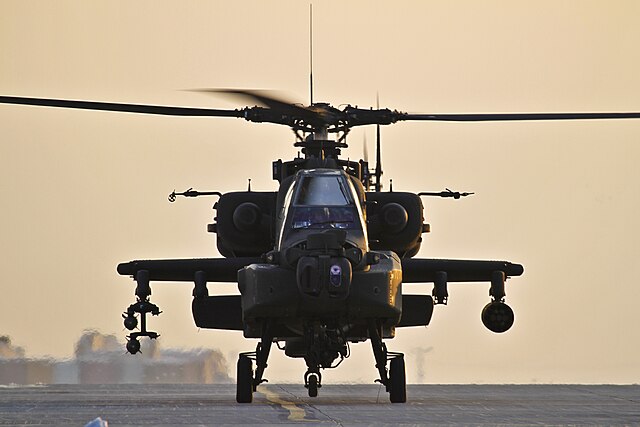
The Boeing AH-64 Apache is an American twin-turbo shaft attack helicopter with a tail wheel-type landing gear and a tandem cockpit for a crew of two. Nose-mounted sensors help acquire targets and provide night vision. It carries a 30 mm (1.18 in) M230 chain gun under its forward fuselage and four hard points on stub-wing pylons for armament and stores, typically AGM-114 Hellfire missiles and Hydra 70 rocket pods. Redundant systems help it survive combat damage. Boeing claims the AH-64E to be the world’s best and most advanced multi-mission attack helicopter. According to Boeing, it is the only combat helicopter with a spectrum of capabilities for virtually any mission requirement, including greater thrust and lift, joint digital operability, improved survivability, and cognitive decision-aiding. The technical details of the helicopter are appended.


Boeing also claims it delivered the first US Army Apache AH-64A in January 1984. Since then, the US Army and other nations have received more than 2,700 AH-64 Apache attack helicopters. Boeing’s global customers for the Apache include Egypt, Greece, India, Indonesia, Israel, Japan, Korea, Kuwait, the Netherlands, Qatar, Saudi Arabia, Singapore, the United Arab Emirates and the United Kingdom. These aircraft in operation have accumulated over five million flight hours, 1.3 million of which have been in combat.


In India, Tata Boeing Aerospace Limited (TBAL), a joint venture between Boeing and Tata Advanced Systems Ltd. (TASL), established in 2016, manufactures fuselages for the AH-64 Apache. TBAL’s Hyderabad facility has been delivering AH-64 Apache fuselages since 2018. The advanced manufacturing facility will eventually become the sole producer of AH-64 fuselages worldwide, with 90% of parts sourced from Indian suppliers. The Indian Air Force has a fleet of 22 AH-64E Apache attack helicopters bought in 2015. In 2020, Boeing signed an agreement with the Government of India to acquire six more Apache helicopters for the Indian Army. The 4,100 crore contract stipulated that these aircraft would be delivered in two batches at the beginning of this year. On March 24, it was disclosed that the delivery of these aircraft would be delayed by over a year.


Delay. The procurement agreement initially stipulated the delivery of all six helicopters by February 2024. The first batch of three Apache helicopters is now expected to be delivered by late 2024 or early 2025, with the remaining three projected to arrive three to four months later. Various reasons are being speculated as the cause for the delay.


  • Supply chain. Boeing has indicated supply chain problems as the possible reason for the delay.


  • Priorities and Allocations Systems Program (DPAS). Another hurdle to the Apache project was related to India’s low ranking in a US government programme that prioritised foreign customers. The US uses DPAS to prioritise defence-related contracts throughout the US supply chain to support military, homeland security, critical infrastructure and other requirements. This seemingly affected 22 critical components fitted on the Apaches, including engines, gearboxes, and weapons. However, the issue was resolved after prolonged discussions between the two sides.
  • Technical Issues. Open-source media reports are also emerging about technical issues related to the helicopter’s electrical systems (power generator) failures, causing safety concerns. Boeing has reportedly temporarily halted all Apache deliveries until these concerns are addressed and resolved.


Tejas Delays. The delay in the Apache delivery is not an isolated incident. It comes after US engine maker General Electric delayed the delivery of GE F-404 jet engines that power India’s indigenous Tejas jets. This has pushed the delivery of the first production of Tejas Mk1 from March 2024 to November 2024. GE Aerospace, responsible for providing these engines, collaborates with Hindustan Aeronautics Limited (HAL).  The delivery schedule of the Tejas jets, which are critical for replacing ageing MiG-21 fighters in the Indian Air Force, has been pushed back. These delays are causing significant concerns for the Indian military’s modernisation programs.


Indo-US Cooperation (Defence and Aerospace). The US-India partnership in defence and aerospace has recently become one of the most vital engagement sectors, merging both countries’ strategic and geopolitical interests. Unfortunately, with all its strategic elements, the defence partnership has an overbearing buyer-seller dimension. India has already acquired several US military platforms and equipment, and some proposals for new acquisitions are in the pipeline. In addition, India has expressed interest in advanced engine technologies to produce advanced medium combat aircraft domestically.


Key Defence Agreements. Over the last two decades, India and the U.S. have strengthened their defence ties, contributing to a higher level of mutual trust. Key agreements, such as the Logistics Exchange Memorandum of Agreement (LEMOA), Communications Compatibility and Security Agreement (COMCASA), and the Basic Exchange and Cooperation Agreement (BECA), allow greater military collaboration and intelligence sharing.


Defence Technology and Trade Initiative (DTTI).  DTTI is a strategic collaboration framework between the United States and India to enhance defence trade, co-production, and co-development of military technology. Established in 2012, it focuses on strengthening defence ties and addressing procedural challenges to foster defence cooperation and technological exchange between the two nations. It aims to identify and pursue projects that promote joint development and production of defence technologies, leveraging the strengths of both countries’ defence industries. The initiative is designed to facilitate technology transfer, ensuring that advanced U.S. defence technologies can be shared with India and fostering greater defence self-reliance in India. DTTI is intended to reduce bureaucratic hurdles and fast-track the approval processes required for defence trade, making cooperation more seamless. The question remains about its ability to overcome bureaucratic hurdles.


Strategic Trade Authorisation-1 (STA-1) Status. In 2018, the United States upgraded India to Strategic Trade Authorisation-1 (STA-1) status, a significant change that enhanced the strategic partnership between the two nations. This move recognised India’s growing role as a critical security and defence partner for the US. The STA-1 designation allows a country to access dual-use technology more easily from the U.S. without needing individual export licenses. India became the first South Asian country in STA-1, joining key allies like NATO members, Japan, and South Korea. The elevation of India’s status under STA-1 was considered a major diplomatic and strategic milestone, enabling greater collaboration between India and the US in areas like defence, space, and nuclear technology. The delays in delivery schedules of the defence contracts create doubt about the sincerity of these agreements.

Defence Priorities and Allocations System Program (DPAS). The Defence Priorities and Allocations System (DPAS) prioritises national defence-related contracts/orders throughout the US supply chain to support military, energy, homeland security, emergency preparedness, and critical infrastructure requirements. The DPAS can also provide military or critical infrastructure assistance to foreign nations. The President has the authority for preferential acceptance and performance of contracts or orders (other than employment contracts). Under this provision, other government agencies, owners and operators of critical infrastructure, or companies can place priority ratings on contracts or orders on a case-by-case basis. India’s low rating on this priority list does not augur well for the Indo-US defence Cooperation.


US Sanctions on India. The US has imposed sanctions on India at various historical points. After India’s first nuclear test in 1974, the U.S. imposed technology-related sanctions on India. These restrictions were primarily aimed at limiting India’s access to nuclear technology and materials and restricting sensitive technologies that could be used for military purposes. The most significant sanctions were imposed after India’s nuclear tests in May 1998. The sanctions included suspending military and economic assistance to India, prohibiting the export of sensitive dual-use technology, restricting loans and credit from U.S. financial institutions, and opposing loans from international financial institutions like the World Bank and the International Monetary Fund (IMF). The sanctions were lifted in 2001.


Countering America’s Adversaries through Sanctions Act (CAATSA). This US law sanctions countries engaging in significant transactions with Russia, Iran, and North Korea’s defence or intelligence sectors. As a substantial defence buyer from Russia, especially its S-400 missile defence system, India faced potential sanctions under CAATSA. However, it did not impose CAATSA-related sanctions on India, opting for a waiver in 2022. In the past, the US has occasionally warned of sanctions to pressure India to reduce or halt its oil imports from Iran. India’s investment in Iran’s Chabahar Port was also a point of contention. However, the U.S. provided waivers for this project due to its strategic importance in stabilising Afghanistan. The US has also imposed restrictions on selling advanced military technology to India in the past. These were primarily due to concerns over India’s ties with Russia during the Cold War and its nuclear weapons program.


Indo-US Trust Quotient. The trust quotient between India and the United States has evolved over the past few decades. India’s non-aligned stance and closer ties with the Soviet Union during the Cold War created distrust between the US and India. Pakistan has historically been a cause of trust deficit between India and the US, with the US supporting Pakistan during the 1971 India-Pakistan war. While the relationship moved from suspicion during the Cold War to strategic partnership in recent years, the trust level fluctuates depending on geopolitical, economic, and defence considerations.  The Indo-U.S. trust quotient has risen significantly over the past two decades, driven by shared strategic interests and growing defence and economic cooperation. While the overall trajectory remains one of increasing trust and partnership, doubts still exist.


These uncalled-for occurrences and hurdles would force India to adopt a cautious approach regarding critical defence contracts and would affect future procurement contracts from the USA. The trust quotient goes down quickly, but it is challenging to increase it. The US and Indian governments, armed services, and industry should identify and prioritise defence products. US technology and expertise could be combined with Indian manufacturing capabilities for co-production and co-development. Further in-depth consultations with the US are also necessary to jump-start DTTI and other agreements, initiatives and mechanisms.


AH-64E Apache Technical Specifications

Standard Crew 2
Length 48.16 ft. (14.68 m)
Height 15.49 ft. (4.72 m)
Rotor Diameter 48 ft. (14.63 m)
Primary Mission Gross Weight 15,075 lb. (6,838 kg)
Maximum Operating Weight 23,000 lb. (10,432 kg)
Maximum Rate of Climb 2,800+ ft. (853+ m) per minute
Maximum Level Flight Speed 150+ knots (279+ kph)
Service Ceiling 20,000 ft. (6,096 m)
Ordnance 16 HELLFIRE missiles,

76 2.75-inch rockets and

1,200 30 mm chain gun rounds

Rate of Fire 600-650 rounds per minute


Link to the published article:-

APACHE HELICOPTER DELIVERY DELAY: BROADER ISSUE OF TRUST QUOTIENT


Suggestions and value additions are most welcome.


1942
Default rating

Please give a thumbs up if you  like The Post?


For regular updates, please register your email here:-

Subscribe


References and credits

To all the online sites and channels.

References:-

  1. Ujjwal Shrotryia, “After Jet Engines, US Delays Delivery Of Apache Attack Helicopters; Cites Supply Chain Issues” Swarajya Defence, 13 Sep 24.
  1. Abhinandan Mishra & Saurabh Sharma, “U.S. slow on delivery of Apaches, Indian Army faces long wait”, The Sunday Guardian, 08 Sep 24.
  1. “Apache helicopter arrival for Indian Army pushed to 2025”, Alert 5 Aviation News, 09 Sep 24.
  1. Jaydeep Gupta, “Boeing Delays Apache AH-64E Deliveries to India amid Power Generator Failure Concerns”, Defence.in news and discussion, 07 Sep 24.
  1. Rahul Singh, “Induction of Apache hits supply chain wall, Hindustan Times, 12 Sep 24.
  1. “U.S.-India Bilateral Partnership: Aiming High”, US India Business Council roadmap.
  1. Apache Website of Boeing.

Disclaimer:

Information and data included in the blog are for educational & non-commercial purposes only and have been carefully adapted, excerpted, or edited from reliable and accurate sources. All copyrighted material belongs to respective owners and is provided only for wider dissemination.
516: CASTE-BASED RESERVATIONS


Caste-based reservations, a response to centuries of historical inequalities and discrimination, are affirmative action policies implemented in India and a few other South Asian countries. These policies aim to uplift marginalised communities by providing them with reserved quotas in education, government jobs, and political representation. The goal is to promote social justice, equal opportunity, and access to resources for those systematically excluded due to their caste.


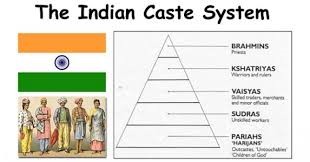
Background on the Caste System. The caste system has been a hierarchical social stratification in South Asia for thousands of years, particularly in Hindu society. It divides people into rigid categories based on occupation and family lineage. The four main varnas (Brahmins, Kshatriyas, Vaishyas, and Shudras) form the broader structure, with “Dalits” (formerly referred to as “Untouchables”) and Adivasis (Indigenous tribes) falling outside the formal varna system, facing extreme discrimination and exclusion. Despite the legal abolishment of caste-based discrimination in India, these social structures continue to influence access to resources, social mobility, and opportunities to a large extent.


Objectives of Caste-Based Reservations


    • Social Justice. Caste-based reservations aim to correct centuries of oppression and discrimination against lower castes, especially Scheduled Castes (SC), Scheduled Tribes (ST), and Other Backward Classes (OBCs). By providing them with reserved quotas in education, government jobs, and political representation, these policies not only strive to bring about a more just and equitable society in the present but also pave the way for a more optimistic future.


    • Equal Opportunity. Caste-based reservations are a crucial step towards providing historically marginalised communities with access to education and employment opportunities they were denied due to their caste. These policies aim to rectify past injustices and create a more inclusive society by ensuring equal opportunities.


    • Political Representation. To ensure that marginalised communities have a voice in governance by reserving seats for them in political institutions such as state legislatures and Parliament.


    • Economic Upliftment. Another important objective of caste-based reservations is contributing to society’s economic upliftment. These policies aim to help bridge the socioeconomic gap between the upper castes and the historically disadvantaged groups by offering reservations in jobs and educational institutions.


Key Features of Caste-Based Reservations


    • Educational Quotas. Some seats are reserved in public educational institutions for SC, ST, and OBC students. This is meant to increase access to higher education for marginalised communities who may not have had the same opportunities.


    • Government Job Quotas. Reservations also exist in government jobs, where a proportion of positions are reserved for SCs, STs, and OBCs. This has been crucial in enabling economic mobility and representation of lower-caste individuals in the public sector.


    • Political Reservations. In Parliament, state legislative assemblies, and local bodies like Panchayats, a proportion of seats are reserved for SC and ST candidates, ensuring their participation in the political process.


Legal Framework.


    • The Constitution of India (1950). The Indian Constitution, under Articles 15 and 16, provides for affirmative action and explicitly allows caste-based reservations to promote social and educational advancement for Scheduled Castes, Scheduled Tribes, and Other Backward Classes.


    • Mandal Commission (1980). One of the most significant legal steps towards caste-based reservations was the Mandal Commission’s recommendation of a 27% reservation for OBCs in government jobs and educational institutions, which was later implemented in the 1990s. This was in addition to the existing reservations for SCs (15%) and STs (7.5%).


Controversies and Criticisms of Caste-Based Reservations


    • Merit vs. Social Justice. One of the primary arguments against caste-based reservations is that they undermine meritocracy by reserving seats for individuals based on caste rather than merit or ability. Critics argue that this can lower overall standards in education and employment.


    • Perpetuation of Caste Identity. Opponents claim that caste-based reservations reinforce caste identities rather than diminishing them, as the system incentivises individuals to retain their caste identity for social and economic benefits.


    • Economic Inequality Overlooked. Critics argue that reservations based solely on caste ignore economic inequalities within castes. Upper-caste individuals in poverty may be just as disadvantaged as lower-caste individuals but lack access to the same benefits.


    • Exclusion of Forward Castes. Many from the so-called “upper castes” or “forward castes” believe that they are being unfairly disadvantaged, notably economically weaker sections (EWS) among them. The Indian government responded to this criticism by introducing a 10% quota for EWS (Economically Weaker Sections) in 2019, which applies to those who do not benefit from existing reservations.


    • Intra-Caste Inequality. Significant socioeconomic status variations within the reserved categories (SCs, STs, and OBCs) exist. Some argue that the benefits of reservations are disproportionately enjoyed by a small segment of these communities, referred to as the “creamy layer,” while the most disadvantaged remain excluded.


Justifications and Support for Caste-Based Reservations


    • Corrective Action: Proponents argue that reservations correct the historical injustices and discrimination faced by SCs, STs, and OBCs. They help level the playing field in a society where social mobility has traditionally been constrained by caste.


    • Breaking the Cycle of Poverty: Reservations have helped create a middle class among Dalits, Adivasis, and OBCs, who have benefitted from better access to education and jobs. This breaks the cycle of generational poverty and promotes upward mobility.


    • Social Inclusion: Caste-based reservations promote social inclusion and ensure that all sections of society have a voice in the political process and access to economic opportunities.


    • Empowerment of Marginalised Groups: Political and economic empowerment through reservations is crucial for developing marginalised communities historically excluded from power structures.


Alternatives and Proposals for Reform


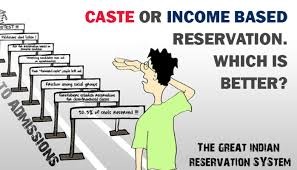
    • Economic Criteria for Reservations. Some have proposed shifting from a caste-based to an income-based reservation system to address concerns about economic inequality across all castes. However, this is controversial as caste discrimination persists irrespective of financial status.


    • Reducing Caste Quotas over Time. Others have suggested a phased reduction in reservations as more marginalised communities attain socioeconomic parity with forward castes. This approach sees reservations as a temporary corrective rather than a permanent feature.


    • Focusing on Education at Primary Levels. Many argue that addressing inequality through better access to primary and secondary education, rather than reservations at higher levels, would better prepare marginalised communities for competition in a merit-based system.


Caste-based reservations are an intensely debated but integral part of India’s affirmative action framework, which aims to redress historical injustices and provide opportunities for marginalised groups. While these policies have successfully promoted social mobility and political representation, they continue to generate controversy over merit, economic inequality, and the persistence of caste identity in public life. Whether or not reforms or alternatives emerge, caste-based reservations remain central to discussions on equality, justice, and social transformation in India.


Suggestions and value additions are most welcome.


1942
Default rating

Please give a thumbs up if you  like The Post?


For regular updates, please register here:-

Subscribe


References and credits

To all the online sites and channels.


Disclaimer:

Information and data included in the blog are for educational & non-commercial purposes only and have been carefully adapted, excerpted, or edited from reliable and accurate sources. All copyrighted material belongs to respective owners and is provided only for wider dissemination.


515: KURSK INCURSION: TURNING THE TABLES


My OPED published on the EurAsian Times website on 30 Sep 24.


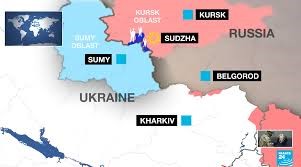
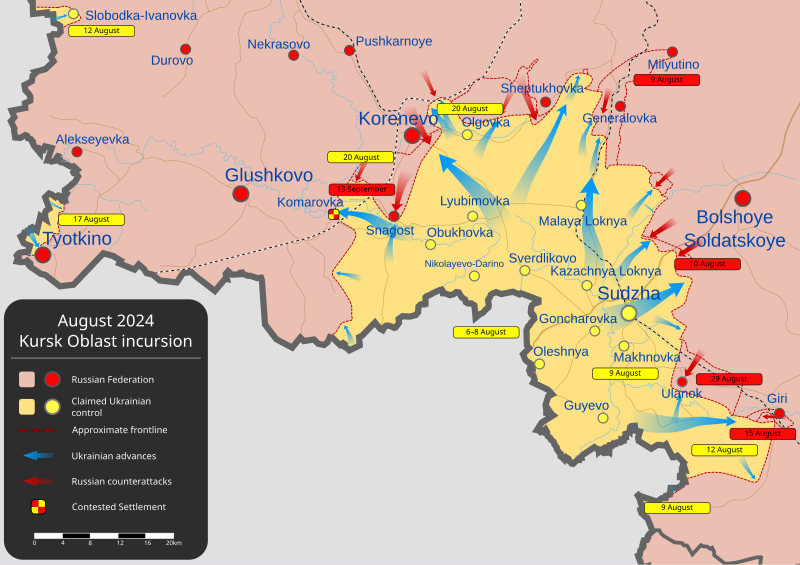
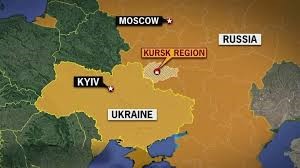
In an unexpected move, On Aug. 6, Ukraine surprised the world by launching a bold pre-emptive offensive attack into Russian territory. Reportedly, over 1000 Ukrainian troops, along with armour, crossed into Kursk Oblast, a Russian region that borders Ukraine to the southeast. Ukraine’s cross-border attack named “Operation Krepost” on Russia’s Kursk region is the most significant incursion by Ukrainian forces into Russian territory since the start of the war. In this operation, Ukraine claims to have seized over 1,000 square kilometres of territory and captured several settlements and hundreds of Russian soldiers. The Kursk attack is distinct in the scale of resources used by Ukraine and its highly secretive nature. The event represents a turning point in the war and global geopolitics, shifting the initiative temporarily from Moscow to Kyiv. It has sparked widespread debate, highlighting the conflict’s potential for escalation and geographical expansion and raising questions about the underlying objectives behind this move and its possible future repercussions.


Surprise, Shock and Awe. Any move into Russia required a surprise. The Ukrainian attack on Kursk was a stunning display of surprise in modern warfare. By employing a mix of operational secrecy, deception, and tactical manoeuvring, Ukraine managed to achieve a surprising advantage. Ukraine had been engaging Russian forces in the eastern regions around Toretsk and Pokrovsk, giving an impression that its primary focus remained there and diverting attention away from the northern border with Kursk. Ukraine also exploited the gaps in stretched-out Russian deployment by attacking an area with lesser defences. In contrast to previous minor ones with irregular forces, the sheer magnitude of the incursion misled Russian military planners, leaving them in shock and awe at the audacity of the Ukrainian troops. The plans were kept tightly under wraps, sharing them only with a tight group of generals and security officials. The attack was executed with remarkable speed and efficiency, limiting Russia’s ability to mobilise reserves and respond effectively in the early stages. This swift strike allowed Ukrainian forces to capture territory and establish control over critical areas before a complete Russian response could be coordinated.


Intentions and Objectives. Ukraine aimed to shift the momentum of the war by launching an offensive into Russian territory. Strategically, Ukraine aimed to divert Russian forces from other critical fronts, such as the eastern regions of Toretsk and Pokrovsk, where Russia had been advancing. While the complete success of this diversion is debated, Ukraine’s offensive has forced Russia to reassess its deployments and react to the threat. Ukraine’s objectives could also be to weaken Russia’s military capability, capture territory, and disrupt Russian supply lines. Some analysts also speculate that holding Russian territory might give Ukraine better leverage in peace negotiations in future. Besides, Ukraine needed to boost its morale after months of defensive operations. A successful offensive into Russia would showcase Ukrainian capabilities and counter Russian propaganda about an inevitable victory. These factors combined to encourage Ukraine to take the risk of crossing into Russia and launching the most significant cross-border attack of the war.


Effect on Russia. The Ukrainian attack on Kursk has had a significant effect on Russia, both militarily and politically. It has forced Russia to divert resources, exposed its military vulnerabilities, and increased internal political and psychological pressure. The Kursk Offensive has further stretched the already heavily engaged Russian military on multiple fronts, further complicating ongoing Russian offensive operations. Ukraine’s capture of territory in Kursk, including several settlements, is a blow to Russian morale and undermines the Russian invincibility. However, it has also significantly boosted Ukrainian morale, providing a much-needed psychological advantage. This also posed logistical challenges, as Ukrainian forces targeted vital supply lines and infrastructure. The Kursk attack is a psychological blow to the Russians, raising fears of further incursions and challenging the Kremlin’s portrayal of the war as distant from Russian territory. The shock of the incursion could also erode public support for the ongoing conflict as casualties rise and domestic security is threatened. The attack puts internal pressure on the Russian government.


Russian Response. Russian President Vladimir Putin called the incursion “a large-scale provocation” and responded by declaring an emergency, imposing heightened security measures in these areas and launching retaliatory counterattacks. Russia mobilised additional troops, mainly from regions close to Kursk, such as Belgorod and Bryansk, to stabilise the situation and prevent further Ukrainian advances. Russia escalated its aerial bombardments across Ukraine, focusing on critical infrastructure, military installations, and supply lines. These colossal airstrikes aimed to disrupt Ukraine’s operations and cripple its logistics. Several missiles (including Kinzhal, Kh-101 and Iskander missiles) and drones attacked 15 of Ukraine’s 24 regions.  Russia also deployed more drones and missile systems to target Ukrainian cities far from the front lines. Russia organised ground counteroffensives to reclaim the territory lost to Ukrainian forces in the Kursk region. These counterattacks aimed to regain control of settlements captured by Ukraine and reinforce border defences. Alongside traditional military responses, Russia reportedly increased cyber-attacks on Ukrainian infrastructure and government systems, aiming to weaken Ukraine’s command and control capabilities. Diplomatically, Russia described the Ukrainian attack as a significant provocation, with President Putin labelling it as part of Ukraine’s broader strategy to destabilise Russia. The Russian government used the Kursk attack to rally domestic support for the war effort and called on international partners to limit support for Ukraine.


Ukraine’s Supporters.  Several nations and organisations provided critical assistance to Ukraine. The U.S. is Ukraine’s most prominent supporter, providing billions in military aid, including advanced weaponry, intelligence, and training. The U.S. has supplied systems like HIMARS and air defence platforms, which are essential to Ukraine’s defence against Russian advances. Most NATO members, particularly those in Eastern Europe, like Poland, the Baltic States, and Romania, have provided substantial military aid, logistical support, and training. The European Union has also contributed financially, providing billions in aid packages. The U.K. has been a critical supporter, delivering advanced weapons systems and training Ukrainian forces. It has also played a significant diplomatic role, pushing for continued Western support for Ukraine. Canada has offered military and financial assistance to Ukraine, providing artillery systems, armoured vehicles, and drones. It has also imposed significant sanctions on Russia and supported diplomatic initiatives against the invasion. Western defence contractors, particularly from the U.S., have supplied Ukraine with essential technology and equipment. Civil society movements and non-governmental organisations in countries supporting Ukraine have also raised funds and provided humanitarian assistance. These state and non-state supporters have enabled Ukraine to continue resisting the Russian invasion, providing a vital backbone of military, economic, and diplomatic support.


Behind-the-scenes Support. In this instance, a debate has arisen about the direct or indirect involvement of the behind-the-scenes supporters. Washington says it was not informed about Ukraine’s plans ahead of its Aug. 6 incursion into Kursk. The United States has also said it did not take any part in the operation. Russia claims that the United States’ involvement in Ukraine’s incursion into Russia’s western Kursk region was “an obvious fact.” Russia also asserts that Western weaponry, including British tanks and U.S. rocket systems, have been used by Ukraine in Kursk. Media sources have reported that the United States and Britain have provided Ukraine with satellite imagery and other information about the Kursk region in the days after the Ukrainian attack. The intelligence was aimed at helping Ukraine keep better track of Russian reinforcements that might attack them or cut off their eventual withdrawal back to Ukraine.


Crystal Gazing. Ukraine’s advance into Kursk would culminate due to a combination of the Russian response, the number of casualties, and extended lines of communication. The Ukrainian army will probably be unable to hold all of the Russian territory it has advanced on. Kyiv is contemplating a longer-term occupation to use the land as a bargaining chip.  This will take a lot of Ukrainian resources, and enforcing a long-term occupation would depend on factors like Ukraine’s priorities, the availability and spare ability of resources, and the severity of the Russian response. The choices include consolidation on the captured terrain and partial or complete withdrawal. Partial withdrawal and consolidation seem to be the logical possibility.


The initial successes achieved by Kyiv in The Kursk attack have further intensified the war and raised questions about the future of the conflict. The Ukrainian offensive into Russian territory has had a profound impact on the course of the war. On one hand, it has boosted the morale of the Ukrainian army and sent a strong message to the West about Ukraine’s ability to take the offensive initiative. On the other hand, the offensive has elicited mixed reactions in Russia. The event has far-reaching repercussions on the entire war, further complicating the situation in the coming period. The war in Ukraine is a complex game, with many intertwined factors influencing the course of events. Both sides are undertaking concurrent campaigns that consume enormous resources (manpower, munitions, and supporting systems). Surge operations for short durations are possible, but sustaining them for long durations is doubtful. The future of this war mainly depends on the extent of continued Western military and political support to Ukraine.


Link to the Website:

https://www.eurasiantimes.com/operation-krepost-ukraines-awe-inspiring/


Suggestions and value additions are most welcome.


1942
Default rating

Please give a thumbs up if you  like The Post?


For regular updates, please register here:-

Subscribe


References

  1. Basel Haj Jasem, “Kursk: A new chapter in the Ukraine war”, Daily Sabah, 27 Aug 2024.
  1. Anastasiia Lapatina, “Six Observations—and Open Questions—on

Ukraine’s Kursk Operation”, 15 Aug 2024.

  1. Deutsche Welle, “What is behind Ukraine’s Kursk operation in Russia?” The Indian Express, New Delhi, 11 Aug 24.
  1. “Moscow says US involvement in Ukrainian incursion into Russia’s Kursk is ‘an obvious fact’”, By Reuters, 27 Aug 24
  1. Mick Ryan, “The Kursk Offensive Dilemma”, Futura Doctrina, 19 Aug 24.

Credits

To all the online sites and channels.

Disclaimer:

Information and data included in the blog are for educational & non-commercial purposes only and have been carefully adapted, excerpted, or edited from reliable and accurate sources. All copyrighted material belongs to respective owners and is provided only for wider dissemination.
 

English हिंदी