
253: SHIQURDU 29


161

सुकून-ए-जिंदगी

ख्वाहिशों को कुछ कम किया मैंने और खुशी खरीद ली

शौक-ए-जिन्दगी  कुछ कम किये, और सुकून-ए-जिंदगी खरीद ली


162

मैं न कोई मसीहा, न कोई रहनुमा हूँ,

मैं अपनी ही मंज़िल हूँ. मैं अपना ही रास्ता हूँ

मैं अपना ही मुकद्दर हूँ.. मैं अपना ही खुदा हूँ


163

पूछा मैंने खुदा से,

अंदर मेरे ये कैसा शोर है,

हंस कर खुदा बोला, 

 रूह को संभालना था तुझे,

पर सूरत सँवारने पर तेरा जोर है


164

हसरतें कुछ और है

वक्त की इल्तजा कुछ और है,

दिल चाहता कुछ और है होता कुछ और है


165

थोड़ा सोचूं फिर एक बात लिखू,

बता आज कौनसी बात लिखू..

तारीफ लिखू या फ़रियाद लिखू..

जज्बात लिखू या हालात लिखू..


  • Shiqurdu is a collection of thoughts. Although an odd sounding name, but felt appropriate for the collection.


  • These are simplified quotes in Hurdu (Hurdu being a mix of Hindi and Urdu akin to Hinglish i.e., hindi and english). Although in some cases the language has been simplified but attempt has been made to retain the thought and the poetic flavor.


  • These thoughts have been picked up from various publications. Credit goes to all the original writers who penned down these deep meaning messages.


Comments  and value additions are most welcome


For regular updates, please register here

https://55nda.com/blogs/anil-khosla/subscribe/



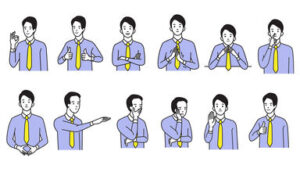
250: COMMUNICATION SKILLS AND BODY LANGUAGE


Pic courtesy Net


Communication is an art/skill.


As a speaker, you are a salesman trying to sell your idea.


DOs


Provide a Reason for the Audience to Listen. Tell the audience why they should listen carefully to you. Tell them what is in it for them.


Give Perspective. Generally, the chosen topics are very broad-based. Providing a perspective narrows down the scope and also provides the framework for the talk.


Establish Credibility. Give the audience a reason to believe your claim. Point out why your thoughts and your words are relevant and they matter.


Save the Best for Last. Once you have the audience’s attention, speak about what you need them to hear. To keep the interest alive keep providing glimpses of what is coming up.


Correlate Issues with the Audience. Establish the repercussions of the issues being discussed. Focus your communication on the issues that the audience correlates with.


Provide Obvious Seeming Solutions. Good communication provides solutions. Do not make them sound too complex, instead make them seem obvious. This gives the audience a sense of ownership and increases their interest.


Crystal Gaze. Always resort to some amount of crystal gazing and forecasting about things to come in the future. 


Pic courtesy Net


Body Language: Avoid These Blunders


Our bodies have a language of their own.


Body language is a very powerful tool.


DONTs:


Crossed Arms. Creates a physical barrier that suggests you’re not open to what the other person is saying. The other person may get a sense that you’re shutting him or her out.


Exaggerated Gestures. Instead aim for small, controlled, and open gestures.


Turning Yourself Away. Conveys that you are unengaged, uninterested, uncomfortable, and perhaps even distrustful.


 Slouching. It is a sign of disrespect. It communicates that you’re bored and have no desire to be where you are.


Avoiding Eye Contact. It arouses suspicion and also indicates a lack of confidence and interest. Sustained eye contact, on the other hand, communicates confidence, leadership, strength, and intelligence.


Too Intense Eye Contact. It may be perceived as an aggressive dominating approach. 


Watching the Clock Frequently. It is a sign of impatience and disrespect. It sends the message that you have better things to do than talk to the person you’re with.


Fidgeting and Exaggerated Nodding. It distracts and signals anxiousness.


Scowling or Unhappy Expression.  This sends the message that you’re upset by those around you, and it turns people away. Smiling, on the other hand, suggests that you’re open, trustworthy, confident, and friendly.


Weak Handshakes. A weak handshake signals a lack of confidence, while a too strong one could be perceived as an aggressive attempt at domination.


Getting Too Close. Standing too close makes people uncomfortable. Respect others’ personal space.


Bottom Line

Keep the Audience awake and interested.


Learnt with Experience

People love catchy phrases.


Suggestions and value additions are most welcome


For regular updates, please register here

Subscribe


References and credits

To all the online news channels.


202: TRIBUTE TO GANDHI


Gandhiji was born on 2 October 1869 in Porbandar city of Gujarat.


He is revered the world over as one of history’s most transformative and inspirational figures known for his paragon of ethical living and pacifism.


He was a fearless campaigner for the rights and dignity of all people, whose constant and unwavering promotion of non-violence as a tool to win over hearts and minds has forever left its mark on the world.


His life achievement stands unique in political history. He invented a completely new and humane means for the liberation war. He is admired for his calm, courage and compassion.


In India he is referred to as Bapu (father of the nation). Origin of this title is traced back to a radio address (on Singapore radio) on 6 July 1944 by Subhash Chandra Bose where Bose addressed Gandhiji as “The Father of the Nation”.


He was also given the title of Mahatma, (taken from the Sanskrit words maha – meaning great and atma – meaning Soul. Rabindranath Tagore is said to have accorded this title to him.


Gandhianism or Gandhism


Continue reading “202: TRIBUTE TO GANDHI”

English हिंदी