595: AERO INDIA 2025 AND KEY SOLUTIONS FOR IAF’S CHALLENGES


My Article published in the SP Aviation’s

Aero India  special e-magazine on 10 Feb 25.


Aero India. Aero India is a premier aerospace and defence exhibition held biennially in India, serving as a vital platform to showcase the nation’s advancements in aviation technology, defence capabilities, and aerospace innovation. Organised by the Ministry of Defence, it attracts global defence manufacturers, policymakers, and military leaders, fostering collaboration and strategic partnerships. The event aligns with India’s “Atmanirbhar Bharat” (self-reliant India) initiative, emphasising indigenous manufacturing and technology development. Aero India is crucial in enabling collaborations with global players and enhancing India’s defence exports and procurement programs. The event highlights key emerging trends, including artificial intelligence, space-based defence systems, and unmanned aerial vehicles (UAVs).  Overall, Aero India is a crucial event that strengthens India’s defence ecosystem.


IAF Challenges. The Indian Air Force (IAF) faces significant challenges due to shortages in fighter aircraft, force multipliers, and key operational assets, impacting its ability to meet long-term strategic goals. One of the most pressing concerns is the shortfall in fighter squadrons. While the induction of advanced platforms such as the Rafale has boosted capability, the slow pace of procurement and delays in indigenous programs like the Tejas Mark 2 and the Advanced Medium Combat Aircraft (AMCA) have created capability gaps. The IAF also faces shortages in critical force multipliers such as Airborne Early Warning and Control (AEW&C) systems, aerial refuelling tankers, and drones essential for extending the operational reach and maintaining air superiority in prolonged conflicts. Additionally, the service faces numerous other challenges. Progress remains slow despite efforts to address these issues through the Make in India initiative and increased defence budgets. Bridging these gaps requires accelerated procurement and streamlined production of indigenous platforms.


Adversarial Threats. The Indian Air Force (IAF) faces growing challenges due to the rapid modernisation and expansion of both the Pakistan Air Force (PAF) and the People’s Liberation Army Air Force (PLAAF), which are enhancing their capabilities through advanced platforms and strategic cooperation. With significant support from China, the PAF has made notable progress in fleet modernisation by inducting advanced fighter jets such as the JF-17 Thunder Block III, equipped with AESA radars and beyond-visual-range (BVR) missiles. The PAF’s procurement of Chinese J-10C fighters, featuring advanced avionics and electronic warfare capabilities, has further narrowed the technological gap with the IAF. Pakistan’s focus on enhancing its air defence network, integrating long-range surface-to-air missile systems (SAMs), and investing in unmanned combat aerial vehicles (UCAVs) pose asymmetric threats to India’s air dominance. Meanwhile, the PLAAF presents an even greater challenge with its rapid expansion and technological advancements. China’s deployment of fifth-generation stealth fighters such as the J-20 and an extensive fleet of modern aircraft like the J-16 and H-6K bombers enhances its capability for long-range strikes and air superiority missions. It has even flown the sixth generation prototypes. The PLAAF’s focus on network-centric warfare, integrating artificial intelligence, electronic warfare, and space-based assets, gives it a strategic edge. Furthermore, China’s expanding airbases in Tibet and Xinjiang, with enhanced infrastructure and support systems, allow for sustained air operations along the Indian border. The combined threat from the PAF and PLAAF places immense pressure on the IAF to modernise its fleet rapidly, enhance its force multipliers, and enhance its operational readiness.


Aero India 2025.  Aero India 2025 presents a crucial opportunity for the Indian Air Force (IAF) to address its operational challenges by exploring advanced aerospace and defence technology solutions. It would provide a critical opportunity to find sustainable solutions through international collaboration and Indigenous innovation. The IAF must leverage the event to accelerate procurement, foster strategic partnerships, and enhance Indigenous capabilities. Furthermore, global defence suppliers (foreign and Domestic) would gain an understanding of India’s military modernisation plans.


Major Challenges Faced by the Indian Air Force


Squadron Strength Shortfall. One of the most significant challenges for the IAF is the depletion of fighter squadrons. The sanctioned strength of 42 squadrons is essential to counter a potential two-front war scenario. However, the IAF currently operates around 31-33 squadrons, mainly due to the phased retirement of ageing MiG-21s and delays in acquiring replacements. The induction of platforms such as the Rafale has helped, but further acquisitions and indigenous production are crucial to bridge the gap.


Force Multiplier Shortages. The Indian Air Force (IAF) faces challenges in enhancing its force multiplier capabilities, which are critical for maintaining a strategic edge in modern warfare. Force multipliers such as airborne early warning and control (AEW&C) systems, mid-air refuelling tankers, electronic warfare (EW) platforms, drones, and advanced intelligence, surveillance, and reconnaissance (ISR) assets play a pivotal role in extending the IAF’s operational reach and effectiveness. However, the current fleet of these assets is limited, constraining the IAF’s ability to sustain prolonged operations, especially in high-intensity conflict scenarios.


Dependence on Imported Technology. Despite significant strides in indigenous production, the IAF remains dependent on foreign suppliers for critical platforms, components, and weapon systems. This dependence affects operational readiness and strategic autonomy, making accelerating domestic research and development imperative.


Adapting to Changes in Warfare. The Indian Air Force (IAF) faces significant challenges in adapting to the rapidly evolving nature of modern warfare, characterised by advancements in technology, cyber threats, and the increasing importance of multi-domain operations. The growing emphasis on unmanned systems, artificial intelligence, and network-centric warfare demands a paradigm shift in operational tactics and procurement strategies. Cyber security threats also pose a significant risk, as adversaries invest heavily in electronic and information warfare capabilities. The IAF must enhance its capabilities in space-based surveillance, drone warfare, and electronic warfare to stay ahead in a rapidly changing battlefield environment.


Infrastructure Challenges. The Indian Air Force (IAF) also faces infrastructure challenges that directly impact its operational readiness, modernisation efforts, and ability to respond swiftly to emerging threats. One of the concerns is the airbases, particularly those located in remote and strategically sensitive regions in the northeastern states. Many of these bases require substantial upgrades to support the deployment and maintenance of modern fighter jets. The lack of sufficient hardened aircraft shelters (HAS) and blast pens leaves critical assets vulnerable to enemy strikes, especially in high-tension areas like Ladakh and Arunachal Pradesh. Another challenge is the storage and handling of advanced weaponry and ammunition. Modern air warfare demands the deployment of precision-guided munitions, long-range missiles, and advanced electronic warfare suites, all requiring specialised storage and maintenance infrastructure.


Maintenance and Logistics Challenges. The Indian Air Force (IAF) faces maintenance and logistics challenges impacting operational readiness and efficiency. With a diverse fleet comprising legacy aircraft alongside modern platforms, maintaining a seamless supply chain for spare parts and repairs is a complex task. Dependence on foreign suppliers for critical components often leads to delays due to geopolitical and logistical hurdles. IAF’s maintenance, repair, and overhaul (MRO) infrastructure and supply chain management require upgrades to meet the demands of modern warfare.


Expected Solutions


To mitigate its challenges, the Indian Air Force (IAF) must prioritise modernisation, self-reliance, and operational efficiency. Investing in indigenous production under the “Make in India” initiative can reduce dependency on foreign suppliers and ensure a steady supply of spare parts.  Strengthening force multipliers such as AWACS, aerial refuelling, drones, and ISR assets is crucial for strategic superiority. Improved logistics management and cyber security enhancements will further bolster the IAF’s combat readiness in future conflicts. Upgrading maintenance, repair, and overhaul (MRO) facilities and adopting advanced technologies like artificial intelligence and predictive maintenance will enhance fleet availability. Aero India 2025 will be a convergence point for industry leaders, defence manufacturers, and policymakers to explore solutions to these pressing challenges. Some of the thrust areas include:-


Capability vis-à-vis Capacity. Warfighting capabilities and the capacity to sustain operations are both essential. It is a combination of quality and quantity. While the capabilities of Indian air power (e.g., reach, high altitude operations, precision, standoff, all-weather operations, airlift capability, etc.) have developed well, the numerical strength of air assets like fighter aircraft, combat enablers, AWACS, AAR, Drones, etc., needs to be increased.


Aircraft Type and Capability. The type of aircraft being used, their capabilities, payload capacity, and mission versatility significantly affect how effectively and efficiently air operations can be sustained. Therefore, a balance between quality and quantity needs to be maintained. In the Indian context, besides inducting the LCA to make up the numbers, an adequate number of advanced fighter aircraft must also be inducted. Aero India 2025 will showcase options for modern fighter jets to augment the IAF’s capabilities.


Boosting Indigenous Production. In the long run, Self-reliance is the only way. The Indian Air Force has always encouraged the development of indigenous defence production capability, and it is one of its key result areas. The event will emphasise indigenous defence production under the Make in India and Atmanirbhar Bharat initiatives. It will also focus on partnerships with global defence companies for technology transfer, joint ventures, and local manufacturing of critical systems such as engines, avionics, and radars.


Advanced Force Multipliers. In addition to increasing their numbers, integrating force multipliers seamlessly with combat aircraft and ground-based systems requires advanced networking and data-sharing capabilities. To overcome these challenges, the IAF must accelerate indigenous development, enhance interoperability with allied forces, and invest in cutting-edge technologies such as artificial intelligence and space-based ISR to bolster its force multiplier capabilities and maintain air superiority in future conflicts. Aero India 2025 will provide a platform to evaluate and procure force multipliers such as AEW&C systems, aerial tankers, drones, and enhanced electronic warfare systems.


Unmanned Aerial Systems (UAS) and Drone Warfare. The use of unmanned platforms and systems is growing in warfare. This shift is expected to continue as technology advances and the capabilities of unmanned systems improve further. Drones of various sizes and capabilities are taking over the tasks of conventional platforms. Their use is spread across the entire spectrum of threats, ranging from sub-conventional and conventional to long-range attacks. Investment in anti-drone systems is also a need of the hour. Aero India 2025 will showcase the latest advancements in Unmanned Combat Aerial Vehicles (UCAVs), drone swarms, and counter-drone technologies—Indigenous platforms such as the DRDO’s Rustom and Tapas UAVs.


Situational Awareness & Decision Making. One effect of advanced technology on air warfare is the increased pace and intensity of air operations. In such a scenario, the decision-making process must quickly keep up with the OODA cycle. The three most important contributing factors are high situational awareness, a robust and fast network system for information sharing, and AI-based decision-support systems. The solutions may be found in the Aero India.


Space-Based Capabilities.  The term airpower has changed to aerospace power, with the aerial warfare envelope expanding to the space domain. Space-based systems and applications are embedded in every aspect of aerial warfare. In Grey zone warfare, the involvement of space-based equipment and systems is even larger. Space-based systems are becoming increasingly crucial in air warfare, providing capabilities such as navigation, targeting, communication, early warning of missile launches and space-based surveillance.  The integration of these systems with air assets is expected to continue, providing new opportunities for offensive and defensive operations. Aero India 2025 will highlight these solutions and satellite-based intelligence, surveillance, and reconnaissance (ISR), with the possibility of collaboration with ISRO and global space technology firms.


Cyber and Electronic Warfare Capabilities. Aero India 2025 will emphasise the need to strengthen the IAF’s capabilities in electronic warfare and cyber defence. Solutions like AI-driven cyber threat detection, electronic jamming systems, and next-generation radar technologies will likely be showcased.


Investment in Technology.  The Air Force is a technology-intensive service; converting technology into capability is time-consuming. To stay on top of the challenges, there is a need to invest in emerging technologies and ideate about their use in warfare. Technologies impacting the air war include quantum computing, hypersonics, AI, unmanned platforms (including drones and swarm technology), and a network-centric environment. Defence companies would display new defence systems incorporating these technologies.


Loyal Wing Man Concept. Both man- and unmanned platforms have their respective advantages and disadvantages. The thought process for the next generation of platforms is to harness both benefits and develop networked systems in which both can work in an integrated manner. Research is being done in many countries on the “loyal wingman” concept. HAL is likely to disclose the progress of its CATS Program.


Hypersonic. The development of hypersonic platforms and weapons will likely significantly impact air strategy. Hypersonic weapons provide new opportunities for rapid response and long-range strike capabilities with precision. They also pose new challenges in terms of protection and air defence.  The high speed and unpredictability of hypersonic weapons will require the development of new air defence strategies, as traditional air defence systems may be unable to detect or intercept these weapons. This could lead to the development of new technologies, such as directed energy weapons or advanced sensors, to counter the threat posed by hypersonic weapons. Also, protective infrastructure would be required to withstand these weapons’ destructive power. These aspects would find their way into Aero India.


Smart Training Aids. The Indian Air Force (IAF) is leveraging modern training aids such as simulators, artificial intelligence (AI), and virtual reality (VR) to enhance combat readiness and operational efficiency. Advanced flight simulators provide realistic, mission-specific training while reducing costs and wear on actual aircraft. AI-driven analytics help personalise training programs, analyse pilot performance, and optimise mission planning. VR technology immerses trainees in highly realistic combat environments, improving situational awareness and decision-making under pressure. These cutting-edge training solutions would find a place in the air show.


Smart Logistics and Supply Chain Management. Efficient and reliable logistics networks and supply chains are crucial for providing fuel, ammunition, weapons, spare parts, other critical supplies, and resources to sustain air operations. Well-maintained supply chains are essential for operational readiness and sustaining a protracted conflict. Industry leaders will present solutions to streamline the IAF’s logistical operations, including tools powered by artificial intelligence, automated inventory management, and improved supply chain networks to ensure the availability of critical spare parts.


Conclusion. Aero India 2025 represents a significant opportunity for the IAF to address its critical challenges and prepare for future readiness. By leveraging cutting-edge technologies, fostering international collaborations, and enhancing indigenous capabilities, the IAF can address the existing gaps. The outcomes of Aero India 2025 will have far-reaching strategic implications for India’s air power capabilities. The event will catalyse India’s vision of becoming a self-reliant aerospace and defence powerhouse, ensuring a robust, future-ready air force.


Please Do Comment.


1957
Default rating

Please give a thumbs up if you  like The Post?


For regular updates, please register your email here:-

Subscribe


References and credits

To all the online sites and channels.

References:-

  1. “Modernizing the Indian Air Force: Issues and Challenges” – Journal of Strategic Studies
  1. “The Role of Aerospace Technology in Enhancing National Security” – Defence and Technology Journal
  1. “India’s Aerospace Industry: Present Challenges and Future Directions” – Economic and Political Weekly

Government Reports & White Papers

  1. “Aero India 2025: Indian Aerospace and Defence Industry Report” – Ministry of Defence, India
  1. “Aero India 2025: What to Expect?” – The Economic Times
  1. “India’s Aerospace Industry in 2025: A Strategic Overview” – India Today
  1. “How Aero India is Shaping Future Air Combat” – The Hindu
  1. “The Role of Technology in the Modernisation of the Indian Air Force” – Institute for Defence Studies and Analyses (IDSA)
  1. “Challenges and Solutions in Air Force Modernisation” – Centre for Air Power Studies (CAPS)

Disclaimer:

Information and data included in the blog are for educational & non-commercial purposes only and have been carefully adapted, excerpted, or edited from reliable and accurate sources. All copyrighted material belongs to respective owners and is provided only for wider dissemination.

592:AERO INDIA 2025: SHOWCASING THE FUTURE OF AEROSPACE AND DEFENCE


My article published in the Life of Soldier e-magazine Jan 25.


Air shows are events where aviation enthusiasts, industry professionals, and the general public gather to witness aerial displays and learn about the latest developments in aviation technology. These events typically combine trade exhibitions with public air displays. They include Aerobatic performances by military and civilian aircraft, demonstrations of fighter jets, helicopters, and commercial planes, static displays, trade exhibitions, and seminars. These air shows are a platform for launching new aircraft and technologies and promoting international aviation collaboration. Major international air shows include the Paris Air Show, Farnborough International Air Show (UK), Dubai Air Show (UAE), Singapore Air Show, MAKS Air Show (Russia), and Aero India.


Aero India, a global event for defence and aerospace stakeholders, is a biennial air show and aerospace exhibition held at the Yelahanka Air Force Station in Bengaluru, India. What sets Aero India apart is its unique focus on promoting international aviation collaboration and investment in the Indian defence sector. Organised by the Ministry of Defence, it is one of Asia’s most significant aerospace and defence events, showcasing both civilian and military aviation. The event includes displays by the Indian Air Force (IAF) and international aerobatic teams, static displays for public viewing, business exhibitions, seminars & conferences.


Building on the success of past editions, Aero India 2025 is set to be a landmark event. Scheduled from February 10 to 14, 2025, the event has already garnered significant interest, with over 240 exhibitors confirming their participation. The anticipation is high, and the excitement is palpable as the defence strategic community and journalists are already discussing the new attractions expected to be unveiled during the show.


Expected Attractions of Aero India 2025


The air show will feature the latest advancements in civil, military, and space aviation, offering domestic and international companies a platform to showcase their innovations. Highlights include spectacular aerobatic performances, cutting-edge defence technologies, and industry presentations. Exhibition pavilions will highlight India’s growing role in defence innovation, with a focus on advanced avionics, engines, drones, simulators, and integrated defence systems. The event will offer ample networking opportunities and business development platforms for stakeholders across the aerospace and defence sectors.


Aerial Displays. Air Display during Aero India. Aero India 2025 will feature thrilling aerial displays by Indian and international aerobatic teams and military aircraft. Performances from the Indian Air Force (IAF) would likely include Sukhoi Su-30MKI and Rafale jets demonstrating combat manoeuvres, Tejas Light Combat Aircraft (LCA) showcasing its agility and advanced capabilities, and Helicopter displays by the Light Utility Helicopter (LUH). Air Display would have the Surya Kiran Aerobatic Team flying Hawk Mk132 aircraft, providing breath-taking formations, and the Sarang team performing aerobatic manoeuvres with HAL Dhruv helicopters. Aircraft from global manufacturers like the F-16, Rafale, and Eurofighter Typhoons may also be seen in the Indian skies.


Exhibitions, Conferences and Seminars. Aero India 2025 will feature expansive exhibition halls housing displays from global aerospace giants, defence contractors, and Indian startups. These exhibits range from advanced avionics and engines to drones, simulators, and integrated defence systems. A series of meetings and seminars will focus on themes such as artificial intelligence in aviation, advancements in unmanned systems, and sustainability in aerospace. These sessions will provide a platform for experts to share insights and discuss the industry’s future trajectory.


Defence Research and Development Organisation (DRDO). During Aero India 2025, the DRDO is expected to showcase its latest advancements in defence technology. DRDO may present its latest advancements in UAVs (unmanned aerial vehicles), missile systems such as Akash-NG and Astra, and cutting-edge technologies supporting India’s hypersonic and space-defence initiatives. The exhibition would also focus on future-ready technologies such as hypersonic weapons, stealth technologies, and artificial intelligence-based defence systems. DRDO’s collaboration with the private sector to boost defence exports will also be a key theme.


Indian Defence PSU Participation in Aero India. Aero India 2025 will witness strong participation from India’s Defence Public Sector Undertakings (PSUs), including Hindustan Aeronautics Limited (HAL), Bharat Electronics Limited (BEL), Bharat Dynamics Limited (BDL), and others. These PSUs will showcase their latest advancements in Indigenous aerospace and defence technologies, supporting the government’s “Atmanirbhar Bharat” initiative. HAL, in particular, will focus on promoting export opportunities for the Tejas Light Combat Aircraft and helicopter platforms. Expect advanced radar systems, electronic warfare equipment, and communication technologies from BEL. It might also highlight AI-driven defence solutions and innovative battlefield management systems. BDL will likely feature missile systems, including indigenous surface-to-air and anti-tank guided missiles. Given the increasing focus on multi-domain operations, companies like Mazagon Dock Shipbuilders and Garden Reach Shipbuilders may promote naval platforms.


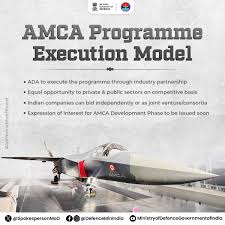
Hindustan Aeronautics Limited (HAL) is the key PSU in promoting Made in India products, such as the Tejas Light Combat Aircraft and Light Utility Helicopter (LUH). These platforms not only demonstrate Indian engineering and technological prowess but also enhance defence capabilities by reducing reliance on foreign suppliers.​ HAL is expected to showcase a wide range of aerospace innovations, and it generally showcases and announces its new projects and updates the progress of the previous ones. An update on the progress of India’s indigenous fighter aircraft projects, i.e. Tejas Mk II and fifth generation AMCA, by HAL and Aeronautical Development Agency (ADA) would be expected. Advanced Light Helicopter (ALH) Dhruv, LCH (Light Combat Helicopter) Prachand, and the HTT-40 trainer aircraft will likely feature prominently. HAL’s progress on its CATS Program and the indigenous fighter aircraft engine project (by GTRE) will also be eagerly awaited.


Startups and Innovation. The 2025 edition aims to underscore the pivotal role of startups and MSMEs (Micro, Small, and Medium Enterprises) in the aerospace sector. Dedicated zones for startups will enable budding innovators to network with investors and showcase their technologies. The increasing focus of Indian firms on designing and producing critical defence technologies locally will be a source of inspiration and hope for the future of the industry.


International Participation. Aero India’s reputation as a premier aerospace event ensures strong international participation. Delegations from countries like the United States, Russia, France, Israel, and the United Kingdom are expected to attend. Aerospace giants like Boeing, Lockheed Martin, Dassault Aviation, and Airbus will showcase their latest technologies alongside Indian firms like HAL (Hindustan Aeronautics Limited) and DRDO (Defence Research and Development Organisation). These companies are vying for multi-billion-dollar defence contracts with the Indian government, making Aero India a crucial negotiation platform. These firms will exhibit a variety of aerospace technologies, from advanced fighter jets and drones to cutting-edge avionics and defence systems.​


Russian Presence in Aero India 2025. The Russian presence in Aero India 2023 was minimal. However, in recent times, Russia has been pursuing the sale of its defence equipment with renewed vigour. Russia is expected to have a strong presence at Aero India 2025. Russia would aim to reinforce its commitment to Indo-Russian defence ties and potentially spark interest in future collaborations or technology transfers involving advanced aerospace systems.​ Additionally, there is speculation that Russia might showcase its Su-57E fifth-generation stealth fighter jet.


Shaping the Future of Aerospace


India’s Growing Aerospace Capabilities. Aero India 2025 reflects India’s strides in the aerospace and defence sectors. Recent initiatives, such as the “Make in India” and “Aatmanirbhar Bharat” (Self-Reliant India) campaigns, have bolstered the country’s indigenous manufacturing capabilities. The event is crucial in advancing the Indian government’s initiatives.


Indigenous Aircraft and Technology. Indian defence manufacturers (DPSUs and private sector) will actively participate in showcasing home-grown technologies. India’s indigenously developed aircraft, such as the Tejas Light Combat Aircraft (LCA), and upcoming projects like the Advanced Medium Combat Aircraft (AMCA), are expected to take centre stage. The development of these aircraft underscores India’s commitment to self-reliance in defence production.


Defence Exports. Over the years, India has transitioned from a major arms importer to a defence exporter. The Aero India platform showcases India’s growing prowess in developing systems for international markets. Aero India will highlight the export potential of Indian-made defence products, like the Tejas fighter and advanced helicopters.


Bilateral Collaborations. Aero India 2025 will serve as a venue for countries to strengthen bilateral defence ties through agreements, joint ventures, and partnerships. With delegations from numerous countries expected, the event underscores India’s role as a global hub for aerospace collaboration, fostering a sense of optimism and encouragement about the potential for global impact.


Partnerships and Investments. The event facilitates partnerships between Indian and foreign firms, enhancing technology transfer and co-development. Agreements signed at Aero India often pave the way for strategic investments and joint ventures. Joint ventures with global giants like Lockheed Martin, Boeing, and Dassault Aviation help set up manufacturing facilities in India, aligning with the Make in India initiative.


Strengthening Diplomacy. Aero India also acts as a diplomatic platform, with defence ministers and officials from various countries engaging in dialogue to bolster military cooperation and trade.


Economic and Strategic Importance. Aero India 2025 holds immense economic and strategic significance for India. The event boosts local businesses and the hospitality sector in Bengaluru, creating job opportunities and driving economic growth.


By hosting an event of this magnitude, India reinforces its position as a key player in global aerospace and defence, attracting investments and solidifying partnerships. The countdown to Aero India 2025 has begun. The event will highlight India’s growing prominence in the global defence sector with various attractions, including live aerobatic displays and the unveiling of new projects. It promises to foster collaboration between international and domestic stakeholders, providing opportunities for business growth, knowledge exchange, and technological advancement. Aero India 2025 is poised to celebrate innovation and strengthen India’s position as a key player in the global aerospace industry.


Please do Comment.


1957
Default rating

Please give a thumbs up if you  like The Post?


For regular updates, please register your email here:-

Subscribe


References and credits

To all the online sites and channels.

Disclaimer:

Information and data included in the blog are for educational & non-commercial purposes only and have been carefully adapted, excerpted, or edited from reliable and accurate sources. All copyrighted material belongs to respective owners and is provided only for wider dissemination.

582:DECODING CHINA’S SIXTH-GENERATION FIGHTER AIRCRAFT PROGRAM


Pic Courtesy Net


My Article published in the SP Aviation Defence Magazine


In November 2024, at the Zhuhai Air show, China unveiled a full-scale model of its sixth-generation fighter, named the “White Emperor” or “Baidi.” This aircraft is part of Project Nantianmen’s research initiative exploring future aviation technologies.  However, on 26 Dec 24, pictures and videos of the flight of two advanced prototypes were shared on social media. These are considered to be its sixth-generation fighter jets but seem to have little similarity with the “White Emperor” model shown at Zhuhai Airshow 2024.  This milestone underscores China’s advancing aerospace capabilities and ambition to compete with global superpowers in the future of air combat.

China has made significant strides in developing cutting-edge military technologies in the ongoing arms race among world powers. China’s Sixth-Generation Aircraft program has generated considerable buzz in defence and aviation circles. While official reports and state-controlled media often paint a picture of cutting-edge technology and a new era of Chinese air dominance, the hype surrounding these aircraft usually exceeds the tangible realities. At the heart of China’s push for a sixth-generation fighter is surpassing existing U.S. and Russian technologies by integrating artificial intelligence, enhanced stealth, hypersonic speeds, and advanced weaponry. However, the actual capabilities of these aircraft, still shrouded in secrecy, remain uncertain. Understanding the gap between expectation and reality is crucial for evaluating the true impact of China’s ambitions on global aviation and defence strategies. The successful development and deployment of these sixth-generation fighters could potentially shift the balance of power in the global defence landscape, influencing the strategy and capabilities of other major powers.


The Prototypes


Two advanced jet prototypes were observed flying over China’s airspace, marking a significant milestone in China’s military aviation development.


The first (the Cheng-6 on Chinese social media), developed by Chengdu Aircraft Corporation, features a tailless, diamond-shaped modified delta wing design, enhancing its stealth capabilities and aerodynamic efficiency. The airframe is optimised for internal payload storage and has an underside reminiscent of the YF-23. Notably, this aircraft is believed to utilise a unique three-engine configuration, with air intakes positioned atop the fuselage. Underpowered Chinese engines may have driven the apparent three-engine design, or the third engine could be for high-speed space operations. The aircraft will likely have a high fuel/weapons load and a significant range. Its design suggests a focus on long-range missions and advanced stealth features. The design configuration indicates its potential use in roles requiring long-range missions, high-speed flight, and significant payloads, such as heavy tactical fighter or regional bomber missions.


The second prototype (Shen-6), attributed to Shenyang Aircraft Corporation, also exhibits a tailless design with a twin-engine configuration but a more conventional layout than its Chengdu counterpart. It has a few features similar to those of the U.S. F-22 and F-35 aircraft. This aircraft emphasises stealth characteristics, aiming to minimise radar detection. It could be a low-observable F-35-style multi-role fighter featuring higher manoeuvrability without sacrificing range. It may be a mass-manufacturable second-tier fighter to complement the J-20. The Shen-6’s design characteristics indicate it could be suited for multi-role operations, including carrier-based missions.


The simultaneous development of these two prototypes indicates China’s commitment to advancing its aerial combat capabilities and achieving a diversified fleet of next-generation fighter jets. Although this could be a case of two separate companies bidding on the same project, the apparent Maximum Take-off Weight (MTOW) difference may imply different mission roles. The two prototypes seem complementary rather than competitive, with the Chengdu prototype’s design more consistent with characteristics attributed to the JH-XX tactical fighter-bomber concept. In contrast, the Shenyang prototype features seem to enhance operational flexibility. Both aircraft align with principles associated with sixth-generation fighter designs, including advanced stealth, and in all probability, are capable of integration with unmanned systems and networked combat capabilities. It remains unclear whether these are crewed, optionally crewed, or intended to be uncrewed but temporarily feature pilots for the test phase only.


Hype vs. Reality


The Chinese Ministry of Defence and state media have not officially confirmed the aircraft’s specifications or capabilities. This lack of official confirmation is consistent with China’s typical approach to military advancements, where details are often withheld until the government deems it appropriate to release information. The controlled dissemination of information seems intentional, aiming to generate discussion and speculation about China’s advancements in military aviation. Without official confirmation, the aircraft’s true capabilities and purpose remain speculative. The Chinese Ministry of Defence’s silence leaves room for various interpretations and analyses, making it challenging to ascertain the exact nature of the aircraft and its implications for global military dynamics.


Assessing the reality of China’s sixth-generation fighter aircraft program amidst the hype requires a meticulous analysis of the available evidence, China’s broader military capabilities, and historical trends. This scrutiny is essential to separate the facts from the exaggerations and understand China’s ambitions’ actual impact on global aviation and defence strategies.


Observable Reality. Two distinct sixth-generation prototypes—one from Chengdu Aircraft Corporation and another from Shenyang Aircraft Corporation—have reportedly conducted flights. Videos and imagery on social media and analysts substantiate these claims. China has made significant strides in aerospace technologies, such as radar-absorbing materials, hypersonic weapons, and advanced sensors. These technologies align with sixth-generation fighter requirements. The prototypes and China’s technological advances are actual. China is progressing quickly in aerospace capabilities, and its sixth-generation fighter program is a credible effort to develop cutting-edge aircraft. These aircraft designs appear consistent with sixth-generation fighter concepts, i.e.  Tailless shapes, advanced stealth features, and potential for artificial intelligence integration. The Chengdu prototype’s three-engine configuration suggests focusing on greater thrust and energy generation, possibly for directed-energy weapons or advanced sensor systems.


Likely Exaggerations (Hype). China’s military often uses high-profile unveilings to signal technological prowess, which may not reflect immediate readiness. Publicising advanced aircraft boosts national pride and deter adversaries by creating the perception of parity or superiority in air combat. Historically, Chinese designs often take cues from existing foreign designs. The speed of development may indicate reliance on reverse-engineered components or speculative technologies. Some claims about capabilities—such as seamless artificial intelligence integration, swarm control of drones, or fully functional directed-energy weapons—are unverified and might be aspirational rather than operational. China’s ability to mass-produce sixth-generation fighters remains uncertain, particularly under international sanctions and technological bottlenecks (e.g., domestic jet engine reliability).


Comparative Analysis


The global race to develop sixth-generation fighter aircraft is focused on pushing the boundaries of air combat capabilities. Comparing China’s emerging sixth-generation fighters with programs in the U.S., Europe, and Russia highlights differences in strategy, technology, and priorities. Subsequent paragraphs compare their core specifications and capabilities.


Stealth and Aerodynamics. Prototypes from Chengdu and Shenyang feature tailless designs to reduce radar cross-section and improve stealth. The Chengdu version reportedly has a diamond-shaped delta wing with three engines, possibly enhancing agility and energy management. They prioritise passive stealth with an emphasis on coatings and shaping. U.S. (NGAD Program) will likely incorporate multi-spectral stealth (radar, infrared, and acoustic) with advanced materials and active stealth systems. It may feature variable geometry wings and extreme agility enhancements. The Europe (FCAS/Tempest) is focused on stealth but with added emphasis on low observability across electromagnetic and thermal spectrums and highly modular designs to adapt to mission needs. The Russia (MiG-41, PAK DP) emphasises speed and high-altitude performance over traditional stealth. Claims include hypersonic capabilities.


Sensors and Avionics. China emphasises sensor fusion and integration into battlefield networks. It is likely to feature early AI implementations for decision support. Its prototypes reportedly focus on long-range sensor detection and electronic warfare. The U.S. program includes advanced sensor fusion with real-time data sharing across multiple platforms backed by AI. They are likely to incorporate advanced quantum radars and resilient communication systems. The European FCAS emphasises sensor fusion and cooperative engagement capabilities (e.g., directing drone swarms). Russia has a less explicit focus on advanced sensor integration. Historically, it lacks behind in electronics but emphasises long-range detection and targeting systems.


Weapons Systems. China will likely include long-range missiles, hypersonic weapons, and directed-energy systems (e.g., lasers), integrating unmanned wingmen and drone swarms to amplify firepower. In the U.S. design, the directed-energy weapons (laser and microwave systems) are expected to feature prominently along with advanced air-to-air and air-to-ground missile systems, likely with hypersonic and loitering capabilities. FCAS emphasises collaborative engagement with unmanned platforms and electronic warfare capabilities. The Russian design is expected to focus on hypersonic missiles and high-speed intercept weapons.


AI and Autonomous Capabilities. China will likely resort to early AI adoption for decision-making and data processing. It is likely to feature semi-autonomous operations and control over unmanned systems.  U.S. has leadership in AI with autonomous systems capable of executing combat missions and controlling drone swarms. It is expected to integrate it with cloud-based battlefield management systems. The European focus is on cooperative AI, particularly in managing multi-platform networks (fighters, drones, and ground systems). Historically, Russia is less advanced in AI integration but may prioritise simpler, rugged autonomous features.


Range and Endurance. China’s three-engine design of one prototype suggests a focus on extended range and mission endurance. It likely aims to dominate the Western Pacific and beyond. The U.S. program is designed for global reach with aerial refuelling and extended-range combat. European effort is primarily intended for regional missions within Europe but has some extended capabilities for international deployment. Russia is likely to prioritise high-speed intercept missions over endurance.


Strengths and Weaknesses. The strengths and weaknesses of each program are summarised below:-

    • China. Its strengths include rapid development, a focus on stealth, long-range operations, and integration with drone swarms. Its weaknesses are AI maturity, engine reliability, and dependency on reverse engineering.
    • The USA. The U.S. Strengths include leadership in AI, stealth, weapons systems, and operational readiness. However, high costs and complexity could slow down production.
    • Russia. Russia’s strengths are its hypersonic missile focus, speed, and ruggedness. However, it lags in stealth and AI capabilities and has limited resources.
    • Europe. Their strengths are cooperative AI, adaptability, and strong industrial collaboration. Weaknesses include budget constraints and potential delays due to multinational coordination.


Time Lines: Technology to Capability


A prototype’s first flight is a significant step, but operational readiness involves years of testing, integration, and production. While China has demonstrated rapid progress in its sixth-generation fighter program, several factors will determine how close it is to operational deployment.

    • Development Timeline. The maiden flights of two sixth-generation prototypes indicate the early stages of development. Historically, it takes a decade or more from prototype testing to fielding a combat-ready squadron.
    • Testing and Iteration. Extensive testing is required to validate the aircraft’s performance, systems integration, and combat effectiveness. Early prototypes may evolve significantly before final production models.
    • Technological Maturity. Reliable, high-thrust engines capable of supercruising and supporting advanced systems are critical. China’s WS-15 engine for the J-20 has reportedly faced delays, suggesting potential challenges in developing next-generation engines for sixth-generation aircraft. Sixth-gen fighters must leverage advanced sensor fusion, artificial intelligence, and networked warfare capabilities. Developing and operationalising these technologies will take time. While Directed-Energy Weapons and Drone Swarms are touted as potential features, achieving battlefield-ready versions of such systems remains a significant challenge globally, not just for China.
    • Production and Logistics. Building a squadron requires mass production of advanced components, including stealth materials, avionics, and engines. China has strong manufacturing capabilities but may face bottlenecks due to sanctions and technological dependencies.


    • Training and Support Infrastructure. Pilots, ground crews, and logistical support systems must be trained and established to operate and maintain sixth-gen fighters effectively.


    • Strategic Drivers. China’s ability to accelerate development depends on how aggressively it prioritises this program over others, including improvements to existing platforms like the J-20 or J-31. Rising tensions with the U.S. and its allies could push China to field these fighters sooner, even in limited numbers, for deterrence purposes.


Current Estimate. A cautious view suggests that while China is advancing rapidly, its sixth-generation fighters may still be years away from full operational deployment, with significant technological and logistical challenges to overcome. The U.S. F-35, for instance, first flew in 2006 but reached initial operational capability (IOC) only in 2015. Based on available information and historical parallels, if China follows a similar timeline, its sixth-generation fighters could achieve IOC by the early to mid-2030s. China could field a symbolic squadron earlier, but these would likely have been pre-operational units used for further testing and refinement rather than full combat readiness. A fully Operational Squadron could be formed earliest by 2035, assuming no significant development, production, or integration setbacks are faced.


Implications


The development of sixth-generation fighter aircraft positions China at the forefront of the global race for sixth-generation fighter technology, potentially challenging the air superiority of other nations and reshaping the dynamics of modern aerial warfare. These developments significantly affect regional security dynamics, particularly in the Far East and South Asia.


Broader Geopolitical Implications. A successful sixth-gen program would boost China’s confidence in its ability to deter external intervention, particularly by the U.S., in disputes over Taiwan or the South China Sea. It may embolden China to pursue a more assertive posture in regional disputes. The U.S. will likely increase military support to its allies (Japan, South Korea, Taiwan, and potentially India) to counterbalance China’s growing air power. Regional powers are likely to boost defence budgets to acquire or develop next-gen capabilities, exacerbating the arms race in Asia. Smaller Southeast Asian nations may seek advanced air defence systems to avoid vulnerability.


Overall Regional Impact. China’s advancement in sixth-generation aircraft challenges the air superiority traditionally held by the United States and its allies in the Indo-Pacific. Once operationalised, these fighters could extend China’s ability to project power far beyond its borders, including contested areas like the Taiwan Strait, the South China Sea, and the East China Sea. A credible sixth-generation capability is a deterrent, raising the risks for nations contemplating countering China’s military actions in disputed regions. It also strengthens China’s bargaining power in regional and global negotiations. This development could trigger a technological and military response from neighbouring countries, prompting increased defence spending and collaboration with the U.S. or European powers.


Implications for Specific Nations


Japan. Japan faces heightened security risks in the East China Sea, particularly around the disputed Senkaku Islands, as advanced Chinese aircraft could dominate contested airspace. China’s long-range strike capabilities threaten Japan’s strategic assets and population centers. Japan has already committed to the F-X program, a sixth-generation fighter co-developed with the UK (Tempest) and Italy. This program may accelerate to counter China’s advancements. It may strengthen the U.S.-Japan alliance, hosting more advanced U.S. assets like the F-35 and NGAD platforms.


South Korea. The Korean Peninsula’s proximity to China makes South Korea vulnerable to Chinese air power in any regional conflict. Chinese sixth-generation fighters could neutralise South Korea’s current air force, including its F-35 fleet. South Korea may fast-track its KF-21 Boramae fighter program and consider deeper integration with U.S. defence systems. It may enhance missile defence and joint military drills with the U.S. and Japan to prepare for aerial threats.


Taiwan. Taiwan is the most directly threatened. Sixth-generation fighters could overwhelm Taiwan’s defences, outmatch its current fleet, and enforce air superiority over the Taiwan Strait. Combined with unmanned systems and precision weapons, China could use these fighters in a potential blockade or invasion scenario. Taiwan must invest heavily in asymmetric defence strategies, such as anti-air systems, drones, and missile capabilities, to offset China’s technological advantage. It will strengthen U.S.-Taiwan collaboration, particularly for advanced defensive systems like the Patriot and Aegis missile systems.


India. While geographically distant from East Asia, India faces security challenges along its disputed borders with China. Chinese sixth-generation fighters could provide superior air power in a conflict scenario, outmatching India’s existing fourth-generation aircraft, such as the Su-30MKI or its limited fleet of Rafales.  India’s AMCA (Advanced Medium Combat Aircraft) project gains urgency to develop a fifth-generation platform and potentially leapfrog into sixth-gen technologies. It may need to strengthen partnerships and collaborations with Western nations, emphasising indigenous development and joint ventures.


China’s sixth-generation fighter program signifies a leap forward in its military modernisation. It presents a direct challenge to the regional balance of power, making it a pivotal development in shaping the strategic dynamics of the Indo-Pacific. The operationalisation of China’s sixth-generation fighters could reorder regional air power dynamics, with the U.S. and its allies responding with their advanced capabilities.


Conclusion


China’s sixth-generation fighter aircraft program is impressive, and as it inches closer to operational readiness, it signals a pivotal shift in global airpower dynamics. By leveraging advanced technologies like artificial intelligence, stealth, and hypersonic capabilities, China aims to achieve dominance in air combat and strategic deterrence. Compared to the United States and its contemporaries, Beijing’s accelerated progress highlights its determination to close the technology gap. While equally ambitious, the U.S. Next Generation Air Dominance (NGAD) program emphasises joint combat capabilities and seamless integration within a broader technological ecosystem. Meanwhile, Europe’s Tempest and FCAS programs underscore the necessity for international collaboration but face delays and funding challenges.


The sixth-generation race is not merely about the aircraft but about the strategic ecosystems they represent. China’s approach, marked by centralised control and rapid prototyping, offers speed but raises questions about operational reliability and sustainability. Notwithstanding, the implications of this development are profound. It mandates investments in asymmetric warfare and counter-stealth technologies for regional countries to mitigate a growing disparity. Globally, China’s advancements could prompt a new arms race, influencing defence spending and alliances. 


Request Please do Comment


1957
Default rating

Please give a thumbs up if you  like The Post?


For regular updates, please register your email here:-

Subscribe


Disclaimer:

Information and data included in the blog are for educational & non-commercial purposes only and have been carefully adapted, excerpted, or edited from reliable and accurate sources. All copyrighted material belongs to respective owners and is provided only for wider dissemination.

References and credits

To all the online sites and channels.

References:-

  1. Global Times. “China Showcases Sixth-Gen Fighter Model at Zhuhai Air show.” Published November 15, 2024.
  1. South China Morning Post. “China’s Sixth-Gen Fighter: Prototypes Take to the Skies.” Published December 27, 2024.
  1. BBC News. “China’s Advanced Fighters: How They Compare with the US and Europe.” Published December 2024.
  1. The Guardian. “What China’s Sixth-Generation Fighter Program Means for Global Security.” Published December 2024.
  1. CNN International. “China’s Aerospace Leap: Sixth-Gen Fighters Take Center Stage.” Published December 2024.
  1. Defence News. “A Tale of Two Prototypes: China’s Sixth-Gen Fighter Race Heats Up.” Published December 2024.
  1. Breaking Defence. “China’s Sixth-Gen Jets: Decoding the Strategic Message.” Published November 2024.
  1. The Straits Times. “Asia Responds to China’s Next-Gen Fighter Developments.” Published December 2024.
  1. The Economic Times (India). “Implications of China’s Sixth-Gen Aircraft on Indian Security.” Published December 2024.
  1. Nikkei Asia. “How China’s Sixth-Generation Fighters Could Reshape the Indo-Pacific.” Published December 2024.
  1. Foreign Affairs. “Arming the Future: The Sixth-Generation Fighter Race.” Published December 2024.
  1. Reuters. “China’s Military Aviation Milestone: What the World Needs to Know.” Published December 2024.
  1. Al Jazeera. “The Geopolitical Fallout of China’s Sixth-Gen Fighter Program.” Published December 2024.
  1. U.S. Department of Defence. Annual Report to Congress: Military and Security Developments Involving the People’s Republic of China. Washington D.C., 2024.


  1. RAND Corporation. The Future of Airpower: Comparative Analysis of Next-Gen Fighter Programs, 2024.
  1. Indian Defence Review. “China’s Sixth-Generation Fighter Program: Implications for India’s Air Defence Strategy.” IDR, December 2024.
  1. European Defence Agency. Collaborative Combat: The Future of the FCAS and Tempest Programs. EDA Technical Report, 2024.

English हिंदी