
Article for the “Center of Excellence for Geopolitics and International Studies” website of Reva University on 08 Jul 25.
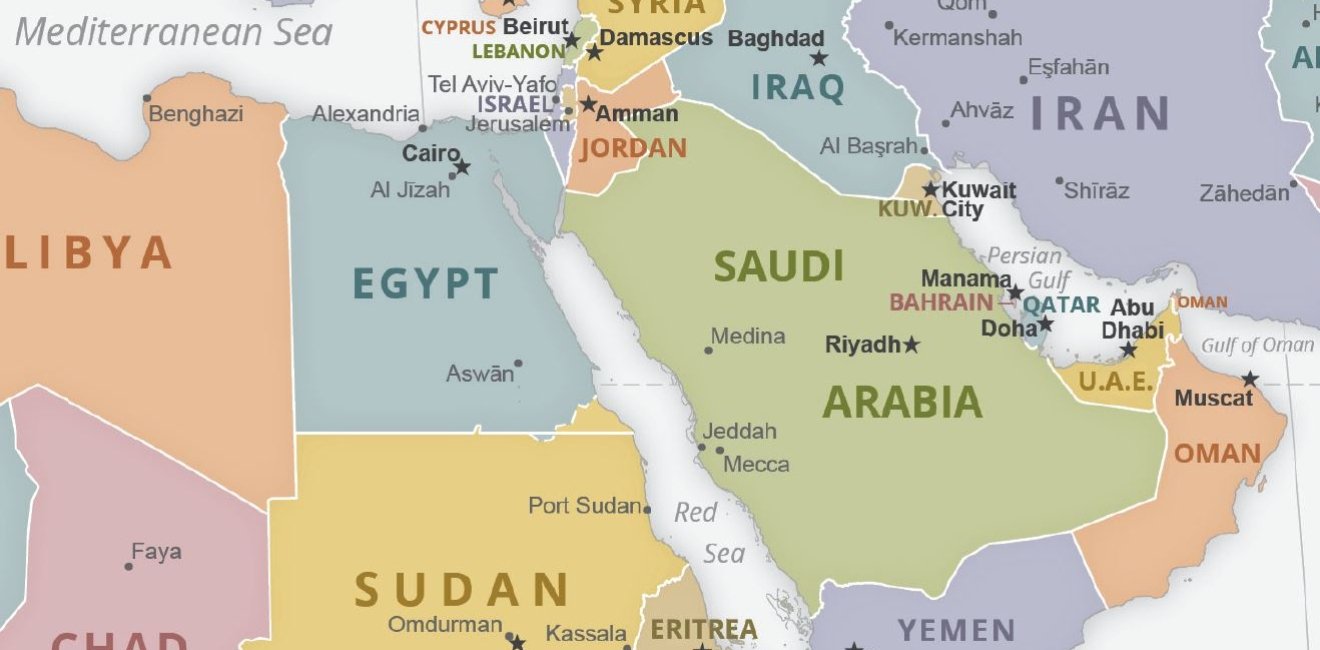
The West Asia has long been a crucible of geopolitical strife, with its conflicts reverberating far beyond its borders. In 2025, escalating tensions in the region, driven by a volatile mix of sectarian rivalries, resource competition, and great power interventions, continue to reshape the political, economic, and security landscape of Eurasia. From energy markets to migration flows, and trade routes to diplomatic alignments, the ripple effects of West Asian instability are profoundly felt across the vast Eurasian supercontinent, influencing both regional powers and global dynamics.
Energy Market Disruptions. The West Asia remains a linchpin of the global energy supply, with countries such as Saudi Arabia, Iran, and Iraq holding significant portions of the world’s oil and gas reserves. Tensions, particularly between Iran and its Gulf neighbours, have repeatedly threatened key chokepoints, such as the Strait of Hormuz, through which roughly 20% of global oil passes. Recent escalations have driven oil prices higher, with Brent crude currently hovering around $95-100 per barrel as of mid-2025. This volatility directly impacts the economies of Eurasia, particularly energy-hungry nations like China and India, which rely heavily on West Asian oil.
Trade Routes and Supply Chain Vulnerabilities. The West Asia’s strategic geography makes it a crucial node in Eurasian trade networks, particularly in the context of the Belt and Road Initiative (BRI). Conflicts in the region, such as the ongoing Israel-Palestinian/Iran crisis and Houthi attacks in the Red Sea, threaten maritime routes like the Suez Canal, through which 12% of global trade flows. Houthi drone and missile strikes on shipping in 2024-2025 have forced rerouting around the Cape of Good Hope, increasing costs and delays for goods moving between Asia and Europe. This has prompted China to bolster overland BRI routes through Central Asia.
Migration and Humanitarian Crises. West Asian conflicts have driven waves of migration, with profound implications for the Eurasian region. The Syrian civil war continues to push refugees into Turkey. In 2025, renewed violence in Iraq and Yemen has triggered fresh displacement, with refugees and asylum seekers moving not only westward but also eastward into Central Asia and South Asia. Pakistan and Iran, already hosting millions of Afghan refugees, face additional pressures, exacerbating resource scarcity and ethnic tensions. The humanitarian toll also diverts resources from development projects.
Security and Geopolitical Realignments. West Asian tensions are reshaping Eurasian security dynamics, prompting major powers to recalibrate their strategies in response. Russia, a key player in both regions, leverages its military presence in Syria to project power while deepening ties with Iran. This alignment, however, alienates Turkey and complicates Moscow’s relations with Sunni-majority states like Saudi Arabia. Meanwhile, China’s non-interventionist stance is tested as it seeks to protect its investments in the Middle East and Central Asia, leading to cautious military cooperation with regional powers. The U.S., while reducing its West Asian footprint, remains a pivotal actor through alliances with Israel and the GCC.
The Broader Eurasian Impact. The interplay of these factors creates a feedback loop that destabilises Eurasia. Regional powers, such as Turkey, Iran, and India, are often forced to adapt, often at the expense of their domestic priorities. Smaller Eurasian states, particularly in Central Asia, face heightened risks of being drawn into great power rivalries or extremist networks. Meanwhile, global initiatives like the BRI and climate transition efforts are slowed by the need to address immediate crises emanating from the West Asia.
Conclusion. In 2025, the West Asia’s tensions are not merely a regional issue but a Eurasian one, with consequences that ripple across continents. Addressing these challenges requires coordinated diplomacy, robust economic diversification, and a commitment to humanitarian principles. Without such efforts, the fault lines of the West Asia will continue to fracture the Eurasian landscape, undermining stability and prosperity for years to come.
Please Add Value to the write-up with your views on the subject.
For regular updates, please register your email here:-
Link to the article on the web site:-
https://www.geopolitics.reva.edu.in/Middle%20East%20Tensions%20Impacting%20Eurasia.html
References and credits
To all the online sites and channels.
Pics Courtesy: Internet
Disclaimer:
Information and data included in the blog are for educational & non-commercial purposes only and have been carefully adapted, excerpted, or edited from reliable and accurate sources. All copyrighted material belongs to respective owners and is provided only for wider dissemination.
References:-
- CSIS: Experts React: Energy Implications of Escalating Middle East Conflict, Published: October 8, 2024
- TRENDS Research & Advisory: Energy Geopolitics in a Fragmented World, Published: November 12, 2024
- Al Jazeera Centre for Studies: The Geopolitics of Global Trade: Why the Middle East Matters Now More Than Ever, Published: June 3, 2025
- Carnegie Endowment: The Geopolitics of Economic Development in the Middle East, Published: February 15, 2024
- Foreign Policy Research Institute: Turkey’s Evolving Geopolitical Strategy in the Black Sea, Published: December 4, 2024
- World Economic Forum: Global Risks Report 2025, Published: January 15, 2025
- IMF: Press Briefing Transcript: Middle East and Central Asia Department, Spring Meetings 2025, Published: April 24, 2025
- International Institute for Iranian Studies: The Middle East Conflict and Indications of Change in the Strategic Environment, Published: February 10, 2025
- Carnegie Endowment: Ending the New Wars of Attrition: Opportunities for Collective Regional Security in the Middle East, Published: March 5, 2025
- Brookings: Forecasting China’s Strategy in the Middle East over the Next Four Years, Published: December 19, 2024
- Asian Review of Political Economy: China’s Belt and Road Initiative in Southeast Asia and its Implications for ASEAN-China Strategic Partnership, Published: December 3, 2024
- Science Direct: The Belt and Road Initiative and Partnership for Global Infrastructure and Investment: Comparison and Current Status, Published: June 1, 2025