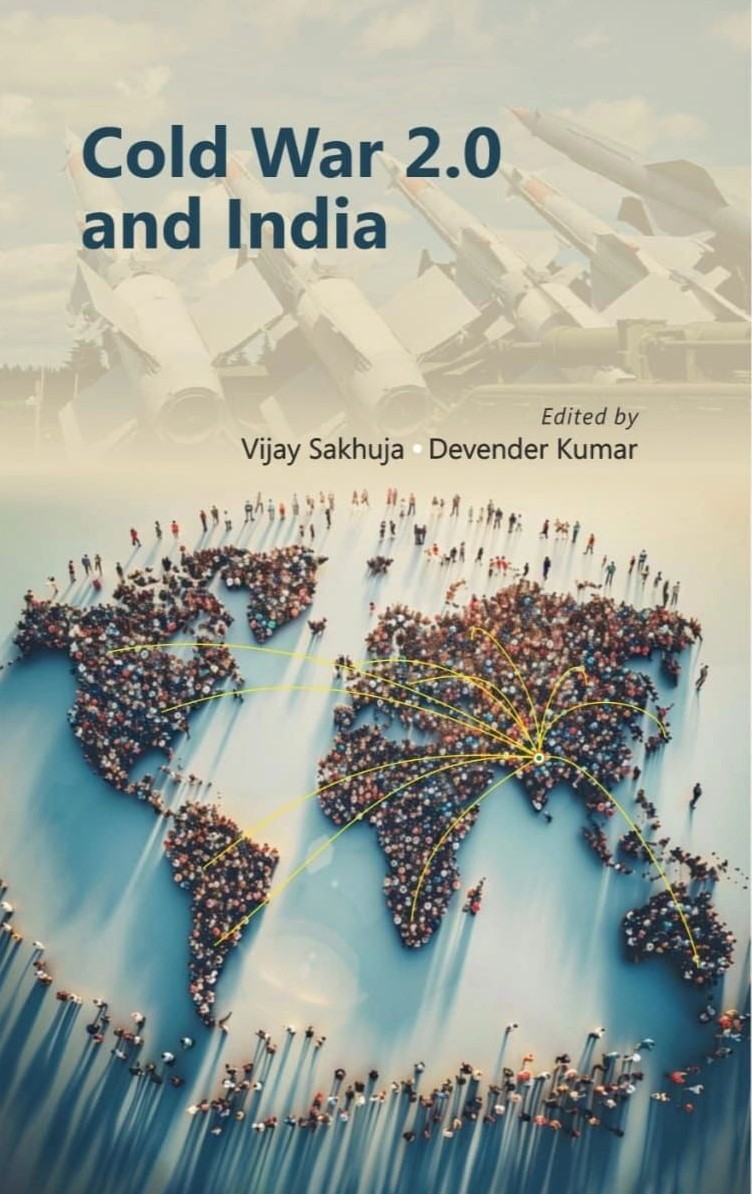
670: COLD WAR 2.0: MILITARY ASPECTS AND IMPACT ON INDIAN SECURITY


My contribution to the book 

“Cold War 2.0 and India”


The world is witnessing the emergence of a new Cold War, often referred to as Cold War 2.0, primarily driven by intensifying geopolitical, economic, and technological rivalries between the United States and China, with Russia playing a significant role. Unlike the ideological battle of the original Cold War, this modern conflict is fuelled by strategic competition for global influence, military dominance, and economic control. Key drivers of Cold War 2.0 include China’s rise as a military and technological superpower, the US-led effort to counterbalance Beijing’s influence, and Russia’s challenge to Western dominance. Arms build-ups, strategic alliances, hybrid warfare, and advancements in emerging technologies like artificial intelligence, space warfare, and hypersonic missiles mainly characterise Cold War 2.0. For India, this renewed great-power rivalry presents both opportunities and challenges. Understanding the military dimensions of Cold War 2.0 is crucial and necessary for analysing its impact on global stability, the evolving nature of warfare, and the strategic recalibrations required for nations like India to safeguard their security interests.


Drivers of Cold War 2.0

The re-emergence of great power competition in the 21st century has led to a period characterised by heightened strategic rivalry between the United States and China, with Russia playing a significant but secondary role. Unlike the original Cold War, which was primarily an ideological struggle between capitalism and communism, this new iteration is driven by geopolitical, economic, technological, and military factors.  These factors have reshaped the global order and fuelled an environment of sustained strategic hostility, making Cold War 2.0 a defining feature of contemporary international relations.

One of the most significant drivers of Cold War 2.0 is the rise of China as a global superpower, challenging the longstanding dominance of the United States. Over the past four decades, China has undergone an economic and military transformation that has propelled it to the forefront of global politics. The Belt and Road Initiative (BRI), China’s massive infrastructure and investment project spanning Asia, Africa, and Europe, has been a key instrument in expanding Beijing’s influence. While China claims that the BRI is purely an economic initiative, Western policymakers see it as a geopolitical tool to increase China’s leverage over developing nations. Furthermore, China’s military expansion, most notably in the South China Sea, has alarmed the United States and its regional allies. The Chinese Communist Party (CCP) has also aggressively pursued technological dominance, particularly in fields such as artificial intelligence, 5G, and quantum computing. The rapid ascendance of China as a comprehensive power has disrupted the global balance, triggering countermeasures from the United States, including trade restrictions, sanctions on Chinese technology firms, and strengthened military alliances in the Indo-Pacific. This great power rivalry, rooted in China’s challenge to U.S. hegemony, is a fundamental driver of Cold War 2.0.

The second major driver of this new Cold War is the resurgence of Russia as a revisionist state seeking to undermine Western influence and reassert its geopolitical ambitions. Although Russia lacks comparative economic power, it remains a formidable military force with vast energy resources and a willingness to engage in aggressive foreign policies.  The war in Ukraine has strengthened the perception of a new Cold War, with Russia aligning itself more closely with China, Iran, and North Korea to counterbalance Western power. Russia’s actions have not only escalated tensions with the United States and Europe but have also contributed to a broader global realignment, with countries being forced to take sides in this emerging bipolar struggle.

The erosion of American unipolarity and the fragmentation of the liberal international order have also played a crucial role in driving Cold War 2.0. Following the collapse of the Soviet Union in 1991, the United States emerged as the world’s sole superpower, ushering in a period of unchallenged American dominance. However, U.S. global influence has waned in recent years due to domestic political polarisation, costly military interventions, and economic challenges. The wars in Iraq and Afghanistan drained American resources. They damaged its credibility, while the rise of populist movements and political divisions have weakened Washington’s ability to project unified global leadership. The decline of unipolarity has created a more competitive and unstable international system, where power is increasingly distributed among multiple actors, setting the stage for heightened strategic rivalry.

Economic decoupling and technological competition between the United States and China constitute another major driver of Cold War 2.0. The global economy, once characterised by deep interdependence, is now experiencing a shift toward fragmentation as Washington and Beijing seek to reduce their reliance on each other. The U.S. has imposed sweeping restrictions on Chinese technology firms, particularly in semiconductor manufacturing, artificial intelligence, and telecommunications, citing national security concerns. In response, China has accelerated its efforts to achieve self-sufficiency in critical industries, investing heavily in indigenous innovation and supply chain resilience. This technological decoupling is not just an economic issue—it has profound military and strategic implications, as control over emerging technologies will determine the balance of power in future conflicts. The race for supremacy in AI, quantum computing, cyber warfare, and space exploration is now a central battlefield in Cold War 2.0, with both sides striving to outmanoeuvre each other in the next frontier of global dominance.

Finally, the ideological and political divide between democratic and authoritarian systems has reinforced the divisions of Cold War 2.0. The United States and its allies promote liberal democracy, human rights, and a rules-based international order. Meanwhile, China and Russia advocate for state sovereignty, authoritarian stability, and non-interference in domestic affairs. The contrast between these governance models has led to intensified ideological competition, with both sides seeking to expand their influence globally. The U.S. has framed its rivalry with China and Russia as a struggle between democracy and autocracy, rallying allies to counter Beijing’s and Moscow’s influence in international institutions. Meanwhile, China’s “Global Security Initiative” aim to portray the West as a declining power, promoting an alternative world order.


Military Aspects of Cold War 2.0

The evolving geopolitical landscape of the 21st century has increasingly drawn comparisons to the original Cold War. The military dimension of Cold War 2.0 is particularly critical, as it shapes global security dynamics through arms races, power projection, strategic alliances, and hybrid warfare. The military aspect of this renewed competition manifests in several key areas.

One of the most visible military aspects of Cold War 2.0 is the modernisation and expansion of nuclear arsenals. While the U.S. and Russia still maintain the largest stockpiles of nuclear weapons, China’s rapid nuclear build-up has become a central concern for Western policymakers. Unlike during the first Cold War, when the U.S. and Soviet Union were the primary nuclear superpowers, the emergence of China as a third major nuclear player significantly altered the strategic calculus. Beijing has also been expanding its missile silos, developing hypersonic delivery systems, and pursuing advanced nuclear-powered submarines, signalling its intent to establish a more robust second-strike capability. At the same time, Russia’s suspension of the New START treaty, coupled with its threats of tactical nuclear weapon use in Ukraine, has reignited fears of a new nuclear arms race. The U.S., in response, is modernising its nuclear triad, investing heavily in next-generation intercontinental ballistic missiles (ICBMs), stealth bombers, and submarine-launched ballistic missiles. These developments indicate that nuclear deterrence strategies are again at the forefront of great power competition.

Beyond nuclear weapons, conventional military capabilities have also been undergoing significant transformation. The trend is towards increased investment in stealth aircraft, long-range precision strike systems, autonomous combat platforms, and integrated air and missile defence networks. For its part, China has undertaken one of the most extensive military modernisation programs in history. The People’s Liberation Army (PLA) has rapidly expanded its naval and air forces. Despite economic constraints, Russia has focused on asymmetric warfare strategies, leveraging advanced air defence systems, hypersonic missiles, and electronic warfare capabilities.

A defining feature of Cold War 2.0 is the race for military superiority in emerging technologies such as artificial intelligence (AI), quantum computing, and autonomous warfare. Unlike the first Cold War, where military advancements were primarily centred on nuclear and conventional weaponry, digital and cyber capabilities are expected to shape modern conflicts. AI-driven autonomous drones, robotic combat units, and cyber warfare tools have become central to military planning. Quantum computing, if fully realised, could render current encryption methods obsolete, drastically altering cyber defence strategies. The cyber domain has emerged as a battlefield, with state-sponsored cyber attacks targeting critical infrastructure, defence networks, and economic systems.  As nations develop offensive and defensive cyber capabilities, the risk of cyber escalation and strategic instability increases significantly.

Hybrid warfare, a strategy that blends conventional military tactics with cyber, economic, and information warfare, has also become a defining characteristic of Cold War 2.0. China employs hybrid tactics involving disinformation campaigns, cyber-attacks, and proxy militias, leveraging economic coercion, political influence operations, and grey-zone warfare. The U.S. and its allies have responded with countermeasures, including economic sanctions, cyber counteroffensives, and the strengthening of information warfare capabilities. Unlike the Cold War of the 20th century, where direct military confrontations were largely avoided, the modern iteration features a greater degree of low intensity. These asymmetric conflicts blur the line between war and peace.


Impact of Cold War 2.0 on Indian Security

The emergence of a second Cold War has profound implications for India’s security. One of the most immediate effects of Cold War 2.0 on India is the increased militarisation of the Indo-Pacific region. As the United States seeks to contain China’s growing military and economic influence, it has strengthened its ties with allies and partners. This has enhanced defence cooperation, intelligence sharing, and joint military exercises. It has drawn India into the broader US-China confrontation, making it a target for Chinese actions, such as aggressive border moves, cyber warfare, and economic coercion. The 2020 Galwan Valley clash between Indian and Chinese forces was a stark reminder of how geopolitical tensions manifest as direct security threats for India.

Another major concern is the growing China-Pakistan nexus, which has intensified in response to Cold War 2.0. China has significantly increased its defence, economic, and nuclear cooperation with Pakistan, which directly impacts India’s security. The China-Pakistan Economic Corridor (CPEC), a flagship project of Beijing’s Belt and Road Initiative (BRI), runs through Pakistan-occupied Kashmir (PoK), challenging India’s territorial claims. China’s supply of advanced military hardware, including fighter jets, submarines, and missile systems, has strengthened Pakistan’s military capabilities, altering South Asia’s conventional and nuclear balance. There are also concerns that China could use Pakistan as a proxy to destabilise India.

India’s maritime security has also been affected as Cold War 2.0 extends into the Indian Ocean Region (IOR). China has expanded its naval footprint through bases in Djibouti and potential dual-use facilities in Sri Lanka, Pakistan (Gwadar), and Myanmar. The People’s Liberation Army Navy (PLAN) has increased its submarine patrols and surveillance activities near India’s maritime boundaries, challenging India’s dominance in its strategic backyard.

Technological competition in Cold War 2.0 also affects India’s security, particularly in artificial intelligence (AI), cyber security, and space warfare. The US and China are engaged in a technological arms race, and India must navigate this landscape carefully. Increased focus on Indigenous defence production under “Atmanirbhar Bharat” (self-reliant India) is a direct consequence of this competition.

Diplomatically, Cold War 2.0 presents India with both challenges and opportunities. While the US-India partnership has grown stronger, India remains cautious about being seen as a mere US ally. India has historically valued its strategic autonomy, as seen in its continued engagement with Russia despite Western pressure. India relies on Russian military hardware, including S-400 missile systems, and has resisted aligning too closely with US-led security pacts. However, this balancing act is becoming increasingly difficult as Cold War 2.0 escalates, forcing India to make difficult choices.

Economically, Cold War 2.0 presents risks for India’s trade and supply chain security. The US-China decoupling has disrupted global trade, affecting India’s access to key technologies, raw materials, and markets. The push for friend-shoring and near-shoring has led companies to diversify supply chains, offering India an opportunity to attract investments as an alternative manufacturing hub. However, China remains one of India’s largest trading partners, and an outright economic confrontation would be costly. India must, therefore, navigate a complex economic environment, securing its interests without alienating key partners.


Conclusion

Cold War 2.0 has fundamentally reshaped the global security landscape, with military competition emerging as a key aspect of great-power rivalry. Driven by China’s rise, Russia’s resurgence, and the United States’ efforts to maintain its strategic dominance, this new geopolitical contest is marked by military build-ups, shifting alliances, and technological arms races. The military developments have made the world more unstable, with regional conflicts and proxy wars serving as potential flashpoints for broader confrontations. For India, Cold War 2.0 presents both security threats and strategic opportunities. The growing China-Pakistan nexus and Beijing’s assertiveness along the Line of Actual Control (LAC) pose direct military challenges to India. The militarisation of the Indian Ocean, the threat of cyber warfare, and disruptions to global supply chains further complicate India’s security environment. To navigate this evolving conflict, India must bolster its military capabilities, strengthen regional partnerships, and maintain its strategic autonomy to avoid outright confrontation. As Cold War 2.0 continues to unfold, the global military balance will be shaped by how nations adapt to this new era of great-power competition, making it essential for India to proactively safeguard its national security while leveraging opportunities to enhance its geopolitical standing.


Please Add Value to the write-up with your views on the subject.


1968
Default rating

Please give a thumbs up if you  like The Post?


For regular updates, please register your email here:-

Subscribe


References and credits

To all the online sites and channels.

Pics Courtesy: Internet

Disclaimer:

Information and data included in the blog are for educational & non-commercial purposes only and have been carefully adapted, excerpted, or edited from reliable and accurate sources. All copyrighted material belongs to respective owners and is provided only for wider dissemination.


References:-

Khosla Anil, “Cold War Redux: Military Aspects of Cold War 2.0”, 16 Dec 24, https://55nda.com/blogs/anil-khosla/2024/12/16/558-cold-war-redux-military-aspects-of-cold-war-2-0/

Allison, Graham. Destined for War: Can America and China Escape Thucydides’s Trap? Houghton Mifflin Harcourt, 2017.

Kaplan, Robert D. The Return of Marco Polo’s World: War, Strategy, and American Interests in the Twenty-First Century. Random House, 2018.

Mearsheimer, John J. The Tragedy of Great Power Politics. Updated ed., W.W. Norton & Co., 2014.

Gady, Franz-Stefan. “The Future of High-End Warfare: What the Next US-China Conflict Could Look Like.” The Diplomat, 2023.

Doshi, Rush. The Long Game: China’s Grand Strategy to Displace American Order. Oxford University Press, 2021.

Mazarr, Michael J., et al. Understanding the Emerging Era of International Competition: Theoretical and Historical Perspectives. RAND Corporation, 2018.

Nye, J. S. (2012). The future of power in the 21st century. Foreign Affairs, 91(2), 90–104.

Menon, Shivshankar. India and Asian Geopolitics: The Past, Present. Brookings Institution Press, 2021.

Pant, Harsh V. The US Pivot and Indian Foreign Policy: Asia’s Evolving Balance of Power. Palgrave Macmillan, 2015.

Shankar, Arvind. “India’s Role in a Fragmented Global Order.” The Print, 2023.

Mohan, C. Raja. Samudra Manthan: Sino-Indian Rivalry in the Indo-Pacific. Carnegie Endowment for International Peace, 2012.

Singh, Abhijit Iyer-Mitra. “The Impact of US-China Rivalry on India’s Defence Strategy.” Observer Research Foundation, 2023.

Rajagopalan, Rajeswari Pillai. Space and Nuclear Deterrence in Indo-Pacific: A New Strategic Triangle. Observer Research Foundation, 2022.

664: BALANCING COST AND COMBAT CAPABILITY IN FIGHTER JET PROCUREMENT


My article was published in the May edition of the “Life of Soldier” journal.


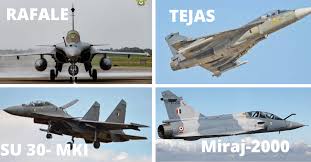
Balancing affordability and capability in fighter acquisition programs is a complex and intellectually stimulating challenge in defence procurement. Modern fighter jets, with their advanced avionics, stealth technology, and weapons systems, are not just engineering marvels but also strategic assets that can dominate the air, land, and sea. However, these capabilities come at a steep cost, and governments must grapple with budgetary constraints while ensuring their air forces remain capable of addressing current and future threats. There is a need to explore the intricate trade-offs between affordability and capability, examine past successful and unsuccessful programs, and derive best practices for achieving an optimal balance.


Key Factors Influencing Fighter Acquisition Costs

Acquiring modern fighter aircraft is a complex and costly endeavour influenced by a myriad of factors, ranging from technological advancements to geopolitical considerations. Understanding these key factors is essential to comprehending the significant cost variations across different programs and nations.

Research and Development (R&D) Costs. One of the most significant cost drivers in fighter acquisition is R&D. Developing a new generation of aircraft requires extensive research, prototyping, and testing. Stealth technology, advanced avionics, and next-generation propulsion systems demand substantial investment.

Technology and Performance Requirements. The complexity of the technology integrated into a fighter jet directly influences its cost. High-end capabilities such as low observability (stealth), supercruise, advanced radar systems, and electronic warfare (EW) suites add to development and production expenses. The F-22 Raptor, known for its superior air dominance capabilities, became one of the most expensive fighters due to its cutting-edge technology.

Production Scale and Economies of Scale. The number of units produced significantly affects per-unit costs. Larger production runs allow for economies of scale, reducing the per-aircraft cost due to bulk purchasing of materials and more efficient manufacturing. For instance, the US fighter aircraft benefit from a large international procurement base, lowering their unit cost compared to limited-production fighters like the Eurofighter Typhoon or the Dassault Rafale.

Supply Chain and Material Costs. Raw materials, especially those used in composite structures and stealth coatings, impact the cost of fighter jets. Specialised alloys, titanium, and radar-absorbent materials are expensive and often difficult to source. Additionally, supply chain disruptions can inflate costs, as seen during the COVID-19 pandemic and the ongoing Russia-Ukraine and Israel-Hamas wars.

Workforce and Manufacturing Expertise. Highly skilled labour is required to assemble sophisticated aircraft. Countries with a well-established aerospace industry, such as the United States, France, and Russia, have the necessary expertise, but labour costs can vary. As seen in the F-35 production process, advanced automation and AI-driven manufacturing techniques can help reduce labour expenses over time.

Customisation and Export Modifications. Export variants of fighter aircraft often undergo modifications to meet the specific needs of the purchasing nation. These modifications can increase costs, such as different avionics, weapons compatibility, or structural changes. The Rafale, for example, had many India-specific features, leading to increased costs.

Lifecycle and Maintenance Costs. Beyond the initial acquisition, the total cost of ownership includes maintenance, spare parts, and upgrades over the aircraft’s lifespan. High-maintenance aircraft like the F-22, which require specialised maintenance for stealth coatings, can have significant long-term costs. On the other hand, modular designs and open-system architectures aim to keep maintenance costs lower.

Geopolitical and Strategic Considerations. Strategic alliances and political considerations often influence defence procurement. Countries that purchase fighters from allies may receive discounts or financing assistance as part of broader defence agreements. Conversely, embargoes or restrictions on technology transfers can drive up costs if alternative solutions are required. This underscores the need for foresight and strategic planning in defence procurement.


Trade-Offs in Fighter Acquisition Programs

Managing the intricacies of fighter aircraft procurement is vital to defence planning. Military leaders and policymakers must meticulously weigh performance, cost, operational requirements, and strategic objectives to maximise capabilities while staying within budgetary limits.

Balancing Cost and Performance. Acquiring fighter aircraft requires a delicate balance between cost and capability. While advanced fifth-generation fighters provide unmatched performance, they have high acquisition and operational expenses. More affordable alternatives may lack cutting-edge features but offer viable options for air forces with budget constraints. Governments must determine whether to invest in cutting-edge technology or build a more extensive fleet with slightly reduced capabilities.

Multirole Efficiency vs. Specialised Superiority. Modern fighters like the F-35 and Rafale are designed as multirole platforms capable of handling air-to-air combat, ground attacks, and electronic warfare. This reduces fleet diversity but may lead to trade-offs in specialised missions.  Decision-makers must evaluate whether a single versatile platform meets their operational needs or if specialised aircraft are necessary for optimal effectiveness.

Domestic Production vs. Foreign Procurement. Nations must choose between developing indigenous fighter programs and purchasing aircraft from foreign suppliers. Domestic programs, such as India’s Tejas and South Korea’s KF-21, foster self-reliance but require extensive research and industrial infrastructure investment. In contrast, buying foreign aircraft ensures immediate capability but may create dependency on external suppliers for maintenance and upgrades.

Short-Term Gains vs. Long-Term Development. Some countries prioritise acquiring ready-made fighter jets to achieve immediate operational capability, while others invest in long-term development programs. Purchasing off-the-shelf platforms minimises short-term risks but may lead to obsolescence. On the other hand, long-term investments in projects like the Tempest and NGAD aim to ensure future technological superiority, albeit with higher financial and developmental risks.

Expanding Fleet vs. Cutting-Edge Technology. Budgetary constraints force militaries to choose between maintaining a more extensive fleet of less advanced aircraft or acquiring fewer high-tech fighters. A more comprehensive fleet provides excellent operational coverage, while fewer advanced jets offer superior combat capabilities. Many air forces supplement their expensive stealth fighters with more affordable fourth-generation aircraft to maintain a balance between numbers and technology.

Quantity vs. Capability Trade-offs. Nations must decide between acquiring a limited number of highly advanced fighters or a more extensive fleet of less sophisticated aircraft. For example, the U.S. supplemented its elite F-22 fleet with the more affordable F-35, while countries like China and Russia prioritise quantity to ensure strategic depth. This decision impacts force projection and overall combat effectiveness.


Case Studies

Various nations have adopted different strategies to achieve balance, ensuring operational effectiveness while managing costs.

F-16 Fighting Falcon (USA): Cost-Effective Multirole Performance. The F-16, developed in the 1970s, exemplifies how an affordable fighter can remain relevant through continuous upgrades. Originally designed as a lightweight, cost-effective platform, the F-16 has evolved with advanced avionics, radar, and weapon systems. By leveraging modular upgrades, nations operating the F-16 have extended their service life and capability without incurring the costs of entirely new aircraft programs. Its global success—operated by over 25 countries—demonstrates the financial benefits of export-oriented design.

JAS 39 Gripen (Sweden): Affordability through Smart Design. Sweden’s Saab JAS 39 Gripen was designed with cost efficiency in mind. Unlike competitors, the Gripen integrates an open-architecture system that allows easy upgrades, reducing long-term costs. Its reliance on off-the-shelf components, including an American engine and European avionics, lowers development expenses while maintaining high performance. The Gripen’s ability to operate from austere airfields and use cost-efficient maintenance procedures further enhances affordability. Its export success in countries like Brazil and South Africa has helped distribute costs across multiple buyers.

Eurofighter Typhoon (Europe): Multinational Cost Sharing. The Eurofighter Typhoon demonstrates how multinational collaboration can spread development costs while delivering a high-performance aircraft. Shared investment among Germany, the UK, Italy, and Spain allowed the Typhoon to integrate advanced capabilities while mitigating financial burdens on individual nations. Although initially expensive, its long-term sustainment plan ensures affordability through incremental modernisation.

Chengdu J-10 (China): Indigenous Development with Cost Control. China’s Chengdu J-10 was developed as an affordable, indigenous alternative to foreign fighters. China minimised costs by relying on domestic production and technology transfer from Russian sources while achieving a capable multirole aircraft. Continuous upgrades, including the J-10C variant with AESA radar and advanced avionics, have kept the platform competitive without excessive investment in entirely new designs.

Sukhoi Su-30 (Russia): Adaptability and Cost Efficiency. The Su-30 series is a prime example of how Russia balances affordability with performance. Initially derived from the Su-27, the Su-30 has been continuously upgraded to include advanced avionics, thrust-vectoring engines, and long-range strike capabilities. Its affordability and strong export potential have made it a staple in air forces worldwide, including India, Algeria, and Vietnam.

HAL Tejas (India): Indigenous Fighter Development for Cost-Effectiveness. India’s HAL Tejas was developed to reduce reliance on foreign fighters while maintaining affordability. Designed with modular upgrades in mind, the Tejas has gradually improved with better radar, weapons integration, and avionics. Despite delays in development, its affordability compared to Western counterparts has made it an attractive option for India’s long-term air power strategy.

KAI FA-50 (South Korea): Light Fighter for Affordability and Export Success. South Korea’s KAI FA-50, based on the T-50 trainer, is a cost-effective light fighter designed for domestic and export markets. With modern avionics and weapons compatibility, the FA-50 offers a budget-friendly solution for nations requiring a capable yet affordable jet. Its success in markets like the Philippines and Poland highlights its balance of affordability and capability.


Best Practices for Balancing Affordability and Capability

Balancing affordability and capability in fighter acquisition programs is a complex but essential task for modern air forces. Governments must ensure that their aircraft provide operational effectiveness without exceeding budgetary constraints. The following best practices help achieve this balance.

Lifecycle Cost Management. The total cost of a fighter aircraft extends beyond its initial purchase price. Governments must factor in long-term expenses such as maintenance, upgrades, and eventual disposal. A comprehensive lifecycle cost analysis prevents budget overruns and ensures the financial sustainability of an air force over decades of service.

Continuous Modernisation Strategies. Modern fighter aircraft benefit from modular systems and open architectures that enable incremental upgrades. The F-16 Fighting Falcon, for instance, has remained operational since the 1970s due to continuous improvements in avionics, radar, and weapons. This strategy extends an aircraft’s service life while spreading costs over time, reducing the need for costly replacements.

Leveraging Partnerships. Multinational collaborations in fighter development and production help distribute costs among participating nations. Programs like the F-35 Joint Strike Fighter and the Eurofighter Typhoon demonstrate shared investment’s financial and technological benefits. By pooling resources, nations reduce individual financial burdens while gaining access to cutting-edge technology.

Maximising Multi-Role Capabilities. Multi-role fighters enhance operational flexibility by performing diverse missions within a single platform. The Dassault Rafale exemplifies this approach, excelling in air combat, ground attack, and reconnaissance. Such versatility allows air forces to reduce reliance on multiple aircraft types, simplify logistics, and lower maintenance costs.

Enhancing Export Potential. Designing fighters with exportability in mind helps amortise development costs and lower per-unit expenses. Countries that successfully market their fighter jets internationally can reinvest revenues into further technological advancements, strengthening their domestic defence industry.

Robust Program Management. Effective oversight and clear program objectives are crucial to avoiding cost overruns and scope creep. Strong governance, transparent communication, and disciplined financial management ensure that fighter programs stay within budget while meeting operational requirements. The U.S. Air Force’s Next Generation Air Dominance (NGAD) program has emphasised digital engineering to streamline development and prevent cost escalation.

Embracing Emerging Technologies. Advancements in technology are reshaping how air forces balance affordability and capability. The following innovations are improving cost efficiency while enhancing combat effectiveness.

The Role of Unmanned Systems. Unmanned aerial vehicles (UAVs) and “loyal wingman” drones complement traditional fighter jets by undertaking high-risk missions at a lower cost. These systems enhance reconnaissance, electronic warfare, and combat operations, reducing pilot exposure to danger. Programs like the Boeing MQ-28 Ghost Bat highlight the increasing integration of UAVs into modern air combat strategies.

Digital Engineering. Digital twins and model-based systems engineering accelerate fighter development and reduce costs. Digital prototypes allow designers to test and refine aircraft designs in virtual environments before physical production begins.

Additive Manufacturing. 3D printing, or additive manufacturing, streamlines the production of complex aircraft components, reducing material waste and manufacturing time. This technology enables rapid part replacement, minimising downtime and sustainment costs. Fighter manufacturers increasingly use 3D printing to enhance affordability without sacrificing performance.

AI-Driven Warfare. Artificial intelligence (AI) transforms modern fighter capabilities by improving decision-making, enhancing situational awareness, and reducing pilot workload. AI-powered mission planning and adaptive combat algorithms enable greater efficiency and operational effectiveness, potentially lowering training costs and increasing mission success rates.


Conclusion

Balancing affordability and capability in fighter acquisition programs is a complex but essential endeavour. As nations face evolving threats and fiscal constraints, the ability to make strategic trade-offs will determine the effectiveness of their air power. By embracing innovative technologies, fostering international collaboration, and adopting robust program management practices, governments can achieve an optimal balance that ensures operational readiness and financial sustainability. The lessons from past programs and emerging trends guide navigating this challenging landscape.


Please Add Value to the write-up with your views on the subject.


1968
Default rating

Please give a thumbs up if you  like The Post?


For regular updates, please register your email here:-

Subscribe


References and credits

To all the online sites and channels.

Pics Courtesy: Internet

Disclaimer:

Information and data included in the blog are for educational & non-commercial purposes only and have been carefully adapted, excerpted, or edited from reliable and accurate sources. All copyrighted material belongs to respective owners and is provided only for wider dissemination.


References:-

  1. Arena, M. V., Blickstein, I., Younossi, O., & Grammich, C. (2008). Why Has the Cost of Fixed-Wing Aircraft Risen? RAND Corporation.
  1. Lorell, M. A. (2003). Going Global? U.S. Government Policy and the Defence Aerospace Industry. RAND Corporation.
  1. Tirpak, J. A. (2020). “How Much Should a Fighter Cost?” Air Force Magazine.
  1. Trimble, S. (2018). “F-15EX vs. F-35A: The Debate Over Air Superiority Affordability.” FlightGlobal.
  1. Shalal, A. (2021). “Cost vs. Capability: U.S. Air Force Considers Future Fighter Mix.” Reuters.
  1. Majumdar, D. (2017). “Why Stealth Fighters Are So Expensive (And What Can Be Done About It).” The National Interest.
  2. Laird, R. F., & Timperlake, E. (2013). Rebuilding American Military Power in the Pacific: A 21st-Century Strategy. ABC-CLIO.
  1. Heginbotham, E., Nixon, M., Morgan, F. E., Heim, J. L., Hagen, J., & Engstrom, J. (2015). The U.S.-China Military Scorecard: Forces, Geography, and the Evolving Balance of Power, 1996–2017. RAND Corporation.
  1. Sweetman, B. (2014). The F-35 Lightning II: From Concept to Cockpit. Zenith Press.
  1. Johnson, J. M. (2019). The Cost of Air Superiority: The Economics of the F-22 Raptor. Air & Space Power Journal.
  1. European Defence Agency (EDA). (2022). European Combat Aircraft: Multinational Cooperation and Industrial Sustainability.
  1. Congressional Budget Office (CBO). (2020). The Cost of Replacing Today’s Air Force Fleet.
  1. Kausal, V. (2003). Arming the Indian Arsenal: Challenges and Policy Options for India’s Defence Industrialisation. Routledge.

636: PSYCHOLOGICAL WARFARE IN UKRAINE: SUCCESS OR FAILURE


My Article was published in the News Analytics Journal of Mar 25.


Psychological warfare (psywar) aims to influence perceptions, morale, and decision-making, often targeting adversaries and domestic populations. In the context of the Russia- Ukraine conflict, Russia’s psywar likely seeks to demoralise Ukrainians, fracture their resistance, sow distrust in their leadership, and bolster domestic support within Russia for the war effort. An evaluation of Russia’s psychological warfare (psywar) in Ukraine would need an assessment of its objectives, tactics, and measurable impacts based on available evidence and recent developments.  This paper argues that while Russia’s psychological warfare has succeeded in shaping domestic narratives and straining Western unity, it has failed to break Ukrainian resistance or achieve a decisive strategic victory.


Historical Perspective of Russian Psychological Warfare

Russian psychological warfare (psywar) has a rich and intricate history, deeply ingrained in the nation’s strategic culture. From the Tsarist era to modern hybrid warfare, Russia has consistently employed psychological operations to manipulate perception, control narratives, and weaken adversaries. The roots of Russian psywar can be traced back to the early 20th century when the Bolsheviks effectively used propaganda to consolidate power during and after the Russian Revolution. Lenin and Trotsky understood that controlling information was just as crucial as military victories, leading to the institutionalisation of propaganda through organisations like Agitprop, which shaped Soviet political messaging.

During the early Soviet period, psywar techniques were used not only to suppress internal dissent but also to influence communist movements worldwide. The concept of “reflexive control,” developed in Soviet military thought, became a key element of Russian psywar, aiming to manipulate opponents into making decisions that ultimately benefit Russian interests. By the time of World War II, Soviet psychological operations had evolved into large-scale deception campaigns, including the use of maskirovka (military deception) to mislead Nazi Germany. Throughout the Cold War, the Soviet Union refined these methods, launching extensive “Active Measures” under the KGB to manage information and exploit societal divisions in Western nations.

Following the collapse of the Soviet Union, Russia, under Vladimir Putin, revived and modernised its psychological warfare strategies, adapting them to the digital age. The contemporary Russian approach to psywar, often called “information confrontation”, integrates cyber operations, media manipulation, and social engineering to achieve strategic objectives.


Russian Psywar during the Ukraine War

Russian psychological warfare in the context of the Ukraine war has been a multifaceted effort aimed at shaping perceptions both domestically and internationally. The multi-layered strategy integrates military, political, and information operations to shape perceptions, demoralise opponents, and influence global narratives.  Psychological warfare has played a central role in Russia’s strategy throughout the Ukraine war, aiming to weaken Ukrainian resistance, shape international perceptions, and manipulate domestic narratives. Russia has employed a mix of cyber operations, information management campaigns, battlefield deception, and psychological intimidation to erode Ukrainian morale and divide Western support.

One of the key elements of Russia’s psychological warfare has been its use of information management. Russian state media and social media bots have employed online platforms with narratives that neo-Nazis run Ukraine to accusations that NATO is using Ukraine as a puppet to attack Russia. These narratives justify the war to the Russian population, confuse Ukrainian citizens, and create divisions within Western democracies by amplifying anti-war and isolationist sentiments. Russian narratives have also sought to exploit war fatigue in Western nations, emphasising that financial and military support for Ukraine is futile, expensive, or escalatory.

One prominent example of Russia’s psychological warfare tactics is the ‘Doppelganger’ campaign initiated in 2022 by the Russian IT firm Social Design Agency (SDA). This operation aimed to undermine support for Ukraine by manipulating public opinion in countries like Germany, France, Italy, and the United Kingdom. The campaign involved creating news articles that presented a pro-Russian perspective on the conflict and deploying AI-powered bot networks to disseminate these narratives on social media platforms. These bots were programmed to engage with users, spreading Russian narratives and pro-Russian sentiments. The ‘Doppelganger’ campaign demonstrates how Russia uses digital platforms and AI to shape international perceptions and influence public opinion in its favour.

Cyber warfare has also been a critical psychological tool. Russian cyber groups have often launched cyber attacks on Ukrainian government institutions, banks, and critical infrastructure. Beyond disabling systems, these attacks serve a psychological function, creating uncertainty, fear, and the impression that Ukraine’s leadership cannot protect its citizens.  Russian cyber efforts extend beyond Ukraine, targeting Western institutions with cyber sabotage to weaken overall support for Kyiv.


All-Out or Restricted Psywar.

While Russia is undeniably engaged in psywar, it may not be pushing it to its fullest potential. A maximalist Russian psywar would have included massive global disinformation by flooding international media and social platforms with tailored narratives to isolate Ukraine diplomatically and erode Western support. It would have shut down Ukraine’s communication networks entirely (e.g., via cyber and electronic warfare) to prevent resistance messaging and sow chaos. Russia would have infiltrated Ukrainian society with agents or digital campaigns to fracture trust in leadership and incite internal dissent. Russia employed these tactics, but not at an all-out scale or intensity.

Russia isn’t indulging in a full-fledged war not because it’s unwilling but because strategy, resources, and context constrain it. The war’s hybrid nature means that psywar is a key component, but it’s subordinated to military and economic priorities rather than unleashed as a standalone juggernaut. Russia seems content with a steady, if not maximal, psychological pressure adequate to grind Ukraine down but not bold enough to gamble on total dominance.

Strategic Restraint or Compulsion.  A no-holds-barred psywar could provoke stronger NATO responses, like direct intervention or crippling sanctions beyond the current scope. Putin appears to calibrate efforts to avoid provoking direct NATO intervention strategically (e.g., nuclear rhetoric is loud but not yet acted upon). Escalating psywar abroad might require diverting resources from domestic propaganda, which keeps Putin’s regime intact. A complete external focus could weaken the internal control. A full-fledged psywar demands significant investment in cyberinfrastructure, media saturation, and personnel. Putin may believe conventional military gains suffice to force Ukraine into submission, reducing the need for an all-out psychological blitz.


Success or Failure

Despite relentless Russian strikes, Ukrainian resolve appears mixed. Reports from Kyiv indicate fatigue among civilians and soldiers, with some expressing doubts about a negotiated peace due to distrust in Russia. However, Ukraine’s counteroffensives and continued drone strikes on Russian territory demonstrate resilience and a refusal to capitulate. This suggests Russia has not fully broken Ukrainian will, though exhaustion is a growing factor after three years of war. It has partially succeeded in weakening civilian morale and straining resources but hasn’t achieved a decisive psychological collapse.

Russian psywar has aimed to undermine trust in President Volodymyr Zelenskyy’s government. While Ukraine faces internal challenges, such as ammunition shortages and delayed Western aid, there’s no clear evidence of widespread distrust or collapse in governance.  The psychological toll on Ukrainians is undeniable. Studies from 2023-2024 highlight high rates of PTSD, anxiety, and depression exacerbated by displacement and infrastructure attacks. Yet, it hasn’t translated into mass surrender or acceptance of Russian dominance.


Impact on Putin’s Image

While the Western narrative often portrays Putin as weakened by the war in Ukraine, Russia’s psychological warfare has succeeded mainly in projecting him as an even stronger leader, both domestically and among some international audiences.

Russia has effectively presented the Ukraine war as a fight for national survival against the West, rallying both elites and the public behind Putin. The Russian narrative frames the war not as an invasion of Ukraine but as a defensive struggle against NATO and Western aggression. This narrative positions Putin as the leader defending Russian sovereignty and traditions against Western imperialism, liberalism, and decadence. State media constantly refers to the war as the “Great Patriotic War 2.0,” drawing parallels with WWII to reinforce the idea of national struggle. The Kremlin has portrayed Putin as the last stronghold against Western cultural and moral decay. Messaging around traditional values, national pride, and resistance to globalisation strengthens his appeal among conservative Russians and foreign audiences in the Global South.  The War has allowed Putin to eliminate political threats, tighten control over society, and silence opposition, reinforcing his image as an unchallenged ruler.

Western leaders expected economic collapse from sanctions, but Russia’s economic resilience has strengthened Putin’s image as a leader who can outmanoeuvre Western pressure. Despite unprecedented Western sanctions, Russia avoided a total economic collapse. Trade was rerouted through China, India, Turkey, and the Middle East, showing Putin’s ability to adapt and counter Western strategies. State propaganda framed sanctions as proof of Russia’s global importance. Putin positioned himself as the leader who could make Russia self-sufficient, reducing its reliance on the West.


Influence on Europe.

Russia’s psychological warfare has significantly influenced Europe’s collective response to the war in Ukraine, exploiting political, economic, and social vulnerabilities to create divisions and slow decision-making. While the European Union (EU) has managed to maintain a generally pro-Ukraine stance, Russian psy ops have repeatedly tested and weakened European cohesion on military aid, sanctions, and strategic policy.

 Exploiting Political Divisions in Europe. Russia has effectively deepened political polarisation within and among European nations by amplifying opposing narratives across the political spectrum. Right-wing nationalist movements have been targeted with anti-Ukraine rhetoric, portraying the war as an unnecessary financial burden. Simultaneously, left-wing anti-interventionist factions have been influenced to frame NATO and Western military aid as imperialist warmongering. Additionally, Russian information campaigns have sown doubts about Ukraine’s governance, corruption, and war prospects, eroding the moral justification for sustained European support. For example, pro-Russian political factions in Hungary, Slovakia, and parts of Germany have advocated for diplomatic negotiations with Russia over continued military aid to Ukraine. This has complicated EU-wide decision-making, as unanimous support is often required for major foreign policy measures. Far-right and populist parties in Hungary, Slovakia, and Italy have leveraged Russian-aligned narratives to challenge the EU consensus. Hungary’s Orbán, for instance, has stalled EU sanction packages (e.g., the 13th package in late 2024) by citing “peace” over confrontation, aligning with Kremlin talking points and fracturing policy cohesion.

 Weakening European Resolve on Military Aid. Russia has employed psychological pressure to deter European military assistance to Ukraine. Moscow frequently warns that Western arms supplies could escalate the conflict into a direct NATO-Russia war. President Vladimir Putin’s nuclear threats have had a chilling effect, particularly in Germany, where concerns over escalation delayed the provision of Leopard 2 tanks and later raised hesitations about supplying long-range Taurus missiles. Public opinion has also been a battleground for Russian influence. Moscow-backed media and social media campaigns have exaggerated the economic hardships caused by military aid, fuelling war fatigue. In Germany and France, protests calling for peace talks have been driven by narratives echoing Russian disinformation. In countries like France, polls from early 2025 show that 66% support EU aid to Ukraine, but 78% oppose troop deployment unless it is part of a peace deal. In Germany, scepticism about prolonged support grows amid economic pressures, with some voters echoing Russian claims of “war fatigue” amplified online. These divisions weaken the political will for a unified, robust response.

Economic Warfare and the Energy Weapon. Russia’s historical leverage over Europe’s energy supply has been a key psychological tool. The 2022 energy crisis, exacerbated by Russia’s gas cutoffs, heightened European economic fears. Russian psywar further exaggerated the risks of economic collapse, intensifying divisions within the EU. Under Prime Minister Viktor Orbán, Hungary has been a prominent example of how Russian energy influence can weaken EU unity. Orbán has repeatedly blocked or diluted Russian oil and gas sanctions, citing economic concerns. Additionally, Russia has cultivated business relationships in Germany, Italy, and Hungary to lobby against stronger sanctions, delaying EU consensus on measures such as price caps on Russian energy exports.

Encouraging Fractures in NATO and the EU. Russia has sought to drive a wedge between Europe and the United States by portraying Washington as manipulating the war for its strategic benefit. This narrative has traction among European leaders who advocate for greater strategic autonomy. French President Emmanuel Macron, for example, has suggested that Europe develop a more independent security framework rather than relying solely on NATO. Russian psyops have also exacerbated differences between Eastern and Western Europe. Poland and the Baltic states have been staunch supporters of Ukraine, pushing for aggressive military aid and sanctions. In contrast, France, Germany, and Italy have sometimes been more hesitant, leading to internal EU friction. Russia amplifies these divisions to slow collective decision-making, delaying much-needed aid to Ukraine.


Conclusion

Russia’s psychological warfare in Ukraine has proven to be a sophisticated and adaptive strategy that not only targets Ukraine’s internal stability but also seeks to fracture the unity of its Western allies. By deploying a combination of information management, cyber-attacks, and strategic political manoeuvres, Russia has managed to unsettle a coherent European response by amplifying divisions, fostering hesitation, and exploiting vulnerabilities. It hasn’t derailed EU support for Ukraine but has slowed and fragmented it.

Russia’s psywar has reinforced Putin’s strongman image by shaping domestic narratives, exploiting Western vulnerabilities, and asserting global influence. While it hasn’t overturned the Western perspective entirely, it has created a parallel reality where Putin’s strength is maintained and enhanced, particularly among Russian and non-Western audiences. Whether this perception holds as the war evolves remains uncertain, but for now, Russia’s psywar has undeniably kept Putin’s strongman myth alive and potent.


Please Do Comment.


1968
Default rating

Please give a thumbs up if you  like The Post?


For regular updates, please register your email here:-

Subscribe


References and credits

To all the online sites and channels.

Pics Courtesy: Internet

Disclaimer:

Information and data included in the blog are for educational & non-commercial purposes only and have been carefully adapted, excerpted, or edited from reliable and accurate sources. All copyrighted material belongs to respective owners and is provided only for wider dissemination.


References:-

  1. Thomas, Timothy. 2021. “Russian Military Thought: Concepts of Psychological Operations.” Journal of Slavic Military Studies 34 (1): 1-24.
  1. NATO Strategic Communications Centre of Excellence. 2022. “Russia’s Grand Strategy in the Information Space.” Riga: NATO StratCom COE.
  1. RAND Corporation. 2021. “Russian Information Warfare: The Role of Narrative and Propaganda.” Santa Monica, CA: RAND Corporation.
  1. European Council on Foreign Relations. 2022. “The Kremlin’s Playbook: Russia’s Information Operations in Europe.”
  1. Carnegie Europe. 2022. “Why Europe is Struggling to Counter Russian Information Warfare.” Brussels: Carnegie Europe.
  1. European Union External Action Service (EEAS). 2023. “Russia’s Disinformation Ecosystem and its Impact on Europe.”
  1. Chatham House. 2023. “Putin’s Strongman Image and the Role of Propaganda.” London: Chatham House.
  1. The Atlantic Council. 2023. “The Resilience of Putin’s Popularity Amid Western Sanctions.” Washington, D.C.: The Atlantic Council.
  1. The Wilson Center. 2022. “How Putin Weaponises Weakness Perception.” Washington, D.C.: The Wilson Center.
  1. Harding, Luke. 2023. Invasion: Russia’s Bloody War and Ukraine’s Fight for Survival. London: Guardian Faber.
  1. Kofman, Michael, and Rob Lee. 2024. “Assessing Ukraine’s Strategy Amidst Western Uncertainty.” War on the Rocks, February 10, 2024.
  1. The Guardian. 2024. “EU Divided Over Continued Support for Ukraine.” March 2024.
  1. NATO Strategic Communications Centre of Excellence. Reports on Russian Information Warfare. Accessed March 2024.
  1. Brookings Institution. 2023. “The West’s Cognitive Dissonance on Russia: A Strategic Weakness.” Washington, D.C.: Brookings Institution.

English हिंदी