
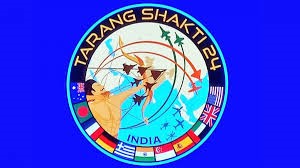
506: EXERCISE TARANG SHAKTI: INTRICACIES OF MULTI-NATIONAL MILITARY EXERCISES


My Article published on the Chanakya Forum


India’s largest international air exercise, Exercise Tarang Shakti 2024, is in progress. Phase I at Sulur Airbase has been completed, and phase II is now underway. Military exercises are an important part of military cooperation and defence diplomacy. Worldwide, about 100-plus military exercises are conducted every year. These are bilateral or multilateral and vary in objectives, complexity, participation and duration. Indian participation in military exercises has increased in the last two decades. The IAF engages 25-odd countries bilaterally or multilaterally. Tarang Shakti, the largest international air exercise hosted by India, is a testament to the IAF’s role in international military diplomacy. The international air exercise involving air forces from multiple countries would enhance strategic relations, improve interoperability, and showcase India’s indigenous defence technologies.


The IAF, as a host of multinational exercises, plays a crucial role in fostering international military cooperation and diplomacy. This role demonstrates India’s growing influence in the global military arena and showcases its capabilities in organising and executing such complex exercises. The IAF has conducted and participated in several in-house exercises (without foreign participation). These include the air force level exercise Gaganshakti, the Airpower demonstration-wide exercise Vayushakti, the Tri-service exercise Bharat Shakti, the Multi-Agency Disaster response exercise Pralay Sahayam, and DANX (Defence of Andaman & Nicobar Exercise). International participation has picked up pace in the last two decades. The IAF has participated in over 90 international air exercises in the 21st century with almost all the leading Air Forces in the world (a list of these exercises is appended). These exercises advanced gradually from bilateral single-service exercises to multi-national multi-service exercises. In recent years, there has been a marked upturn in the complexity of these exercises. The experience gained by the IAF has paid enormous dividends of knowledge and experience.


Exercise Tarang Shakti


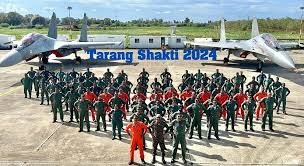
Exercise Tarang Shakti, a significant event in the global military arena, is the largest multilateral air exercise ever conducted and hosted by India. It is being held in two phases, with the first phase taking place at Sulur airbase in Tamil Nadu from August 6 to 14 and the second phase, currently underway at Rajasthan’s Jodhpur from 29 August to 14 September. A defence exposition has also been planned as part of this historic exercise.


The Tarang Shakti exercise has attracted the attention of air forces from fifty-one friendly foreign countries, with nearly 30 of them actively involved with their assets or as observers. The diversity of participating countries is a testament to the global significance of this exercise, with ten nations, including France, Germany, Spain, the United Kingdom, Australia, Bangladesh, Greece, Singapore, UAE, and the USA, committing their assets. The remaining countries are attending as observers to gain insights into the operations and strategies. Notably, Greece is participating in an Indian military exercise for the first time, while Russia and Israel are unable to participate due to their ongoing wars. The air chiefs of seven participating countries are expected to arrive on 11 Sep.


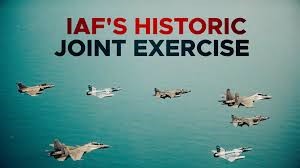
The Exercise features a wide array of advanced military aircraft and assets. Advanced aircraft such as Eurofighters, Typhoons, Rafales, F-18s, A-18s, C-130s, F-16s, A-10s, KC-130s, and KC-135s from countries like the USA, UAE, Singapore, France, and Germany are flying over the Indian skies during the exercise. The Indian Air Force’s LCA Tejas, Mirage 2000, Su-30, Jaguars, Mig-29, Rafale, IL-78, AWACS, LCH Prachand, Dhruv, and Rudra helicopters are participating in the exercise.


The first part at Sulur airbase, from 06 Aug to 14 Aug 24, saw Germany, France, Spain, and the UK with their assets. Phase two at Jodhpur involves the participation of Australia, Greece, Singapore, the UAE, and the US with their assets. At the last minute, Bangladesh opted not to deploy its C-130 aircraft. However, Sri Lanka stepped in to participate with its C-130 aircraft. Air Chiefs of seven countries will witness the exercise on 11 Sep. A defence expo is planned for 12-14 Sep. 17 observer countries, including Argentina, Botswana, Egypt, Italy, Malaysia, and Saudi Arabia, will also be part of the exercise.


Exercise Tarang Shakti aims to achieve several key objectives. It seeks to strengthen strategic relationships with friendly foreign countries and enhance coordination and understanding among the air forces, which is crucial for joint operations and missions. The exercise also aims to boost Interoperability, allowing participants to learn best practices, operational strategies, and techniques from each other. It facilitates professional exchange and knowledge sharing on modern aerial combat techniques, tactics, and strategy. Moreover, the exercise serves as a platform to showcase India’s Indigenous capabilities, including the participation of indigenous platforms and systems and the contributions of Indian defence companies during the defence expo.  The expo aims to attract international attention and foster collaborations in defence production by defence personnel from participating countries visiting and interacting with Indian defence companies. The over-arching aim is to build mutual trust, explore avenues for interoperability and learn new things from each other.


These multi-national military exercises are not just about strengthening foreign policy and diplomatic initiatives, enhancing strategic relations, and building stronger defence partnerships. They are also a powerful tool for strategic signalling, with their stated objectives, participants, scale, location, and time further determining their significance. They foster military ties among the participating nations and significantly promote mutual understanding and cooperation in defence strategies and operations. Multilateral air exercises expose participants to various operational training scenarios, combat roles, and missions. They further offer possibilities for cooperation in humanitarian assistance, disaster relief, evacuation, and logistic support, among other things. The participants gain immensely from their diverse exposure to technology, administrative, maintenance, HR and logistics practices, besides tactics, strategy and doctrines.


Intricacies of International Military Exercises


International military exercises are complex and multifaceted operations that involve multiple nations working together to improve their military capabilities, foster cooperation, and ensure collective security. These exercises range from large-scale, multinational manoeuvres to smaller, bilateral training operations. The complex intricacies of international military exercises require a careful balance of strategic, operational, and diplomatic considerations to achieve their objectives effectively.


    • Diplomatic Coordination. The success of these military exercises hinges on extensive diplomatic coordination. This strategic task aligns objectives, rules of engagement, and communication protocols. Some exercises are conducted to send strategic messages to adversaries or to reassure allies. The choice of location, timing, and participating nations can be politically sensitive and might influence international relations.


    • Legal Framework. The legal framework is a critical component of these exercises. Agreements and MOUs are required to define the legal status of foreign military personnel operating within a host country’s borders. These would cover issues like jurisdiction, taxation, weapons carrying, etc.


    • Logistics and Supply Chain. Moving military personnel, equipment, and supplies across international borders requires intricate logistical planning. This includes transportation, fuel, food, medical supplies, and spare parts.


    • Operational Planning and Execution. The primary objective is for different countries’ forces to work together effectively. This involves meticulous planning and execution, standardising communication systems, command structures, and procedures. Exercises often simulate various scenarios, including assaults, air defence, cyber warfare, humanitarian assistance, and disaster relief. Each scenario requires detailed planning and execution.


    • Intelligence Sharing. Participating nations often share sensitive information to support the exercise’s objectives. This requires a high level of trust and secure communication channels.
    • Cyber Security. Protecting the exercise from cyber threats is crucial, as adversaries might attempt to disrupt operations or gather sensitive information. Cyber defence drills are sometimes integrated into the exercise.


    • Safety Protocols. Ensuring the safety of all participants is paramount, particularly in exercises involving live firing or complex manoeuvres. This requires rigorous safety protocols and real-time monitoring.


    • Language Differences. Effective communication is critical, and language differences can pose significant challenges. Many exercises use English as the standard operational language, but translation and interpretation services are often required.


    • Cultural Sensitivity. Understanding and respecting partner nations’ cultural practices and norms is vital for maintaining cohesion and preventing misunderstandings.


    • Media Coverage. International exercises often attract media attention, and how they are portrayed can influence public perception. Managing information release and media coverage is a crucial aspect of these exercises.


    • Propaganda and Misinformation. Adversaries may use propaganda or misinformation to undermine the exercise’s objectives. Countering this requires a proactive public affairs strategy.


    • Environmental Impact. Large-scale exercises can have significant ecological impacts, including disruption of local ecosystems. Mitigating these effects is a critical planning consideration.


    • Post-Exercise Review. This is crucial because it assesses performance, identifies strengths and weaknesses, and develops recommendations for future exercises. The lessons learnt are used to refine tactics, techniques, and procedures and to improve interoperability in future operations.


Significant global participation in exercise Tarang Shakti underscores India’s growing power on the global stage and unwavering commitment to bolstering regional and international security. The exercise, a testament to India’s military prowess, is a powerful signal of its reliability as a partner in the global security system.  A long-term plan should be charted out for participation and hosting of the military exercises. A balance must be maintained regarding scope, objectives and participants, considering the advanced countries, countries of interest and neighbours. While the bilateral single-service exercises have advantages, multi-national, multi-service and multi-domain exercises bring out valuable lessons about realistic and comprehensive ways of dealing with contemporary situations.


List of IAF Participation in International Exercises.

  1. Red Flag Alaska (USA, multinational).
  2. Cope India / Cope Thunder (India, USA).
  3. Avia India / Indira (Russia, India).
  4. Exercise Pitch Black (Australia, Multinational).
  5. Exercise Garuda (France).
  6. CobraWarrior (UK, multinational).
  7. Indradhanush (India, UK).
  8. Exercise Blue Flag (Israel, Multinational)
  9. Iniochos (Greece, multinational).
  10. SINDEX (India, Singapore).
  11. Exercise Desert Eagle (India, UAE).
  12. Exercise Eastern Bridge/Desert Bridge (India, Oman).
  13. Siam Bharat (India, Thailand).
  14. Shinyuu Maitri (India, Japan).
  15. Exercise DesertKnight (India, France, UAE).
  16. ExerciseDesert Warrior (India, Egypt).


Suggestions and value additions are most welcome.


Link to the article on Chanakya Forum:-

EXERCISE TARANG SHAKTI: INTRICACIES OF MULTI-NATIONAL MILITARY EXERCISES


2106
Default rating

Please give a thumbs up if you  like The Post?


For regular updates, please register here:-

Subscribe


References and credits

To all the online sites and channels.

References

  1. Anchit Gupta and Angad Singh, “Diffidence to Strength: Multinational Air Exercises in Indian skies”, Indian History, 03 Aug 2024.
  1. Air Marshal (Dr) Diptendu Choudhury (Retd) PVSM, AVSM, VM, VSM, “The Rising Wave of Air Power -Exercise Tarang Shakti”, 25 Aug 2024.
  1. Air Marshal Anil Chopra, “Mother Of All IAF Exercises! After 61 Years of Post China War, India Begins Its 2nd Ever Multilateral Drills ‘Tarang Shakti’”, The EurAsian Times, 06 Aug 2024.
  1. Nigam Sharma, “Exercise Tarang Shakti 2024: Everything You Need to Know”, 05 Aug 2024.
  1. Anurag Roushan, “’Tarang Shakti’: India set to host its largest multinational air exercise, 51 countries invited”, India TV News 01 Aug 2024.
  1. “‘Tarang Shakti’, largest multilateral air exercise in India”, PTI, 31 Jul 2024.
  1. Shivani Sharma, “Bangladesh opts out of multinational air exercise Tarang Shakti, Sri Lanka steps in”, India Today, 30 Aug 24.

Disclaimer:

Information and data included in the blog are for educational & non-commercial purposes only and have been carefully adapted, excerpted, or edited from reliable and accurate sources. All copyrighted material belongs to respective owners and is provided only for wider dissemination.
498: RACE AND HUNT FOR MEDIUM TRANSPORT AIRCRAFT


My Article published on the Chanakya Forum Website.


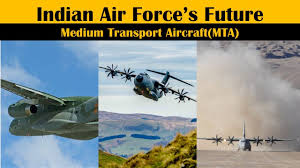
The air transport fleet of any Air Force contributes to the air power attributes of speed, reach, flexibility, and responsiveness. Besides speedy induction and sustenance of forces, it is used for rescue missions. The air transport platforms are also utilised in force multiplier roles like air-to-air refuelling (AAR), Airborne Warning and Control Systems (AWACS), Intelligence, Surveillance and Reconnaissance (ISR), and Airborne Command Posts, Special Forces operations, etc. Most armed forces possess several transport aircraft for these crucial roles. Indian Air Force has numerous air transport platforms in its inventory. However, due to the ageing of the existing fleet and the increasing demands on air transport, there is an urgent need for new medium transport aircraft (MTA).


Medium transport aircraft are a category of military and civilian aircraft designed to transport cargo, troops, and equipment over medium ranges. These aircraft usually have a payload capacity of between 20 and 30 tonnes. They have large cargo holds to accommodate various cargo types, including oversized equipment, vehicles, and pallets. They also have configurable interiors to switch cargo, passenger, and medical evacuation roles. Modern navigation and communication systems ensure safe and efficient operations in diverse environments. They can take off and land on short runways (paved and unpaved) in harsh and remote locations with limited infrastructure. These aircraft are crucial in supporting military logistics, humanitarian aid, disaster response, and various commercial cargo operations due to their balance of range, payload, and versatility.


Post-independence, the IAF operated a mix of An-12, Packet Fairchild, Caribou, Dakota and Avro aircraft for Air Maintenance and Logistics support. In the early 1980s, the transport fleet was modernised with the induction of IL-76 aircraft (40 tonnes) and An-32 aircraft (4-6 tonnes). The Indian Air Force (IAF) now operates two types of fixed-wing transport aircraft: strategic heavy airlift aircraft and lesser-capacity tactical airlift aircraft. For strategic airlift purposes, the IAF operates 47-tonne capacity IL-76 and 77-tonne capacity C-17 III Globemaster aircraft. The IL-76 was procured from the Soviet Union in the 1980s, and the Globemaster was acquired from the United States in 2011. Medium lift and special operations platform includes 20-tonne capacity C-130J Hercules aircraft. For tactical airlift purposes, the IAF uses the vintage An-32 and Avro aircraft, which have been in service for over 50 years. IAF also operates IL-76-based A-50 AWACS aircraft and IL-78 aerial refueling tanker aircraft.


In the 1980s, the availability of An-12s started declining, and they were phased out in 1991-92. For over two decades, the IAF’s transport airlift capability mainly rested on heavy-lift IL-76 and light tactical airlift AN-32 aircraft. This airlift combination was inefficient, as there was no 20-ton airlift aircraft. Medium Transport Aircraft (MTA) requirement was felt as early as 2001. The Russians proposed a HAL-Ilyushin joint development project for a medium-lift aircraft, IL-214, in the 20-tonne payload category. Hindustan Aeronautics Limited (HAL) entered a joint venture with Russia’s United Aircraft Corporation-Transport Aircraft Division in 2012 to design and produce a turbofan-powered military transport aircraft in the 15-20 tonne category. The two countries even signed a pact for co-development. However, for various reasons related to the design, engine, cost and technology transfer, the project was cancelled in 2016.


At its peak, the IAF operated over 200 AN-32 and Avro combinations in the 4-7 tonne tactical airlift category. The British-origin Avro procured in the late 1960s is being replaced by 56 10-tonne capacity Airbus C-295 aircraft. The AN-32 aircraft was upgraded in 2009 and has been the workhorse of the IAF transport fleet. However, they have reached the end of their technical lifespan, and their numbers have now dwindled to a low figure. Sustaining them has become difficult due to the Russia-Ukraine war, which has disrupted the supply of spare parts and maintenance services, underscoring the urgent need for their replacement.


Due to a lack of Indigenous options, the IAF had to opt for acquisition from the international market. In December 2022, the IAF issued a Request for Information (RFI) to purchase medium transport aircraft (MTA) under the “Make in India” category. The RFI mentions the aircraft weight category of 18-30 tonnes, capable of multiple roles. It does not indicate specific numbers but seeks Rough Order of Magnitude (ROM) cost estimates for 40, 60 and 80 aircraft. Large-scale production could be followed up considering the utility in multiple roles, including civilian cargo applications and export prospects. The information sought by IAF from OEMs also includes the scope of technology transfer; possible methods to enhance indigenisation and to set up a dedicated manufacturing line, including design, integration and manufacturing processes in India; capability to undertake indigenous manufacture of systems, subsystems, components and spares; and making India a regional or global hub for manufacturing and maintenance, repair and overhaul (MRO) of the equipment. This project has significant strategic and economic implications and aligns with the government’s Make in India initiative to boost self-reliance in the defence manufacturing sector. It would reduce the dependency on original equipment manufacturers (OEMs) in the long term, especially for maintenance, repair, overhaul, and future upgrades.


The IAF would be interested in the aircraft’s capability to operate from Advanced Landing Grounds (ALGs), high-altitude airfields, and semi-prepared surfaces. It would also want the platform’s suitability for multiple roles such as air-to-air refuelling, airborne surveillance, para dropping, and special operations. Acquisition cost, technology transfer, and production in India for Indian and global markets will be major decision-influencing factors. Possible contenders could be:-


    • Lockheed Martin’s C-130 J-30 Super Hercules. US aerospace firm Lockheed Martin has responded by offering the latest variant, the C-130 J-30 aircraft. The aircraft claims to have exceptional short take-off and landing capabilities even in higher altitudes and unprepared runways. IAF already operates C-130 aircraft and a few aircraft components are already being produced in India by the TATA Lockheed Martin Aero structure PVT LTD. Thus, this facility could produce complete aircraft domestically under the “Make in India” It would be easier on the Air Force in terms of maintenance and avoidance of another type in the inventory. However, besides being expensive, the aircraft is a 60-year-old design at the end of its production life. Also, there is the issue of technology access and transfer.


    • Embraer’s KC-390 Millennium. Brazilian Embraer Defence and Security is pitching the C-390 as the market’s most modern military transport aircraft. It is a new design jet aircraft with significant operational advantages. It is a versatile aircraft with fly-by-wire controls and a glass cockpit; it can carry a 26-tonne payload and achieve speeds of up to 870 kilometres per hour. It is optimised for multiple roles with low operating costs. IAF operates Embraer AC variants for VIP travel and airborne early warning and control aircraft. Embraer has expressed keenness to produce in India. Producing a new-generation aircraft would be advantageous from a technology acquisition and Indigenous industry development perspective. However, it has many American-origin components (engines, avionics, and sensors).


    • Airbus’ A400M Atlas. Airbus Defence and Space is jointly executing a project with Tata Advanced Systems Limited (TASL) to equip the Air Force with 56 C-295. It is offering A400M Atlas aircraft. The aircraft payload carrying capacity is 37 tonnes, higher than the prescribed criteria in the RFI. Airbus asserts that the A400M offers superior payload, range and ability to transport heavy and outsized loads over extended distances, presenting a game-changing potential for the IAF.


    • Russian IL-276. The Russian company would be more than willing to accommodate India’s interests. This could be an option provided the concerns that forced India to walk out of Joint Venture development of the MTA program earlier are addressed.


Most OEMs collaborate with Indian vendors to manufacture their respective aircraft in India. TATA is already collaborating with Lockheed Martin and Airbus to manufacture the components of the C-130 and complete the assembly of the C-295 aircraft. This collaboration could be expanded further for the MTA. In February 2024, Embraer signed a memorandum of understanding with Indian defence manufacturer Mahindra Defence to manufacture C-390 Millennium aircraft locally in India. Airbus has not yet announced who it will partner with to compete for the project. However, TASL and state-run aircraft manufacturer Hindustan Aeronautics Limited (HAL) could be among the likely options. HAL has offered to design and build a 30-ton payload aircraft in collaboration with an international OEM. These joint ventures should focus on production efficiency, supply chain control, and lower costs.


The IAF has been a regular contributor to the statecraft because of the role played by its air transport fleet. The benefits of its mission capabilities have been utilised both domestically and abroad. However, a balanced inventory of air transport aircraft is essential. There is an urgent need for the induction of medium transport aircraft. Acquiring a modern and capable transport aircraft will enhance India’s airlift capabilities and bolster its defence capabilities. Besides capability enhancement, the MTA project is an excellent opportunity to create a private-public industrial ecosystem for transport aircraft manufacturing in the country. The project will have significant strategic and economic implications. Operational requirements, cost vis-à-vis budget constraints, technology acquisition, boost to make in India, and geopolitical strategic partnerships will be crucial factors in decision-making.


Link to the article on Chanakya Forum:-


RACE AND HUNT FOR MEDIUM TRANSPORT AIRCRAFT

Suggestions and value additions are most welcome.


2106
Default rating

Please give a thumbs up if you  like The Post?


For regular updates, please register here:-

Subscribe

References and credits

To all the online sites and channels.

References:-

  1. Air Marshal (Dr) Rajeev Sachdeva (Retd), “The Versatile Transport Fleet of the IAF”, SP Guide Publications, Issue: 09-2022.
  1. IAF RFI for MTA issued on 03 Feb 2023. chrome-extension://efaidnbmnnnibpcajpcglclefindmkaj/https://indianairforce.nic.in/wp-content/uploads/2023/02/RFI-for-MEDIUM-TRANSPORT-AIRCRAFT-1.pdf
  1. Atul Chandra, “In Need of Lift”, Force news magazine, Jul 2024.
  1. Air Marshal M Matheswaran AVSM, VM, PhD (Retd), “The resurrection of Medium Transport Aircraft (MTA) Project”, Financial Express. 24 Feb 24.
  1. Ananth Iyer, “Transport, Tanker, Reconnaissance Aircrafts of the IAF”, Team-BHP, 15 Mar 2023.
  1. Rahul Manohar Yelwe, “Modernizing the Indian Air Force’s Transport Fleet”, The Diplomat, 10 May 2024.

Disclaimer:

Information and data included in the blog are for educational & non-commercial purposes only and have been carefully adapted, excerpted, or edited from reliable and accurate sources. All copyrighted material belongs to respective owners and is provided only for wider dissemination.
 

RACE AND HUNT FOR MEDIUM TRANSPORT AIRCRAFT

494: WOMEN IN INDIAN ARMED FORCES: PROSPECTS AND CHALLENGES


My Article Published in the journal Peace Prints

South Asian Journal of Peacebuilding

(Vol. 10, No. 1, Summer 2024)


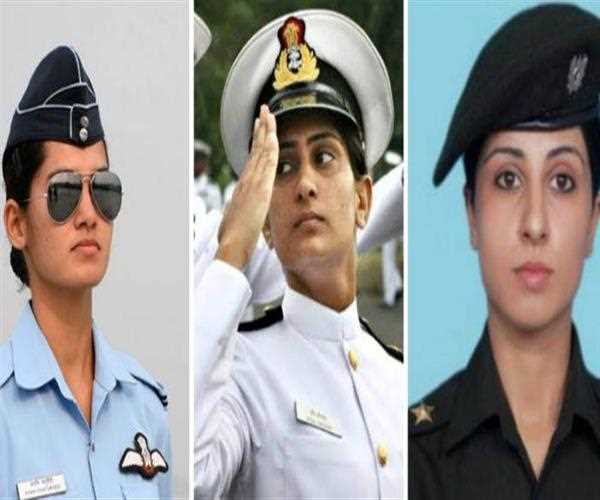
Pic Courtesy: Internet


“Not all women wear pearls and shoes to work; some wear dog tags and combat boots.”

-Author Unknown


Women’s participation in the armed forces has evolved significantly over the years worldwide, with a growing recognition of their valuable contributions to the defence and security of the country. Many countries now allow women to serve in the armed forces in numerous roles. The extent of participation and roles vary from country to country, depending on cultural norms, legal frameworks, and military policies.


Traditionally, the Indian armed forces have also been predominantly male-dominated; however, the inclusion of women was inevitable with changes in societal norms and perceptions. The roles and opportunities for women have expanded over the years, with women now serving as pilots, engineers, and administrators, among others. Associating changes in military policies preceding or succeeding these decisions.


The history of women in the Indian defence services is a story of gradual progress and increasing participation from support services and roles to combat and command roles. The Indian Air Force, for instance, has implemented various initiatives to promote gender equality and equal opportunities for women. These include recruitment drives, training programs, and policy changes. IAF has been relatively more progressive than the three services in gender mainstreaming, with significant strides made in recent years towards achieving gender equality and providing equal opportunities for women in the workforce.


While including women in the armed forces brings several benefits, specific challenges and barriers still exist. These include aspects related to cultural and societal norms, such as traditional gender roles and expectations, which can hinder women’s acceptance and integration into the armed forces. Career opportunities and progression, physical and psychological suitability for combat roles and leadership positions, gender integration, gender equality, gender bias, and gender discrimination are some of the critical challenges. The Indian Air Force, like other branches, has been working to address these issues, but there is still work to be done. Harassment prevention, redressal mechanisms, judicial recourse, physical and mental fitness norms, etc., need to be reviewed periodically for mid-course corrections.


Continue reading “494: WOMEN IN INDIAN ARMED FORCES: PROSPECTS AND CHALLENGES”

English हिंदी