
523: CHINA: CHALLENGES IN DEVELOPING NEXT-GENERATION FIGHTER ENGINES


My Article published on The EurasionTimes Website on 22 Oct 24.


China’s defence policies underscore its commitment to self-reliance and the relentless pursuit of advanced technology development, aiming to reduce dependence on foreign sources. The country’s defence industry, a critical component of its national strategy, stands as one of the largest and most advanced in the world. It is a testament to China’s significant investments in military modernisation and technological innovation, bolstering military readiness and asserting its global influence. The roots of China’s defence industry can be traced back to the 1950s, following the establishment of the People’s Republic of China. Over the decades, it has evolved from focusing on basic weaponry to a more sophisticated and diversified military production capability, with a strong emphasis on advanced technology. The industry is primarily state-owned and heavily regulated by the Chinese government.


Defence Aviation Industry. The military aviation sector is part of China’s broader defence industry and is critical for the People’s Liberation Army Air Force (PLAAF). China’s military aviation industry has rapidly evolved over the past few decades, reflecting its growing emphasis on modernising its armed forces and enhancing its defence capabilities. The industry focuses on producing a range of military aircraft, including fighter jets, transport planes, helicopters, and unmanned aerial vehicles (UAVs). The Chinese military has undertaken extensive modernisation efforts, including developing advanced fighter jets (Chengdu J-20 and J-31, fifth-generation stealth fighters). However, China faces several challenges in developing advanced fighter aircraft engines, which are critical for enhancing the capabilities of its military aviation.


Aero Engine Corporation of China. The Aero Engine Corporation of China (AECC) is a Chinese state-owned enterprise focused on developing, manufacturing, and servicing aircraft engines. It was officially established in August 2016 in response to China’s growing need to develop its indigenous aero-engine technology for military and civilian aircraft. The company merged parts of AVIC (Aviation Industry Corporation of China) and other related entities to consolidate China’s aerospace engine research, development, and production capabilities. Developing advanced Indigenous engines is a strategic priority for China, both for the defence sector and the expanding commercial aviation industry (e.g., China’s domestically developed C919 airliner). AECC aims to reduce China’s reliance on foreign engine manufacturers and to enhance China’s aerospace capabilities, especially in the context of its military modernisation and commercial aviation expansion.


Current State of Development. Historically, China has relied on foreign-sourced engines, and AECC is central to the effort to change that. AECC is focused on developing turbofan and turboprop engines for military jets, such as the WS-10 series (for fighter aircraft) and the WS-15 (for China’s next-generation stealth fighter). It is also developing high-bypass turbofan engines for commercial aircraft, aiming to rival global engine makers General Electric and Rolls-Royce.


    • WS-10 “Taihang” Engine. The 13-14 ton thrust WS-10, a product of several years of dedicated development, represents China’s first successful attempt at producing a modern turbofan engine for its advanced fighters. This achievement, intended for use in the J-10 and J-11 fighter jets, is a testament to China’s progress in engine development. While early versions faced reliability issues, newer variants, such as the WS-10B and WS-10C, have reportedly improved significantly in thrust and performance, instilling optimism about China’s future in aviation technology.


    • WS-13 “Tianshan” Engine. A turbofan engine (8.5-9 ton thrust), primarily designed for the FC-1/JF-17 fighter, a joint Chinese-Pakistani light fighter aircraft. The WS-13 is a lighter engine designed for smaller fighters and is an alternative to the Russian-made RD-93 engine used in earlier JF-17 models.


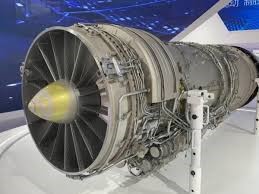
    • The WS-15 “Emei” Engine. A next-generation turbofan engine with an estimated 18 tons of thrust is a significant milestone in China’s fighter engine development. Designed to power the J-20 stealth fighter jet, the WS-15 is strategically important as it aims to provide the thrust and performance required for fifth-generation fighter jets, particularly for China’s J-20 stealth fighter. Its potential to achieve super cruise capability (sustained supersonic flight without afterburners) underscores the strategic implications of China’s advancements in fighter engine development. Despite facing delays and challenges in achieving the desired performance standards, the WS-15 represents a promising future for China’s military aviation capabilities (Timelines for the development of this engine are attached).


    • WS-18. It is a high-thrust turbofan engine for heavy transport aircraft like the Y-20 and may be used in future bomber or tanker aircraft. The WS-18 is intended to replace foreign engines in China’s large transport aircraft, such as the Y-20, which initially relied on Russian D-30KP engines.


    • WS-20 Engine. A high bypass turbofan engine designed for the Y-20 transport aircraft, the WS-20 represents another step in China’s efforts to enhance its engine technology and reduce reliance on imports.


China’s Challenges in Fighter Aircraft Engine Development. The complex process of developing reliable, high-performance aero engines presents a significant challenge for AECC. Multifaceted challenges encompassing technological, material, and geopolitical factors hinder China’s quest to catch up with global leaders in engine technology. While the country has made notable strides in recent years, overcoming these challenges is crucial for enhancing its military aviation capabilities and achieving greater self-sufficiency in defence technology.


    • Technological Challenges. Developing advanced jet engines involves advanced knowledge and complex engineering challenges, including materials science, aerodynamics, and thermodynamics. Achieving high thrust-to-weight ratios, fuel efficiency, and durability while maintaining stealth capabilities requires innovative design solutions, advanced materials, and cutting-edge technology that has taken years to develop.


    • Material Limitations. Engine components must withstand extreme temperatures and stresses. Developing high-performance materials that can endure these conditions is crucial. China needs to catch up in producing advanced alloys and composite materials required for next-generation engines. Advanced manufacturing methods, such as precision casting and 3D printing, are essential for creating complex engine parts. While China has progressed in this area, ensuring quality control remains challenging.


    • Reliability and Quality. Rigorous testing and quality assurance are vital to ensuring engine reliability. Despite advancements, Chinese engines have struggled with quality and reliability issues compared to their Western counterparts. Early versions of domestically produced engines, like the WS-10, experienced reliability issues that needed to be addressed through ongoing refinements and improvements. There have been concerns about durability and performance under extreme conditions.


    • Research and Development Challenges. Building a skilled workforce with expertise in aerospace engineering and related fields is critical. While China has many engineering graduates, there is a need for more specialised training and experience in aerospace propulsion systems. Although the Chinese government has significantly increased investments in aerospace R&D, various sectors still compete for resources. Prioritising engine development over other military technologies can be a challenge.


    • Dependency on Foreign Technology. Historically, China has relied on foreign technology and imports for advanced aircraft engines and critical engine components, especially from Russia. This dependency has limited China’s ability to develop fully indigenous capabilities in this crucial area. For instance, China’s early fighter jets, such as the J-11, used Russian engines (AL-31F), which affected operational independence. While efforts are underway to develop indigenous capabilities, breaking this dependency takes time. Attempts to acquire foreign technology through partnerships and joint ventures have often faced political hurdles, leading to limited access to advanced engine technologies.


    • Geopolitical Pressures. Geopolitical tensions, particularly with Western nations, lead to sanctions that limit China’s access to advanced aerospace technologies. This slows down development and innovation in the aviation sector. Competing with established aerospace powerhouses like the United States and Russia, which have decades of experience and technological advancements in engine development, poses another significant challenge.


    • Intellectual Property Concerns. Efforts to reverse-engineer foreign engines have raised intellectual property issues, leading to tensions with countries that view these actions as unfair competition.


Present Status. China has been making significant strides in developing indigenous fighter aircraft engines. The country aims to reduce its reliance on foreign-made engines, mainly from Russia, and to enhance its domestic military aviation capabilities. China’s fighter aircraft engine development has advanced significantly in recent years, reflecting the country’s growing ambitions in military aviation. Chinese engineers have made strides in materials science, advanced manufacturing techniques, and thrust vectoring technology, enhancing engine performance and reliability. China has sought to acquire foreign technology to bolster its capabilities. Collaborations with countries like Russia have facilitated knowledge transfer, especially in engine design and testing.


Future Prospects. China is likely to increase its investment in R&D to improve its engine technology further. The goal is to achieve greater self-sufficiency and enhance the performance of its fighter aircraft. The exploration of next-generation technologies, including AI-driven engine management systems, adaptive cycle engines, and environmentally sustainable fuels, could shape the future of Chinese military aviation. Developing advanced fighter aircraft engines is crucial for China’s military modernisation efforts. As tensions rise in the Asia-Pacific region, the ability to produce competitive engines will play a vital role in enhancing China’s defence capabilities.


Strategic Implications. China’s struggles with fighter aircraft engine development have strategic implications, particularly in its military modernisation efforts and aspirations to become a global aerospace leader. Achieving self-sufficiency in engine technology is crucial for ensuring operational independence and enhancing the capabilities of its air force. Continued efforts in this area will be essential for China to strengthen its military aviation capabilities and achieve its broader defence objectives.


Conclusion. China’s fighter aircraft engine development is critical to its broader military modernisation strategy. While significant progress has been made, ongoing challenges remain. The emphasis on indigenous production, technological innovation, and strategic partnerships will be essential for China to enhance its position in the global military aviation landscape. As the situation evolves, monitoring these developments will be crucial for understanding the implications for regional and global security dynamics.


Timeline of WS-15 Engine development.

Estimates vary on when WS-15 development began.

 1990: Preliminary steps initiated.

2005: The blueprint for the WS-15 began to materialise

2006: A preliminary image of the WS-15 engine emerged five years before the J-20 prototype was unveiled.

2010: The first WS-15 prototypes entered the ground testing phase

2012: The full-scale demonstration project was completed , and extensive trials followed.

2013: The WS-15 development program started achieving significant milestones.

July 2018: The Chinese academic overseeing aviation engine R&D in Beijing, Liu Daxiang, announced that WS-15 development was progressing rapidly and would be fully completed within three years.

2019: The Russian AL-31 powering the J-20 was replaced by the domestic WS-10C engine.

2021:  the WS-15 was nearing operational readiness.

2022: One WS-15 engine was flown on the jet along with another older version of the engine for testing purposes.

March 2023: The WS-15 engine achieved full operational capability. WS-15 project Chief Chang Young at the AECC Beijing Institute of Aeronautical Materials announced at the 7th Chinese Aviation Innovation and Entrepreneurship Competition (CAIEC) that the WS-15 engine is now ready for mass production.

29th June 2023:  Chengdu Aircraft Corporation (CAC) conducted the maiden flight of the new variant J-20 fighter, fitted with two WS-15 turbofan engines.

As of late August 2024, the Chinese WS-15 engine reportedly encounters several significant hurdles impacting its deployment and operational efficiency. One major issue involves supply chain disruptions related to the advanced alloys needed for the engine’s production.


Link to the Article

https://www.eurasiantimes.com/chinas-struggle-with-aero-engines-keep/


Your valuable comments are most welcome.


1942
Default rating

Please give a thumbs up if you  like The Post?


For regular updates, please register your email here:-

Subscribe


References and credits

To all the online sites and channels.

References:-

  1. Adnan Moussa, “China’s WS-15. Does it challenge US dominance over fighter jet engine tech?” aljundi.ae, 01 Dec 23.
  1. Reuben Johnson, “China’s J-20 fighter seems to have a new homegrown engine, after years of struggle”, Air Warfare Global, 18 July 2023.
  1. Boyko Nikolov, “F-22 rival Chinese J-20 may have overcome engine setbacks”, Bulgarianmilitary.com, 10 Sep 2024.
  1. Alexander Holderness, Nicholas Velazquez, Jasmine Phillips, Gregory Sanders, and Cynthia Cook, “Powering Proliferation: The Global Engine Market and China’s Indigenisation” Brief CSIS, 21 Mar 2023.

Disclaimer:

Information and data included in the blog are for educational & non-commercial purposes only and have been carefully adapted, excerpted, or edited from reliable and accurate sources. All copyrighted material belongs to respective owners and is provided only for wider dissemination.


522: Podcast with Gaurav Arya


Had a very enriching chat with Gaurav Arya on a crucial topic.


We talked about:- 

Inter-service Coordination.

PLAAF Vis-a-vis USAF

PLAAF Vis-a-vis IAF

China’s fifth generation aircraft.

Fifth gen ac comparison.

Stealth Technology.

IAF authorised fighter aircraft strength.

IAF capability Building.

Minimum Deterrence level.

Loyal wing man concept

Generations of fighter aircraft.

China and Pakistan: export of fifth gen ac.

Atmanirbharta.

Draw down mitigation plan.

Defence production echo system.

Balanced capability enhancement.

Procurement from USA vs Russia.

Possibility of F 35 Procurement.

& many more aspects related to capability building


Click on the link to check it out:-


Your valuable comments are most welcome.


1942
Default rating

Please give a thumbs up if you  like The Post?


For regular updates, please register your email here:-

Subscribe


References and credits

To all the online sites and channels.


Disclaimer:

Information and data included in the blog are for educational & non-commercial purposes only and have been carefully adapted, excerpted, or edited from reliable and accurate sources. All copyrighted material belongs to respective owners and is provided only for wider dissemination.

521: PRESS FREEDOM VIS-À-VIS RESPONSIBILITY


My Article published on the

Indus International Research Foundation website.


Press Freedom and Responsibility are two sides of the same coin in the media’s societal role. While press freedom is essential for a healthy democracy, it must be exercised responsibly to maintain credibility, ethical standards, and public trust.


“The journalist’s role is to seek truth, provide a fair and comprehensive account of events and issues, and act independently.”

 – Society of Professional Journalists Code of Ethics


Press Freedom and its Importance. Press freedom refers to the right of journalists and media organisations to gather, publish, and disseminate news and information without interference or censorship from the government or other powerful entities. It is a cornerstone of democratic societies, ensuring that the public can access accurate information and diverse perspectives and hold power accountable. Press freedom is often considered an essential aspect of freedom of speech and freedom of the press, which are typically enshrined in the constitutions of democratic nations or international human rights agreements, such as Article 19 of the Universal Declaration of Human Rights (UDHR). In democracies, the press is often called the “fourth estate” for its role in checking and balancing other branches of government. It is essential for the following reasons.


    • Transparency. A free press serves as a watchdog, holding governments, corporations, and other powerful institutions accountable for their actions. Press freedom enables journalists to investigate and report on their actions. Investigative journalism uncovers corruption, abuses of power, and human rights violations, ensuring transparency in governance. By scrutinising these entities, the press helps expose corruption, abuse of power, and inefficiency. This, in turn, creates pressure for reform and accountability.


    • Informed Citizens. It ensures citizens have access to diverse and accurate information, allowing them to make informed decisions about governance, politics, society, and the economy. Access to reliable information enables people to make educated decisions, particularly in democratic processes such as elections. Informed citizens are better equipped to participate in the democratic process, advocate for their rights, and hold their leaders accountable. This leads to a more vibrant and functional democracy.


    • Public Discourse. A free press fosters open debate and dialogue, providing a platform for exchanging ideas and criticising policies. It allows for sharing various perspectives and opinions, promoting healthy debate and critical thinking. It ensures that marginalised voices, dissenting opinions, and minority viewpoints are represented in the public sphere.


    • Human Rights. Press freedom is linked to the protection of human rights. Journalists often highlight human rights violations, inequalities, and injustices that may otherwise go unnoticed. The press can galvanise public opinion and international attention by raising awareness and pressuring authorities to take action or initiate reforms. It highlights human rights violations and gives a voice to marginalised communities.


    • Countering Authoritarianism. Press freedom is a bulwark against authoritarianism and dictatorship. In countries where the media is heavily controlled or censored, governments can manipulate information, suppress dissent, and maintain power unchallenged by public scrutiny. In oppressive regimes, a free press is crucial for challenging propaganda, misinformation, and censorship.


    • Economic Impact. A free press can also positively impact the economy. Providing reliable information helps create an environment where businesses can operate with more transparency, investors can make informed decisions, and corruption is reduced. A well-functioning, independent media sector is often associated with higher levels of economic development.


Challenges to Press Freedom. In recent times, free and fair journalism and a free press have faced some challenges.


    • Censorship. Governments may impose direct or indirect censorship by controlling the flow of information, suppressing content, or restricting access to certain media outlets. This could be through legal restrictions, threats, or imprisonment of journalists.


    • Journalist Safety. In many countries, journalists face threats, harassment, violence, or even death for reporting on sensitive topics such as corruption, human rights abuses, or organised crime. The Committee to Protect Journalists (CPJ) and Reporters Without Borders (RSF) track incidents of journalist killings, imprisonment, and intimidation globally.


    • Media Ownership and Concentration. Small corporations or wealthy individuals controlling large portions of the media can limit press freedom by creating biases, suppressing critical reporting, or prioritising profit over public interest. Media monopolies or oligopolies often restrict the diversity of viewpoints available to the public.


    • Government Influence and Propaganda. In some countries, the state exerts significant control over the media through ownership or heavy regulation. State-controlled media outlets can act as propaganda tools, promoting the government’s narrative while suppressing opposing viewpoints or critical reporting.


    • Legal Constraints. Some governments use vague or overbroad laws, such as defamation, sedition, or national security, to target journalists and restrict press freedom. Laws to curb “fake news” or hate speech can also be misused to censor dissenting voices.


    • Self-Censorship. Journalists may practice self-censorship to avoid conflict with powerful entities, stay within legal constraints, or protect themselves from threats. This limits the press’s ability to provide an accurate picture of the issues.


    • Surveillance and Digital Threats. Governments and private actors increasingly use digital surveillance, hacking, and online harassment to monitor or intimidate journalists. The rise of digital technologies has introduced new vulnerabilities for journalists, particularly those investigating sensitive or controversial topics.


“Technology has democratised the news industry, but it has also created challenges in verifying information and combating misinformation.”

  – Arianna Huffington


Press Freedom in the Digital Age. The rise of the Internet and digital technologies has profoundly impacted press freedom, both positively and negatively. The Internet has democratised access to information, enabling citizens to access diverse news sources worldwide, even in regions where traditional media is controlled. Online platforms have given rise to independent journalism, citizen reporting, and alternative media outlets. However, digital platforms are also subject to increasing censorship, especially in countries with strict internet regulations. China’s Great Firewall, for example, heavily restricts online content and access to global news sources. The spread of online misinformation and disinformation, often called “fake news,” has challenged press freedom. Governments have used the pretext of combatting fake news to introduce laws that curb free speech and media expression. Journalists working online face increased risks of surveillance, hacking, and harassment, particularly from authoritarian regimes. Digital tools like Pegasus spyware have targeted investigative journalists, activists, and dissenters. While social media platforms provide new avenues for news dissemination, they are also criticised for amplifying disinformation, algorithmic bias, and echo chambers. Moreover, these platforms can be leveraged by state and non-state actors to spread propaganda or discredit legitimate journalism.


Global Situation of Press Freedom. Nations such as Norway, Finland, and Sweden consistently rank high on press freedom indices. These countries have strong protections for free speech, independent media, and journalists’ safety, with minimal government interference. Press freedom is heavily restricted in nations such as China, North Korea, Saudi Arabia, and Eritrea. In these countries, state control of media, censorship, and harsh journalist penalties result in a tightly controlled information environment. Independent media is often banned, and dissent is crushed. Press freedom is usually contested in countries undergoing political transition, such as those following revolutions or conflicts (e.g., Myanmar, Egypt). Journalists may be caught between repressive regimes, changing legal frameworks, and political instability. Countries like Mexico, Brazil, and the Philippines have high levels of violence against journalists, often linked to corruption, drug cartels, or political actors. These regions can be dangerous for investigative reporters, particularly those covering crime or politics. Even in established democracies like the United States, India, and France, press freedom can be threatened by political leaders, legal challenges, or media consolidation. The rise of populist governments that view the press as adversaries has increased polarisation and attacks on journalists’ credibility.


“Freedom of the press is not just important to democracy, it is democracy.”

 – Walter Cronkite


Safeguarding Press Freedom. Robust legal frameworks that protect freedom of the press and expression are essential. Countries with strong laws that safeguard these rights, such as those enshrined in the First Amendment of the U.S. Constitution, can better protect journalists and media outlets from state interference. International bodies like the United Nations and non-governmental organisations (NGOs) such as Reporters Without Borders (RSF) and the Committee to Protect Journalists (CPJ) play a crucial role in monitoring violations, advocating for journalists’ rights, and providing support to those facing persecution. Promoting media literacy among the public is vital in countering misinformation and fostering an informed citizenry. By understanding how news is produced and distributed, people can better differentiate between credible journalism and disinformation. Strengthening independent media outlets is essential for ensuring a diversity of voices and preventing monopolisation. Independent journalism, often under threat due to economic pressures, relies on alternative funding models such as public subsidies, donations, and non-profit foundations. Governments and international bodies need to enhance protections for journalists, especially in conflict zones or regions where they face violence and intimidation. Mechanisms such as legal defence funds, emergency relocation programs, and protection for whistle-blowers are crucial.


“A journalist’s job is not to make judgments but to provide information.”

 – Malcolm Turnbull


Balancing Press Freedom and Responsibility. Freedom is accompanied by a high responsibility to report truthfully, accurately, and fairly. Journalists must avoid sensationalism, misinformation, and biased reporting and adhere to professional standards. A responsible press focuses on issues of genuine public interest rather than sensationalising events for commercial gain or popularity. While uncovering the truth is vital, journalists should avoid causing undue harm to individuals or groups. For example, reporting on sensitive topics like violence, discrimination, or personal privacy must be done with care to avoid stigmatisation or unnecessary intrusion. The press has a responsibility to present all sides of an issue. While opinions and editorials are important, news reporting should strive to be impartial, offering multiple perspectives to foster an informed public. Journalists must be willing to correct errors when they occur and acknowledge mistakes in reporting. This is crucial for maintaining trust with the public. While advocating for transparency, the media must also respect legal boundaries such as privacy rights, intellectual property laws, and restrictions in the interest of national security. Press freedom does not mean complete disregard for these laws but rather a balance between the public’s right to know and individual rights. Responsible journalism often relies on self-regulation, guided by codes of ethics established by media organisations and professional associations. These guidelines encourage responsible reporting while preserving journalistic integrity. Fact-checking has become increasingly important in the digital age, where misinformation spreads rapidly. Responsible journalists must verify information before publication to maintain accuracy. In today’s digital landscape, where everyone can share information, the professional press bears even greater responsibility to ensure credible, fact-based reporting than the often unchecked information circulating on social media.


“The future of journalism lies in embracing new technologies while upholding traditional values of accuracy, fairness, and integrity.”

– Arianna Huffington


Press freedom is a fundamental pillar of democracy, essential for ensuring accountability, transparency, and the free flow of information. It faces significant challenges globally, from censorship and violence to economic pressures and digital threats. Ensuring a free and independent press is essential for maintaining democratic values, human rights, and social progress. Protecting and promoting press freedom requires concerted efforts by governments, civil society, international organisations, and citizens to safeguard journalists and the independence of media in the face of growing threats. Press freedom must always be coupled with a sense of responsibility to prevent misuse of that freedom.  Ethical journalism ensures that while the press is free to report on any issue, it does so with accuracy, fairness, and accountability, preserving the public’s trust and serving society’s best interests.


Link to the article on the website:

https://indusresearch.in/press-freedom-vis-a-vis-responsibility-by-air-marshal-anil-khosla/#


Your valuable comments are most welcome.


1942
Default rating

Please give a thumbs up if you  like The Post?


For regular updates, please register your email here:-

Subscribe


References and credits

To all the online sites and channels.


Disclaimer:

Information and data included in the blog are for educational & non-commercial purposes only and have been carefully adapted, excerpted, or edited from reliable and accurate sources. All copyrighted material belongs to respective owners and is provided only for wider dissemination.


English हिंदी