586: COMBAT DRONES: GLOBAL OVERVIEW


Pic Courtesy Net


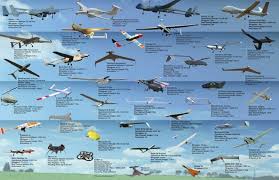
Combat drones, also known as unmanned aerial vehicles (UAVs), have revolutionised modern warfare by providing advanced capabilities for surveillance, intelligence gathering, and precision strikes. These drones are utilised by militaries worldwide, ranging from the United States MQ-9 Reaper to China’s CH-4 and Russia’s Forpost. Their ability to operate in hostile environments without risking human lives has made them invaluable in counterterrorism, border patrol, and intelligence operations. Drones are equipped with advanced sensors, cameras, and weapons systems, enabling real-time data transmission and the ability to carry out airstrikes accurately. The global proliferation of combat drones has led to their adoption by a growing number of nations, each leveraging them for strategic advantages in conventional and asymmetric conflicts. As their technology evolves, drones become more autonomous, with artificial intelligence and machine learning improving operational efficiency. However, the widespread use of combat drones raises ethical concerns, particularly regarding civilian casualties, accountability, and the potential for misuse in geopolitical conflicts. The future of combat drones will likely see further advancements in stealth, range, and lethality, making them an integral part of military strategies worldwide and sparking ongoing debates about their regulation and impact on international law.


USA


MQ-9 Reaper. The MQ-9 Reaper, a long-endurance, high-altitude UAV, stands out in the U.S. Air Force’s arsenal. Its ability to carry precision-guided munitions such as Hellfire missiles and GBU-12 bombs makes it a formidable force in strike missions. The Reaper’s extensive use in counterterrorism operations and ISR roles, an impressive range of over 1,800 km, and flight endurance of 27 hours solidify its position as a key asset in modern warfare.


RQ-170 Sentinel. The RQ-170 Sentinel is a stealth reconnaissance UAV used by the U.S. Air Force. Its flying-wing design is optimised for stealth and high-altitude operations. The Sentinel is known for its involvement in high-profile missions, including surveillance operations over Iran and Pakistan.


MQ-1C Gray Eagle. The MQ-1C Gray Eagle is an upgraded variant of the Predator drone used by the U.S. Army. It provides extended endurance, advanced ISR capabilities, and the ability to deploy Hellfire missiles and precision bombs. With an endurance of 25 hours and real-time data relay, the Gray Eagle plays a vital role in counterinsurgency and tactical battlefield support.


XQ-58A Valkyrie. The XQ-58A Valkyrie is a low-cost, stealthy unmanned combat aerial vehicle (UCAV) designed to operate alongside manned fighter jets in a “loyal wingman” role. Developed by Kratos for the U.S. Air Force, offers autonomous operations, long-range capabilities, and potential for strike missions with minimal radar detectability.


RQ-4 Global Hawk. The RQ-4 Global Hawk is a high-altitude, long-endurance surveillance drone used primarily for intelligence, surveillance, and reconnaissance (ISR) missions. Operated by the U.S. Air Force and NATO, it provides real-time battlefield awareness. Some variants, such as the MQ-4C Triton, feature limited weapon-carrying capabilities for defensive purposes.


MQ-25 Stingray. The MQ-25 Stingray is a carrier-based drone designed to provide aerial refuelling for U.S. Navy aircraft, extending their range and operational endurance. Built by Boeing, it also has secondary intelligence, surveillance, and reconnaissance (ISR) capabilities, with potential for future combat roles such as electronic warfare or precision strikes.


RQ-180.  The RQ-180 is a secretive, high-altitude stealth reconnaissance drone believed to provide deep-penetration ISR capabilities in contested airspace. Developed for the U.S. Air Force, it likely features advanced radar evasion technologies and long endurance. Rumours suggest it could possess limited strike capabilities, complementing traditional reconnaissance missions with potential offensive roles.


Switchblade (USA). The Switchblade is a compact, loitering munition developed by AeroVironment, designed for rapid deployment in tactical operations. It provides precision strike capabilities with real-time intelligence and can be launched from a portable platform. Switchblade is ideal for anti-armour and high-value target missions, offering flexibility in diverse combat scenarios.


China


Wing Loong II. The Wing Loong II is a combat UAV developed by China for long-endurance missions. Similar to the American MQ-9 Reaper, it carries a variety of air-to-ground weapons, including precision-guided bombs and missiles. It has a maximum endurance of 20 hours and an operational range exceeding 1,000 km. The Wing Loong series has been widely exported to countries in Africa and the Middle East.


CH-5 Rainbow. The CH-5 is a heavy-class combat drone developed by China, resembling the MQ-9 Reaper in design and functionality. It can carry up to 16 missiles and has an endurance of 36 hours, making it suitable for long-duration strike and reconnaissance missions. Its advanced sensors and electronic warfare capabilities allow it to conduct surveillance and combat operations efficiently.


GJ-11 Sharp Sword. The GJ-11, known as Sharp Sword, is a stealth UCAV designed for high-end combat operations. Its flying-wing design optimises it for low observability and precision strikes. It is expected to play a significant role in China’s future airpower, particularly in contested environments with anti-access/area-denial threats.


WZ-7 Soaring Dragon. The WZ-7 Soaring Dragon is a high-altitude surveillance drone developed by China. It is designed for reconnaissance and intelligence gathering in contested airspaces. With its stealth features, it is capable of long-endurance missions and may also have potential for combat roles, making it a versatile asset for modern military operations.


FH-97. The FH-97 is a loyal wingman drone designed to work alongside manned fighter jets in China’s air force. It offers advanced autonomy and long-range capabilities, assisting in tasks like surveillance, strike missions, and electronic warfare, thereby enhancing the capabilities of its human counterparts in both offensive and defensive operations.


CH-7. The CH-7 is a Chinese stealth unmanned combat aerial vehicle (UCAV) designed for high-altitude, long-endurance missions. With radar-evading technology, it is built for deep penetration strikes in heavily defended airspace. Its capabilities include precision attacks and reconnaissance, positioning it as a key component in China’s modernised military strategy.


Russia


S-70 Okhotnik-B (Russia). The S-70 Okhotnik-B, or “Hunter-B,” is a stealth UCAV designed to operate alongside Russia’s Su-57 fighter jets. It features advanced stealth capabilities, a flying-wing design, and the ability to carry a significant payload of precision-guided munitions. With a range of over 6,000 km and autonomous combat capabilities, the Okhotnik-B represents Russia’s push toward integrating AI into warfare.


Orion (Russia). The Orion UAV is a MALE combat drone developed by Russia with capabilities similar to those of the MQ-1 Predator. It can last 24 hours and carry guided munitions such as KAB-20 bombs and Vikhr missiles. The Orion has been deployed in Syria and Ukraine for reconnaissance and precision strikes, showcasing Russia’s advancements in drone warfare.


KUB-BLA. The KUB-BLA is a loitering munition (suicide drone) developed by Russia. Designed to deliver precision strikes, it flies autonomously to target specific assets and detonates on impact. It is a low-cost, effective weapon for disabling high-value targets, particularly in conflict zones with limited anti-aircraft defences.


Lancet.  The Lancet is a lightweight loitering munition used in the Ukraine conflict, providing precise, targeted strikes. It is designed to fly autonomously, locate and identify targets, and detonate on impact. Its compact size, ease of deployment, and versatility make it an effective weapon against stationary and moving targets.


Altius-U. The Altius-U is a long-range, unmanned aerial system (UAS) designed for intelligence, surveillance, reconnaissance (ISR), and strike missions. Developed by Russia, it features advanced avionics and can carry a range of payloads, including precision-guided munitions. Its capabilities make it a valuable asset for deep reconnaissance and tactical airstrikes.


ZALA Lancet (Russia). The ZALA Lancet is a Russian tactical loitering munition designed for precision strikes against high-value targets. It is equipped with advanced sensors for target acquisition and can carry warheads to destroy enemy assets. The Lancet is used for anti-armour, anti-aircraft, and anti-personnel missions, effectively supporting battlefield operations.


Israel


Harop (Israel). The Harop is a loitering munition UAV designed to hunt and destroy radar installations and high-value targets autonomously. It has an operational range of 1,000 km and carries an explosive payload to engage targets with high precision. Widely used by Israel and other nations, the Harop is a key asset in electronic warfare and counter-air defence roles.


Hermes 900 (Israel). The Hermes 900 is a MALE UAV used primarily for ISR and strike operations. It boasts a long endurance of up to 36 hours and can carry precision-guided munitions. Several countries use the drone for border surveillance, counterterrorism, and maritime patrol missions. Its modular design allows for different payloads, including SIGINT and EO/IR sensors.


Heron TP (Eitan). The Heron TP, also known as Eitan, is a strategic, long-endurance UAV developed by Israel Aerospace Industries (IAI). It boasts significant strike capabilities with a range of over 1,000 km and can carry a variety of payloads, including precision-guided munitions. This UAV is primarily used for surveillance and targeted strikes.


Harpy. The Harpy is an advanced anti-radar loitering munition developed by IAI. It is designed to seek and destroy radar systems by autonomously detecting, targeting, and attacking them. The Harpy’s loitering capability allows it to remain in an area, waiting for radar signals to attack, making it a critical tool for suppressing enemy air defences.


IAI Ghost. The IAI Ghost is a small, tactical UAV designed for special operations and precision strikes. Its lightweight and compact design allows for easy deployment in covert missions. It can carry out targeted strikes on enemy assets while offering real-time intelligence and surveillance, which is ideal for intelligence collection and rapid response scenarios.


Turkey


Bayraktar TB2 (Turkey). The Bayraktar TB2 is a MALE (Medium-Altitude, Long-Endurance) drone known for its success in recent conflicts in Libya, Syria, and Ukraine. It is equipped with laser-guided smart munitions and advanced surveillance capabilities. With an endurance of 27 hours and an operational range of 150 km, the TB2 provides cost-effective strike and reconnaissance solutions. Its impact on asymmetric warfare has made it popular with several countries.


Akinci (Turkey). Turkey’s advanced HALE (High-Altitude, Long-Endurance) UAV, the Akinci, is a strategic asset with its sophisticated avionics and AI-driven capabilities. Its ability to carry a variety of smart munitions, including air-to-ground missiles and standoff weapons, combined with an endurance of 24 hours and high-altitude operation, underscores its strategic role in Turkey’s defence doctrine.


Kızılelma (Turkey). The Kızılelma is a jet-powered stealth UCAV designed for high-speed strike missions. As Turkey’s first combat drone with air-to-air capabilities, it integrates AI-assisted targeting and electronic warfare capabilities. The Kızılelma is expected to play a significant role in future air combat operations, complementing Turkey’s manned fighter fleet.


Anka-S. Turkish Aerospace Industries (TAI) developed the Anka-S, an advanced UAV with additional strike capabilities, for intelligence, surveillance, and reconnaissance (ISR) missions. It can operate at high altitudes and extended durations and is equipped with advanced sensors and precision-guided munitions, making it practical for surveillance and targeted strikes.


Iran


Shahed-136 (Iran). The Shahed-136 is a loitering munition drone, often referred to as a ‘suicide drone,’ extensively used in asymmetric warfare. With its range of over 2,500 km and an explosive warhead designed to target critical infrastructure and military assets, the Shahed-136 has been deployed in conflicts in the West Asia and Ukraine, showcasing Iran’s growing drone capabilities.


Shahed-129. The Shahed-129 is an Iranian-developed UAV designed for ISR and strike missions, widely used in the West Asia. With a range of over 2,000 km, it can carry precision-guided munitions and is primarily deployed for reconnaissance, surveillance, and targeted strikes, supporting military operations in conflict zones.


Mohajer-6. Iran developed the Mohajer-6, a multi-role UAV capable of ISR and combat operations. Equipped with guided munitions, it can conduct precise airstrikes while gathering real-time intelligence. Its versatility makes it effective for various military tasks, including surveillance and targeted operations in diverse environments.


Karrar. The Karrar is a jet-powered combat UAV developed by Iran. It is designed for high-speed, long-range strike missions. It features advanced avionics and can carry a variety of weapons, making it suitable for precision airstrikes and tactical operations. Its jet propulsion allows for rapid deployment and high-performance capabilities.


India


Rustom-II (India). Rustom-II, known as TAPAS-BH-201, is India’s indigenous MALE UAV designed for surveillance and strike missions. It features an endurance of 24 hours and a payload capacity of 350 kg, including advanced surveillance systems and guided munitions. Developed by DRDO, the drone aims to reduce India’s dependence on imported UAVs and enhance its reconnaissance capabilities.


Ghatak (UCAV project). The Ghatak is an Indian stealth UCAV (Unmanned Combat Aerial Vehicle) currently under development by DRDO. It is designed for high-precision strike capabilities, features advanced stealth technology, and has low radar visibility. It is intended for deep penetration missions and aims to enhance India’s strategic capabilities in unmanned warfare.


Archer-NG. The Archer-NG is an advanced armed variant of the Rustom UAV, currently under development by India’s DRDO. It is designed to carry a variety of payloads, including precision-guided munitions, to conduct airstrikes. The Archer-NG enhances India’s tactical capabilities, providing a versatile surveillance, reconnaissance, and offensive operations platform.


European Union (Various Countries)


Taranis (UK). BAE Systems developed the Taranis, a stealth combat UAV designed for deep penetration strike missions. It features advanced stealth, high-speed capabilities, and autonomous flight operations. As a demonstrator for future UCAV technology, the Taranis highlights the UK’s focus on developing next-generation unmanned systems.


Eurodrone (Europe). The Eurodrone is a collaborative project by Germany, France, Italy, and Spain to develop a MALE UAV with European autonomy. It is intended for ISR and precision strike roles with a payload capacity supporting various sensors and munitions. The Eurodrone aims to reduce Europe’s reliance on foreign drone technology.


Neuron. The Neuron is a French/European stealth UCAV prototype developed by Dassault Aviation. It features advanced stealth technology for precision strike missions to minimise radar detection and enhance survivability in hostile environments. The Neuron serves as a testbed for future unmanned combat systems, showcasing European capabilities in unmanned aerial warfare.


South Korea


KUS-FS. The KUS-FS is a South Korean MALE UAV designed for intelligence, surveillance, and reconnaissance (ISR) and strike missions. Its advanced avionics and long endurance allow it to carry precision-guided munitions, effectively supporting military operations. Its multi-role capability makes it a versatile asset for both surveillance and combat.


KUS-VH. The KUS-VH is a South Korean loyal wingman concept currently under development. It is designed to operate alongside manned aircraft. It can perform autonomous missions, supporting reconnaissance, strike, and electronic warfare. The KUS-VH aims to enhance the capabilities of piloted platforms by acting as a cooperative and agile aerial teammate.


Pakistan


Burraq. The Burraq is an Indigenous UCAV developed by Pakistan and modelled after Chinese UAV designs. It is primarily used for surveillance and strike missions and can carry precision-guided munitions. The Burraq provides Pakistan with a versatile platform for targeting enemy assets and conducting reconnaissance in hostile environments.


Shahpar-II. The Shahpar-II is a Pakistani ISR and combat drone designed for intelligence gathering and precision strike missions. Equipped with advanced sensors and guided munitions, it can conduct surveillance while engaging enemy targets with high accuracy. The Shahpar-II offers enhanced operational flexibility, serving both reconnaissance and offensive roles in military operations.


Other Notable Drones


MQ-28 Ghost Bat (Australia). The MQ-28 Ghost Bat is an Australian loyal wingman drone developed for the Royal Australian Air Force (RAAF). It is designed to operate autonomously alongside manned aircraft, enhancing their surveillance, combat, and electronic warfare capabilities. The Ghost Bat provides flexible, cost-effective support in complex air operations.


CH-4 (Iraq/Jordan/Algeria imports). The CH-4 is a Chinese-built MALE UCAV widely exported to Iraq, Jordan, and Algeria. It is designed for long-endurance ISR missions and precision strikes. Equipped with advanced sensors and guided munitions, the CH-4 provides an effective platform for surveillance and targeted airstrikes in varied operational environments.


Warmate (Poland). The Warmate is a Polish-made tactical loitering munition designed for ISR and precision strike missions. It is lightweight and can be deployed in combat, including anti-armour operations. The Warmate can carry explosives to engage enemy targets, offering a cost-effective and versatile solution for tactical warfare.


Please do Comment.


1943
Default rating

Please give a thumbs up if you  like The Post?


For regular updates, please register your email here:-

Subscribe


References and credits

To all the online sites and channels.


Disclaimer:

Information and data included in the blog are for educational & non-commercial purposes only and have been carefully adapted, excerpted, or edited from reliable and accurate sources. All copyrighted material belongs to respective owners and is provided only for wider dissemination.
 

585: IMPERIAL OVERSTRESSING: A CRUCIAL ASPECT IN THE RISE AND FALL OF EMPIRES


Pics Courtesy Net


My Article published on the Life of  Soldier website on 24 Jan 25.


Imperialism—the extension of a nation’s power through military force, diplomacy, and economic means—has been a driving force behind much of world history. The sustainability of such power often hinges on how well an empire can manage its vast resources and territories. The idea that empires succumb to imperial overstretch stems from the concept first articulated by historian Paul Kennedy in his book The Rise and Fall of the Great Powers. The idea of imperial overstressing refers to the point at which the burden of managing expansive territories, diverse populations, and economic interests becomes too great to bear. It posits that empires decline when their ambitions and commitments abroad exceed their economic and societal resources. The hypothesis is not outdated but is a relevant issue for current global powers like the United States and China.


Theories of Imperialism


Understanding imperial overstressing is not just a theoretical exercise but a crucial aspect of understanding historical and contemporary geopolitics. It requires a foundation in the different theories of imperialism that have shaped historical and modern geopolitics and their practical application in analysing the rise and fall of empires.


Economic Theory. A Key Driver of Imperialism. This theory, championed by thinkers like John Hobson and Vladimir Lenin, offers a unique perspective on the motivations behind imperialism. It posits that the search for new markets, investment opportunities, and surplus capital drives imperial expansion, with the need to find profitable avenues for surplus capital being a key factor. Lenin’s emphasis on imperialism as a monopoly stage of capitalism, where the economic elite seeks new outlets for their excess capital by exploiting weaker regions, further enriches our understanding of this phenomenon.


Strategic Theory. The Significance of Key Areas.  This approach focuses on the strategic importance of key areas such as naval routes, ports, and choke points. It underscores the significant advantages these areas provide in global power projection and how empires expanded to dominate these regions, securing trade routes and protecting vital interests. For instance, the British Empire’s control over the Suez Canal allowed it to maintain influence in the Indian Ocean and Asia, highlighting the strategic value of such key areas.


Cultural Theory. The cultural theory views imperialism as driven by a desire to spread dominant cultural, religious, or ideological values. It justified expansion as a form of “civilising mission,” presenting imperial control as beneficial for native populations. The British Empire’s justification for colonisation in Africa and Asia often emphasised the need to introduce Christianity and Western civilisation to supposedly “backward” societies.


Historical Context: Case Studies


The Roman Empire


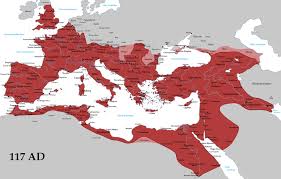
Expansion and Limits. At its height, the Roman Empire spanned from the British Isles to the Middle East, encompassing diverse cultures, languages, and resources. The Roman system of governance needed to be equipped to handle the complexities of such a vast empire. Maintaining an enormous legionary force stretched the empire’s resources, especially when dealing with distant provinces needing protection and oversight.


Economic Strain.  The Roman Empire faced profound economic challenges. It relied heavily on slave labour, heavy taxes from provinces, and tributes from conquered peoples to fund its expenditures. The vast system of roads, military garrisons, and cities required a continuous flow of resources. The reliance on trade and the dependence on foreign resources, such as grain from Africa and olive oil from Spain, made the empire vulnerable to disruptions.


Military and Political Challenges.  The Roman military’s attempts to expand—through campaigns in Parthia, for example—often overstretched the system. Long supply lines, the need for vast garrisons, and the difficulty of integrating newly conquered peoples into the Roman system all contributed to inefficiencies. The Roman political system struggled to manage these challenges, with corruption, favouritism, and nepotism undermining administrative effectiveness.


Decline and Fall. The decline of the Western Roman Empire is often attributed to the failure to manage the economic, military, and administrative challenges of ruling such a vast territory. The Roman system could not adapt to the pressures of dealing with a constantly shrinking tax base, the costs of suppressing rebellions, and the necessity of defending its borders against ever-increasing barbarian invasions. The eventual collapse in 476 AD was a military defeat and a reflection of the empire’s inability to control its territories.


The British Empire


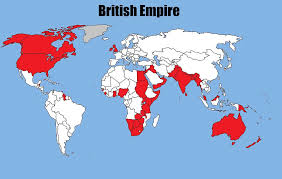
Global Reach and Maintenance. At its zenith, the British Empire controlled vast territories across Africa, Asia, the Americas, and the Pacific. The imperial model relied on leveraging colonies for economic gain—extracting resources and creating markets for British goods. However, maintaining global control required significant military presence and administrative oversight.


Financial Strain. Maintaining an empire was costly. The British government had to fund the Royal Navy, military expeditions, and administrative costs in distant colonies. The burden of protection, trade route security, and the suppression of rebellions greatly strained the British economy. The need to finance these efforts led to increased taxes at home, public discontent, and growing resistance in the colonies.


World Wars as Catalysts. The impact of World Wars I and II on the British Empire was pivotal. The financial costs of these wars were staggering—Britain’s debt ballooned, and the economic impact was felt domestically and internationally. The wars also disrupted global trade and the imperial system, with colonies demanding greater autonomy and independence post-war. The military strain of controlling distant regions was revealed as the British Army was spread thin across multiple fronts, significantly increasing the empire’s burden and contributing to its eventual downfall.


Decolonisation. The aftermath of World War II marked the beginning of the end for the British Empire. The pressure to rebuild post-war economies, combined with nationalist movements across the empire, forced Britain to reassess its imperial strategy. As students, scholars, and individuals interested in history, geopolitics, and imperialism, your understanding and analysis of these events can contribute to reassessing imperial strategies. Decolonisation was hastened by the realisation that the costs of maintaining control over colonies far outweighed the benefits. The granting of independence to India, Pakistan, and other African and Caribbean colonies marked the final phase of British imperial overstretch.


The Soviet Union


Expansion and Control. The Soviet Union extended its influence over Eastern Europe, Central Asia, and parts of the Middle East and Africa. The need to maintain control over these regions placed significant strain on Soviet resources. The empire’s reliance on military force to maintain its influence was economically and politically costly.


Economic Costs. The Soviet Union’s economic model was centred on heavy industry and military spending. The costs of the Cold War arms race with the United States required vast resources. The Soviet leadership prioritised military expenditure over consumer goods and economic diversification, resulting in stagnant living standards and economic growth. The command economy, characterised by state ownership of the means of production and centralised planning, could not allocate resources efficiently, exacerbating the strain on the Soviet system.


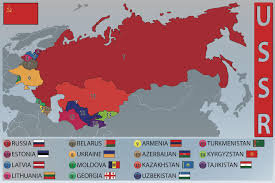
Afghan War and Dissolution. The Soviet intervention in Afghanistan exposed the limits of Soviet military power. The conflict drained economic resources, led to a protracted war effort, and showed the logistical difficulties of fighting a guerrilla war in a foreign country. The Soviet military, despite its size and capabilities, was overstretched, unable to sustain the conflict or effectively pacify the Afghan population. The economic burden of the war, combined with the impact on public morale and Soviet legitimacy, contributed to the eventual dissolution of the USSR in 1991.


End of the Soviet Empire. Economic stagnation, the inability to adapt to internal and external pressures, and the need for rapid reform precipitated the collapse of the Soviet Union. Gorbachev’s glasnost and perestroika policies accelerated the fragmentation and collapse process. The Soviet system could not control its expansive borders and diverse populations.


Analysis of the Present Situation


Understanding the impact of imperial overstressing is crucial for contemporary global powers—particularly the United States and China. They face unique challenges in expanding and maintaining influence while avoiding the pitfalls of past empires.


United States: Policy of Sharing the Burden


Many scholars and commentators argue that the U.S. is experiencing symptoms of overstretch, especially in the 21st century.


Global Presence. The U.S. maintains a vast network of over 750 military bases across over 80 countries and regions, spending nearly $900 billion annually on defence (as of 2023).  However, the costs—both financial and political—are high. While this ensures global influence and deterrence, the financial burden of maintaining this military dominance has grown unsustainable.


Military Commitments.  It engages in conflicts from the Middle East to East Asia and supports NATO’s collective defence. The prolonged wars in Afghanistan and Iraq cost the U.S. trillions of dollars while yielding questionable strategic benefits. These wars drained resources and contributed to domestic political fatigue regarding foreign interventions.


Rising Competition. American hegemony faces challenges as the unipolar world established after the Cold War transitions to a multipolar order. The emergence of peer competitors like China and Russia, combined with regional challenges from powers like Iran and North Korea, strains U.S. resources further. China’s Belt and Road Initiative, technological advancements, and growing military assertiveness directly challenge U.S. supremacy in Asia and beyond. Long-standing allies like Saudi Arabia, Turkey, and even parts of Europe are exploring partnerships with non-Western powers, reflecting diminishing U.S. influence. Efforts by BRICS nations and others to establish alternative financial systems weaken the U.S. dollar’s hegemony, reducing America’s economic leverage.


Domestic issues. Imperial overstretch often involves prioritising external ambitions over internal needs. Internal dysfunction amplifies the effects of overstretching. The U.S. national debt surpassed $33 trillion in 2023, with significant portions of government revenue devoted to servicing debt rather than addressing domestic priorities. Growing public resistance to foreign interventions is challenging the traditional support for expansive global engagement. Deep political polarisation and frequent gridlock in Congress undermine the ability to formulate coherent foreign and domestic policies and the nation’s capacity to adapt to changing global realities.


Economic Costs and Political Dilemmas. The U.S. faces a strategic dilemma—maintaining influence without overcommitting resources. The domestic debate over defence spending, the impact on social services, and the need for economic diversification reflect a broader concern about imperial overstretch. The U.S. must find ways to project power through strategic partnerships, financial ties, and multilateral engagements.


Unique Advantages. While the risks of overstretch are accurate, the U.S. retains unique advantages. America’s technological innovation remains unparalleled, especially in AI, biotechnology, and defence. Unlike many competitors, the U.S. benefits from a relatively youthful and diverse population due to immigration. While strained, the U.S.’s network of allies and partners remains formidable compared to competitors like China.


Possible Way Out. To avoid imperial overstretch, the U.S. must prioritise strategic restraint, focus on domestic revitalisation, and foster multilateral approaches to global challenges.  The U.S. can learn from past empires’ decline by focusing on flexibility, adaptability, and the strategic use of alliances. The creation of the Indo-Pacific Economic Framework (IPEF) and Quad partnership illustrates an attempt to share the burden of regional security with like-minded partners in the Indo-Pacific, avoiding the direct military engagement that could lead to overstretch. Whether it can effectively recalibrate its ambitions remains the key question for its future.


China: Influence through Revival of Trade Routes


While China is often viewed as a rising power, some argue it is also at risk of imperial overstretch. As Beijing pursues ambitious global and regional objectives, its expanding commitments could exceed its economic, political, and military capacity, creating vulnerabilities.


Strategic Expansion. China’s Belt and Road Initiative (BRI), launched in 2013, is a cornerstone of its global strategy. It aims to connect Asia, Africa, and Europe through infrastructure projects. The initiative extends China’s influence through economic investment in infrastructure, trade agreements, and soft power initiatives. It includes projects in Asia, Africa, and Europe, linking China’s markets with new consumers and supply chains.


Challenges. Many BRI recipient countries, such as Sri Lanka, Pakistan, and Zambia, struggle to repay Chinese loans. This has led to debt crises and project defaults, reducing China’s investment returns. The “debt-trap diplomacy” narrative has damaged China’s reputation, forcing it to restructure or forgive loans, adding financial strain. Resistance to the BRI has grown, with countries like Malaysia renegotiating or cancelling projects. Anti-Chinese sentiment in Africa and Southeast Asia complicates China’s efforts to maintain influence. Further, securing Chinese investments in politically unstable regions, such as Central Asia or the Middle East, increases China’s overseas military and diplomatic commitments.


Taiwan and Regional Ambitions: Risk of Overreach. China’s ambitions to assert dominance in its neighbourhood, particularly over Taiwan, risk provoking military and economic overstretch. A military invasion of Taiwan would likely trigger U.S. and allied intervention. This scenario could escalate into a costly conflict, depleting China’s resources and potentially destabilising the Communist Party’s rule.


South China Sea and Border Conflicts. China’s militarisation of the South China Sea has alienated neighbouring countries, such as Vietnam and the Philippines, driving them closer to the U.S. This increases the cost of managing regional security while undermining Beijing’s goals. Persistent tensions with India along the Himalayan border require significant military deployments, distracting resources from other priorities.


Economic Challenges. China’s economic engine, long its greatest strength, is now showing signs of strain, which could undermine its ability to sustain global ambitions. Post-pandemic recovery has been sluggish, with growth rates declining to their lowest in decades. Youth unemployment and a slowing property market exacerbate internal vulnerabilities. The transition from export-driven to domestic consumption-driven growth has proven difficult, limiting China’s ability to finance overseas commitments. The U.S.-led “decoupling” of supply chains and restrictions on technology exports, such as advanced semiconductors, threatens China’s technological ambitions and long-term competitiveness.


Domestic Difficulties. China’s authoritarian model under Xi Jinping centralises power but creates systemic risks that could exacerbate overstretch. Xi’s consolidation of power reduces flexibility in decision-making and increases the risk of policy mistakes. For instance, China’s zero-COVID policy severely disrupted its economy and global supply chains. China faces a demographic decline due to decades of the one-child policy. Fewer workers and a rapidly ageing population reduce economic productivity and increase social welfare costs. Economic inequality, ethnic tensions in regions like Xinjiang and Tibet, and crackdowns on freedoms create internal unrest, diverting attention and resources from external ambitions. While China has invested heavily in modernising its military, sustaining this pace of spending strains its economy, particularly during a period of slower growth.


Global Backlash: Resistance to Chinese Influence. China’s assertive foreign policy has sparked resistance across various regions, straining its resources and soft power. Western democracies, led by the U.S., have formed coalitions to counter China’s rise, such as AUKUS, the Quad, and NATO’s increased focus on Asia. China must expend significant diplomatic and economic resources to manage these challenges. While China has made inroads in Africa, Latin America, and Southeast Asia, its investments often face criticism for being extractive and environmentally damaging. Local resistance to Chinese influence, such as protests against Chinese companies in Africa, adds to the cost of maintaining its foothold.


Recalibration to Avoid Overstretch. China’s rise is remarkable, but its ambition to reshape the global order comes with significant risks of overreach. Whether it can sustain its ascent without succumbing to imperial overstretch will depend on its ability to balance global ambitions with domestic stability and strategic restraint. To avoid imperial overstretch, China must recalibrate its strategies. It should focus on high-value, strategically important BRI projects rather than overextending into low-return or high-risk regions. Domestic economic stability and technological innovation must be prioritised to support long-term ambitions. Shifting from coercive tactics to building genuine partnerships and addressing local grievances in host countries would pay higher dividends. It should avoid entanglements that could escalate into costly conflicts, particularly with the U.S. or regional neighbours.


Conclusion. The historical examples of empires that succumbed to imperial overstretch—such as the Roman Empire, the British Empire, and the Soviet Union—reveal common patterns in the relationship between expansion, resource management, and sustainability. The present-day geopolitical landscape, marked by the U.S. and China, requires these nations to carefully navigate the challenges of imperial overstretch. The United States must balance its global responsibilities with economic constraints, while China’s BRI presents a new form of strategic expansion that relies heavily on economic diplomacy and investment. By learning from the past, contemporary powers can avoid the pitfalls that led to the decline of previous empires. The focus should be on maintaining strategic flexibility, using economic partnerships to share the burden of influence, and avoiding overcommitment in military and economic terms. The future will likely shift from direct imperial control to networks of influence, economic leverage, and strategic alliances—less visible than traditional empires but no less potent in shaping global geopolitics.


Your valuable comments are most welcome.


Link to the article on the website:-

Imperial Overstressing: A Crucial Aspect in the Rise and Fall of Empires


1943
Default rating

Please give a thumbs up if you  like The Post?


For regular updates, please register your email here:-

Subscribe


References and credits

To all the online sites and channels.

References:-

  1. Hobson, John. Imperialism: A Study. London: George Allen & Unwin, 1902.
  1. Lenin, Vladimir I. Imperialism, the Highest Stage of Capitalism. Moscow: Progress Publishers, 1917.
  1. Ferguson, Niall. Empire: The Rise and Demise of the British World Order and the Lessons for Global Power. New York: Basic Books, 2003.
  1. Kotkin, Stephen. Armageddon Averted: The Soviet Collapse, 1970-2000. Oxford: Oxford University Press, 2008.
  1. Ikenberry, G. John. “The Future of American Power.” Foreign Affairs 89, no. 6 (2010): 56-68.
  1. Trevithick, Richard, “China’s Belt and Road Initiative: Assessing Its Scope, Scale, and Impact.” The Diplomat, September 25, 2023. https://thediplomat.com/2023/09/chinas-belt-and-road-initiative-assessing-its-scope-scale-and-impact/
  1. Chatham House: “The Belt and Road Initiative: Implications for Europe,” June 2023. https://www.chathamhouse.org/2023/06/belt-and-road-initiative-implications-europe
  1. Council on Foreign Relations: “U.S. Global Strategy in an Era of Competitive Great Power Politics,” November 2022. https://www.cfr.org/2022/11/us-global-strategy-era-competitive-great-power-politics

Disclaimer:

Information and data included in the blog are for educational & non-commercial purposes only and have been carefully adapted, excerpted, or edited from reliable and accurate sources. All copyrighted material belongs to respective owners and is provided only for wider dissemination.
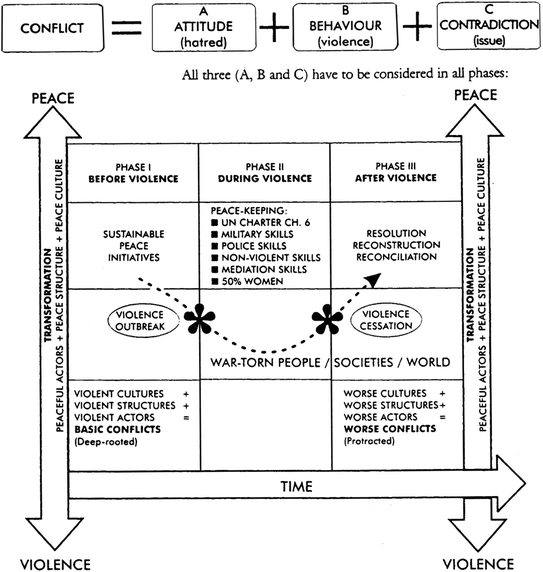
584: CONTEMPORARY WARS THROUGH THE LENS OF GALTUNG’S THEORY


Pics Courtesy Net


My Article published on the Life of Soldier website on 17 Jan 25


In the 21st century, war and conflict have evolved significantly. From interstate wars to protracted civil conflicts, the causes and consequences of contemporary violence are deeply complex. Johan Galtung, a peace and conflict studies pioneer, provides a theoretical framework uniquely suited to analyse these modern wars. His conflict theory, encompassing the conflict triangle, structural and cultural violence, and distinctions between negative and positive peace, offers hope for a comprehensive understanding of conflicts and pathways to resolution. This article explores how Galtung’s theory can be applied to analyse and address contemporary wars, focusing on cases such as the Russia-Ukraine war and the Israel-Hamas conflict.


Galtung’s Conflict Theory


Johan Galtung’s Conflict Theory is foundational peace and conflict studies framework. Galtung, a Norwegian sociologist and the discipline’s founder, developed theories to understand conflict dynamics and pathways to sustainable peace. His most influential contributions include the conflict triangle, the concepts of structural violence, and distinctions between negative peace and positive peace.


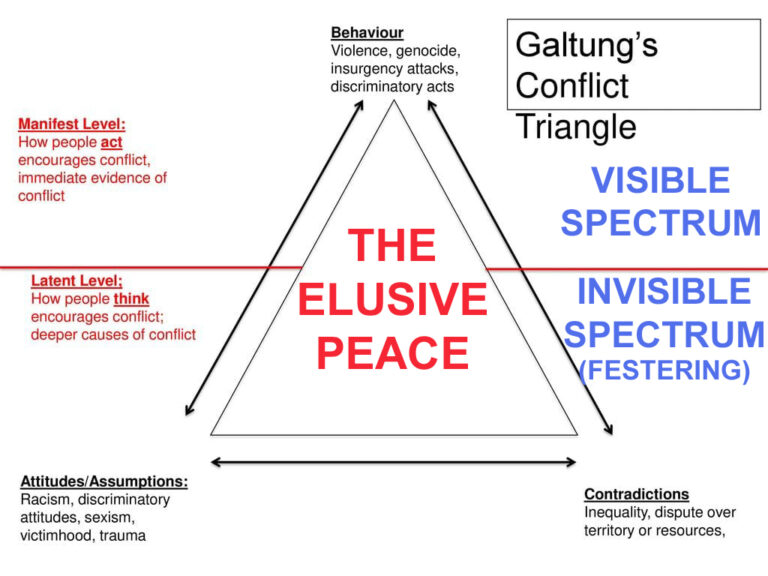
Galtung’s Conflict Triangle. Galtung describes conflict as having three interrelated components, often visualised as a triangle. The first component, the Attitudes (A), includes the perceptions, emotions, and assumptions that parties hold about each other, usually shaped by prejudice, fear, or hatred. The second Behaviour (B) is the actions taken by parties, such as violence, protests, or negotiations. The third segment is the Contradictions (C), i.e. the underlying incompatibilities or structural issues, such as resource disputes or unequal power distributions. For sustainable peace, all three corners of the triangle must be addressed. Resolving the structural root causes (contradictions) without addressing hostile attitudes or violent behaviour might lead to a fragile and temporary resolution.


Types of Violence. Galtung expanded the concept of violence beyond direct physical harm. He categorised violence as direct, structural, and cultural. Direct violence is observable physical or verbal aggression, such as war, assault, or terrorism. Structural violence is indirect harm embedded in societal structures, such as poverty, discrimination, and inequality, which systematically disadvantage certain groups. Lastly, cultural violence is the result of cultural norms and values that justify or legitimise violence, such as ideologies, religions, or traditions that perpetuate oppression. Structural and cultural violence often underpin direct violence. Addressing these forms of violence is essential for creating lasting peace.


Negative Peace vis-a-vis Positive Peace. Negative peace is the absence of direct violence (e.g., a ceasefire or truce). While it stops immediate harm, underlying issues may remain unresolved. On the other hand, positive peace is a holistic state where structural and cultural violence is also eliminated, leading to a just and equitable society. Peace-building efforts should aim for positive peace by transforming societal systems and relationships rather than ending immediate hostilities. Achieving positive peace not only stops violence but also addresses the root causes of conflict, creating a more stable and just society.


Conflict Transformation. Unlike conflict resolution (which seeks to end conflict) or conflict management (which seeks to control it), Galtung emphasises conflict transformation, which involves addressing the root causes and creating conditions for long-term peace and harmony. At the heart of Galtung’s theory, this approach is crucial for understanding and resolving contemporary wars, enlightening us about the importance of addressing the underlying issues and keeping us informed about the complexities of peace and conflict studies.


Multilateral organisations like the UN can use Galtung’s theory to design peace processes and post-conflict rebuilding efforts. Analysing Inequalities can help identify systemic injustices that contribute to conflicts. Education and advocacy can provide a lens to critique cultural norms and challenge violent structures.


Understanding Russia-Ukraine War through Galton’s Conflict Theory


Analysing the Russia-Ukraine war through Johan Galtung’s Conflict Theory offers a structured way to understand the root causes, dynamics, and potential pathways to resolution. We can dissect this complex conflict by using Galtung’s conflict triangle, concepts of violence, and distinctions between negative and positive peace.


Galtung’s Conflict Triangle. The three components—contradictions, attitudes, and behaviour—highlight the interplay between the conflict’s structural roots and immediate manifestations.


    • Contradictions (Structural Causes). Historically and geopolitically, Ukraine’s position as a buffer zone between Russia and the West (NATO/EU) has created long-standing tensions. Russia perceives NATO expansion as a threat to its security, particularly with Ukraine’s aspirations for NATO/EU membership. Russia’s annexation of Crimea in 2014 and the conflict in Donbas (eastern Ukraine) reflect disputes over territorial sovereignty and self-determination. Control over natural resources, pipelines, and strategic ports, particularly in Crimea and the Black Sea, adds to the structural causes.


    • Attitudes (Perceptions and Narratives). The Russian perspective is a historical closeness to Ukraine influenced and shaped by shared cultural, linguistic, and religious ties. Its nationalist rhetoric frames Ukraine’s Western alignment as a betrayal and existential threat. The Ukrainian perspective points to a strong drive for independence and self-determination, with resistance to Russian domination. It sees growing alignment with Western values and institutions as a pathway to sovereignty and development.


    • Behaviour (Observable Actions). Observable actions include Russia’s military invasion of Ukraine and Ukraine’s resistance through armed defence. They also include international diplomacy, appeals for Western support, sanctions on Russia, military aid to Ukraine, and diplomatic efforts to de-escalate the conflict.


Types of Violence. Galtung’s framework identifies direct, structural, and cultural violence in the war.


    • Direct Violence. This includes military aggression, missile strikes, sieges, and combat operations resulting in civilian and military casualties. It resulted in the displacement of millions of Ukrainians due to attacks on civilian areas.


    • Structural Violence. Economic disparity between regions (e.g., eastern Ukraine vs. the rest of the country) exacerbates local grievances. Russian control of occupied areas imposes governance that marginalises Ukrainian identity and rights. Western sanctions against Russia, while aimed at reducing aggression, create hardships for ordinary Russians, particularly marginalised groups.


    • Cultural Violence. Both sides use propaganda and rhetoric in the form of nationalist narratives that justify violence or delegitimise the opponent’s position. Competing narratives about Ukraine’s identity and sovereignty deepen the divisions.


Negative Peace vs. Positive Peace. Negative Peace (Ceasefire/Absence of war), i.e. a cessation of direct violence, might be achieved through ceasefires or peace agreements, but without addressing underlying causes, hostilities could reignite (e.g., post-2015 Minsk Agreements). Positive peace (Structural Transformation) would be achieved by acknowledging Ukraine’s sovereignty while addressing security concerns for Russia. An inclusive framework would have to be created to address ethnic and linguistic diversity in Ukraine (e.g., the rights of Russian-speaking minorities). Trust must be rebuilt through cultural and educational exchanges to counter divisive narratives. Institutional reforms would ensure economic and political stability in Ukraine, reducing vulnerabilities to external manipulation.


Conflict Transformation Strategies. Galtung’s emphasis on conflict transformation rather than resolution suggests a need for holistic approaches.


    • Multi-Level Dialogue. Engaging Russia, Ukraine, NATO, and other stakeholders in genuine negotiations prioritising long-term stability over short-term gains. Including civil society and regional actors in peace-building efforts.


    • Rebuilding Trust and Cooperation. Addressing Russian fears of NATO expansion with security guarantees. Establishing international frameworks for shared governance of contested areas like Crimea or Donbas.


    • Economic and Social Reconstruction. International support is needed to rebuild Ukraine post-war and ensure equitable development. Addressing energy dependency and economic grievances that fuel tensions.


    • Countering Cultural Violence. Challenging nationalist and antagonistic narratives through media, education, and cultural initiatives. Promoting shared historical understanding and reconciliation efforts.


Through Galtung’s lens, the Russia-Ukraine war is not just about military aggression but a deep-rooted conflict shaped by structural inequalities, hostile attitudes, and geopolitical contradictions. Achieving sustainable peace requires moving beyond negative peace (ceasefire) to positive peace (addressing root causes). This would involve transforming systems of inequality, reframing narratives, and fostering cooperative international relations.


Understanding Israel-Hamas War through Galtung’s Conflict Theory


Understanding the Israel-Hamas conflict through Johan Galtung’s Conflict Theory allows one to analyse the underlying causes, ongoing dynamics, and potential paths toward resolution. This protracted and deeply rooted conflict can be delved into by applying Galtung’s conflict triangle, concepts of violence, and distinctions between negative and positive peace.


Galtung’s Conflict Triangle. Its three components—contradictions, attitudes, and behaviours—offer a framework for examining this conflict.


    • Contradictions (Structural Causes). The conflict over land, particularly Israel’s occupation of Palestinian territories (West Bank, Gaza), is a core issue. The blockade on Gaza and disputes over East Jerusalem exacerbate tensions. Differing claims to the same land are based on historical, religious, and political narratives. Palestinians in Gaza face significant restrictions under the Israeli blockade, including limited access to resources, employment, and healthcare. Ongoing settlement expansions in the West Bank undermine the viability of a two-state solution. Divisions within Palestinian leadership (e.g., Hamas in Gaza and the Palestinian Authority in the West Bank) hinder cohesive representation in negotiations.


    • Attitudes (Perceptions and Narratives). Israeli perspective highlights the fear of existential threats, given Hamas’s stated aim of opposing Israel’s existence and history of attacks on civilians. A perception that security measures, including the blockade and military actions, are necessary for survival. Palestinian perspective includes resentment over dispossession, systemic inequality, and perceived denial of their national and human rights—narratives of resistance against occupation and framing Israeli actions as colonial and oppressive. Decades of violence, asymmetric power dynamics, and failed negotiations have entrenched mistrust and hostility on both sides.


    • Behaviour (Observable Actions). This includes Israeli military operations, airstrikes, and ground incursions in Gaza. Hamas rocket attacks on Israeli cities and other forms of armed resistance. Cycles of escalation and de-escalation are often influenced by external actors (e.g., the U.S., Egypt, and Iran).


Types of Violence. Galtung’s classification of violence highlights the multifaceted nature of the conflict.


    • Direct Violence. Examples of direct violence are physical attacks and bombings by both sides, resulting in civilian and combatant casualties. Indiscriminate rocket fire from Gaza targeting Israeli cities. Military operations destroyed in Gaza and loss of life.


    • Structural Violence. The blockade on Gaza restricts freedom of movement, trade, and access to essential services, contributing to widespread poverty and humanitarian crises. Settlement expansions in the West Bank create conditions of displacement and inequality—unequal access to legal rights, resources, and political representation for Palestinians.


    • Cultural Violence. Religious and nationalist narratives that justify actions on both sides. For example, it claims that divine rights grant exclusive control over the land—narratives framing the “other” as inherently violent or illegitimate. Educational materials and media perpetuate stereotypes and deepen divisions.


Negative Peace vs. Positive Peace.  Negative Peace (Absence of Direct Violence), i.e. temporary ceasefires or truces, has been achieved through external mediation but failed to address root causes. Examples include the 2021 ceasefire and previous agreements mediated by Egypt or Qatar.  Whereas Positive Peace (Structural and Cultural Transformation) would involve addressing underlying issues, such as Lifting the blockade on Gaza, enabling economic and social development, halting settlement expansion, ensuring equitable access to resources and establishing mechanisms for coexistence, justice, and reconciliation.


Conflict Transformation Strategies. Galtung’s emphasis on conflict transformation suggests a need for systemic and relational changes.


    • Addressing Structural Causes: Internationally mediated solutions to establish a fair and sustainable framework for coexistence, such as a two-state or one-state solution; economic initiatives to improve living conditions in Gaza and the West Bank.


    • Rebuilding Trust and Addressing Narratives. Promoting dialogue initiatives between Israeli and Palestinian communities. Countering hate speech and fostering narratives highlighting shared humanity and potential for coexistence.


    • Inclusive Negotiations. Engaging all stakeholders, including Hamas, despite its controversial designation as a terrorist organisation by many countries, to ensure meaningful representation. External Mediators: Leveraging the influence of regional powers (e.g., Egypt, Turkey) and international actors (e.g., the U.S., UN) to facilitate equitable negotiations.


Through Galtung’s lens, the Israel-Hamas conflict highlights a deeply rooted struggle involving structural inequalities, hostile attitudes, and cyclical violence. Sustainable peace requires addressing direct, structural, and cultural violence and transforming the systems and narratives perpetuating the conflict. Moving toward positive peace would involve creating conditions for justice, equity, and mutual recognition.


Conclusion


Johan Galtung’s conflict theory provides a valuable framework for analysing and addressing contemporary wars. By examining contradictions, attitudes, and behaviours and addressing direct, structural, and cultural violence, pathways to sustainable peace can be imagined. While challenges remain significant, a focus on positive peace can transform cycles of violence into opportunities for reconciliation and coexistence. These contemporary war studies illustrate the urgency and relevance of applying Galtung’s insights to modern conflicts, offering hope for a more peaceful future.


Please do Comment.


1943
Default rating

Please give a thumbs up if you  like The Post?


Link to the article on the website:-

Contemporary Wars Through The Lens Of Galtung’s Theory


For regular updates, please register your email here:-

Subscribe


References and credits

To all the online sites and channels.

References:-

  1. Galtung, Johan, and Dietrich Fischer. Constructive Conflict: From Escalation to Resolution. Lanham: Rowman & Littlefield, 2013.
  1. Galtung, Johan. Peace by Peaceful Means: Peace and Conflict, Development and Civilization. Oslo: PRIO, 1996.
  1. Barash, David P., and Charles P. Webel. Peace and Conflict Studies. Thousand Oaks: Sage Publications, 2018.
  1. Ramsbotham, Oliver, Tom Woodhouse, and Hugh Miall. Contemporary Conflict Resolution: The Prevention, Management and Transformation of Deadly Conflicts. Cambridge: Polity Press, 2016.
  1. Menon, Rajan. Conflict in Ukraine: The Unwinding of the Post-Cold War Order. Cambridge, MA: MIT Press, 2015.
  1. International Crisis Group. Russia and Ukraine: Preventing Further Escalation. Crisis Group Europe Report No. 260, 2022.
  1. Khalidi, Rashid. The Hundred Years’ War on Palestine: A History of Settler Colonialism and Resistance, 1917–2017. New York: Metropolitan Books, 2020.
  1. Human Rights Watch. Israel-Palestine: Events of 2022. Human Rights Watch Annual Report, 2023.
  1. Stockholm International Peace Research Institute (SIPRI). Global Conflict Trends and Analysis. Accessed December 2024. https://www.sipri.org.

Disclaimer:

Information and data included in the blog are for educational & non-commercial purposes only and have been carefully adapted, excerpted, or edited from reliable and accurate sources. All copyrighted material belongs to respective owners and is provided only for wider dissemination.
English हिंदी