
625: F-35 DILEMMA REVISITED: BALANCING AFFORDABILITY, CAPABILITY AND TRADE-OFFS.


My Article published on the EurasianTimes Website on 19 Mar 25.


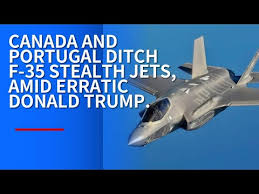
In an interesting development, Portugal, Canada, and Germany are hesitating over the F-35. These developments can be both a challenge and an opportunity for India, whether India should jump into the fray and take the risk or stay away.


Indian Worries. India’s worries include operational and maintenance challenges, US policy uncertainty and technology transfer issues. Countries reconsidering their F-35 purchases usually cite concerns about high operational costs, maintenance complexities, and reliability issues. If a country like Canada, with a strong NATO supply chain, has problems, India, without an established F-35 ecosystem, could face serious logistics nightmares. India has historically struggled with restrictive American defence deals (e.g., CAATSA concerns with Russia). If Canada and Portugal are reconsidering under U.S. influence, India’s potential F-35 deal might come with diplomatic strings attached. Moreover, the U.S. is unlikely to share deep tech integration rights.


Opportunity. On the bright side, the cancellations by these countries could open up production slots, potentially leading to expedited deliveries if India proceeds with an F-35 deal. Furthermore, under these circumstances, Lockheed Martin may be more accommodating in pricing or support agreements with India. A limited number of F-35s could act as a stepping stone to India’s indigenous AMCA program, providing valuable 5th-gen combat experience until India develops its own.


Balancing Affordability and Capability.  Balancing affordability and capability in fighter acquisition programs is a complex and intellectually stimulating challenge in defence procurement. Modern fighter jets, with their advanced avionics, stealth technology, and weapons systems, are not just engineering marvels but also strategic assets that can dominate air, land, and sea. However, these capabilities come at a steep cost, and governments must grapple with budgetary constraints while ensuring their air forces remain capable of addressing current and future threats.


Trade-offs. Understanding and navigating the myriad trade-offs in fighter aircraft acquisition programs are a cornerstone of defence procurement. Balancing performance, cost, operational requirements, and strategic objectives is a complex task that governments and military planners must master to ensure optimal capability within the constraints of their resources. This knowledge empowers decision-makers and enhances the effectiveness of defence strategies.


Trade-Offs for Consideration in Fighter Acquisition Programs

Cost vs. Capability. A fundamental trade-off in fighter acquisition is between cost and capability. High-end fifth-generation fighters like the F-35 and the F-22 offer unparalleled performance but come at an exorbitant price. More cost-effective alternatives, such as the F-16 or the Gripen, may lack some advanced features but remain viable options for many air forces. Nations must decide whether to prioritise cutting-edge technology or opt for a more extensive fleet with slightly reduced capabilities.


Multirole Flexibility vs. Specialisation. Many modern fighters, such as the F-35 and Rafale, are designed as multirole platforms capable of performing air-to-air, air-to-ground, and electronic warfare missions. This flexibility reduces fleet diversity but may lead to compromises in specific roles. In contrast, specialised aircraft like the A-10 Thunderbolt II excel in close air support but lack air superiority capabilities. Decision-makers must weigh whether a single multirole platform meets their needs or if specialised aircraft are necessary.


Short-Term vs. Long-Term Investment. Some nations prioritise acquiring proven, off-the-shelf platforms that provide immediate operational capability, while others invest in the long-term development of next-generation aircraft. The former minimises short-term risks but may become outdated sooner. The latter approach, seen in programs like the Tempest and NGAD, is high-risk but ensures future technological superiority.


Fleet Size vs. High-End Technology. Budget constraints often force militaries to choose between a more extensive fleet of less advanced fighters or a smaller number of top-tier aircraft. A more comprehensive fleet provides more coverage and sortie rates, while a smaller fleet of high-end fighters offers superior combat capability. For instance, many nations supplement their fleets of expensive stealth aircraft with cheaper fourth-generation fighters to maintain numbers.


Capability vs. Quantity. Nations must decide between procuring fewer advanced jets or a more extensive fleet of less capable aircraft. For instance, the U.S. chose to supplement its high-end F-22 fleet with the more affordable F-35, while countries like China and Russia have emphasised quantity to ensure strategic depth.


Indigenous Development vs. Foreign Procurement. Countries face a strategic choice between developing domestic fighter programs and purchasing from foreign suppliers. Indigenous programs, such as India’s Tejas/AMCA or South Korea’s KF-21, promote self-sufficiency but require significant research and industrial infrastructure investment. Buying foreign jets ensures immediate capability but can lead to dependency on external suppliers.


Indigenous Fighter Development for Cost-Effectiveness. India’s HAL Tejas was developed to reduce reliance on foreign fighters while maintaining affordability. Designed with modular upgrades in mind, the Tejas has gradually improved with better radar, weapons integration, and avionics. Despite delays in development, its affordability compared to Western counterparts has made it an attractive option for India’s long-term air power strategy.


Balancing Affordability and Capability

Balancing affordability and capability in fighter acquisition programs is a complex but essential task for modern air forces. Governments must ensure that their aircraft provide operational effectiveness without exceeding budgetary constraints. The following best practices help achieve this balance.


Comprehensive Lifecycle Planning. A fighter jet’s cost extends far beyond its initial acquisition price. Governments must consider long-term expenses, including operation, maintenance, upgrades, and eventual disposal. Comprehensive lifecycle cost analysis, which involves estimating all costs associated with a system over its entire life, helps mitigate budgetary surprises and ensures financial sustainability over decades of service.


Incremental Upgrades. Modern fighter jets should have modular systems and open architectures to accommodate incremental upgrades. This approach extends an aircraft’s service life while spreading costs over time. The F-16 Fighting Falcon, introduced in the 1970s, remains operational due to continuous upgrades in avionics, radar, and weapons. This strategy prevents obsolescence while reducing the need for costly new aircraft acquisitions.


Focus on Multi-Role Capability. Multi-role fighters provide greater operational flexibility by performing various missions with a single platform. The Dassault Rafale exemplifies this concept, capable of air-to-air combat, ground attack, and reconnaissance missions. This versatility allows air forces to reduce the number of specialised aircraft types, simplifying logistics and maintenance while lowering overall costs.


Prioritising Export Potential. Designing fighter jets with exportability in mind helps amortise development costs and reduce per-unit expenses. Countries that successfully market their fighters to foreign buyers can reinvest revenues into further technological advancements.


Emerging Trends and Technologies. Technological advancements are reshaping how air forces balance affordability and capability. The following emerging trends offer cost-effective solutions while enhancing combat effectiveness.


Unmanned Systems. Unmanned aerial vehicles (UAVs) and ‘loyal wingman’ drones, which are autonomous aircraft that operate alongside manned aircraft, complement traditional fighter jets by taking on high-risk missions at a lower cost. These platforms can conduct reconnaissance, electronic warfare, and combat operations without endangering pilots. Programs like the Boeing MQ-28 Ghost Bat highlight the growing role of UAVs and ‘loyal wingman’ drones in modern air combat.


Artificial Intelligence. AI-powered systems improve decision-making, enhance situational awareness, and reduce pilot workload. Advanced AI integration enables autonomous operations, making fighters more effective while potentially reducing crew training costs. AI-driven mission planning and adaptive combat algorithms are key to next-generation fighter capabilities.


Conclusion

Balancing affordability and capability in fighter acquisition programs is a complex but essential endeavour. As nations face evolving threats and fiscal constraints, the ability to make strategic trade-offs will determine their air power’s effectiveness. By embracing innovative technologies and fostering international collaboration, governments can achieve an optimal balance that ensures operational readiness and financial sustainability.


India traditionally prefers non-restrictive platforms like the Rafale and Su-30MKI that allow customisation. The F-35, despite its advanced stealth and networking, is deeply tied to U.S. control mechanisms. If Germany, Canada, and Portugal, NATO allies with solid U.S. interoperability, are hesitating, India must be doubly cautious before signing anything. The Big Question, however, remains whether India should even consider the F-35. After analysing the factors mentioned earlier, the current answer is negative (even with faster delivery schedules).  


For considering the F-35 as a potential option for India, several critical concerns must be addressed to make it a viable choice. Foremost among these is the issue of technology transfer and support to Indigenous aircraft development. Operational sovereignty is essential, as any restrictions imposed by the U.S. could limit India’s ability to integrate indigenous systems and conduct independent upgrades. Cost considerations (including procurement, maintenance, and lifecycle expenses) must be carefully weighed against alternative platforms. Geopolitical reliability is another key factor, given past U.S. sanctions and export restrictions that could impact fleet sustainability. Finally, interoperability with India’s existing fleet and infrastructure must be thoroughly assessed to ensure seamless integration without excessive logistical burdens. Addressing these concerns through ironclad agreements and long-term strategic assurances would be essential for India even to consider the F-35 option (in limited numbers).


Please Do Comment.


1943
Default rating

Please give a thumbs up if you  like The Post?


Link to the article on the website:-

U.S.-China Tensions: F-16 Vipers To Get LRASM Capability That Could Puncture World’s Biggest Navy


For regular updates, please register your email here:-

Subscribe


References and credits

To all the online sites and channels.

Pics Courtesy: Internet

Disclaimer:

Information and data included in the blog are for educational & non-commercial purposes only and have been carefully adapted, excerpted, or edited from reliable and accurate sources. All copyrighted material belongs to respective owners and is provided only for wider dissemination.


624: F-35 Stealth Vs Beast Mode


Israel’s recent revelation about deploying the F-35 in beast mode, carrying weapons externally during aerial strikes, prompts a deeper exploration. This strategic decision, while compromising the aircraft’s stealth, is a calculated move. The understanding of going beast mode over Gaza, with its negligible air defence, is clear. However, the prospect of employing this mode in Lebanon or Iran, with their formidable air defences, presents a complex operational challenge. This raises the question: what are the operational intricacies of using the beast mode in such scenarios?


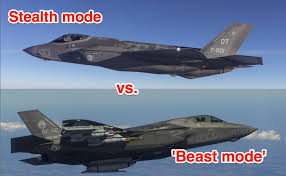
The F-35, in its ‘stealth mode,’ carries weapons internally, effectively reducing its radar signature. However, when it transitions to ‘beast mode,’ carrying weapons externally, it sacrifices this stealth advantage for increased firepower. This Trade-off is a crucial consideration in military operations.


In “beast mode,” it carries additional munitions on external pylons. This configuration increases the aircraft’s radar cross-section (RCS), making it more detectable by enemy radar.


Beast mode increases the F-35’s firepower by allowing it to carry more ordnance, maximising strike efficiency against numerous ground targets.


However, Israel’s use of the F-35 in beast mode likely depends on the specific operational environment and objectives.


The Beast Mode can be used in the following operational scenarios:-

    • The enemy has no air defence capability or weapons.
    • SEAD (Suppression of Enemy Air Defences) missions have degraded the enemy’s radar and SAM capabilities.
    • One way to mitigate the risks of flying in beast mode is by staying out of the enemy’s air defence weapons range. This can be achieved through intelligence-supported operational planning and/or stand-off attacks. The role of intelligence and meticulous planning in these operations cannot be overstated.
    • Using escort and suppression support from electronic warfare platforms to mitigate the risks of flying in beast mode.


Low Threat Environment (Gaza Strikes). Against Hamas and other militant groups in Gaza, stealth is unnecessary since they lack sophisticated radar-guided air defences. Beast mode can be used in a risk environment to maximise firepower.


Lebanon (Hezbollah) Strikes. Hezbollah has comparatively more advanced air defence capabilities than Hamas, including Iranian-made radars and some older Russian SAMs. Beast mode can be used in a medium-risk environment by avoiding enemy air defences.


Iran Strikes—A Different Challenge. Iran operates a more sophisticated air defence network. Using beast mode over Iran would be risky because the F-35 would be much more visible on Iranian radar, and Iran’s long-range SAMs could engage the aircraft before it reaches the target. Beast mode can be used in a high-risk environment after neutralising enemy air defences.


Link to the article by Sakshi Tiwari :-

After 1st Combat Use Of F-35, Israel Achieves Another First By Flying Adir Stealth Fighters In “Beast Mode”

Please Do Comment.


1943
Default rating

Please give a thumbs up if you  like The Post?


For regular updates, please register your email here:-

Subscribe


References and credits

To all the online sites and channels.

Pics Courtesy: Internet

Disclaimer:

Information and data included in the blog are for educational & non-commercial purposes only and have been carefully adapted, excerpted, or edited from reliable and accurate sources. All copyrighted material belongs to respective owners and is provided only for wider dissemination.


623: AN AGING GIANT: THE DEMOGRAPHIC CHALLENGE FACING CHINA


China’s meteoric rise from an agrarian economy to a global superpower is one of the most significant transformations in modern history. However, beneath the surface of its economic achievements lies a demographic time bomb. The world’s most populous country is now grappling with an ageing population, declining birth rates, and a shrinking workforce, threatening its economic growth and social stability. China’s demographic challenge has multifaceted dimensions.


Historical Context of China’s Demographic Policies. China’s historical population control measures largely shaped the current demographic trajectory. In 1979, the Chinese government introduced the one-child policy to curb population growth and alleviate resource pressure. The policy resulted in negative population growth. As recently as 2019, the consensus was that China would reach a peak population of 1.45 billion in 2031. However, to everyone’s surprise, the population peaked in 2021, an entire decade earlier, at around 1.4 billion.  While this policy successfully reduced birth rates, it also led to significant unintended consequences, including gender imbalances, accelerated ageing, and a shrinking labour force. The relaxation of the one-child policy in 2015 and its eventual replacement with a three-child policy in 2021 have so far failed to reverse these trends.


The Aging Population: A Looming Crisis. China’s population is ageing at an unprecedented rate. The ageing population presents numerous challenges, including a higher dependency ratio, increased healthcare and social services demand, and a shrinking tax base. In 2022, the proportion of people aged 60 and above reached 19.8% of the total population, and this figure is projected to rise to over 30% by 2050. Several factors contribute to this phenomenon:-

    • The One-Child Policy Legacy. Introduced in 1979, the one-child policy aimed to curb rapid population growth. While it succeeded in lowering birth rates, it also disrupted population dynamics. A preference for male children led to a significant gender imbalance, with millions of men unable to find partners. The policy’s long-term effects include a generation of only children burdened with supporting ageing parents and grandparents.
    • Declining Fertility Rates. Despite the relaxation of the one-child policy in 2015 and the introduction of a three-child policy in 2021, birth rates continue to fall. In 2022, the fertility rate in China dropped to 1.2, lower than that of the US and Japan and far below the replacement level of 2.1.
    • Increased Life Expectancy. Advances in healthcare and living standards have significantly extended life expectancy, which now exceeds 78 years.
    • Urbanisation. Urbanisation has altered traditional family structures and reduced the economic incentives for having multiple children. Urbanisation and changing societal norms prioritise careers and personal freedom over family expansion. Economic pressures, such as the high cost of living, housing, and education, discourage couples from having more children.


Implications.

China’s economic miracle was primarily driven by its “demographic dividend,” characterised by a young and abundant workforce that propelled the country’s rapid industrialisation and economic expansion. However, as China’s workforce shrinks, it faces significant economic headwinds, which will have profound financial, social, and cultural implications. The following factors highlight the consequences of China’s demographic decline and how they will shape its future.


Labour Shortages. Labour shortages are one of the most immediate consequences of China’s demographic shift. The country currently has a working-age population of about one billion people, but this figure will decline by approximately 100 million per decade. By 2030, China’s working-age population will decrease by over 60 million, leading to severe labour shortages in key industries, particularly manufacturing and technology. A shrinking workforce reduces overall economic productivity and innovation potential, making it increasingly difficult for China to maintain its competitive edge in global markets. As wages rise due to the declining supply of workers, businesses will seek alternative locations for production, favouring countries with younger populations such as India, Vietnam, and Indonesia. This shift may slow China’s economic growth and reduce its influence in global supply chains.


Dependency Rate. The increasing dependency ratio presents another significant challenge for China. The ratio of those aged 60 and above to those aged 15-59 will rise dramatically from 30 per cent to 50 per cent in the coming decade. In 2001, this ratio stood at just 15 per cent, highlighting the rapid pace of China’s demographic transformation. A higher dependency ratio means fewer working-age individuals can support the growing elderly population, increasing financial burdens on households and the state. The demographic shift will result in fewer taxpayers and contributors to social security systems, exacerbating economic pressures.


Rising Pension Costs. One of the most concerning financial implications of China’s ageing population is the rising cost of pensions. The country’s pension system is already underfunded, and the growing number of retirees will strain resources even further. Without substantial reforms, China could face a pension crisis, forcing the government to cut benefits, raise the retirement age, or significantly increase taxes to maintain the system’s solvency. These changes could spark social unrest, as older citizens, accustomed to state-provided benefits, may protest against reductions in financial support.


Reduced Savings and Investment. Additionally, an ageing population tends to save less, which could reduce the amount of capital available for investment. Historically, China’s high savings rate fuelled domestic investment and economic expansion. However, as elderly individuals rely more on their savings for daily expenses, the overall savings rate will decline, potentially leading to lower investment in infrastructure, research, and technological innovation. This shift could slow the country’s long-term economic growth and weaken its ability to compete with younger, more dynamic economies.


Care for the Elderly. The demographic crisis also has significant social implications, particularly regarding elder care. Traditionally, Chinese families have taken responsibility for caring for ageing relatives, but this model is becoming increasingly unsustainable. With the one-child policy leaving many families with only a single child to support two parents and potentially four grandparents, the burden of elder care is immense. This “4-2-1 problem” places enormous financial and emotional stress on younger generations, simultaneously forcing them to balance careers, childcare, and elder care. As a result, many young Chinese face declining quality of life and increased economic pressure, which may discourage them from having more prominent families, exacerbating the demographic crisis.


Gender Imbalance. Another major challenge is China’s gender imbalance, a lingering consequence of the one-child policy and a traditional preference for male offspring. As of 2020, there were approximately 34 million more men than women in China. This gender disparity has led to lower marriage and birth rates as many men struggle to find partners. Economic pressures and the high cost of raising children and housing have discouraged young couples from starting families. The decline in birth rates accelerates population ageing and further reduces the working-age population, creating a vicious cycle that deepens China’s demographic challenges.


Youth Pressure. China’s youth face mounting pressure as they are increasingly burdened with supporting their children and ageing parents. The “4-2-1 problem” intensifies this strain, as single children are responsible for caring for two parents and four grandparents, all while raising their children. The economic and psychological toll on younger generations could lead to declining mental health, reduced productivity, and lower overall life satisfaction.


Geopolitical Ramifications

China’s demographic decline has far-reaching geopolitical implications. As its workforce shrinks and economic growth slows, China may struggle to sustain its ambitious global projects, such as the Belt and Road Initiative (BRI). A weaker economy could limit the country’s ability to provide infrastructure investments and financial aid to developing nations, reducing its influence in regions such as Africa, Latin America, and Southeast Asia. This could create an opening for competing powers like the United States to expand their economic and diplomatic reach.

If economic pressures continue, China may adopt a more aggressive foreign policy to rally nationalist sentiment and distract from internal issues. This could increase tensions in the Taiwan Strait, the South China Sea, and its border with India.

The demographic crisis could also weaken China’s manufacturing dominance, leading to shifts in global supply chains. Countries with younger populations, such as India, Vietnam, and Indonesia, may attract investment and manufacturing jobs that previously went to China. As China’s labour force shrinks and wages rise, multinational corporations may seek alternative production hubs, further diminishing China’s economic leverage.

Additionally, with a declining young population, China may struggle to sustain its technological and scientific advancements. A robust and skilled workforce fuelled the country’s economic rise, but a shrinking talent pool could impact innovation in critical sectors such as artificial intelligence, semiconductors, and biotechnology. If China cannot maintain its technological edge, it may find itself increasingly reliant on foreign technology, undermining its goal of self-sufficiency and global leadership in high-tech industries.


Military Repercussions

China’s demographic decline will seriously affect its military capabilities and long-term strategic ambitions. A shrinking workforce will reduce the pool of young, physically capable recruits available for military service, potentially limiting the expansion of China’s armed forces. As fewer young people enter the workforce, the government may face challenges maintaining a large standing army while supporting an ageing population. This could lead to shifts in military doctrine, with greater reliance on technology, automation, and artificial intelligence to compensate for the declining manpower.

Moreover, an ageing population could strain the government’s ability to allocate resources toward military modernisation. As pension costs and healthcare expenditures rise, Beijing may be forced to prioritise social welfare over defence spending. This could slow the pace of military advancements, particularly in areas such as naval expansion, missile development, and aerospace technology. An older population may be less willing to support prolonged military conflicts, leading to shifts in China’s strategic calculus regarding territorial disputes and power projection.

A reduced recruitment base may also impact military innovation and operational effectiveness. Historically, military forces benefit from a young, technologically proficient population capable of adapting to new combat technologies and warfare tactics. A declining youth demographic may result in fewer high-skilled personnel entering the military, potentially limiting China’s ability to develop and deploy cutting-edge defence systems.


Conclusion.

China’s demographic challenge is one of the most pressing issues it faces in the 21st century. Its shrinking workforce and ageing population present significant economic, social, cultural, and geopolitical challenges. Labour shortages, a rising dependency ratio, escalating pension costs, and reduced savings will strain the economy. At the same time, the gender imbalance and elder care crisis will place immense pressure on families and young people. Geopolitically, China’s ability to project power and influence globally may weaken as economic constraints force the government to prioritise domestic concerns. China risks long-term economic stagnation, social instability, and declining geopolitical influence without adequate policy interventions, such as increased automation, higher retirement ages, improved social security systems, and incentives for larger families. The coming decades will test China’s economic model’s resilience and ability to adapt to one of the most profound demographic shifts in modern history.


Please Do Comment.


1943
Default rating

Please give a thumbs up if you  like The Post?


For regular updates, please register your email here:-

Subscribe


References and credits

To all the online sites and channels.

Pics Courtesy: Internet

Disclaimer:

Information and data included in the blog are for educational & non-commercial purposes only and have been carefully adapted, excerpted, or edited from reliable and accurate sources. All copyrighted material belongs to respective owners and is provided only for wider dissemination.


References:-

  1. Liu, Yunguo, and Cai, Fang. “China’s Demographic Transition: The End of the One-Child Policy and Future Prospects.” China Economic Review, vol. 49, 2018, pp. 1-13.
  1. Wang, Feng. “The Impact of the Demographic Transition on China’s Economy.” Asian Economic Policy Review, vol. 14, no. 1, 2019, pp. 30-49.
  1. Chen, Wen. “China’s Aging Population: The Economic and Social Impacts.” China Quarterly, vol. 229, 2017, pp. 1075-1095.
  1. Lee, Ronald, and Mason, Andrew. “Population Aging and the Economic Future of China.” Journal of the Economics of Ageing, vol. 2, 2013, pp. 57-65.
  1. United Nations. World Population Prospects: The 2019 Revision. United Nations, Department of Economic and Social Affairs, Population Division.
  1. National Bureau of Statistics of China. China Statistical Yearbook 2023.

7, OECD. China’s Population Ageing: Challenges and Opportunities. OECD, 2021. 

  1. China Development Research Foundation. The Aging Society in China: Trends and Policy Challenges. 2018.
  1. Huang, Yasheng. “The Demographic Challenges of China’s Economic Transformation.” Asia & the Pacific Policy Studies, vol. 6, no. 2, 2019, pp. 222-240.
  1. Duan, Yufei, and Zheng, Yu. “China’s Aging Population and Healthcare: Implications for the Future.” The Lancet Global Health, vol. 7, no. 10, 2022, pp. e1372-e1380.
  1. Cai, Fang. The China Population and Labour Yearbook, Volume 1: Population and Labour. 2011.
  1. Feng, Wang. China’s Demographic Transition and the Family: The Impact of the One-Child Policy. 2021.
  1. Vogel, Ezra F. China’s Hidden Children: Abortion, Adoption, and the One-Child Policy. 2013.
  1. Zhang, Xiaobo, and Li, Hongbin. China’s Economic Growth and Demographic Transition. 2019.
  1. World Bank. “China’s Demographic Transition and Its Economic Implications.” World Bank Group Report, 2020.
  1. McKinsey & Company. “China’s Looming Demographic Crisis.” McKinsey & Company Insights, 2020.
  1. The Economist. “China’s Aging Crisis: How to Manage the Demographic Transition.” The Economist, 2022.
English हिंदी