
559: CYBER POSTURING AND CYBER STRATEGIC COERCION


My article published on the Indus International Research Foundation Website on 16 Dec 24


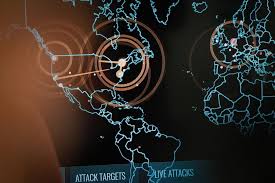
In the 21st century, the digital realm has become an essential arena for national power and international influence. Among the most potent strategies in cyberspace are cyber posturing and cyber strategic coercion. These techniques, though related, serve distinct purposes in the broader context of geopolitical competition. Cyber posturing is the demonstration of cyber capabilities to deter or influence adversaries. In contrast, cyber strategic coercion uses cyber tools to compel an adversary to change behaviour, often causing economic, social, or political disruption.


Cyber Posturing: Signalling Strength and Intent


Cyber posturing refers to the strategic actions and signals a country, organisation, or actor sends regarding its capabilities, intentions, and readiness in cyber security. It can involve various activities, from public statements and demonstrations of cyber capabilities to developing and deploying advanced cyber tools. Cyber posturing typically aims to achieve multiple objectives, such as deterrence, signalling intent, or shaping perceptions among adversaries and allies.


Defining Cyber Posturing. Cyber posturing refers to a state or actor’s strategic actions to protect its cyber capabilities, either in preparation for conflict or as a demonstration of power. Just as a nation might showcase its military hardware or nuclear arsenal during tension, cyber posturing involves actions or public signals designed to communicate resolve, strength, or deterrence in the digital domain. Cyber posturing includes various activities, from showcasing offensive cyber tools in public forums to conducting limited cyber operations to signal resolve. It can be overt—such as publicly revealing cyber capabilities—and covert, involving more subtle actions meant to project power without confrontation. According to Cyber security expert Herbert Lin, cyber posturing is a form of “strategic ambiguity,” where a state’s true capabilities and intentions are not fully clear, keeping adversaries on edge and uncertain of the consequences of escalation. This uncertainty can help maintain a balance of power, as adversaries may be deterred from acting out of fear of unknown retaliation.


Purposes of Cyber Posturing.  Cyber posturing is often difficult to measure directly because it involves ambiguity and strategic ambiguity; the true intent behind cyber actions can be hard to decipher, creating uncertainty among adversaries and possibly preventing miscalculations.


      • Deterrence. The primary goal of cyber posturing is to deter adversaries by demonstrating a credible cyber retaliation capability. For example, the United States National Cyber Strategy emphasises the importance of using cyber capabilities to defend its national interests and to deter hostile cyber actors. U.S. actions, such as publicly attributing cyber attacks to foreign adversaries, are part of a broader cyber posturing strategy to make clear that cyber aggression will provoke a significant response. A nation or group may seek to deter potential adversaries from attacking or engaging in malicious cyber activities by demonstrating advanced cyber capabilities. The idea is to make the cost of an attack seem higher than any potential benefit, much like nuclear deterrence during the Cold War.


      • Signalling Capability. By demonstrating advanced cyber capabilities, countries signal their technical prowess and ability to shape international norms. Nations may engage in cyber posturing to align themselves with global cyber security standards, shaping the perception of their role in international cyber governance. Countries might use cyber posturing to signal their strength or preparedness in the cyber domain. This can include publicising or testing offensive cyber tools or defending against high-profile attacks to showcase resilience.


      • Coercion or Influence. A nation may use cyber means to coerce or influence another country through direct attacks or create an impression of vulnerability that pressures the other side to act in a certain way. This could involve denial-of-service attacks, data breaches, or other disruptive cyber actions.


      • Demonstration of Intent. By engaging in cyber posturing, actors might communicate specific geopolitical intentions. For example, if a country wants to demonstrate support for an ally, it may engage in cyber defence collaboration or publicly disclose its cyber capabilities.


      • Cyber Warfare Preparation. Nations may posture in cyberspace to prepare for future cyber warfare, either to gain an advantage or to ensure readiness in a cyber conflict.


Examples of Cyber Posturing. Russia has frequently engaged in cyber posturing to reinforce its global influence and project power over adversaries. The 2007 cyber attack on Estonia disrupted government and banking operations and is one of the earliest instances of cyber posturing. Though Russia denied involvement, the attack sent a clear message about the power of cyber operations. David S. Alberts, a U.S. defence strategist, noted that the attack illustrated how cyber operations could be used to “exhibit the coercive power of digital tools” without resorting to kinetic military force. China has also engaged in cyber posturing, particularly in the South China Sea, to project its military capabilities and deter other nations from challenging territorial claims. Chinese cyber activities, such as the alleged theft of intellectual property from foreign companies, demonstrate cyber prowess meant to deter international interference.


Cyber Strategic Coercion: The Power to Influence Behaviour


While cyber posturing is about signalling strength, cyber strategic coercion involves using cyber tools to directly influence an adversary’s behaviour, often through the threat or execution of disruptive cyber actions. In this context, coercion is aimed at forcing an adversary to change its political, military, or economic behaviour, usually in the face of an ongoing crisis or negotiation. This form of coercion can be employed in various ways, from targeted cyberattacks that disrupt infrastructure or cause economic damage to more subtle tactics such as cyber espionage or manipulating public perception through disinformation campaigns.


Defining Cyber Strategic Coercion. Cyber strategic coercion operates on the principle of using threats, punishment, or the disruption of an adversary’s infrastructure to force a change in its behaviour. This is often done through cyber attacks that disrupt critical systems, steal sensitive information, or manipulate public perception. Thomas Rid, a leading scholar on cyber security, argues that cyber coercion is effective when it exploits the adversary’s vulnerabilities, pushing them into a position where they either concede to demands or risk escalating the conflict.


Methods of Cyber Strategic Coercion. Cyber attacks that cripple a nation’s economy or infrastructure are a potent form of coercion. Denial of Service (DoS) and ransomware attacks often damage the adversary economically, forcing them to the negotiating table. One of the most notable examples is the WannaCry ransomware attack in 2017, attributed to North Korea, which crippled hospitals, businesses, and government agencies globally. Cyber strategic coercion can also disrupt political processes. The most well-known instance of this was Russia’s interference in the 2016 U.S. presidential election, which involved cyber attacks, disinformation campaigns, and the hacking of political parties. The attack on the U.S. political system aimed to destabilise public confidence in the electoral process and influence the election outcome, signalling a new form of cyber-enabled strategic coercion.


Examples of Cyber Strategic Coercion. Russia has employed cyber strategic coercion in its ongoing conflict with Ukraine. This includes cyberattacks aimed at destabilising the Ukrainian government, such as the 2015 and 2016 attacks on Ukraine’s power grid. These attacks were designed not only to cause direct harm but also to demonstrate Russia’s ability to disrupt critical infrastructure, coercing Ukraine to comply with Russian geopolitical goals. Iran has used cyberattacks as a form of strategic coercion, particularly against the West. In 2012, Iran’s Cyber Army launched a massive distributed denial of service (DDoS) campaign against Saudi Aramco, the state-owned oil company of Saudi Arabia, causing significant disruption. This attack, part of a broader cyber deterrence strategy, was seen as a retaliatory move following the imposition of international sanctions on Iran.  North Korea has increasingly used cyberattacks to finance its regime, with operations such as the Bangladesh Bank cyber heist in 2016, which netted North Korean hackers over $81 million. This type of cyber strategic coercion is not just about inflicting damage on adversaries but also about coercing economic change by undermining the financial infrastructure of global institutions.


Key Elements of Cyber Strategic Coercion


      • Threats and Demonstrations of Capability. States or actors may use cyber operations to demonstrate their ability to inflict significant damage without using traditional military force. This can include publicising capabilities or engaging in limited cyber-attacks meant to signal intent and influence adversaries’ decision-making. For example, a country might conduct a cyberattack against a minor target to send a message about its capabilities, thus deterring an adversary from escalating a conflict or behaving in a manner the attacker disapproves of.


      • Disruption and Denial. Cyber strategic coercion can disrupt critical infrastructure or services, creating economic or social pressure on a target. For instance, a nation might use a cyberattack to disrupt transportation, energy grids, or financial institutions, forcing an adversary to negotiate or comply with demands. A notable example of this tactic is the 2007 cyberattacks on Estonia, which disrupted government and banking services, ostensibly responding to a political dispute.


      • Economic and Political Leverage. Cyber operations can also be used to influence the political or economic landscape of a nation. Cyber actors can weaken the target’s internal stability or manipulate public opinion by compromising data, spreading disinformation, or interfering in political processes. For example, the use of disinformation campaigns, such as those seen during the 2016 U.S. presidential election, can be considered a form of cyber coercion, aiming to sway public opinion or disrupt the political process in a way that benefits the actor behind the campaign.


      • Coercive Diplomacy. Cyber operations can be used to exert pressure in diplomatic negotiations. By threatening or carrying out cyberattacks, an actor can force a country to the table or push for concessions. This form of coercion often leverages the uncertainty surrounding the attribution of cyberattacks to pressure adversaries into compliance without needing to escalate to kinetic warfare.


      • Limited Engagement and Escalation Control. Unlike traditional military force, cyberattacks are often more ambiguous in attribution, allowing states to engage in coercion while maintaining a level of plausible deniability. This provides the attacker with the ability to escalate or de-escalate as needed. This ambiguity can be advantageous for coercion, as it leaves the targeted state uncertain about the full scale of potential retaliation, which might lead them to make concessions to avoid further escalation.


      • Challenges and Considerations. One of the critical challenges in cyber strategic coercion is the difficulty of attributing attacks to specific actors. This ambiguity can complicate retaliatory measures, but it also means that the target may need help to assess the nature or scale of the threat entirely. While cyber coercion is often seen as a way to avoid full-scale military conflict, it still carries the risk of escalating tensions. A cyberattack might provoke a traditional military response or lead to unforeseen consequences, making it a double-edged sword. Cyber coercion can also test the limits of international law and norms. Many international agreements and conventions were written before the rise of cyber capabilities and the line.


Analysis: The Role of Cyber Warfare in Modern Geopolitics. Both cyber posturing and cyber strategic coercion have reshaped the nature of conflict and statecraft in the digital age. While the physical world constrains traditional warfare, cyber operations have no such boundaries, making it easier for states to influence global power dynamics. Cyberattacks are faster, cheaper, and often more ambiguous than traditional military operations, providing states with new tools for shaping international relations. The strategic ambiguity inherent in cyber operations—where attribution is usually unclear—gives states an advantage in using cyber posturing and coercion. The lack of clear attribution makes it difficult for adversaries to respond proportionally, potentially leading to heightened tensions and escalation risks. However, this very ambiguity also complicates the enforcement of international norms and laws governing cyber warfare. George Washington University’s Bruce Schneier states, “Cyber weapons exist in a grey zone where international law and traditional military rules do not apply with clarity.” This uncertainty will likely persist as cyber operations evolve, posing challenges to the global order.


Conclusion. Cyber posturing and cyber strategic coercion represent a new frontier in geopolitical power projection. By using the digital realm to signal strength or coerce adversaries, states can achieve their objectives without resorting to traditional forms of warfare. As demonstrated by the actions of nations like Russia, Iran, and North Korea, cyber operations have become integral tools in the arsenal of modern statecraft. Cyber posturing and strategic coercion are powerful tools for statecraft, enabling actors to achieve their geopolitical objectives through non-kinetic means. However, it requires careful calculation, as it can lead to unintended escalation or miscalculation due to the ambiguity and complexity of the cyber domain. The growing reliance on cyber tools for coercion highlights the need for robust international agreements on cyber conduct. As the world becomes increasingly interconnected, it is clear that the next stage in warfare will not only be fought on land, air, or sea but also in the cyber domain.


Your valuable comments are most welcome.


2134
Default rating

Please give a thumbs up if you  like The Post?


Link to the paper on the website:

Cyber Posturing And Cyber Strategic Coercion (Air Marshal Anil Khosla)


For regular updates, please register your email here:-

Subscribe


References and credits

To all the online sites and channels.

References:-

  1. Lin, H, “Cybersecurity and Cyberwar: What Everyone Needs to Know”, Oxford University Press, 2020.
  1. Rid, T, “Cyber War Will Not Take Place”, Oxford University Press, 2013.
  1. Schneier, B, “Data and Goliath: The Hidden Battles to Collect Your Data and Control Your World”, W. W. Norton & Company, 2015.
  1. Alberts, D. S, “The Influence of Information on Military Operations”, Journal of Strategic Studies, 2008.
  1. Chon, G, “North Korea’s Cyber Heists and the Global Financial System.” The Financial Times, 2016.
  1. Gartenstein-Ross, D, “Iran’s Cyber Strategy: A Framework for Analysis.” International Security Program, The Atlantic Council, 2014.
  1. Mueller, R, “Report on Russian Interference in the 2016 Presidential Election”. United States Department of Justice, 2019.
  1. FBI. “WannaCry Ransomware.” Federal Bureau of Investigation, 2017.

Disclaimer:

Information and data included in the blog are for educational & non-commercial purposes only and have been carefully adapted, excerpted, or edited from reliable and accurate sources. All copyrighted material belongs to respective owners and is provided only for wider dissemination.


547: Antariksha Abhyas 2024: A New Era for India’s Space Security


Pic courtesy Net


My Article published on the Chanakya Forum Website

on 04 Dec 24.


India conducted its first comprehensive space defence exercise, “Antariksha Abhyas 2024”, from November 11 to 13, 2024. It was spearheaded by the Defence Space Agency (DSA) and sought to simulate and tackle the evolving threats posed to space-based assets critical for national security.  The exercise strengthened coordination among India’s tri-services—Army, Navy, and Air Force—while integrating strategic assets within space operations. A primary objective was to assess vulnerabilities in space operations, enhance operational readiness, and develop strategies to withstand potential disruptions or denials of service. The exercise was a drill and a significant milestone in India’s defence strategy. The lessons learned from this exercise are expected to shape future military doctrines and enhance policy frameworks for space security.


Space Warfare. Space warfare refers to using space-based technologies and assets for military purposes, focusing on gaining strategic advantage through control of the space domain. It involves defending space infrastructure (like satellites and communication systems) and the potential to disable or destroy enemy satellites and other space-based assets during conflicts. The critical aspects of space warfare include anti-satellite weapons (ASAT), orbital warfare tactics, and strategies to control or interfere with satellite operations, such as space-based surveillance and reconnaissance and cyber-attacks. Many countries, including India, are establishing space forces and creating specialised units that handle operations in space. In recent years, nations like the U.S., China, Russia, and India have invested heavily in developing space defence capabilities, preparing for the possibility of conflict extending into space. Space warfare is seen as the next frontier in military strategy, where securing space assets will become crucial for the success of both conventional and unconventional military operations.


India and Space Warfare. India has made significant strides in developing its space warfare capabilities, primarily through its defence and space agencies like the Indian Space Research Organisation (ISRO) and the Indian Armed Forces. In recent years, India’s space capabilities have increasingly been integrated into its national defence strategy, and the country has made efforts to ensure the security of its space assets while also developing the capacity to counter space-based threats. India has recognised the importance of space security and is actively working towards setting up a specialised force to handle space-related defence operations. The Indian Air Force (IAF), currently tasked with most space defence-related activities, is being augmented with space warfare-focused units. India established the Integrated Space Cell (ISC) in 2010 to integrate space capabilities into its defence strategy. India’s Defence Space Agency (DSA) was established in 2019 under the Ministry of Defence (MoD) to enhance India’s capabilities in space for defence purposes. The agency coordinates with other agencies, including the Indian Space Research Organisation (ISRO), which handles civilian space exploration and satellite development. In future, the Indian Space Defence Command (ISDC) is expected to be formed to provide a more cohesive and focused defence approach for space assets. India demonstrated its anti-satellite (ASAT) capabilities in March 2019 when it successfully tested Mission Shakti, an ASAT weapon that destroyed one of its satellites in low Earth orbit (LEO). This test marked India as the fourth country after the United States, Russia, and China to develop and demonstrate such a capability. India has invested heavily in developing space-based surveillance and reconnaissance systems to monitor activities on Earth and space. India has been actively developing its space situational awareness (SSA) capabilities to track objects in space, detect potential threats, and predict collisions or other hazards to its satellites. This includes tracking space debris, monitoring the orbits of satellites, and identifying potential risks from enemy or hostile space activities. India is making significant advancements in its space warfare capabilities, focusing on both offensive and defensive measures to safeguard its space assets and ensure dominance in the space domain in future conflicts.


Exercise Antariksha Abhyas 2024


​The Structure and Conduct of the Exercise. Antariksha Abhyas was a highly structured event involving a mix of simulation-based war games, technical briefings, and strategic discussions. The exercise spanned three days and engaged military personnel from the Defence Space Agency and its allied units, as well as representatives from ISRO and DRDO. Each participant played a specific role, ensuring that the exercise was comprehensive and reflective of the real-world challenges India faces in space. The exercise included both tabletop simulations and live operations, with wargame scenarios designed to test the capabilities of India’s space assets in various conflict situations. These simulations included situations where space assets were compromised, such as jamming, cyber-attacks, or physical destruction through anti-satellite missiles. The exercises were not limited to offensive strategies; defensive measures such as securing satellites, countering space-based threats, and recovering lost capabilities were also explored.​


Aim and Objectives. Antariksha Abhyas 2024, India’s first-ever dedicated military space exercise, marks a pivotal moment in its defence strategy.  It was conceived as a ground-breaking exercise to simulate the defence of India’s space assets against emerging threats.  The exercise aimed to test and enhance the operational readiness of India’s space assets, assess vulnerabilities, and improve integration between the various branches of the armed forces and civilian space organisations like ISRO (Indian Space Research Organisation). The key objectives of Antariksha Abhyas 2024 were multi-faceted, focusing on operational readiness and strategic foresight in space defence.


Assessing Vulnerabilities in Space Operations. One of the primary objectives was to evaluate the vulnerabilities of India’s space-based assets. Space is becoming increasingly congested, contested, and competitive, with potential adversaries looking to disrupt or deny access to space-based services. The exercise focused on identifying the weaknesses in operational capacity that might arise if these assets were targeted or disrupted, allowing for a more robust and agile defence strategy.​


Enhancing Inter-Agency Coordination. The exercise aimed to strengthen the integration of space capabilities with the Indian military’s overall defence strategy. This involved collaboration among the Army, Navy, and Air Force and several specialised agencies such as the Defence Cyber Agency, the Defence Intelligence Agency, and the Strategic Forces Command. These agencies and civilian bodies like ISRO and DRDO (Defence Research & Development Organisation) participated to ensure a holistic approach to space defence.​


Testing Operational Dependencies. Another critical aspect of the exercise was understanding how different military operations depend on space-based assets. Many military activities, from satellite communications to surveys, rely heavily on space infrastructure. The exercise sought to simulate how various military sectors could function with or without these vital services, identifying gaps in operational dependency.​


Fostering Innovation in Space Technologies. Given the fast-paced advancements in space technology, the exercise encouraged innovation and collaboration between the military and civilian sectors. This was particularly crucial in addressing emerging challenges such as anti-satellite warfare, space debris management, and the protection of critical satellites.​


Implications for India’s Space Security.


Antariksha Abhyas is significant not only for its technical achievements but also for its broader geopolitical implications. India has long maintained a robust space exploration program, with notable milestones such as the Mars Orbiter Mission (Mangalyaan) and the Chandrayaan missions to the Moon. However, with the growing militarisation of space by other countries, such as the U.S., China, and Russia, India has recognised the need to integrate space into its national security framework.


The exercise reflects India’s growing ambition to become a significant space security player. While the U.S. and China have already developed sophisticated space defence capabilities, India has traditionally lagged in this domain. However, initiatives like Antariksha Abhyas indicate that India is catching up, with a clear focus on developing both offensive and defensive space operations.


Furthermore, the exercise highlights the critical role of civilian-military collaboration. ISRO, with its cutting-edge satellite capabilities, plays a central role in supporting India’s military operations in space. By engaging ISRO in defence exercises, India ensures its military can leverage the latest technologies and research to enhance its space capabilities. This collaboration is crucial in ensuring that India’s space assets are efficient and secure against potential threats.


As India expands its space capabilities, exercises like Antariksha Abhyas will be critical in shaping its future defence strategies. The exercise is a significant milestone in India’s defence and space policy. It signals India’s recognition of space as a vital component of its national security infrastructure. It reflects the growing urgency to protect space assets from conventional and non-conventional threats. The exercise has helped bolster India’s defence capabilities by providing valuable insights into space vulnerabilities, fostering inter-agency collaboration, and enhancing the nation’s readiness for potential space conflicts. Antariksha Abhyas 2024 is more than just a military exercise; it is a symbol of India’s growing space capabilities and its determination to secure its interests in space for the future.


Your valuable comments are most welcome.


Link to the article:

https://chanakyaforum.com/antariksha-abhyas-2024-a-new-era-for-indias-space-security/


2134
Default rating

Please give a thumbs up if you  like The Post?


For regular updates, please register your email here:-

Subscribe


References and credits

To all the online sites and channels.

References:

  1. “Antariksha Abhyas: India’s New Space Security Initiative”, Indian Space Research Organisation (ISRO), 2024.
  1. “India’s Space Security Strategy”, Ministry of Defence, Government of India, 2024.
  1. Nair, S. “Antariksha Abhyas: India’s New Space Security Doctrine.” The Economic Times,
  2. Pandit, R. “India’s Space Defense Strategy: Antariksha Abhyas and Beyond.” The Times of India,
  1. Krishna, A. & Sharma, “The Future of Space Warfare: India’s Response to Emerging Threats”. New Delhi: Oxford University Press.
  1. “India’s Space Diplomacy: Strengthening Security in Outer Space”, Indian Ministry of External Affairs;
  1. Chandran, A, “How Antariksha Abhyas Elevates India’s Strategic Position in Space.” Global Times, 2024.
  1. Raghuvanshi, S, “Space as the New Frontier in India’s Defense Strategy.” Indian Defence Review, 2024
  1. Gulati, V, “China, Pakistan, and the Strategic Implications of India’s Space Security Programs.” The Diplomat, 2024.
  1. “The Evolution of India’s Space Security Strategy”, Space and Defence Research Center, 2024.
  1. “Space Security: Trends and Future Prospects”, UN Office for Disarmament Affairs, 2024.
  1. Sarma, N, “Antariksha Abhyas and Its Role in Strengthening India’s Space Command.” Journal of Strategic Studies, 2024.

Disclaimer:

Information and data included in the blog are for educational & non-commercial purposes only and have been carefully adapted, excerpted, or edited from reliable and accurate sources. All copyrighted material belongs to respective owners and is provided only for wider dissemination.


536: CHINA UNVEILS ‘WHITE EMPEROR’: SIXTH-GENERATION AIRCRAFT AT ZHUHAI AIRSHOW


Pic courtesy Net


My Article published on The EurasianTimes website on 21 Nov 24


Pic courtesy Net


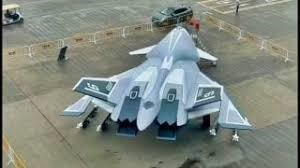
At the 2024 Zhuhai Airshow, China made a significant leap forward in its military aerospace capabilities by unveiling a prototype of its sixth-generation fighter jet, “Baidi B-Type,” also known as the “White Emperor.” This advanced fighter is part of China’s Project Nantiamen, a research initiative to develop next-generation aviation technologies.  The unveiling of this aircraft highlights China’s commitment to staying at the forefront of aerospace innovation, positioning itself to compete with global leaders in the field.


Project Nantiamen. Project Nantianmen is an advanced Chinese aerospace initiative responsible for developing the “White Emperor,” a conceptual sixth-generation fighter aircraft. The project, overseen by the state-owned Aviation Industry Corporation of China (AVIC), aims to push the boundaries of aviation technology. Unveiled as a mockup at the 2024 Zhuhai Airshow, the White Emperor has been described as an “integrated space-air fighter” with potential capabilities to operate in Earth’s atmosphere and beyond.


White Emperor: Design Features.


While many details remain speculative due to the project’s classified nature, images and mock-ups at the Zhuhai Airshow emphasise sleek, angular designs that blend modern stealth with futuristic elements.  The design of the White Emperor claims to incorporate several advanced features that aim to set it apart from existing aircraft.


Integrated Space-Air Operations. The White Emperor is described as an “integrated space-air fighter,” indicating an ambition to function in atmospheric and near-space environments. This includes potential space capabilities like engaging satellites or other orbital assets. Its design may incorporate propulsion and structural features suited for operating at extreme altitudes, though these capabilities remain unverified.


AI and Data Fusion Technologies. The White Emperor is claimed to be a dual-role aircraft designed for air superiority and strike missions. The inclusion of artificial intelligence (AI) and data fusion technologies indicates its future role as a networked combat system, integrating seamlessly with unmanned systems. This would allow the aircraft to process and disseminate real-time information on the battlefield, increasing situational awareness and enhancing combat effectiveness.


Stealth and Aerodynamics. The fighter has advanced stealth capabilities, including reduced radar cross-sections and infrared signatures. The cockpit design minimises reflective surfaces, a common feature in next-generation stealth aircraft. The design includes canards, which are debated for their potential impact on stealth. While they enhance manoeuvrability, they might increase radar detectability, raising questions about the trade-offs in the design.


Payload and Armament. Its design maximises internal space for advanced munitions, suggesting it could carry a diverse range of air-to-ground weapons. The White Emperor reportedly features expanded internal bays capable of carrying larger and heavier munitions, allowing it to fulfil multi-role missions (air-to-air and air-to-ground) while maintaining stealth. The emphasis on heavier payloads suggests adaptability for precision strikes, indicating a focus on versatility and operational readiness.


Flexibility and Versatility. Regarding operational flexibility, the fighter’s modular construction is intended to streamline maintenance, ensuring it remains battle-ready for quick deployments. The fighter’s landing gear is designed for operation on rough runways, unusual for stealth aircraft that traditionally require specialised infrastructure. This feature enhances its deployment flexibility in diverse environments.


Avionics and Systems. The aircraft’s design also incorporates significant upgrades to avionics and cockpit ergonomics, enhancing the pilot’s operational experience and improving the aircraft’s maintenance cycle. Enhancements to the fighter’s avionics likely include AI-assisted systems for situational awareness and target acquisition. These features are designed to streamline operations and reduce pilot workload, a hallmark of sixth-generation designs. Improvements focus on protecting the pilot from infrared and laser targeting systems and enhancing operational efficiency.


Speculative Features. The claim of space-operational capability introduces technical challenges, including propulsion systems capable of transitioning between atmospheric and space flight and robust life-support systems. China’s history of challenges with advanced jet engines (e.g., those used in the J-20) casts doubt on its ability to achieve these ambitious design goals soon.


​Strategic Implications and Global Context


The strategic implications of China’s Nantianmen Project and its White Emperor fighter highlight significant global military power dynamics shifts, particularly in aerospace technology and space militarisation.  Introducing the Baidi B-Type underscores China’s growing ambition to challenge global powers like the United States and Russia in aerospace. With tensions between Washington and Beijing continuing to escalate, particularly in the context of military competition in the Pacific, developing such an advanced fighter is a clear signal of China’s intention to gain air superiority in traditional air combat and the new frontier of space.​


Militarisation of Space. The White Emperor’s reported “space-air integration” capability aligns with China’s broader efforts to dominate near-Earth space, potentially enabling the disruption of enemy satellites and GPS systems. This could alter future battlefronts, where controlling space-based assets becomes critical for communications, navigation, and surveillance.


Global Competition. The U.S. and China are racing to perfect technologies such as hypersonic flight, space access, and integrated network-centric warfare, with each country aiming to deploy its next-generation fighters by the 2030s. This unveiling underscores China’s efforts to challenge the United States and European nations, which are also heavily invested in sixth-generation fighter technology. For instance, the U.S. is advancing its Next Generation Air Dominance (NGAD) program, while the European Union is working on the Future Combat Air System (FCAS) with its allies. China’s push into this domain is part of a broader trend to modernise its military and assert technological superiority. The White Emperor will likely be vital to the People’s Liberation Army Air Force’s (PLAAF) future lineup. This move could accelerate development timelines for next-generation fighters globally.


A shift in Power Dynamics in the Indo-Pacific. The White Emperor, alongside China’s other advanced fighters like the Chengdu J-20 and Shenyang J-35, positions the People’s Liberation Army Air Force (PLAAF) to assert dominance in the Indo-Pacific. This could impact the balance of power, particularly concerning Taiwan, the South China Sea, and China’s broader strategic ambitions.


Innovation in Aerospace and Domestic Self-Reliance. Project Nantianmen reflects China’s drive for self-sufficiency in high-tech military sectors, reducing reliance on foreign suppliers. This initiative demonstrates China’s ambition to lead in aerospace innovation, potentially influencing the global defence industry’s focus and technological benchmarks.


Geopolitical Messaging. The White Emperor’s unveiling serves as a strategic message to global powers about China’s readiness to compete in advanced military technology. The timing, coinciding with the 75th anniversary of the PLAAF, underscores its importance as a symbol of China’s rising military prowess and technological capabilities.


Implications for India. The Baidi B-Type, alongside other advanced Chinese military assets, would enhance the People’s Liberation Army Air Force’s (PLAAF) capabilities, posing a challenge to India in the region. With potential deployment along contentious areas like the Line of Actual Control (LAC), these advanced jets may provide China with enhanced reconnaissance and strike capabilities, pressuring India’s defensive postures. India must accelerate its development or acquisition of sixth-generation technologies to maintain a competitive edge. This highlights the urgency for India to further its Indigenous defence programs, such as the Advanced Medium Combat Aircraft (AMCA).


Despite the White Emperor’s excitement, analysts remain cautious about the aircraft’s true capabilities and future development. The model on display at the airshow is still considered a concept, and its operational status remains unconfirmed. The prototype’s potential remains speculative, and it is unclear how long it will take for such advanced technologies to be fully realised and integrated into the Chinese military. Whether the White Emperor will live up to its promises in the coming years will be critical in determining China’s future role in global military affairs.


While the Baidi B-Type remains a concept at this stage, it’s unveiling at the Zhuhai Airshow showcases China’s rapid advancements in military technology and its vision for the future of warfare. As global defence analysts continue to monitor the development of both U.S. and Chinese sixth-generation fighters, the competition is set to shape the future balance of power in both the air and space domains​.


Your valuable comments are most welcome


2134
Default rating

Please give a thumbs up if you  like The Post?


For regular updates, please register your email here:-

Subscribe


References and credits

To all the online sites and channels.


Disclaimer:

Information and data included in the blog are for educational & non-commercial purposes only and have been carefully adapted, excerpted, or edited from reliable and accurate sources. All copyrighted material belongs to respective owners and is provided only for wider dissemination.


English हिंदी