681: TWO SECTORS, ONE ETHOS: SHARED PRINCIPLES IN DEFENCE AND HOSPITALITY


Presented my views at the event

(World of Hospitality Expo 2025 Bengaluru)  on 12 Jun 25.


At first glance, the hospitality industry and the defence forces inhabit two completely different worlds. One is centred around guest comfort, luxury, and personalised experiences, while the other is dedicated to national security, combat readiness, and discipline under extreme conditions. However, beneath these surface differences lie a surprising number of commonalities. These shared values, systems, and operational philosophies testify to the importance of structure, service, and efficiency in both fields.


Service Orientation and Sense of Duty. Both professions are service-oriented at their core, albeit in different ways. Military personnel are sworn to serve the nation, protect its citizens, and uphold constitutional values, often at great personal sacrifice. Their sense of duty and patriotism define their commitment. In hospitality, professionals are committed to serving guests, ensuring their comfort, safety, and satisfaction. While the service here is commercial, it is also rooted in values like empathy, attentiveness, and responsibility. This shared service ethos cultivates a mentality where personal gain is often secondary to the satisfaction or safety of those served.


Round-the-Clock Operations. Both the defence forces and the hospitality industry function 24/7. Military readiness must always be maintained, regardless of holidays or time zones. Similarly, hotels, resorts, and airlines operate around the clock to serve guests from around the world. This means shift-based work, night duties, and an unwavering service or readiness at all hours. It demands a resilient workforce and strong time management practices.


Leadership. One of the most striking similarities is the demand for decisive leadership in high-pressure situations. Military leaders are trained to make quick, life-or-death decisions in combat zones or crises. Their ability to lead, motivate, and manage resources can make the difference between mission success and failure. While the stakes may not involve national security in the hospitality industry, emergency scenarios, natural disasters, medical emergencies, or VIP security breaches require calm, decisive leadership. Hotel managers must make swift decisions, mobilise teams, and ensure guest safety, often under public scrutiny. Emotional intelligence, stress tolerance, and strategic thinking are invaluable.


Discipline. Discipline is the cornerstone of military life. From a soldier’s daily routine to combat strategies, discipline ensures order, consistency, and operational success. The hospitality industry also demands a very high degree of self-discipline. The shared emphasis on discipline ensures operational efficiency and cultivates a professional culture where accountability and excellence are paramount.


Adherence to SOPs. The defence forces function through Standard Operating Procedures (SOPs) that define actions, responses, and protocols.  In the hospitality industry, SOPs play an equally critical role. Whether it’s how a guest is greeted at a hotel, the sanitation procedure in a kitchen, or the protocol for handling emergencies, every action is governed by established procedures. Like the military, hospitality professionals are trained to follow these processes precisely, ensuring consistency in service and guest safety.


Teamwork. Teamwork is critical in both domains. A successful military operation relies on each unit playing its part with precision. Similarly, seamless guest experiences in hospitality result from the coordination between the front office, kitchen, housekeeping, security, and other departments. In both environments, the inability of one unit to function correctly can affect the entire operation.


Professionalism and Appearance. Both industries uphold high standards of professionalism and personal grooming. Military uniforms are symbols of discipline, unity, and national pride. Similarly, the hospitality industry emphasises uniforms, grooming standards, and personal etiquette to reflect the brand’s image and deliver a sense of trust and order. This emphasis on personal presentation conveys respect for the uniform in the military and for the guest in hospitality. It helps instil a sense of pride and belonging among team members.


Attention to Detail. Attention to detail is critical in both fields, where minor oversights can have significant consequences. In the defence forces, attention to detail can be a matter of life and death. A soldier’s ability to maintain equipment, follow precise instructions, or analyse intelligence accurately can determine the success of a mission. In hospitality, a perfectly made bed, a spotless dining area, or a personalised welcome note can elevate a guest’s experience from ordinary to exceptional. Staff are trained to notice and address even the most minor issues, such as a smudge on a glass or a guest’s dietary preference, to ensure satisfaction. Both industries cultivate a meticulous approach, recognising precision drives excellence and reliability.


Training and Skill Development. Both sectors place a premium on training. Military personnel undergo intense physical, tactical, psychological, and strategic training. Constant up-skilling is required to adapt to new technologies, warfare tactics, and mission demands. Similarly, hospitality professionals are continuously trained in customer service, soft skills, foreign languages, food safety, technology, and management practices. For example, chefs train for years in culinary techniques, and front-office staff must master reservation systems, complaint handling, and cultural etiquette. This shared commitment to lifelong learning and operational readiness reinforces a culture of excellence.


Crisis Management and Emergency Preparedness. The military is trained in extreme, uncertain, and dangerous environments—war zones, peacekeeping missions, or humanitarian operations. Crisis management is embedded into military DNA. The hospitality industry must also be prepared for various crises: fire outbreaks, natural disasters, terrorist threats, pandemics, or political unrest. Hotels and resorts have evacuation plans, first-aid teams, and disaster recovery protocols. The COVID-19 pandemic demonstrated how quickly hotels had to transform into quarantine centers, adopt strict sanitisation protocols, and operate under unprecedented restrictions. Staying composed, mobilising resources, and prioritising human safety are critical in both fields.


Security and Surveillance. These are core functions of defence forces but are also increasingly relevant in the hospitality sector, particularly in high-risk locations or during high-profile events. Hotels and resorts implement CCTV monitoring, access controls, security checks, and emergency drills. VIP guests, dignitaries, and significant events often require cooperation with national security agencies. As a result, both fields rely on intelligence gathering, threat assessment, and preventive strategies to ensure people’s and property’s safety.


Logistics and Operational Efficiency. The military is a logistical powerhouse—managing supply chains, troop deployments, food, fuel, medical supplies, and infrastructure, often under time-sensitive conditions. Hospitality, while different in scale, is also logistics-intensive. Every day, hotels manage inventory, food and beverage supplies, laundry services, room turnovers, event setups, and more. Coordinating these moving parts is essential to the smooth functioning of the establishment. In both cases, operational excellence results from tight coordination, resource planning, and execution.


Cultural Awareness and Protocol. Both sectors engage with diverse populations and cultures in today’s globalised world. Military personnel are often deployed in international missions and must understand local customs to interact effectively with civilian populations and allied forces. Missteps can have diplomatic consequences. Hospitality professionals regularly deal with guests from different cultural, linguistic, and religious backgrounds. Understanding these differences ensures that services are respectful, personalised, and sensitive to guests’ needs. This shared need for cultural competence highlights the importance of empathy, protocol, and communication skills.


Ethical Standards and Accountability. Both sectors require strong moral standards. The military adheres to codes of conduct related to rules of engagement, treatment of prisoners, and civilian protection. Violations can have legal and diplomatic consequences. Hospitality professionals must also maintain ethical conduct, ensuring guest privacy, honest billing, fair labour practices, and non-discrimination. Breaches can damage reputations and invite legal repercussions. A shared culture of integrity and accountability builds public trust and internal cohesion.


Conclusion

Despite their apparent differences in purpose and context, the hospitality industry and the defence forces are more alike than commonly perceived. Both are service-oriented, discipline-driven, and operationally complex. They rely on structured training, teamwork, ethical conduct, and the ability to perform under pressure.


Please Add Value to the write-up with your views on the subject.


2137
Default rating

Please give a thumbs up if you  like The Post?


For regular updates, please register your email here:-

Subscribe


References and credits

To all the online sites and channels.

Pics Courtesy: Internet

Disclaimer:

Information and data included in the blog are for educational & non-commercial purposes only and have been carefully adapted, excerpted, or edited from reliable and accurate sources. All copyrighted material belongs to respective owners and is provided only for wider dissemination.


References:-

  1. Chand, M. (2010). “The impact of HRM practices on service quality, customer satisfaction and performance in the Indian hotel industry.” International Journal of Human Resource Management, 21(4), 551–566.
  1. Andrews, S., & Kasavana, M. L. (2006). The Hospitality Industry Handbook on Nutrition and Menu Planning. Juta and Company Ltd.
  1. Jones, T., Hillier, D., & Comfort, D. (2016). “Security and safety in the hospitality industry: The case of hotel chains.” Journal of Retail & Leisure Property, 6(3), 193–203.
  1. Paraskevas, A. (2013). “Aligning strategy to threat: A baseline anti-terrorism strategy for hotels.” International Journal of Contemporary Hospitality Management, 25(1), 140–162.
  1. Roper, C. A. (1999). Emergency Response Planning for Corporate and Municipal Managers. Butterworth-Heinemann.
  1. Walker, J. R. (2021). Introduction to Hospitality Management (6th ed.). Pearson Education.
  1. Yammarino, F. J., & Bass, B. M. (1990). “Transformational leadership and multiple levels of analysis.” Human Relations, 43(10), 975–995.
  1. Baum, T. (2006). Human Resource Management for Tourism, Hospitality and Leisure: An International Perspective. Cengage Learning EMEA.
  1. Brotherton, B. (2012). International Hospitality Industry: Structure, Characteristics and Issues. Routledge.
  1. Bruneau, T., & Matei, F. (2013). The Routledge Handbook of Civil-Military Relations. Routledge.
  1. Crawford, C. B., & Hubbard, S. S. (2009). The impact of transformational leadership on hospitality service quality. Tourism and Hospitality Research, 9(3), 253–261. https://doi.org/10.1057/thr.2009.14
  1. Ghobadian, A., Speller, S., & Jones, M. (1994). Service quality: Concepts and models. International Journal of Quality & Reliability Management, 11(9), 43–66.
  1. O’Fallon, M. J., & Rutherford, D. G. (2010). Hotel Management and Operations (5th ed.). Wiley.
  1. Pizam, A. (2010). Professional behaviour in hospitality. International Journal of Hospitality Management, 29(3), 329–330.

651: GLOBAL CITIZENSHIP IN EDUCATION AND DIGITAL SPACE


Global citizenship has become crucial to education and digital engagement in an increasingly interconnected world. Global citizenship in education extends beyond national boundaries, emphasising cross-cultural understanding, ethical responsibility, and sustainable development. Schools and universities worldwide are integrating global perspectives into curricula, encouraging students to develop intercultural competence, critical thinking, and a sense of global responsibility.

Simultaneously, digital technology has revolutionised how individuals engage with the world, empowering them with unprecedented access to information, communication, and collaboration. The rise of social media, online learning platforms, and digital activism has given individuals the power to participate in global conversations, advocate for social justice, and address pressing global challenges. However, integrating global citizenship into digital spaces raises concerns about misinformation, digital divides, and ethical dilemmas.

As education systems adapt to the digital age, the role of educators in fostering responsible and informed global citizens has become more critical. This article explores the intersection of global citizenship, education, and digital engagement, examining how technological advancements can support inclusive, ethical, and globally aware learning experiences.


Defining Global Citizenship. Global citizenship recognises that individuals are part of an interconnected world, with rights and responsibilities beyond national borders. It emphasises a shared humanity, fostering awareness, empathy, and action toward global challenges such as climate change, social justice, and inequality. A global citizen values cultural diversity, engages in critical thinking, and works to create a more just and sustainable world. In education, global citizenship promotes interdisciplinary learning, ethical reasoning, and digital literacy, empowering individuals to navigate complex global issues responsibly. It is not just about knowledge but also about fostering a mindset of cooperation and collective responsibility.


Global Citizenship in Education

Incorporating Global Perspectives in Curricula. Education shapes global citizens by integrating international issues into school curricula. Topics such as climate change, human rights, and sustainable development are increasingly included in history, science, and social studies. Programs like the International Baccalaureate (IB) and UNESCO’s Global Citizenship Education (GCED) emphasise critical thinking, cross-cultural understanding, and ethical responsibility. By learning about global challenges and solutions, students develop the knowledge and skills to engage in international problem-solving. This approach broadens perspectives and fosters a sense of responsibility toward creating a more just and sustainable world.

Cultural Exchange and Study Abroad Programs. Cultural exchange and study abroad programs provide students with first-hand experiences of global diversity, fostering intercultural competence and global awareness. Initiatives like Erasmus+, Fulbright, and Model United Nations encourage collaboration with peers from different backgrounds, helping break down stereotypes and promote tolerance. Exposure to other cultures enhances adaptability, communication skills, and appreciation for diverse perspectives. These experiences also help students build international networks, which can lead to future academic and professional opportunities. By engaging with different cultural contexts, students develop the ability to navigate an increasingly interconnected world, strengthening their role as global citizens and future leaders.

Service Learning and Civic Engagement. Service learning and civic engagement encourage students to apply their knowledge to real-world global challenges, fostering empathy and problem-solving skills. Community service projects focused on poverty alleviation, environmental conservation, and public health initiatives help students understand global inequalities and take meaningful action. Collaborations with international NGOs provide hands-on experiences addressing disaster relief, education access, and sustainable development. These opportunities teach students the value of civic responsibility and empower them to become proactive global citizens. Through service learning, students gain a deeper understanding of social issues while developing leadership, teamwork, and ethical decision-making skills.

Multilingual Education. Multilingual education is key to global citizenship, enhancing communication, cultural empathy, and international mobility. Learning multiple languages allows individuals to engage with different cultures, reducing language barriers and fostering deeper connections with people worldwide. Proficiency in more than one language opens doors to diverse career opportunities in international business, diplomacy, and humanitarian work. Additionally, multilingualism improves cognitive flexibility and adaptability, crucial skills in today’s globalised society. By encouraging language learning from an early age, educational systems help students develop the ability to navigate cross-cultural interactions and contribute effectively to the global community.


Global Citizenship in Digital Spaces

Social Media and Digital Activism. Social media has revolutionised global activism by providing a platform for awareness, advocacy, and mobilisation. Movements like #FridaysForFuture, #MeToo, and #BlackLivesMatter have demonstrated the power of digital spaces in amplifying marginalised voices and pushing for social change. Online petitions, crowdfunding platforms, and viral campaigns allow individuals to support humanitarian causes, from disaster relief to policy reforms. However, digital activism requires responsibility to ensure ethical engagement and avoid misinformation. Global citizens can drive real-world change in an increasingly connected digital landscape by using social media to spread awareness, engage in meaningful discussions, and support impactful initiatives.

Online Learning and Virtual Collaboration. The rise of online learning has made global education more accessible than ever before. Platforms like Coursera, edX, and Khan Academy offer MOOCs (Massive Open Online Courses) that allow individuals to gain knowledge from leading institutions worldwide. Virtual classrooms, international webinars, and online research collaborations connect students and professionals from diverse cultural backgrounds, fostering cross-border learning and exchange. These digital tools break geographical barriers and democratise education, enabling lifelong learning and professional development. By engaging in virtual collaboration, global citizens expand their knowledge, build international networks, and contribute to the shared goal of global progress and innovation.

Combatting Misinformation and Promoting Media Literacy. The digital age has made information more accessible and increased the spread of misinformation and biased narratives. Global citizens must develop strong media literacy skills to critically evaluate online content and differentiate between reliable and misleading sources. Fact-checking, cross-referencing information, and recognising propaganda tactics are essential for responsible digital engagement. Promoting informed discourse requires individuals to question sources, engage in constructive debates, and avoid sharing unverified content. By fostering critical thinking and ethical online behaviour, global citizens can help create a more informed and truthful digital environment that supports democratic values and social progress.

Bridging the Digital Divide. While digital globalisation offers immense opportunities, millions still lack access to the internet, digital education, and technological resources. This digital divide disproportionately affects low-income communities and developing countries, limiting their participation in the global economy and education system. Efforts to provide affordable internet, expand digital literacy programs, and improve technological infrastructure are essential to creating an inclusive digital world. Governments, NGOs, and tech companies are vital in ensuring equitable access to technology. By advocating for digital inclusion, global citizens can help bridge the gap and create a world where technology benefits everyone, not just the privileged few.


Conclusion

Global citizenship in education and the digital sphere is more than just a concept—it is a call to action for fostering informed, responsible, and ethical global participants. As technology reshapes learning and communication, education must evolve to equip individuals with the skills to engage critically, collaborate across cultures, and address global challenges. By integrating global perspectives with digital tools, we can cultivate a generation of socially conscious and digitally literate citizens. Ultimately, global citizenship empowers individuals to understand the world and actively contribute to a more inclusive, sustainable, and interconnected future.


Please Add Value to the write-up with your views on the subject.


2137
Default rating

Please give a thumbs up if you  like The Post?


For regular updates, please register your email here:-

Subscribe


References and credits

To all the online sites and channels.

Pics Courtesy: Internet

Disclaimer:

Information and data included in the blog are for educational & non-commercial purposes only and have been carefully adapted, excerpted, or edited from reliable and accurate sources. All copyrighted material belongs to respective owners and is provided only for wider dissemination.


References:-

  1. Pashby, K. (2011). Questions for Global Citizenship Education in the Context of the Digital Age. Education Policy Analysis Archives, 19(34), 1-25.
  1. Selby, D., & Kagawa, F. (2011). Runaway Climate Change as a Challenge for the “Sustainability Mindset” in Global Education. Canadian Journal of Environmental Education, 16, 31-50.
  1. Lankshear, C., & Knobel, M. (2008). Digital Literacies: Concepts, Policies, and Practices. Peter Lang.
  1. United Nations. (2016). The Sustainable Development Goals Report. UN Publications.
  1. UNESCO. (2018). Global Citizenship Education: Preparing Learners for the Challenges of the 21st Century. UNESCO Publishing.
  1. OECD. (2021). The Future of Education and Skills 2030. OECD Publishing.
  1. World Economic Forum. (2020). Schools of the Future: Defining New Models of Education for the Fourth Industrial Revolution.
  1. Oxley, L., & Morris, P. (2013). Global Citizenship: A Critical Introduction. Routledge.
  1. Veugelers, W. (Ed.). (2017). Education for Democratic Intercultural Citizenship. Brill Sense.
  1. Global Citizen. (2022). How Digital Activism is Shaping Global Change.
  1. Harvard Graduate School of Education. (2021). The Role of Technology in Global Citizenship Education.
  1. The Guardian. (2021). How Social Media is Reshaping Global Citizenship.

530: ANCIENT STOIC WISDOM FOR A MODERN WORLD


Happiness comes from aligning one’s will with nature, accepting what cannot be changed, and focusing only on what can be controlled—primarily one’s thoughts and actions.

 – STOICISM


Stoicism, a Hellenistic philosophy founded by Zeno of Citium around 300 BCE, emphasises the pursuit of wisdom, self-discipline, and emotional resilience. It grew in Athens and later spread to Rome, shaping some of the most enduring thinkers in Western history, including Roman Emperor Marcus Aurelius, playwright Seneca, and the freed slave Epictetus. The Stoics were not merely theoretical philosophers; they crafted a way of life to achieve personal peace and strength, equipping individuals to face life’s inevitable hardships.


“The happiness of your life depends upon the quality of your thoughts.”

– Marcus Aurelius


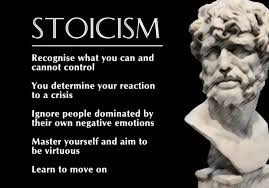
At its core, Stoicism teaches that while we may not control external events, we have complete control over our responses. This simple yet powerful distinction between what we can and cannot control is the essence of Stoic thought, captured by Epictetus in his Enchiridion: “Some things are up to us, and some are not.” The Stoic approach encourages individuals to focus on their actions, thoughts, and attitudes—elements within their control—while accepting, with calm acceptance, the reality of things beyond their influence, such as the actions of others, outcomes of past events, or natural phenomena.


Principles of Stoicism

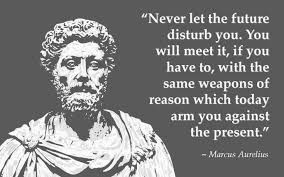
“In your actions, don’t procrastinate. In your conversations, don’t confuse. In your thoughts, don’t wander. In your soul, don’t be passive or aggressive. In your life, don’t be all about business.”

– Marcus Aurelius


Dichotomy of Control. Stoics advocate a fundamental divide between what is within our power and what is not. This “dichotomy of control” is the lens through which they view the world. By relinquishing any attempt to control external events or outcomes, Stoics can devote their energy to cultivating inner resilience. This distinction helps individuals avoid the frustration and helplessness that arise when they try to control things beyond their reach. Instead, Stoics channel their energy toward refining their thoughts and actions, which is a more productive and fulfilling approach.


“We are more often frightened than hurt, and we suffer more in imagination than in reality.”

– Seneca the Younger


Living in Harmony with Nature. For Stoics, living in harmony with nature means understanding and accepting one’s place in the universe. They saw nature as a rational, interconnected system and believed that human beings, as rational creatures, must align themselves with this order to live virtuous lives. Stoicism teaches that we are part of a larger whole, and acting in harmony with nature entails pursuing reason, justice, and ethical conduct. This “natural law” concept frames the Stoic emphasis on virtue, suggesting that human flourishing occurs when we act according to our nature—striving to be just, wise, courageous, and temperate.


Virtue as the Sole Good. Stoics hold that virtue—comprising wisdom, courage, justice, and temperance—is the only true good, while everything else is “indifferent” to one’s moral character. Material wealth, physical health, reputation, or life itself are viewed as external and thus neither inherently good nor bad. These things are preferred or dispreferred but do not determine a person’s happiness or virtue. This emphasis on virtue leads to a life of moral and psychological independence, where one’s sense of self-worth and contentment are anchored in one’s ethical behaviour rather than circumstances beyond one’s control.


Accepting Fate (Amor Fati). A central Stoic practice is the acceptance of one’s fate. The phrase amor fati, meaning “love of fate,” captures this sentiment: Stoics aim to accept events outside their control and embrace them as necessary and even desirable parts of the universe. This idea does not mean passive resignation; instead, it encourages an active acceptance, where one’s inner disposition remains peaceful regardless of external conditions. By developing a mindset of acceptance, Stoics believe they can endure hardships without despair, fostering inner tranquillity amid life’s inevitable challenges.


Practical Stoic Exercises


“Don’t explain your philosophy. Embody it.”

– Epictetus


Negative Visualisation. Negative visualisation, or premeditatio malorum, is a technique that visualises potential losses or misfortunes. The goal is to prepare oneself mentally for difficulties, thereby reducing anxiety about future events. By imagining worst-case scenarios, Stoics aim to minimise fear, cultivate gratitude, and reinforce the ability to respond calmly to life’s setbacks. This technique encourages resilience by fostering familiarity with possible hardships, making one’s mindless vulnerable to shock or distress when challenges do arise.


Reflection on Mortality (Memento Mori). The Stoics encourage regular reflection on mortality with the phrase memento mori, meaning “remember you will die.” This exercise serves as a reminder of life’s brevity, motivating individuals to act purposefully and make the most of their time. Rather than fostering morbid thoughts, this practice aims to cultivate gratitude for each day and encourages an appreciation of what truly matters. Recognising the finite nature of life can help one prioritise meaningful pursuits and avoid distractions or trivial concerns.


“Man conquers the world by conquering himself.”

– Zeno of Citium


Journaling and Self-Examination. Self-reflection through journaling was a common Stoic practice, famously exemplified by Marcus Aurelius’s Meditations. One can track personal growth, acknowledge mistakes, and commit to improvement by examining daily thoughts, actions, and reactions. This introspection helps Stoics remain aware of their thoughts and behaviours, ensuring they align with their principles. Journaling is thus both a practical and philosophical exercise, helping practitioners identify areas for self-improvement and maintain focus on their core values.


“It isn’t the things themselves that disturb people, but the judgements that they form about them.”

– Epictetus


Practicing Voluntary Discomfort. Stoics believed that occasional voluntary discomfort, such as fasting or exposure to cold, builds mental resilience. These controlled experiences with hardship help individuals prepare for unexpected adversities, teaching them they can endure difficulties and even live without luxuries. By embracing temporary discomfort, Stoics strengthen their ability to face real hardships with composure and courage, reducing dependence on external comforts for happiness.


Stoicism in Modern Life

“No person has the power to have everything they want, but it is in their power not to want what they don’t have, and to cheerfully put to good use what they do have.”

– Seneca the Younger


Despite its ancient roots, Stoicism remains highly relevant in modern times, offering tools to navigate a world filled with uncertainties, stress, and rapid change. Its principles are frequently applied in fields such as psychology, self-help, and leadership. For example, cognitive-behavioural therapy (CBT), a widely used psychological approach, draws on Stoic principles, particularly the idea that our interpretations, not external events, cause distress. Stoicism’s emphasis on controlling thoughts and reframing negative experiences parallels CBT techniques, making Stoic practices accessible and effective in mental health.


“Life is divided into three periods: that which has been, that which is, that which will be. Of these the present is short, the future is doubtful, the past is certain.”

– Seneca the Younger


In professional and personal realms, Stoicism provides a framework for resilience. Leaders, athletes, and entrepreneurs often use Stoic practices to remain calm under pressure, focus on their actions, and detach from external results. By prioritising virtues over outcomes, individuals can make ethical decisions, reduce anxiety, and cultivate emotional stability.


“Make the best use of what is in your power, and take the rest as it happens.”

– Epictetus


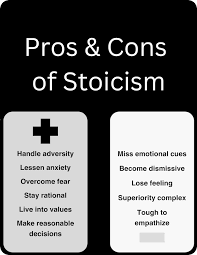
Criticisms and Misunderstandings. Stoicism has been misunderstood as a philosophy of emotional suppression or apathy, largely due to its emphasis on rationality and detachment from externals. However, Stoics do not advocate for emotional numbness; instead, they seek to moderate destructive emotions, cultivating a calm mind capable of experiencing joy, love, and empathy without being enslaved by negative emotions like anger or fear.


“All things are parts of one single system, which is called nature; the individual life is good when it is in harmony with nature.”

– Zeno of Citium


Ultimately, Stoicism teaches that true contentment arises not from controlling external circumstances but from cultivating a mindset of acceptance, virtue, and purpose. Stoicism provides a pathway to inner peace, moral integrity, and a life grounded in reason by focusing on what lies within our power and releasing attachment to what does not. Its timeless lessons inspire those seeking resilience and tranquillity in an unpredictable world.


Your valuable comments are most welcome.


2137
Default rating

Please give a thumbs up if you  like The Post?


For regular updates, please register your email here:-

Subscribe


References and credits

To all the online sites and channels.


Disclaimer:

Information and data included in the blog are for educational & non-commercial purposes only and have been carefully adapted, excerpted, or edited from reliable and accurate sources. All copyrighted material belongs to respective owners and is provided only for wider dissemination.


English हिंदी