Presented my paper at the Forum for Global Studies (Mar 25)
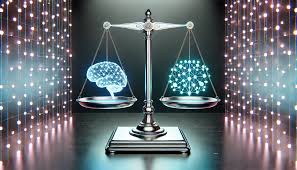
Artificial Intelligence (AI) transforms global power structures, challenging traditional geopolitical, economic, and military balances. As AI develops accelerated, nations, corporations, and non-state actors increasingly leverage its capabilities to gain strategic advantages. This paper examines AI’s role in reshaping power dynamics, focusing on military applications, economic competitiveness, and political influence.
AI in Military Power Projection
Artificial Intelligence (AI) revolutionises military power structures, reshaping warfare, defence strategies, and geopolitical dominance. Nations investing in AI-driven military capabilities gain strategic advantages in battlefield efficiency, intelligence processing, and autonomous systems. Integrating AI in military systems enhances combat efficiency, decision-making speed, and operational effectiveness. AI-powered platforms process vast amounts of data in real-time, improving strategic responses and minimising human intervention in combat.
Autonomous Weapons Systems. Autonomous weapons, also known as lethal autonomous weapon systems (LAWS), utilise AI to identify and engage targets without direct human intervention. These systems revolutionise modern warfare by increasing precision and reducing risks to human soldiers. One of the primary advantages of autonomous weapons is the reduction of human casualties. AI-driven combat systems lower risks for soldiers by automating dangerous missions and keeping human personnel out of harm’s way. Additionally, these systems enhance operational efficiency, as AI-powered drones and robots can operate continuously without fatigue, improving battlefield endurance. Another significant benefit is precision targeting, where AI-enhanced targeting minimises collateral damage, increasing mission accuracy and reducing unintended casualties. Despite these advantages, autonomous weapons raise serious concerns. One major issue is accountability—determining responsibility for autonomous strikes remains a significant challenge. Another risk is the potential for escalation, as AI-driven weapons could lead to rapid, unintended conflicts that spiral out of control. Furthermore, regulatory challenges persist as international treaties struggle to govern AI-enabled autonomous combat systems, making enforcing oversight and ethical considerations difficult.
AI in Cyber Warfare. AI’s role in cyber warfare has transformed digital defence and offensive capabilities. Machine learning algorithms enhance cyber security by detecting and mitigating cyber threats in real time, while AI-driven attacks exploit vulnerabilities with unprecedented sophistication. AI-generated malware is one of the most dangerous offensive cyber tools, as it can adapt and evolve to bypass security protocols. Automated phishing attacks leverage AI-driven social engineering techniques to manipulate targets with precision. Deepfake disinformation campaigns use AI-generated content to disrupt enemy morale and destabilise societies by spreading false narratives. On the defensive side, AI-driven systems play a crucial role in cyber threat detection by analysing network traffic to identify threats before breaches occur. Automated response mechanisms enable AI-powered security systems to neutralise cyber attacks without human intervention. Moreover, predictive intelligence based on behavioural analysis allows AI to anticipate and mitigate future cyber threats, enhancing overall cyber security resilience.
AI in Surveillance and Reconnaissance. AI-enhanced surveillance systems improve intelligence gathering, target tracking, and situational awareness. Military reconnaissance benefits from AI-powered drones, satellites, and sensor networks, which monitor adversaries and assess battlefield conditions in real time. Satellite intelligence (SATINT) uses AI to analyse satellite imagery and detect military activity, providing strategic insights. Unmanned aerial vehicles (UAVs), equipped with AI capabilities, conduct reconnaissance missions and precisely track enemy movements. Additionally, AI-powered facial and behaviour recognition systems enhance security by identifying potential threats based on biometric analysis.
AI-Enhanced Decision-Making and Command Systems. AI augments military decision-making by analysing complex battlefield scenarios, optimising strategies, and providing commanders with data-driven insights. AI-enhanced decision-making leverages machine learning algorithms to analyse battlefield scenarios, optimise logistics, and predict enemy movements, strengthening command and control operations. Predictive analytics allows AI to anticipate enemy movements and suggest optimal responses, improving strategic planning. Automated resource allocation ensures that AI optimises supply chain logistics and troop deployment efficiently. Lastly, real-time battle simulations enable AI to generate war-gaming scenarios, enhancing military preparedness and strategic readiness.
Economic Competitiveness and AI Dominance
Economic power is increasingly tied to AI capabilities. AI enhances productivity, optimises supply chains, and enables rapid decision-making, all contributing to economic growth. Artificial Intelligence (AI) is transforming global economic power structures, redefining industries, and reshaping competition between nations. Countries and corporations that leverage AI to drive productivity, innovation, and automation gain a significant competitive edge in the global economy. Nations leading in AI research and development (R&D) set the standards for global technology markets and influence digital trade regulations. They are setting the stage for economic dominance in the 21st century. Key Areas of AI-Driven Economic Transformation are as follows:-
-
- Automation and Productivity Gains. AI-powered robotics and software streamline manufacturing, logistics, and service sectors, boosting efficiency and reducing costs.
-
- Big Data and AI Analytics. AI processes vast datasets, enabling businesses to make data-driven decisions, predict market trends, and personalise customer experiences.
-
- AI in Financial Services. AI-driven algorithms optimise trading strategies, fraud detection, and risk management, increasing financial sector efficiency.
-
- AI in Healthcare and Biotechnology. AI enhances medical diagnostics, drug discovery, and personalised medicine, improving healthcare delivery and economic gains in the biotech industry.
-
- Smart Manufacturing and Industry 4.0. AI integrates with IoT (Internet of Things) to create intelligent factories, optimise production processes, and reduce waste.
-
- AI’s Role in Shaping Global Trade and Economic Power. The AI revolution is reshaping international trade dynamics, giving AI-dominant economies significant leverage in global markets.
-
- AI in Supply Chain Optimisation. AI enhances logistics, demand forecasting, and inventory management, reducing inefficiencies and costs.
-
- Competitive Edge in Export Markets. AI-powered automation lowers production costs, making AI-leading countries more competitive in global trade.
-
- AI in Trade Negotiations. AI-driven predictive analytics help policymakers and corporations anticipate trade patterns and negotiate better trade deals.
-
- AI and Global Economic Disparities. Countries lacking AI infrastructure risk economic marginalisation. Large corporations and AI-leading nations dominate industries, reducing competition and economic diversity. Nations controlling AI-driven data economies gain disproportionate economic power.
-
- AI and Labour Market Transformations. AI is reshaping the workforce by automating tasks, displacing traditional jobs, and creating new AI-driven employment opportunities.
-
- Job Displacement. AI-driven automation replaces routine and repetitive manufacturing, retail, and customer service jobs.
-
- Emergence of AI-Centric Roles. AI creates demand for data scientists, AI engineers, and machine learning specialists.
-
- Up Skilling and Reskilling Needs. Governments and corporations must invest in workforce retraining to adapt to AI-driven job market changes.
-
- Gig Economy and AI Integration. The gig economy is a labour market characterised by short-term, flexible, and freelance work instead of permanent jobs. It includes independent contractors, temporary workers, and freelancers who typically find work through AI-driven digital platforms. These platforms enable new forms of flexible employment but raise concerns about job security and fair wages.
AI and Political Influence
AI is reshaping governance, diplomacy, and social control. Governments use AI-driven surveillance, information campaigns, and predictive analytics to maintain domestic stability and project influence abroad. Artificial Intelligence (AI) rapidly transforms global political landscapes, reshaping governance, diplomacy, and geopolitical power structures. AI enables governments and political entities to wield significant influence by analysing vast datasets, predicting voter behaviour, and automating propaganda. Its impact extends to election processes, public policy, and international relations, redefining the mechanisms of political power.
Key Areas of AI-Driven Political Influence
-
- AI in Political Campaigns. AI-powered tools analyse voter sentiment, craft personalised messaging, and optimise campaign strategies.
-
- Social Media Manipulation. AI-driven bots and deepfake technology amplify political narratives, shape public discourse, and manipulate opinions.
-
- AI in Policy Decision-Making. AI models provide data-driven insights to optimise governance and public administration.
-
- Surveillance and Political Control. Governments use AI for mass surveillance, influencing public behaviour and suppressing dissent.
-
- AI in Diplomacy and Geopolitical Strategy. AI enhances foreign policy decisions, intelligence gathering, and crisis management.
-
- AI and Electoral Processes. AI has revolutionised election strategies, allowing political entities to predict outcomes, micro-target voters, and optimise campaign engagement. However, it also raises concerns about election security and fairness.
-
- Voter Behaviour Analysis. AI assesses demographic trends, political inclinations, and key voter concerns.
-
- Automated Political Advertising. AI optimises ad targeting, ensuring messages reach the most receptive audiences.
-
- Chatbots for Political Outreach. AI-powered virtual assistants interact with voters, answering questions and reinforcing campaign narratives.
-
- Bias in AI Algorithms. AI-driven decision-making can reinforce political biases and favour specific groups.
-
- Cyber security Threats. AI-powered hacking and misinformation attacks threaten electoral integrity.
-
- AI in Governance and Public Policy. AI transforms governance by enhancing policy-making efficiency, automating administrative tasks, and predicting socio-political trends.
-
- Predictive Governance. AI analyses socio-economic data to forecast public needs and policy outcomes.
-
- Automated Bureaucracy. AI streamlines governmental operations, reducing inefficiencies in administrative processes.
-
- Crisis Management. AI-driven simulations assist policymakers in responding to economic and security crises.
-
- AI in International Relations and Diplomacy. AI plays a crucial role in global politics by enhancing diplomatic strategies, intelligence analysis, and conflict resolution efforts.
-
- AI-Powered Negotiations. AI-driven models assist diplomats in formulating negotiation strategies.
-
- Predictive Conflict Analysis. AI anticipates political conflicts, enabling pre-emptive diplomatic interventions.
-
- AI Arms Race. Leading nations compete to develop AI-driven cyber warfare and autonomous defence systems.
-
- AI in Soft Power Strategy. Nations leverage AI-driven media to project ideological influence worldwide.
AI in Strategic Competition between Nations
The United States and China are at the forefront of AI development, engaging in an AI arms race with significant geopolitical implications. Both nations invest heavily in AI research, infrastructure, and applications to gain technological dominance. Leading military powers, including the United States, China, and Russia, invest in AI-driven defence programs to secure strategic dominance. AI’s role in military technology has sparked an arms race with implications for global security and power dynamics.
The U.S. Approach to AI. The United States adopts a collaborative approach to AI development, leveraging partnerships between the government, universities, and major technology companies like Google, Microsoft, and OpenAI. The Department of Defence prioritises AI integration into defence, intelligence, and cyber capabilities, ensuring national security remains at the forefront of innovation. Regulatory frameworks aim to balance technological advancement with ethical concerns, ensuring AI development aligns with democratic values. The U.S. also strengthens AI research collaborations with allies to maintain a competitive edge over global rivals. The Pentagon invests heavily in AI-powered defence initiatives, including autonomous combat systems such as AI-driven drones and robotic warfare units. Additionally, AI is critical in intelligence analysis, enhancing counterterrorism and national security efforts. Economically, the U.S. fosters AI-driven innovation through public-private partnerships, Silicon Valley startups, and research institutions, ensuring that AI remains a key driver of economic growth. The U.S. also promotes AI governance through regulatory and ethical frameworks to balance innovation with consumer protection.
China’s AI Strategy. China’s AI development is largely state-led, with the government investing heavily in research and innovation to advance its global influence. AI plays a significant role in surveillance and social control, as the Chinese Communist Party employs AI-driven social credit systems and mass surveillance technologies to maintain political stability. AI is also integrated into key economic sectors such as manufacturing, finance, and e-commerce, strengthening China’s position as an economic powerhouse. Militarily, AI is a core component of China’s modernisation strategy, enhancing autonomous warfare systems and cyber capabilities. China has also incorporated AI into its military doctrine for intelligence gathering, cyber warfare, and autonomous combat strategies. The country’s extensive AI-driven surveillance infrastructure further supports military intelligence operations. In its broader economic strategy, China integrates AI into smart cities, digital payments, and urban planning while utilising AI-backed automation to modernise manufacturing and increase global competitiveness.
The European Union’s AI Approach. The European Union takes a regulatory and ethical approach to AI, prioritising governance, data privacy, and consumer protection while fostering technological innovation. The EU is a global leader in AI regulation, ensuring that AI development aligns with democratic values and ethical standards. AI is also widely utilised in sustainability and green technology, helping to optimise energy efficiency and reduce carbon footprints. Additionally, the EU promotes cross-border AI research collaborations, encouraging multinational efforts to advance AI technologies and maintain global competitiveness. The EU aims to set an international standard for responsible AI governance by focusing on ethical AI development and environmental applications.
India’s AI Approach and Strategy
India’s AI strategy is driven by a vision of “AI for All,” focusing on leveraging artificial intelligence to enhance economic growth, social development, and global competitiveness. The government recognises AI as a transformative force and has taken significant steps to integrate AI into various sectors. NITI Aayog’s National Strategy for Artificial Intelligence (NSAI) is the foundation for India’s AI roadmap, identifying healthcare, agriculture, education, smart cities, and mobility as priority areas. The government aims to position India as a global AI powerhouse while ensuring equitable access to AI technologies. India’s approach is unique as it balances innovation with ethical considerations, focusing on AI’s potential to address societal challenges such as poverty, healthcare accessibility, and job creation.
One of the key pillars of India’s AI strategy is the IndiaAI Mission, which focuses on building a robust AI ecosystem through public-private partnerships, investments in research and development, and AI-driven entrepreneurship. The government promotes AI startups through initiatives like Startup India and dedicated AI research hubs, ensuring that domestic innovation thrives. The Centre for Artificial Intelligence and Robotics (CAIR) under the Defence Research and Development Organisation (DRDO) plays a crucial role in the defence, cybersecurity, and automation of AI applications. The National Programme on AI, led by NITI Aayog, also works towards creating a data-driven economy where AI-powered solutions enhance governance, business processes, and public services.
The economic impact of AI in India is substantial, with AI projected to add $967 billion to India’s economy by 2035. AI is being integrated into key industries such as manufacturing, fintech, healthcare, and agriculture to boost efficiency and productivity. In manufacturing, AI-powered automation and robotics are helping industries reduce costs and improve precision. The financial sector benefits from AI-driven fraud detection, risk assessment, and customer service automation, enhancing the efficiency of banks and fintech firms. The agricultural sector is also witnessing a transformation with AI-driven predictive analytics, smart irrigation, and precision farming, improving yields and reducing resource wastage.
The Indian government also focuses on ethical AI development and regulation to ensure fairness, transparency, and accountability. The Personal Data Protection Bill aims to regulate data usage, ensuring user privacy and security. India is also active in global AI discussions, advocating for responsible AI governance on international platforms. The government is working on AI policies that promote inclusivity while preventing misuse, such as bias in algorithms and unethical surveillance. AI literacy and workforce skilling are also critical components of India’s AI strategy, with initiatives like FutureSkills Prime and Skill India training professionals in AI, machine learning, and data science to meet industry demands.
With a rapidly growing AI ecosystem, strong government support, and an increasing focus on indigenous AI solutions, India is poised to become a leading player in the global AI landscape. By prioritising innovation, ethical governance, and AI-driven development, India aims to harness AI’s full potential for economic progress, digital transformation, and social impact, ensuring that AI benefits reach all segments of society.
Conclusion
The global balance of power is shifting as AI revolutionises military strategy, economic dominance, and political influence. While AI presents opportunities for innovation and growth, it also introduces risks of conflict escalation, economic disparity, and authoritarian expansion. As AI becomes increasingly integral to national security and economic strength, global governance mechanisms must evolve to mitigate AI-driven threats and promote equitable development. The race for AI supremacy will define the geopolitical landscape of the 21st century. Nations that successfully harness AI while maintaining ethical standards and international cooperation will emerge as dominant forces in the new world order.
Please Do Comment.
For regular updates, please register your email here:-
References and credits
To all the online sites and channels.
References:-
- Bendett, Samuel & Kania, Elsa (2019). Battlefield Singularity: Artificial Intelligence, Military Revolution, and China’s Future Military Power. Center for a New American Security.
- Horowitz, Michael C. (2019). AI and the Future of War: The Risks and Benefits of Military AI Systems. Texas National Security Review.
- Geist, Edward (2020). How AI Could Destabilize Nuclear Deterrence. RAND Corporation.
- Sayler, Kelley M. (2021). Artificial Intelligence and National Security. Congressional Research Service Report.
- Lee, Kai-Fu (2018). AI Superpowers: China, Silicon Valley, and the New World Order. Houghton Mifflin Harcourt.
- Agrawal, Ajay, Gans, Joshua, & Goldfarb, Avi (2018). Prediction Machines: The Simple Economics of Artificial Intelligence. Harvard Business Review Press.
- Schmidt, Eric & Rosenberg, Jonathan (2021). The Age of AI: And Our Human Future. Little, Brown and Company.
- Feldman, P. J. (2021). AI and the Economic Balance of Power: Competing for the AI Edge. Center for Strategic and International Studies (CSIS).
- Hajian, Sara, Bonchi, Francesco, & Castillo, Carlos (2016). Algorithmic Bias: Detection, Influence, and Mitigation in AI-based Decision-Making Systems. ACM Transactions on Knowledge Discovery from Data.
- West, Darrell M. (2018). The Future of Work: Robots, AI, and Automation. Brookings Institution Press.
- Helbing, Dirk (2021). The Digital Coup: How AI and Big Data Reshape Political Power. Springer.
- Taddeo, Mariarosaria & Floridi, Luciano (2018). Regulating Artificial Intelligence and Big Data: A Framework for Digital Sovereignty. Ethics and Information Technology.
- Brundage, Miles, Avin, Shahar, et al. (2018). The Malicious Use of Artificial Intelligence: Forecasting, Prevention, and Mitigation. University of Oxford.
- Russell, Stuart (2019). Human Compatible: Artificial Intelligence and the Problem of Control. Viking.
- Floridi, Luciano (2020). The Ethics of Artificial Intelligence in International Affairs. AI & Society Journal.
- Rahwan, Iyad et al. (2019). Machine Behavior: Understanding the AI-Driven World. Nature.
- United Nations Office for Disarmament Affairs (UNODA) (2021). Artificial Intelligence and the Challenges of Global Governance.
Disclaimer:
Information and data included in the blog are for educational & non-commercial purposes only and have been carefully adapted, excerpted, or edited from reliable and accurate sources. All copyrighted material belongs to respective owners and is provided only for wider dissemination.