My Article published on the Chanakya forum Website
on 16 Nov 24
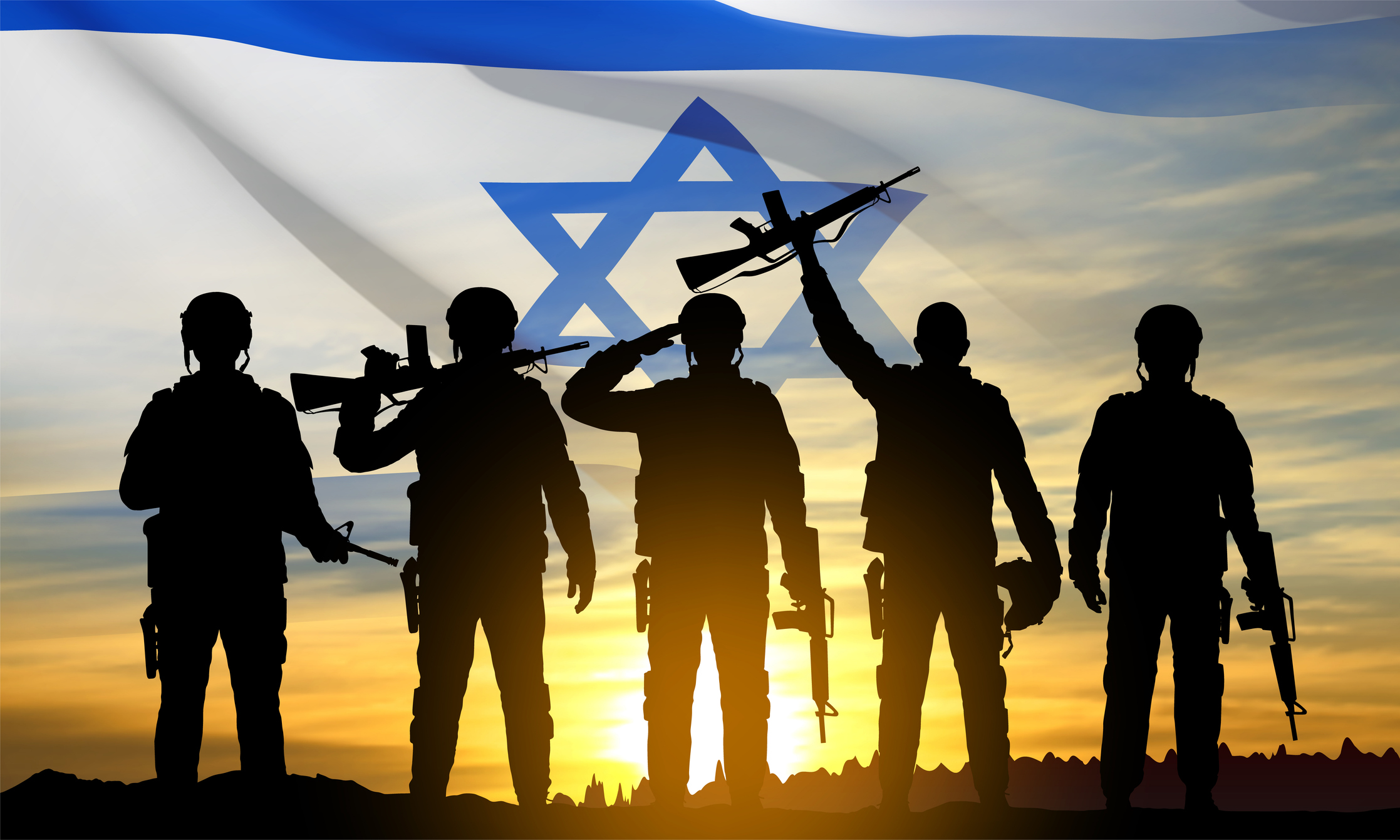
Pic: Courtesy Internet
The Israel Defence Forces (IDF) has conducted numerous military operations since its establishment in 1948. Given Israel’s complex security environment, these operations combine defensive actions, counterterrorism efforts, and strategic pre-emptive strikes to maintain security. These operations are primarily driven by the need to protect Israel from external threats, insurgent groups, and regional conflicts.
Notable Operations Conducted by Israeli Defence Forces.
The Israel Defence Forces (IDF) has conducted numerous military operations since its establishment in 1948. Given Israel’s complex security environment, these operations combine defensive actions, counterterrorism efforts, and strategic pre-emptive strikes to maintain security. These operations are primarily driven by the need to protect Israel from external threats, insurgent groups, and regional conflicts.
1948 Arab-Israeli War (War of Independence). This war was to defend the newly created State of Israel against the invasion of Arab armies (Egypt, Syria, Jordan, Lebanon, Iraq, and others) following the UN’s partition plan. Israel successfully defended itself and expanded its borders beyond the original UN partition plan, although Jerusalem remained divided.
1956 Suez Crisis (Operation Kadesh). Israel, alongside Britain and France, aimed to seize control of the Suez Canal after Egypt’s President Nasser nationalised it. Israel also sought to eliminate the threat of Egyptian-fed Fedayeen fighters in the Sinai Peninsula. Israel captured the Sinai Peninsula but withdrew under international pressure, especially from the U.S. and Soviet Union.
1967 Six-Day War. Israel carried out a pre-emptive strike against Egypt, Syria, and Jordan, who were mobilising forces near Israel’s borders. The aim was to neutralise immediate military threats. A decisive Israeli victory resulted in the capture of the Sinai Peninsula, Gaza Strip, West Bank, East Jerusalem, and the Golan Heights.
1973 Yom Kippur War. A surprise attack by Egypt and Syria during Yom Kippur, a major Jewish holiday, was aimed to reverse Israeli territorial gains from the Six-Day War. Israeli forces defending the attack initially suffered significant losses but ultimately repelled the attacks, maintaining its territorial control. The war led to the eventual peace treaty with Egypt.
Operation Entebbe (1976). One of the IDF’s most famous operations, this mission involved the rescue of hostages from a hijacked Air France plane in Uganda. Commandos from Sayeret Matkal, the elite Special Forces unit, flew over 2,500 miles to execute the mission, successfully freeing 102 hostages. The operation is considered one of the most daring hostage rescues in history.
Operation Opera (1981). In this pre-emptive airstrike, the Israeli Air Force bombed Iraq’s Osirak nuclear reactor near Baghdad to prevent Saddam Hussein from acquiring nuclear weapons. The successful strike eliminated the threat of Iraq developing nuclear capabilities and showcased Israel’s proactive defence strategy.
1982 Lebanon War (Operation Peace for Galilee). The objective of this operation was to expel the Palestine Liberation Organization (PLO), which was launching attacks on northern Israel from southern Lebanon. The IDF succeeded in driving the PLO out of Lebanon, but the operation evolved into a long-term military occupation of south Lebanon, leading to a protracted conflict with Hezbollah.
First Intifada (1987–1993). The aim was to suppress the Palestinian uprising (Intifada) in the West Bank and Gaza Strip, which involved widespread protests, strikes, and violent clashes with the IDF. The Intifada led to the Oslo Accords in 1993, marking the first direct negotiations between Israel and the Palestine Liberation Organization (PLO).
Operation Defensive Shield (2002). This operation was launched during the Second Intifada and aimed to dismantle terrorist infrastructure in the West Bank. The IDF entered major Palestinian cities to arrest militants, gather intelligence, and destroy weapons caches. It was one of the largest ground operations conducted by the IDF since the 1982 Lebanon War. The IDF regained control of key West Bank cities and reduced terrorist activity, but the conflict continued for several years.
2006 Lebanon War. Israel’s response to the abduction of two Israeli soldiers by Hezbollah militants led to an escalation in hostilities. The war aimed to neutralise Hezbollah’s missile threat and dismantle its infrastructure in southern Lebanon. The war ended in a ceasefire brokered by the UN, but Hezbollah remained a potent force in Lebanon. The conflict was marked by heavy rocket fire in northern Israel and significant destruction in Lebanon.
Operation Cast Lead (2008–2009). This operation was in response to persistent rocket fire from Hamas in Gaza by launching a major offensive aimed at crippling Hamas’ military infrastructure and stopping rocket attacks. The three-week operation targeted Hamas infrastructure in the Gaza Strip after years of rocket attacks on southern Israel. The IDF used airstrikes, naval bombardments, and ground operations to weaken Hamas’ military capabilities and rocket-launching systems. The IDF achieved its goal of reducing Hamas’ rocket capabilities, but the operation resulted in significant civilian casualties in Gaza and international criticism.
Operation Pillar of Defence (2012). The operation was aimed at halting rocket fire from Gaza into Israel, and this operation focused on degrading Hamas’ rocket infrastructure and eliminating critical militant leaders. The operation primarily relied on precision airstrikes and targeted attacks. The operation ended with a ceasefire brokered by Egypt, with Hamas significantly weakened but still in control of Gaza.
Operation Protective Edge (2014). One of the more recent and significant operations was a 50-day military campaign against Hamas in Gaza. It was triggered by a sharp escalation in rocket fire from Gaza. The IDF carried out airstrikes and ground operations, and the Iron Dome missile defence system played a crucial role in protecting Israeli civilians from rocket attacks. The target was Hamas’ rocket fire and the extensive tunnel network used for smuggling and cross-border attacks from Gaza into Israel. The IDF conducted extensive air and ground operations in Gaza, inflicting heavy damage on Hamas’ infrastructure.
Operation Northern Shield (2018-2019). Focused on neutralising Hezbollah’s cross-border tunnels from Lebanon into northern Israel, this operation aimed to eliminate a strategic threat posed by Hezbollah, the Lebanese-based militant group backed by Iran. The IDF uncovered and destroyed several attack tunnels during this operation.
Operation Black Belt (2019). A brief but intense military campaign against Islamic Jihad in Gaza followed the targeted killing of one of its senior leaders. The operation involved precision strikes in preventing rocket fire on Israeli communities, and the use of the Iron Dome was central to Israel’s defence.
Operation Guardian of the Walls. The operation was in response to escalating violence between Israel and Palestinian militants in Gaza following tensions in East Jerusalem. Hamas and Islamic Jihad launched thousands of rockets into Israel. The IDF carried out extensive airstrikes, targeting militant leaders, rocket launchers, and tunnel networks. A ceasefire was reached after 11 days of fighting.
Operation Breaking Dawn (2022). In response to threats from Islamic Jihad in Gaza, this operation involved airstrikes targeting military commanders and infrastructure. It was a short but intense campaign aimed at preventing an imminent threat from the group, while Israel’s Iron Dome intercepted over 95% of rockets fired from Gaza.
Cyber and Covert Operations. The IDF has also been involved in covert and cyber operations, mainly targeting Iranian nuclear facilities and military infrastructure. While many of these operations are highly classified, there have been reports of cyber-attacks, such as the Stuxnet virus, which disrupted Iran’s nuclear enrichment process.
Ongoing Operations. The IDF is involved in ongoing security operations, particularly in Gaza, West Bank, Lebanon and Iran. These include counterterrorism missions, targeted airstrikes, and border defence. The Iron Dome missile defence system plays a crucial role in intercepting rockets fired from Gaza and other hostile entities.
Lessons Drawn from Operations Conducted by Israeli Defence Forces
The operations conducted by the Israel Defence Forces (IDF) over the decades have provided crucial lessons for Israel and militaries worldwide. These lessons span strategic, tactical, and operational insights, especially given Israel’s unique geopolitical challenges and the nature of modern warfare.
Pre-emptive Action and Deterrence. Operation Opera (1981) demonstrated the effectiveness of a pre-emptive strike when Israel destroyed Iraq’s Osirak nuclear reactor. The lesson here is that preventing adversaries from acquiring weapons of mass destruction can neutralise existential threats before they materialise. It also underscores the importance of intelligence and timely decision-making in military strategy.
Precision and Technology. Investing in precision-guided munitions and intelligence allows for targeted strikes with minimal collateral damage, which is crucial in asymmetric warfare, where civilians are often in close proximity to combatants. During Operation Cast Lead (2008–2009) and Operation Pillar of Defence (2012), Israel’s use of precise airstrikes targeted key Hamas infrastructure while minimising harm to civilians. This lesson has been adopted by modern militaries, where precision and technology are prioritised to avoid international criticism and maintain ethical warfare practices.
Protection Through Defensive Systems. Active defence systems, such as missile interceptors, can save lives and reduce the need for offensive actions. The Iron Dome missile defence system, used in operations like Protective Edge (2014) and Breaking Dawn (2022), demonstrated the ability to intercept short-range rockets and reduce civilian casualties. This enabled Israel to minimise the pressure for rapid escalation, allowing more strategic responses. The success of the Iron Dome has led other nations to explore similar systems, reinforcing the importance of layered defence in modern conflict.
Intelligence-Driven Warfare. Accurate and real-time intelligence is crucial to the success of military operations, especially in identifying critical enemy infrastructure and high-value targets. The targeted assassination of key terrorist leaders, such as in Operation Black Belt (2019) and Operation Breaking Dawn (2022), highlighted how actionable intelligence can destroy the enemy leadership and prevent retaliatory attacks. This underscores the critical role of intelligence agencies, such as Mossad and Aman, in modern warfare and the blending of military and intelligence operations.
Urban Warfare Challenges. Combat in dense urban environments requires specialised tactics and technologies to deal with the challenges of non-conventional warfare, such as booby traps, tunnels, and combatants embedded among civilians. During Operation Defensive Shield (2002) and the later Gaza operations, the IDF learned the complexity of fighting in cities and refugee camps, leading to the development of new urban warfare doctrines and equipment. The experience in urban warfare has influenced militaries worldwide to prioritise counter-insurgency training, urban combat techniques, and unmanned systems (such as drones) to reduce risk to soldiers in such environments.
Asymmetric Warfare and Counterinsurgency. Asymmetric threats from non-state actors require adaptability and a multi-pronged approach that includes military, political, and economic measures. In combating groups like Hezbollah and Hamas, the IDF has had to adjust from traditional state-to-state warfare to dealing with insurgents and terrorists using guerrilla tactics. Operations like Northern Shield (2018-2019), which targeted Hezbollah’s cross-border tunnels, exemplified how Israel has adapted to non-conventional threats. The IDF’s approach to counterinsurgency has shaped the doctrine of militaries dealing with non-state actors by emphasising intelligence, targeted strikes, and humanitarian considerations.
The Importance of Public Relations and International Perception. In modern conflicts, information warfare and managing public perception are nearly as important as battlefield success. In operations like the 2010 Gaza Flotilla Raid and Operation Protective Edge (2014), Israel faced widespread international criticism despite military success. Israel learned the importance of domestic and international strategic communication to justify its actions and manage the fallout. This lesson underscores the role of media strategy, humanitarian law compliance, and the importance of diplomatic channels during and after military operations.
Hybrid Warfare and Multi-Domain Operations. Modern warfare involves multiple domains (land, sea, air, cyber, and space), and victory often requires dominance in all of them simultaneously. Operation Northern Shield (2018-2019) involved ground forces and cyber and intelligence elements. The IDF has increasingly adopted a multi-domain approach, leveraging electronic warfare, cyber operations, and intelligence to support traditional military manoeuvres. The shift towards hybrid warfare has led many global militaries to integrate cyber defence and electronic warfare capabilities into their broader military strategies.
Resilience and Civilian-Military Integration. Civilian resilience and readiness are essential to enduring long-term conflict. This includes managing public expectations, integrating reservists, and maintaining high morale. During operations like Operation Protective Edge (2014), Israeli civilians faced heavy rocket fire, but resilience was maintained thanks to the Iron Dome and effective civil defence systems. Reservists were critical in bolstering the IDF’s ranks during intense military operations. The importance of a resilient home front, effective communication, and preparedness for protracted conflict are vital elements other nations have adopted from Israel’s experience.
The IDF’s operations reflect Israel’s emphasis on maintaining regional security and responding to threats pre-emptively or in retaliation. The IDF continues to adapt to modern threats, including cyber warfare, missile defence, and asymmetric warfare, with non-state actors such as Hezbollah, Hamas, and Islamic Jihad. The Israeli operations highlight the need for a dynamic and adaptive military in the face of evolving threats, focusing on intelligence and technology and minimising collateral damage while maintaining strategic deterrence. The IDF’s experiences have influenced modern military strategies worldwide, especially in counterterrorism, urban combat, and technological warfare.
Your valuable comments are most welcome.
For regular updates, please register your email here:-
References and credits
To all the online sites and channels.
References
- Jewish Virtual Library, “Israel Defense Forces: Wars & Operations”, https://www.jewishvirtuallibrary.org/israel-s-wars-and-operations
- Israeli Air Force website, https://www.idf.il/en/mini-sites/israeli-air-force/
- By the Center for Preventive Action, “Israeli-Palestinian Conflict”, Global Conflict Tracker, 06 Oct 2024.
- Army University Press, “Israeli Conflicts”, https://www.armyupress.army.mil/Books/CSI-Press-Publications/Israeli-Conflicts/
- Editors of Encyclopedia Britannica, “Arab-Israeli wars”, Britannica, 09 Sep 2024.
- Dr Jack Watling and Nick Reynolds, “Occasional Papers – Tactical Lessons from Israel Defense Forces Operations in Gaza”, RUSI, 11 Jul 2024.
- Brief, “Lessons from Israel’s war in Gaza”, Rand Corporation.
- Daniel Byman, “Lessons from Israel’s Last War in Lebanon”, CSIS Brief, Center for Strategic and International Studies, 02 Oct 2024.
- Report, “Lessons from Israel’s Forever Wars”, Reports and Papers Belfer Center for Science and International Affairs, Harvard Kennedy School.
- Raphael S. Cohen, David E. Johnson, David E. Thaler, Brenna Allen, Elizabeth M. Bartels, James Cahill, Shira Efron, “Lessons from Israel’s Wars in Gaza”, RAND Research Summary, 18 Oct 2017.
Disclaimer:
Information and data included in the blog are for educational & non-commercial purposes only and have been carefully adapted, excerpted, or edited from reliable and accurate sources. All copyrighted material belongs to respective owners and is provided only for wider dissemination.