
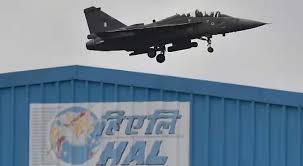
612: AVIATION MRO:  CHALLENGES AND TRENDS


My article was published on the Indus International Research Centre website on 05 Mar 25


The aviation Maintenance, Repair, and Overhaul (MRO) industry is poised for significant growth, driven by rising air traffic, ageing aircraft fleets, and advancements in predictive maintenance technologies. Emerging markets, particularly in Asia and the Middle East, present lucrative opportunities as airlines expand operations. However, challenges such as high labour costs, supply chain disruptions, and stringent regulatory requirements pose hurdles to efficiency. Integrating AI, blockchain, and IoT in MRO processes enhances efficiency and cost-effectiveness but requires substantial investment. As airlines focus on sustainability, MRO providers must innovate to support greener aviation while maintaining profitability and operational reliability.


Components of Aviation MRO

Aviation Maintenance, Repair, and Overhaul (MRO) is a multifaceted industry that ensures aircraft remain safe, reliable, and efficient throughout their operational lifespan. MRO is divided into several components, each addressing different aspects of aircraft maintenance. These components are essential for regulatory compliance, operational efficiency, and prolonging an aircraft’s service life. Below is a detailed examination of the key elements of aviation MRO.

Line Maintenance. Line maintenance encompasses routine checks and minor repairs performed at airports between flights. These tasks ensure the aircraft is fit for its subsequent operation and prevent minor issues from escalating into significant faults. Key activities in line maintenance include daily and pre-flight inspections, visual checks, fluid level assessments, and tyre pressure monitoring. Minor electrical and lighting repairs also fall within this scope. Additionally, pilots or ground crew may detect anomalies requiring immediate troubleshooting. Line maintenance is performed frequently—often after every flight—so it is crucial for maintaining continuous airworthiness.

Base Maintenance. Base maintenance involves more extensive inspections and repairs that necessitate taking an aircraft out of service. Unlike line maintenance, these procedures are conducted in specialised maintenance facilities and require significant time. Base maintenance is categorised into various levels, i.e., A, C, and D Checks. These minor to extensive checks are performed at varying periodicities.

Component Maintenance. This area focuses on maintaining and repairing individual aircraft components such as landing gear, avionics, hydraulics, and electrical systems. Many of these components undergo maintenance at specialised facilities. Key activities include overhauling and repairing parts, calibrating avionics, and replacing actuators, pumps, and valves. Depending on the complexity, repair times can vary from a few hours to several weeks.

Engine Maintenance. Engines are among the most expensive and complex aircraft components, requiring specialised maintenance to ensure peak performance. Engine maintenance falls into two main categories. On-wing maintenance includes minor inspections and repairs performed without removing the engine. Off-wing maintenance is more comprehensive repairs requiring engine removal and overhaul in a specialised facility.

Modifications and Upgrades. Aircraft undergo modifications and upgrades to enhance performance, comply with evolving regulations, and improve operational capabilities. These can be categorised into Structural Modifications, Avionics Upgrades, and Interior Modifications.

Technical Record Management. Accurate maintenance record-keeping is vital for compliance and operational transparency. Technical record management includes logging all maintenance activities, tracking airworthiness directives, and ensuring documentation aligns with aviation authority requirements. Effective record-keeping is crucial for aircraft resale value, regulatory inspections, and operational traceability.

Logistics and Supply Chain Management. Efficient supply chain management is essential for ensuring the timely availability of spare parts, tools, and materials. Key functions include inventory management, procurement, and coordination with suppliers. A well-managed logistics system reduces aircraft downtime and enhances cost-effectiveness in maintenance operations.

Ground Support Equipment (GSE) Maintenance. GSE maintenance ensures that essential airport equipment used in aircraft servicing and logistics remains operational. This includes maintaining and repairing towing vehicles, lifts, and power units. Proper maintenance of ground support equipment is vital for seamless airport operations and efficient aircraft servicing.


Importance of Aviation MRO

Aviation Maintenance, Repair, and Overhaul (MRO) ensures the global aviation industry’s safety, efficiency, and reliability. It is an essential aspect of aviation operations that supports compliance with safety regulations, enhances operational efficiency, and contributes to the industry’s overall sustainability.

Safety Assurance. Regular maintenance and inspections help detect and address potential issues before they lead to failures, significantly reducing the risk of accidents. Continuous monitoring and maintenance ensure that aircraft remain airworthy, protecting passengers and crew from potential safety hazards.

Operational Efficiency. Effective MRO operations help minimise aircraft downtime, allowing airlines to maintain their flight schedules with minimal disruption. Airlines can optimise aircraft utilisation through scheduled maintenance and timely repairs, maximising availability and improving profitability. Well-maintained aircraft contribute to overall operational efficiency, reducing unexpected delays and cancellations.

Cost Management. Proactive maintenance prevents costly emergency repairs by addressing potential issues before they escalate. Lifecycle management through proper MRO practices extends the lifespan of aircraft and their components, delaying the need for expensive replacements. Regular maintenance of engines and aerodynamic surfaces also helps maintain optimal fuel efficiency, reducing airline operational costs.

Reliability and Customer Satisfaction. Ensuring aircraft are ready to fly as scheduled helps airlines maintain high on-time performance, minimising delays and cancellations. Well-maintained aircraft provide a better passenger experience, increasing customer satisfaction and loyalty. Airlines prioritising MRO practices enhance their reputation for safety and reliability, which is critical for customer trust.

Regulatory Compliance and Certification. MRO activities ensure compliance with airworthiness directives and service bulletins issued by aviation authorities and manufacturers. Non-compliance can result in severe penalties, aircraft grounding, or loss of operating licenses. Detailed documentation and record-keeping of all maintenance activities are essential for maintaining an aircraft’s legal airworthiness and passing regulatory audits.

Supporting Technological Advancements. As aircraft technology evolves, MRO practices must integrate new systems, materials, and methods. Maintaining contemporary aircraft models is essential to keep up with advancements in avionics, composite materials, and modern engines. Technicians and engineers require continuous training to adapt to new technologies and maintain industry standards.

Sustainability and Environmental Impact. Regular engine maintenance lowers fuel consumption and emissions, helping airlines meet environmental regulations and reduce their carbon footprint. Efficient MRO practices, such as component reuse and refurbishment, reduce waste and support sustainability initiatives within the aviation industry.

Economic Contribution. The aviation MRO sector employs millions of skilled workers globally, including technicians, engineers, and support staff. It supports the broader aviation industry, ensuring the economic viability of airlines, airports, and aerospace manufacturers. MRO plays an integral role in maintaining a stable and sustainable aviation ecosystem.

Fleet Management and Optimisation. Data analytics enable predictive maintenance, helping forecast maintenance needs, reducing unscheduled repairs, and optimising fleet management. Standardised MRO practices ensure that all aircraft in a fleet meet the same safety and operational standards, simplifying maintenance procedures and reducing training complexity for airline personnel.

Market Competitiveness. Airlines that maintain high maintenance standards gain a reputation for safety and reliability, providing a competitive advantage in the market. Efficient MRO operations also create cost advantages, allowing airlines to offer competitive pricing while maintaining profitability.


Challenges in Aviation MRO

MRO providers face challenges due to evolving technology, stringent regulations, workforce shortages, and cost pressures. These factors contribute to the growing difficulty in maintaining seamless operations while ensuring compliance and cost-effectiveness.

Regulatory compliance is one of the most significant challenges in the aviation MRO industry. The sector is governed by strict regulations related to safety, airworthiness, and environmental standards. Compliance with these regulations demands continuous monitoring, frequent audits, and substantial financial investment. Additionally, rules are frequently updated, requiring MRO providers to adapt swiftly to airworthiness directives and service bulletins, increasing the complexity of operations.

Another major challenge is technological advancements. Modern aircraft are increasingly equipped with sophisticated avionics, lightweight composite materials, and advanced systems, necessitating continuous upgrades in maintenance techniques. MRO providers must invest in state-of-the-art tools, training programs, and infrastructure to keep up with these changes. Furthermore, integrating digital technologies such as predictive maintenance, big data analytics, and digital twins requires substantial financial investment and technical expertise. Many MRO companies struggle to incorporate these new technologies due to budget constraints and limited skilled personnel.

Another pressing issue is the skilled workforce shortage. A significant portion of the current MRO workforce is nearing retirement, leading to a shortage of experienced engineers and technicians. Attracting younger talent remains challenging as the aviation industry competes with other sectors, such as technology and engineering. Training new technicians to meet the required industry standards is time-consuming and costly. Additionally, as aircraft technologies continue to evolve, continuous upskilling of existing employees becomes necessary, adding to the operational burden of MRO providers.

Supply chain disruptions also pose a serious challenge. Delays in the supply of critical parts and components can significantly affect maintenance schedules and lead to extended aircraft downtime. The global nature of the aviation industry means that parts often need to be transported across long distances, making logistics management complicated. Customs regulations, geopolitical tensions, and transport delays further exacerbate these issues. Additionally, MRO providers must maintain an optimal inventory level to prevent delays while minimising excess stock to control costs.

The industry also faces cost pressures and rising operational costs due to increased labour wages, material costs, and regulatory compliance requirements. Airlines consistently seek cost reductions and negotiate aggressively with MRO providers, resulting in thin profit margins. As a result, MRO companies must find ways to optimise efficiency without compromising safety and quality.

Aircraft grounding and downtime are additional concerns. Unscheduled maintenance can lead to unexpected aircraft groundings, disrupting airline operations and causing financial losses. MRO providers face immense pressure to minimise turnaround times while ensuring thorough safety inspections and maintenance procedures.

Data management and cyber security have become critical challenges with the industry’s increasing digitisation. The aviation MRO sector generates vast amounts of data related to maintenance records, performance analytics, and compliance documentation. Effectively integrating and managing this data is difficult. Additionally, as more systems become digital, the risk of cyber-attacks increases. Protecting sensitive operational data from cyber security threats is essential to maintaining safe and secure MRO operations.

Globalisation and market dynamics further complicate MRO operations. MRO providers operating in multiple regions must navigate varying regulatory requirements, making standardisation difficult. Additionally, competition from original equipment manufacturers (OEMs) such as Boeing and Airbus is growing as these companies expand their MRO services. Market volatility, driven by economic cycles, geopolitical events, and crises such as the COVID-19 pandemic, also affects demand for MRO services.

Another challenge is the push for sustainable practices. Increasing pressure to reduce emissions and comply with environmental regulations affects how MRO providers operate, particularly in the handling and disposing hazardous materials. The emergence of green technologies, including electric and hybrid aircraft, presents additional hurdles, requiring new skills, tools, and infrastructure adaptations.

Significant infrastructure investment is necessary to accommodate newer aircraft and technologies. Many MRO facilities require upgrades or expansions to maintain competitiveness, which demands substantial financial resources. Additionally, as global air travel demand rises, MRO facilities face capacity constraints, leading to increased operational costs and potential delays.

Finally, customer expectations continue to rise. Airlines demand faster turnaround times to minimise aircraft downtime and improve operational efficiency. MRO providers must balance speed with quality and safety standards, often in a cost-sensitive environment. Meeting these expectations while maintaining profitability is a constant challenge.


Trends in Aviation MRO

The aviation maintenance, repair, and overhaul (MRO) industry is continuously evolving and driven by technological advancements, changing regulatory environments, and shifting market demands. Several key trends shape the aviation MRO landscape, influencing how service providers adapt to new challenges and opportunities.

One of the most significant trends is digital transformation and data analytics. Airlines and MRO providers leverage predictive maintenance, which uses real-time data from aircraft systems to analyse performance and detect anomalies before issues arise. This reduces unscheduled repairs and improves aircraft availability. The Internet of Things (IoT) enhances real-time monitoring of aircraft components through sensors, enabling proactive maintenance and greater operational efficiency. Additionally, digital twin technology is being adopted to create virtual models of physical aircraft, allowing real-time simulations and performance analysis to optimise maintenance strategies.

Sustainability initiatives are also becoming a crucial focus for MRO providers. Increasing environmental regulations are pushing the industry to adopt eco-friendly practices such as reducing emissions, managing waste, and recycling materials. Green technologies, including sustainable aviation fuels (SAF) and electric or hybrid aircraft, are gaining traction. MRO providers are adapting their services to support these new technologies and assist airlines in achieving sustainability goals.

Another major trend is the increasing reliance on outsourcing. Many airlines outsource maintenance to independent MRO providers to cut costs and focus on core operations. This trend is particularly noticeable in regions where labour costs are lower. Airlines are also forming strategic partnerships with MRO providers and original equipment manufacturers (OEMs) to share expertise and resources, improving service offerings and operational efficiencies.

Cost efficiency remains a top priority for MRO providers. Companies are streamlining operations through process optimisation, lean maintenance practices, and enhanced supply chain management. Effective inventory management strategies, such as just-in-time (JIT) inventory, help minimise excess stock while ensuring critical parts are available when needed.

As technology evolves, workforce development is crucial. MRO providers emphasise training and certification programs to upskill technicians and equip them to handle modern aircraft systems. Additionally, the industry is implementing innovative recruitment strategies to attract young talent by highlighting the aviation sector’s career opportunities and growth potential.

Regulatory adaptations also play a significant role in shaping the MRO industry. Providers must stay ahead of changing safety, maintenance practices, and environmental standards regulations, requiring ongoing investment in compliance programs. Implementing Safety Management Systems (SMS) enhances safety culture and compliance, focusing on proactive risk management and continuous improvement.

The use of robotics and automation is transforming MRO operations. Automated inspections, including drone-based visual inspections of aircraft exteriors, reduce human error and increase efficiency. Automation is also integrated into assembly, testing, and parts replacement processes to enhance productivity and reduce turnaround times.

Cyber security is an increasing concern due to the digitisation of MRO operations. Protecting sensitive data and critical operational systems from cyber threats is essential, and compliance with cyber security regulations requires robust security measures and protocols.

Customisation and modular maintenance solutions are gaining popularity. MRO providers offer tailored services to optimise airline operations and minimise downtime. The trend toward modular components enables easier upgrades and maintenance, reducing aircraft downtime and enhancing flexibility in service offerings.

Globalisation and market expansion are also shaping the industry. The growing demand for air travel in emerging markets, particularly Asia-Pacific, Africa, and Latin America, drives increased MRO opportunities. Cross-border collaborations between MRO providers facilitate knowledge transfer and resource sharing, strengthening the industry worldwide.

Artificial intelligence (AI) integration is another transformative trend. AI enhances decision-making in maintenance planning, scheduling, and resource allocation, leading to more efficient operations. Machine learning algorithms analyse historical maintenance data, identifying patterns to improve predictive maintenance capabilities.

Finally, a strong emphasis on safety culture remains a cornerstone of the MRO industry. Providers are adopting proactive safety management approaches, fostering a culture of safety that encourages reporting and addressing risks before they escalate. Continuous improvement programs based on feedback and data analysis enhance safety practices and operational efficiency.


Conclusion

The aviation MRO industry is an essential backbone of global air travel, ensuring aircraft safety, efficiency, and longevity. Covering key components such as airframe, engine, and component maintenance, MRO services provide airlines with cost-effective solutions, enhanced reliability, and regulatory compliance. However, rising operational costs, supply chain constraints, and skilled labour shortages continue to test the industry’s resilience. Despite these hurdles, emerging trends such as AI-driven predictive maintenance, digital twin technology, and sustainable aviation initiatives are transforming the sector. To remain competitive, MRO providers must invest in innovation, automation, and workforce development while optimising operational efficiency. Additionally, collaboration between airlines, OEMs, and independent MROs will be crucial in navigating regulatory complexities and market shifts. As the aviation industry recovers post-pandemic, the future of MRO lies in its ability to adapt to technological advancements, embrace sustainability, and deliver cost-effective, high-quality maintenance solutions in an evolving global landscape.


Please Do Comment.


2033
Default rating

Please give a thumbs up if you  like The Post?


Link to the article on the website:-

AVIATION MRO:  CHALLENGES AND TRENDS by Air Marshal Anil Khosla (Retd)

For regular updates, please register your email here:-

Subscribe

References and credits

To all the online sites and channels.

Pics Courtesy: Internet

Disclaimer:

Information and data included in the blog are for educational & non-commercial purposes only and have been carefully adapted, excerpted, or edited from reliable and accurate sources. All copyrighted material belongs to respective owners and is provided only for wider dissemination.
References:-

  1. Aircraft Maintenance & Repair – Michael J. Kroes and James Rardon, McGraw Hill Education, 2013.
  1. Aviation Maintenance Management – Harry A. Kinnison and Tariq Siddiqui, McGraw Hill, 2012.
  1. The Global Airline Industry – Peter Belobaba, Amedeo Odoni, and Cynthia Barnhart, Wiley, 2015.
  1. Kumar, A., & Singh, R. (2020). “Digital Transformation in Aviation MRO: Opportunities and Challenges.” Journal of Air Transport Management, 88, 101865.
  1. Gupta, S., & Sharma, P. (2019). “Sustainable MRO Practices in the Aviation Industry.” Aerospace Science and Technology, 94, 105401.
  1. Jones, T., & Miller, C. (2021). “The Role of Predictive Maintenance in Aviation MRO Efficiency.” International Journal of Aviation Management, 7(2), 129-147.
  1. Oliver Wyman. (2024). Global Fleet & MRO Market Outlook.
  1. Aviation Week Network. (2024). “How AI and Big Data Are Revolutionizing MRO.” Retrieved from www.aviationweek.com
  1. MRO Network. (2023). “Challenges Facing the Global MRO Industry.” Retrieved from www.mronetwork.com
  1. FlightGlobal. (2023). “The Future of MRO: Trends Shaping the Next Decade.” Retrieved from www.flightglobal.com

603: Sequel to Previous Article on Rise of Combat Drones


My previous article, “Rise of Combat Drones: Implications for Traditional Air Power,” was well-received. The readers had a few queries and suggestions, which this sequel aims to address.


  1. Could you add a supplement or some riders, i.e., limitations in drone speed vis a vis the manned fighter, weapon loads that can be carried over such long distances, and what drones are available today that can overcome these liabilities?


Limitations in Drone Speed vs. Manned Fighters

Drones (Unmanned Combat Aerial Vehicles, or UCAVs) generally lag behind manned fighters in terms of speed due to several factors. One key reason is engine performance and design priorities. Most drones are optimised for endurance rather than speed, using turboprop or low-bypass turbofan engines for fuel efficiency. In contrast, manned fighters rely on high-bypass turbofans or afterburning turbojets, which provide the thrust needed for supersonic flight.

Aerodynamics also play a crucial role in speed limitations. Drones are typically designed for long loiter times and stealth, often requiring subsonic speeds and high-aspect-ratio wings to maximize efficiency. On the other hand, manned fighters prioritize agility, acceleration, and sustained speeds, especially in combat scenarios, where airframe designs enable them to reach speeds exceeding Mach 2.

Another significant factor is structural and cooling limitations. Supersonic flight generates extreme aerodynamic heating, necessitating the use of expensive thermal-resistant materials. Manned fighters incorporate robust cooling systems and heat-resistant materials to withstand these conditions. However, since most drones are optimised for cost efficiency and long-duration missions, they rarely include such features.

Command and control constraints also impact drone speed. The latency involved in remote control or autonomous decision-making can make high-speed operations risky. Pilots in manned aircraft can make split-second decisions during combat, whereas drones depend on AI algorithms or remote human operators, introducing potential delays that could be detrimental in high-speed engagements.


Weapon Load Considerations

Long-range drone missions face several challenges in carrying large weapon payloads. One primary limitation is structural capacity. Most drones are built for endurance and fuel efficiency rather than heavy payloads. For instance, the MQ-9 Reaper can carry about 1,700 kg of munitions, whereas an F-15E Strike Eagle can haul over 11,000 kg, demonstrating a significant gap in firepower.

Another issue is the trade-off between drag and fuel efficiency. Carrying heavy external ordnance drastically reduces a drone’s endurance, limiting its ability to remain in the air for extended periods. Additionally, stealth UAVs such as the RQ-170 Sentinel and B-21 Raider must carry weapons internally to maintain low observability, which further restricts payload volume compared to externally loaded fighter jets.

Drones also have limited air-to-air capabilities. Unlike manned aircraft, which can engage enemy fighters using a range of sophisticated air-to-air missiles, drones currently lack the manoeuvrability and situational awareness required for traditional dogfights. Some advanced UCAVs, like the MQ-28 Ghost Bat, are being developed with potential air combat roles, but their capabilities remain limited compared to manned fighters.


Drones Overcoming These Limitations

Despite these challenges, new drone designs are emerging to bridge the gap. Some high-speed drones are being developed to complement manned aircraft. The XQ-58A Valkyrie, which flies at Mach 0.85, is designed as a loyal wingman to assist fighters in combat. The RQ-180, a stealth drone reportedly in USAF service, is built for high-speed deep-penetration intelligence, surveillance, and reconnaissance (ISR) missions. A hypothetical but much-discussed concept, Darkstar, is believed to be a Mach 6+ reconnaissance drone, possibly inspired by the SR-72 project.

Several solutions exist for drones requiring greater payload capacity and endurance. The MQ-25 Stingray provides aerial refuelling, effectively extending the range of manned fighters. The B-21 Raider, while primarily a bomber, has the potential to take on UCAV roles. The RQ-170 Sentinel, a stealth reconnaissance drone, can perform deep-penetration missions without detection. Russia’s S-70 Okhotnik is another notable UCAV, heavily armed and designed to work alongside the Su-57 fighter.

Looking toward the future, Loyal Wingman drones such as the MQ-28 Ghost Bat and XQ-58A Valkyrie could supplement manned fighters in high-speed combat. Hypersonic drone concepts like the rumoured SR-72 could also revolutionise reconnaissance and strike capabilities, pushing drone technology toward greater autonomy and performance.


2. What’s the ballpark cost range of these drones?

The cost of military drones varies widely based on their size, capability, endurance, and payload.

(These approximate figures have been taken from open sources on the net and do vary)

Small Reconnaissance & Tactical Drones ($10,000 – $500,000). These drones are used for short-range surveillance, infantry support, and battlefield awareness. They are usually hand-launched or catapult-launched.

Drone Model Country  Approx. Cost
RQ-11 Raven USA $35,000 – $50,000 per unit
Switchblade 300 (loitering munition) USA $60,000 – $80,000
Skylark 3 Israel $100,000 – $300,000
Black Hornet Nano Norway $195,000 per system (includes multiple drones)


Medium-Altitude Long-Endurance (MALE) Drones ($1M—$20M). These drones are used for surveillance, reconnaissance, and precision strikes. They have higher endurance and often carry weapons.

Drone Model Country Approx. Cost
Bayraktar TB2 Turkey $5M – $7M per unit
MQ-1 Predator (Retired) USA $4M – $5M per unit
MQ-9 Reaper USA $15M – $30M per unit (depends on sensors & weapons)
Heron TP Israel $10M – $20M per unit
CAIG Wing Loong II China $2M – $5M per unit
Rustom-II / TAPAS India (DRDO) Estimated $4M – $6M per unit


High-Altitude Long-Endurance (HALE) Drones ($30M – $150M). These are strategic UAVs used for intelligence gathering, persistent surveillance, and deep strikes.

Drone Model Country Approx. Cost
RQ-4 Global Hawk USA $130M – $150M per unit
MQ-9B SkyGuardian USA $30M – $40M per unit
Heron Mk II Israel $20M – $25M per unit


Stealth & UCAVs (Over $50M). Unmanned Combat Aerial Vehicles (UCAVs) with stealth and advanced strike capabilities.

Drone Model Country Approx. Cost
XQ-58A Valkyrie USA $5M – $7M per unit
Ghatak UCAV (Under Dev) India Estimated $50M+
S-70 Okhotnik Russia $50M – $100M
nEUROn EU (Dassault) $50M – $80M


3. While India is developing drones rapidly, what’s holding it back from matching, say, the Turks?

India has made some progress in drone technology, but it’s still behind countries like Turkey, which has established itself as a major drone power with combat-proven UAVs. The main factors holding India back include:-

Gaps in Indigenous R&D and Manufacturing. India’s drone development is largely led by state-owned entities like DRDO, which tend to be slower and less agile than private companies. Turkey has Baykar (Bayraktar TB2, Akıncı) and TAI (Anka, Aksungur), which are aggressive in R&D, production, and exports. Indian private companies are entering the UAV space, but they lack the scale and experience of Turkish firms.

Engine and Sensor Technology Dependence.  India relies on foreign engines for its drones. For example, the indigenous Rustom UAV uses an Austrian Rotax 914 engine. Turkey has worked around this by producing engines (e.g., TEI PD-170 for Anka UAVs). High-end sensors and satellite communication technology are also areas where India still depends on imports.

Delayed and Overregulated Procurement. India’s defence procurement process is bureaucratic and slow, with lengthy approvals, trials, and acquisition delays. The focus on “Make in India” sometimes results in delays when indigenous solutions are pushed over faster foreign acquisitions.

Lack of a Dedicated Drone Warfare Doctrine. While India has UAVs for surveillance and reconnaissance, it lacks a coherent doctrine for using armed drones in combat. On the other hand, Turkey has developed UAV-centric warfare concepts, integrating drones with air and ground operations.

Combat Experience and Export Focus. Turkey has extensively tested its drones in combat (Syria, Libya, Nagorno-Karabakh, Ukraine), refining them in real-world scenarios. India lacks such experience, as its military engagement with drones has been limited (primarily surveillance against Pakistan and China). Turkey has aggressively exported drones (to over 30 countries), which helps fund further R&D. India is only now entering the export market.

Lesser Political Will for UAV-centric Warfare. Turkey’s political leadership (especially under Erdoğan) has strongly backed UAV development, using it as a strategic tool for geopolitical influence. India, while investing in UAVs, still prioritises manned aircraft and traditional military assets over a full-fledged drone warfare strategy.

India is trying to catch up.

  • Indigenous UAVs like Tapas (Rustom-II), Archer-NG, and Ghatak stealth UCAV are being developed.
  • India has acquired MQ-9B Reapers from the US for enhanced strike capability.
  • Private sector involvement is increasing, with startups focusing on AI-powered drones, loitering munitions, and swarm technology.
  • India is pushing for exports, with countries like Armenia and Southeast Asian nations showing interest in Indian UAVs.


4. What’s the risk of drones escalating warfare? If we and our western neighbor both deploy surveillance drones and start shooting them down, will it increase tensions?

Yes, the deployment of drones—especially if both India and Pakistan engage in shooting them down—can escalate tensions in several ways. While drones reduce the risk to human pilots, they also lower the threshold for conflict by making military engagement seem less costly or provocative at first.

Increased Risk of Tit-for-Tat Escalation. If both countries start shooting down each other’s drones, it could trigger a cycle of retaliation. A drone being shot down is not the same as a manned aircraft loss, but it still represents an attack on sovereign military assets. If both nations were to lose expensive UAVs repeatedly, military pressure to respond would increase.

Ambiguity and Miscalculation. Surveillance drones operate near sensitive borders, making distinguishing between a reconnaissance UAV and a strike-capable drone hard. A country may shoot down a drone assuming it is armed, escalating tensions unnecessarily. The U.S. and Iran have had multiple drone-related incidents, with Iran shooting down a U.S. RQ-4 Global Hawk in 2019, nearly leading to a retaliatory strike.

Crisis Instability and Automated Retaliation. If both sides deploy AI-assisted drone swarms or automated defensive systems, it could lead to uncontrolled escalation. A drone automatically targeting an enemy UAV or launching a retaliatory strike could trigger a rapid, unintended military response. The Armenia-Azerbaijan conflict saw drones targeting command centres—a dangerous precedent if similar attacks happen in South Asia.

Psychological & Political Pressures. The public might demand retaliation for a downed UAV, just as it would for a manned aircraft. With drones capturing and transmitting live footage, propaganda battles could fuel public anger, pushing governments toward escalation. If a drone is shot down over disputed territory and its footage is released, political and military leaders may feel pressure to respond forcefully.

Drone warfare makes escalation more likely because it removes the human cost, making military engagements seem less risky. However, once UAV shootdowns become frequent, the pressure to retaliate more aggressively could lead to conventional military strikes or full-scale escalation. In the India-Pakistan context, drone warfare—if not carefully managed—could become a dangerous flashpoint.


5. Till now drones have been employed successfully against a technologically weaker adversary and reducing direct exposure of combatants to the enemy fire. It is difficult to predict the outcome when both contestants have similar capabilities.

When both contestants possess similar drone capabilities, predicting the outcome of a conflict becomes exceedingly complex as technological parity shifts the focus toward strategic, tactical, and logistical factors. The effectiveness of drones in battle is not solely determined by their specifications but by how well they are integrated into broader warfare systems. Electronic Warfare (EW) superiority plays a decisive role, as the side with more advanced jamming, spoofing, or cyber capabilities can disrupt enemy drone operations, rendering them ineffective. Integration with broader military assets is equally crucial; drones do not function in isolation but work alongside air defence. Coordinating drone reconnaissance with precision strikes or air defence suppression can significantly influence the battlefield. Moreover, operational doctrine determines how drones are deployed—whether used in swarms to overwhelm defences, prioritised for ISR (intelligence, surveillance, and reconnaissance), or focused on Suppression of Enemy Air Defences (SEAD). Even with comparable drone technology, the side that adapts its doctrine more effectively to the battlefield conditions will have the upper hand. Lastly, logistics and sustainability are often overlooked but are critical to long-term drone warfare. Given the high attrition rate of drones, the ability to rapidly replace lost UAVs, maintain a steady supply of spare parts, and ensure uninterrupted operations becomes a decisive factor. A country with a well-developed domestic production line and efficient supply chain will have a sustained advantage over one dependent on imports or struggling with manufacturing constraints. When both sides have similar drone capabilities, victory does not merely hinge on superior technology but on how effectively drones are employed, defended, and resupplied in the face of constant attrition and evolving battlefield challenges.


6.  Cost vs benefit could impose a limit. 


Cost vs. Benefit Analysis of Drone Warfare

Drone warfare has transformed modern military operations, offering strategic advantages and introducing new risks and costs. Below is a structured cost-benefit analysis considering various aspects of drone warfare.

Cost-Benefit Comparison: Drone vs. Manned Combat Systems

Factor Drones Manned Aircraft/Troops
Cost per Unit Low High
Operational Cost Low High
Survivability Low High
Effectiveness in Asymmetric Warfare High Moderate
Electronic Warfare Vulnerability High Low
Risk to Human Life None High
Strategic & Psychological Impact High Moderate

Drone warfare offers a high return on investment, particularly in asymmetric conflicts and precision strikes. However, drones remain vulnerable in high-intensity warfare against near-peer adversaries and require integration with traditional military assets to stay effective. While they provide cost-effective alternatives to manned aircraft, the rapid evolution of counter-drone technology will ultimately determine their long-term viability on the battlefield.


7. Terrain and sensor limitations could impose a challenge. 

While drones offer significant advantages in modern warfare, they face critical terrain and sensor effectiveness challenges. These limitations can impact reconnaissance, targeting, and overall combat efficiency. 


Challenges to Drone Warfare Due to Terrain.

Mountains and Rugged Terrain. Mountainous regions pose several challenges for drone operations. Signal disruptions occur due to steep terrain blocking radio waves, which affects real-time control and data transmission. Additionally, drones rely on line-of-sight (LOS) sensors, such as optical and infrared cameras, which struggle to track targets moving through valleys, caves, and ridges. Wind and air pressure variability in high-altitude areas cause strong turbulence, making drone operation difficult. Furthermore, reduced endurance at high altitudes forces drones to consume more energy to maintain flight, limiting loiter time and operational efficiency. In Afghanistan, U.S. drones had difficulty tracking Taliban fighters who used caves and rugged terrain to evade detection, requiring ground forces and satellites for confirmation.

Dense Forests and Jungles. Drones face significant vision obstruction in dense foliage, reducing the effectiveness of optical, infrared, and LIDAR sensors. High humidity and weather interference in jungles can degrade drone electronics and infrared imaging, reducing reliability. Additionally, drones struggle to locate small or camouflaged units as guerrilla fighters blend into thick vegetation. In a Vietnam War-style scenario, drones would struggle to track Viet Cong-like guerrilla fighters moving under jungle cover, limiting their effectiveness in counterinsurgency.

Urban Warfare Challenges. Urban environments introduce GPS signal interference, as high-rise buildings cause multipath errors that reduce navigation accuracy. Limited sensor coverage in narrow streets and indoor hideouts makes tracking enemy movements difficult. Higher risks of collateral damage require extreme precision in drone strikes to avoid civilian casualties. Moreover, urban areas provide cover for electronic warfare (EW) units that can jam or spoof drone signals. In Gaza and Mosul, drones have been effective but struggled with hidden tunnels, EW disruptions, and difficulty distinguishing combatants from civilians.

Desert and Open Plains. Drones operating in deserts face extreme heat and dust storms, which degrade battery performance and reduce sensor visibility. Additionally, the lack of cover in open plains makes drones easier targets for air defence systems. Thermal imaging is also affected, as high infrared signatures from sand make distinguishing human targets from the environment difficult. In Libya and Syria, drones were less effective during sandstorms, limiting their ability to track mobile convoys.


Challenges to Drone Warfare Due to Sensor Limitations

Optical and Infrared Sensor Issues. Drones rely on optical and infrared sensors, but these are affected by weather conditions such as clouds, fog, smoke, and rain, which degrade visibility. Camouflage and deception techniques, including heat-reflecting blankets and decoys, can further confuse infrared sensors. While infrared and thermal imaging assist in night time operations, they still face limitations in extreme cold or cluttered environments. Russian forces in Ukraine have successfully used smoke screens and camouflage nets to evade drone detection.

Radar and LIDAR Limitations. Radar and LIDAR sensors face constraints in complex environments. Limited ground penetration makes it difficult to detect underground bunkers and tunnels. In urban environments, signal reflection and distortion cause errors in target identification. Additionally, low-flying drones use active radar risk detection by enemy air defences. Hamas tunnels in Gaza remain challenging to detect despite drone surveillance due to their underground depth and deceptive entry points.

Electronic Warfare (EW) & Cyber Security Vulnerabilities. Drones are vulnerable to jamming, which disrupts communication links with operators. Spoofing and hacking techniques can mislead drones into incorrect locations or even hijack them. Advanced EMP and directed energy weapons can disable drones using electromagnetic pulses or lasers. In Ukraine, Russian EW systems have jammed and downed thousands of drones, forcing Ukrainian operators to develop alternative navigation methods.


While terrain and sensor limitations challenge drone effectiveness, technological innovations gradually overcome these barriers. Drones’ success in future conflicts will depend on their adaptability, resilience against electronic warfare, and integration with other military assets. As adversaries continue developing counter-drone measures, drone warfare will evolve in response, ensuring that UAVs remain a dominant force in modern combat.


Please Do Comment.

2033
Default rating

Please give a thumbs up if you  like The Post?


For regular updates, please register your email here:-

Subscribe


References and credits

To all the online sites and channels.


Disclaimer:

Information and data included in the blog are for educational & non-commercial purposes only and have been carefully adapted, excerpted, or edited from reliable and accurate sources. All copyrighted material belongs to respective owners and is provided only for wider dissemination.


602: UKRAINE UNVEILS TRYZUB: A GAME-CHANGING DIRECTED ENERGY WEAPON


Ukraine has unveiled a new laser weapon called “Tryzub” (Ukrainian for “trident”), which can shoot down aircraft over a mile away. During a defence conference, Colonel Vadym Sukharevskyi, commander of Ukraine’s Unmanned Systems Forces, announced the weapon’s capabilities. This development positions Ukraine among the few countries possessing such advanced laser technology.


The ‘Tryzub’ or Trident laser weapon that Ukraine has unveiled is a cutting-edge military system capable of shooting down aircraft and other aerial threats from over a mile away. It is a powerful laser technology designed to neutralise drones, planes, and other airborne objects by precisely disabling them at high speeds. This weapon is part of Ukraine’s efforts to enhance its defence capabilities amid ongoing conflicts.


The unveiling of the Tryzub, Ukraine’s new directed energy weapon, represents a significant leap forward in military technology. As countries worldwide increasingly turn to advanced technologies to bolster their defence capabilities, Ukraine’s Tryzub laser weapon stands out as a ground-breaking innovation.


Global Context: Nations with Laser Weapon Systems. With the Tryzub, Ukraine joins a small group of countries possessing operational laser weapons. The United States is one of the leading nations in laser technology, with its truck-mounted high-energy lasers designed to target drones, helicopters, and rockets. Similarly, countries such as China, Israel, Turkey, and Germany have also developed their laser systems. In July, South Korea announced that it would begin deploying laser systems designed to intercept drones, particularly North Korean drones, which have raised security concerns in the region. South Korea’s “Block-I” anti-air laser system, developed by Hanwha Aerospace, can engage small, low-cost drones at a fraction of traditional munitions.


Indian Effort. India is also developing laser weapons, including systems like DURGA (Directionally Unrestricted Ray Gun Array) and KALI (Kilo Ampere Linear Injector), which have been in research since the 1980s. According to reports, DURGA is designed for space-based applications, while KALI is expected to target powerful pulses of electron beams to turn off satellites.


Development Program


Origin. The Tryzub, named after the Ukrainian national emblem—a trident—was developed as part of Ukraine’s broader efforts to modernise its defence arsenal. The weapon’s development reflects a recognition of the need to keep pace with the rapid evolution of military technologies globally. The Tryzub project was initiated in response to the increased threats faced by Ukraine, particularly from the ongoing conflict with Russia and the threat of further aerial aggression.


Historical Context. Ukraine’s efforts to develop advanced defence technologies like Tryzub are rooted in its geopolitical position and the conflict with Russia that began in 2014. The annexation of Crimea and the conflict in eastern Ukraine underscored the need for a modern, effective air defence system. The Ukrainian government’s decision to invest in directed energy weapons was influenced by the success of similar systems in other conflict zones and the recognition that conventional air defence systems were becoming obsolete against evolving aerial threats.


Collaborative Development. The development of the Tryzub involved collaboration with international defence contractors and technology partners. Ukrainian defence companies, alongside foreign entities, worked on integrating advanced laser technologies into a practical military system. This collaboration sped up the development process and allowed Ukraine to leverage cutting-edge technology it might not have developed independently.


Launch and Public Demonstration. The Tryzub was officially unveiled in a public demonstration attended by military leaders, international observers, and defence experts. The event showcased the weapon’s capabilities in neutralising various targets, including drones and low-flying aircraft. The Ukrainian government positioned the Tryzub as a key component of its defence strategy, emphasising its role in protecting critical infrastructure and maintaining air superiority.


Key Features


The Tryzub laser weapon is a complex system integrating several advanced technologies to provide a robust defence solution. 


Laser Technology. At its core, the Tryzub utilises high-powered laser beams capable of effectively targeting and turning off aerial threats. The weapon operates in the infrared spectrum, targeting the electronic systems of drones, planes, and other aerial objects without relying on physical munitions. This directed energy approach minimises collateral damage and the risk of unintended consequences of conventional weaponry.


Range and Engagement Capabilities. One of the most significant aspects of the Tryzub is its operational range. The weapon can engage targets from distances over two kilometers (approximately 1.24 miles), allowing it to intercept threats at a safe distance from defensive positions. The laser system is designed to automatically track and lock onto targets, adjusting the beam for movement and atmospheric conditions, thus enhancing accuracy.


Automated Tracking and Control System. The Tryzub has advanced sensors and targeting algorithms that enable automatic detection, tracking, and engagement of targets. This automation reduces the need for human intervention, allowing the system to operate independently in complex environments. Operators can manually override these systems for greater control, making them adaptable to different combat scenarios.


Energy Efficiency and Sustainability. The Tryzub’s design focuses on energy efficiency, allowing the weapon to operate for extended periods without depleting its power source. This is achieved through advancements in laser technology, including improvements in cooling systems and power management. The system can be deployed in stationary and mobile configurations, providing flexibility in how and where it is used.


Real-time Monitoring and Feedback. The Tryzub is integrated with a real-time monitoring system that provides operators with live feedback on the weapon’s performance. This system allows for continuous effectiveness evaluation, tracking the laser’s status and engagement with targets. It also facilitates rapid parameter adjustments based on the operational environment and target behaviour.


Strategic Implications


The deployment of the Tryzub laser weapon has significant strategic implications for Ukraine’s defence posture and its broader military strategy. By integrating such advanced technology, Ukraine bolsters its air defence capabilities and positions itself as a leader in modern military innovation.


Enhanced Air Defence. The Tryzub represents a revolutionary advancement in air defence technology, providing Ukraine with a robust solution to counter aerial threats. The ability to neutralise threats at a distance of over two kilometers allows for the interception of drones, helicopters, and low-flying aircraft, thus minimising risks to ground troops and infrastructure. This enhances Ukraine’s defensive posture, particularly in contested regions where air superiority is critical.


Deterrence Value. The Tryzub has a significant deterrent effect, signalling to potential adversaries that Ukraine can defend itself with cutting-edge technology. Its deployment demonstrates Ukraine’s commitment to modernising its military forces and its readiness to invest in technologies that offer a strategic advantage. This could alter future conflicts’ calculus, forcing adversaries to consider the cost and risks of engaging Ukrainian forces equipped with advanced technologies.


Adaptability in Modern Warfare. The Tryzub represents a significant shift towards adaptable and dynamic defence strategies in modern warfare. Its integration with unmanned aerial vehicles (UAVs) and other robotic systems allows for a coordinated response to threats, providing Ukraine with a flexible and scalable defence network. This adaptability instils confidence in the audience about Ukraine’s ability to respond to the fast-paced nature of modern conflicts, where detecting, tracking, and engaging threats in real-time is essential.


Technological Asymmetry. The Tryzub can potentially be a strategic asset for Ukraine in asymmetrical conflicts. Its advanced technology allows Ukraine to counteract the superior numbers and capabilities of larger adversaries effectively. By maintaining a technological edge, Ukraine can continue to level the playing field in conflicts where traditional means of defence are less effective.


Applications and Challenges


While the Tryzub represents a significant technological breakthrough, its practical application and effectiveness in real-world scenarios must be tested and refined. 


Testing and Validation. Before full-scale deployment, the Tryzub must undergo extensive testing in various conditions to confirm its operational effectiveness. This includes testing against different types of aerial threats, simulating combat scenarios, and evaluating the system’s performance in different environmental conditions, such as varying humidity levels and weather conditions that can affect laser beam propagation.


Countermeasures and Counter-Laser Technologies. As directed energy weapons become more prevalent, adversaries will likely develop more countermeasures. These may include reflective materials, jamming technologies, or other tactics designed to disrupt the effectiveness of the Tryzub. Ukraine must stay ahead of these developments, continuously upgrading the system’s capabilities and incorporating new defensive measures.


Integration with Other Defence Systems. The Tryzub must be integrated with existing defence systems, such as radar networks, electronic warfare units, and ground-based interceptors, to maximise effectiveness. This integration allows for a comprehensive air defence strategy that can respond to multiple threats simultaneously, ensuring no gaps in coverage exist.


Implications for the Future of Warfare


The Tryzub laser weapon is not just a game-changer for Ukraine but also a harbinger of future trends in military technology. Its development highlights the broader move towards directed energy weapons in modern warfare, where precision, speed, and adaptability are key. Deploying such technologies will likely reshape the nature of conflicts and how nations approach defence and deterrence.


The Rise of Directed Energy Weapons. The Tryzub is part of a broader trend of countries investing in directed energy technologies, including high-powered lasers, electromagnetic pulse systems, and particle beam weapons. These technologies offer distinct advantages over traditional munitions, such as delivering precise attacks without physical impact. Tryzub’s success could accelerate the development and adoption of similar systems worldwide.


Implications for Defence Strategy. The Tryzub represents a significant shift in defence strategy, emphasising the need for countries to develop high-tech solutions to maintain an edge in modern warfare. The deployment of directed energy weapons like the Tryzub allows nations to bypass the limitations of conventional military systems, focusing instead on rapid, precise, and scalable solutions.


Civilian Applications. Beyond their military use, directed energy technologies like the Tryzub have the potential to be adapted for civilian purposes. For example, laser-based counter-drone systems could protect critical infrastructure from aerial threats in urban environments, or laser systems could clear hazardous debris from space. The versatility of such technologies makes them attractive for applications beyond defence.


Conclusion. Ukraine’s unveiling of the Tryzub-directed energy weapon represents a significant milestone in the development of modern military technologies. This revolutionary system enhances Ukraine’s defensive capabilities and sets the stage for future advancements in directed energy weapons. As Ukraine continues to refine and expand its use of the Tryzub, it will play a critical role in shaping the future of warfare, providing a new framework for how nations defend themselves in an increasingly complex and technology-driven world. The Tryzub laser weapon is a testament to the power of innovation in defence and its potential to transform the global security landscape.


Your valuable comments are most welcome.


2033
Default rating

Please give a thumbs up if you  like The Post?


For regular updates, please register your email here:-

Subscribe

References and credits

To all the online sites and channels.

Disclaimer:

Information and data included in the blog are for educational & non-commercial purposes only and have been carefully adapted, excerpted, or edited from reliable and accurate sources. All copyrighted material belongs to respective owners and is provided only for wider dissemination.

References:-

  1. Rogoway, Tyler. “Ukraine’s Tryzub Weapon System: A Leap in Directed Energy Warfare.” The War Zone, 2024.
  1. BBC News. “Ukraine’s Military Innovation: Directed Energy Weapons in Action.” BBC World Service, March 2024.
  1. Reuters. “Directed Energy Weapons: Ukraine’s New Frontier in Defence.” Reuters Defence Weekly, April 2024.
  1. Global Security.org. “Ukraine’s Tryzub Laser Weapon System: Features and Specifications.” Accessed December 2024. https://www.globalsecurity.org.
  1. Defence News. “Directed Energy Advances: Global Trends and Implications.” Defence News Online, February 2024. https://www.defensenews.com.
  1. Jane’s Defense Weekly. “Tryzub Unveiled: Ukraine’s Directed Energy Leap.” Accessed December 2024. https://www.janes.com.
  1. Raj, Arjun, and Meyers, Gregory. “Directed Energy Weapons: A New Frontier in Battlefield Technology.” Journal of Defense Studies, vol. 12, no. 3, 2022, pp. 45–68.
  1. Schneider, Mark. “The Proliferation of Laser and Directed Energy Weapons.” Military Technology Quarterly, 2023, pp. 34–52.
  1. U.S. Department of Defense. Directed Energy Futures: Policy and Strategy Document. Washington, DC: Government Printing Office, 2022.
  1. Ukrainian Ministry of Defense. Strategic Defense Innovations: Tryzub Weapon System Overview. Kyiv: MoD Publications, 2024.
  1. Mizokami, Kyle. Weapons of the Future: Directed Energy and Military Technology. New York: TechPress, 2021.
  1. Sweetman, Bill. Laser Weapons: Technology, Applications, and Implications for the Military. Washington, DC: Defense Analysis Publications, 2020.
English हिंदी