
Article Published in The Pioneer Newspaper on 21 Sep 24.
For generations of pilots, cadets, and aviation enthusiasts, the MiG-21 has been more than just an aircraft, but a symbol of determination, pride, and unwavering spirit. Designed in the 1950s during the height of the Cold War, the Mikoyan-Gurevich MiG-21 quickly became a trusted mainstay for air forces throughout Asia, Africa, and Eastern Europe. With nearly 11,000 aircraft built and serving more than 60 countries, it was known for being affordable, resilient, and highly effective in skilled hands. NATO nicknamed it Fishbed.
In India, both admired and respected, this Soviet-designed supersonic jet powered the Indian Air Force for over sixty years. It’s not just an aircraft; it’s a trusted partner, a testing ground for brave aviators, and a carrier of unforgettable lingering memories. Introduced in 1963 as India’s first supersonic fighter, the MiG-21 was a leap forward for a young nation forging its military identity. It became the sharp edge of India’s air defence, playing pivotal roles in the 1965 and 1971 wars against Pakistan, including the famous accurate bombing of Dhaka’s Governor’s House that helped secure the surrender. Affordable, rugged, and versatile, it was a frontline fighter and a steadfast emblem of deterrence, projecting power even against adversaries with superior technology.
For the pilots who flew the MiG-21, this aircraft was truly more than just a supersonic interceptor. It was a symbol of speed, embodying courage and, at times, a tough taskmaster. Even today, mentioning its name brings to mind images of thunder, undeniable power, and a machine that leaves no room for complacency.
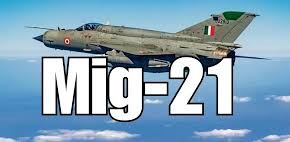
As a young Pilot Officer, I was immediately drawn to the MiG-21. Its sleek, compact design radiated a sense of charm and strength. The sharply pointed nose, slim fuselage, and swept delta wings made it look more like a missile than a typical aircraft — a smooth dart built for speed. Under the bright morning sun, its silver body sparkled with a confident, lively glow. The aircraft is challenging, and it commands respect.
Getting into its cockpit felt less like sitting in an aircraft and more like strapping into a weapon. The space was cramped, the instruments all analogue, the layout unforgiving. There were no digital aids, no gentle warnings, only raw dials, switches, and the groan of hydraulics.
The MiG-21 roared to life as it took off. Pushing the throttles, the engine roared fiercely, like a wild animal set free, and the rapid acceleration made everything outside seem to rush by in a blur. With a smooth pull on the stick, the jet soared upward, seeming eager to get going. The aircraft could scramble and take off within two minutes.
Once in the air, it transformed into a thrilling display of power, speed, agility, and sharp responsiveness. During dogfights, it could carve into tight turns that pushed pilots with intense G-forces, while the cockpit vibrated with the roar of the engine as the jet pursued its target. Although its radar was quite simple, it didn’t matter much in close-range battles; the MiG-21 was designed for those intense, close-quarters dogfights, and in that space, it truly stood out as unbeatable. I still remember those innumerable combat sorties flown during my two stints at the Tactics and Combat Development Establishment (TACDE).
The aircraft was equipped with a simple PKI sight for weapon delivery, making each mission memorable. I still remember the thrill of getting four out of four direct hits with rockets on a MiG-21. Firing 240 mm S-24 rockets at night was another unforgettable experience, exhilarating yet thrilling. The intense flash from the rocket firing momentarily blinded the pilot and disrupted the airflow to the engine. The rockets were highly accurate and would pulverise the targets.
Its delta wing design, crafted for supersonic speeds, did mean it required higher landing speeds, which could make landings a bit more challenging. However, it was built tough enough to handle hard landings comfortably. Thanks to its sturdy design, it could also be brought to a stop quickly if needed.
The MiG-21’s afterburner wasn’t just loud—it was a powerful force that shook your body and echoed long after the jet disappeared into the sky. Even today, hearing a similar roar takes me back to those thrilling days filled with adrenaline and wonder. Witnessing the MiG-21 take off at night from the runway, with the afterburner’s red plume, accompanied by the thunderous sound and ground vibrations, is a truly soul-stirring experience.
The MiG-21 was a challenging but invaluable teacher, highlighting the importance of discipline and keen attention to detail every time it soared into the sky. It served as a gentle reminder to pilots that cutting corners can lead to serious consequences, always encouraging careful planning and vigilant awareness. Flying this remarkable aircraft, pilots learned to stay continually alert, as complacency was their biggest danger. I’ve experienced moments where diverting attention led to risky situations, and these experiences taught me a valuable lesson: “A superior pilot is not the one who uses his exceptional skills to escape danger, but the one who relies on his superior judgment to avoid them in the first place.” The aircraft helped transform inexperienced pilots into confident combat aviators.
The aircraft also fostered resilience, inspiring pilots to face setbacks with courage. Most importantly, it revealed areas where they could grow, helping to develop stronger and more skilled aviators along the way. The MiG-21 instilled a sense of discipline that truly influenced our lives, fostered humility beyond ego, and built resilience that carried us through tough times. It was a strict yet motivating teacher, awakening us and encouraging us to rise to every challenge.
The jet created a quiet bond among its pilots, united by shared challenges and victories. A chance encounter with a fellow MiG veteran sparks laughter, sharing stories of close calls, and reminiscing about sorties that pushed both man and machine to their limits. I’ve flown sleeker, newer, more advanced jets, but none have left such a lasting impression on me as the MiG-21. It was, and always will be, my first love—capable, challenging, exciting, and unforgettable.
The retirement of the MiG-21 from Indian service on 26 Sep 2025, marked by ceremonies, solo sorties, and flypasts, stirs a mix of feelings. While more modern jets with stealth and precision now take their place, the MiG-21’s legacy remains unmatched. The dubious nickname “flying coffin” arose from its unfortunate accident rate and may unfairly colour perceptions about it. However, its contributions of service, transformative impact on the Indian Air Force as well as the nation’s aerospace industry, and defence culture cannot be overshadowed.
When I think of the MiG-21, it reminds me of its sleek silver body catching the early morning light, hearing the mighty roar as it cuts through the sky, and feeling the thrill of flying it in combat. It was never without its flaws —demanding, risky, and at times challenging —but it truly was magnificent. It carried the hopes of a nation, the bravery of pilots, and the devotion of ground crews. The MiG-21 pushed the boundaries of engineering, endurance, and human spirit in the most inspiring ways.
Anyone who has flown the MiG-21 will surely agree that it’s become so much more than just a fighter jet. It’s like a mentor, a friend, and most importantly, a living legend that will always be remembered and cherished.
Please Add Value to the write-up with your views on the subject.
For regular updates, please register your email here:-
References and credits
To all the online sites and channels.
Pics Courtesy: Internet
Disclaimer:
Information and data included in the blog are for educational & non-commercial purposes only and have been carefully adapted, excerpted, or edited from reliable and accurate sources. All copyrighted material belongs to respective owners and is provided only for wider dissemination.