Article for the “Center of Excellence for Geopolitics and International Studies” website of Reva University on 08 Jul 25.
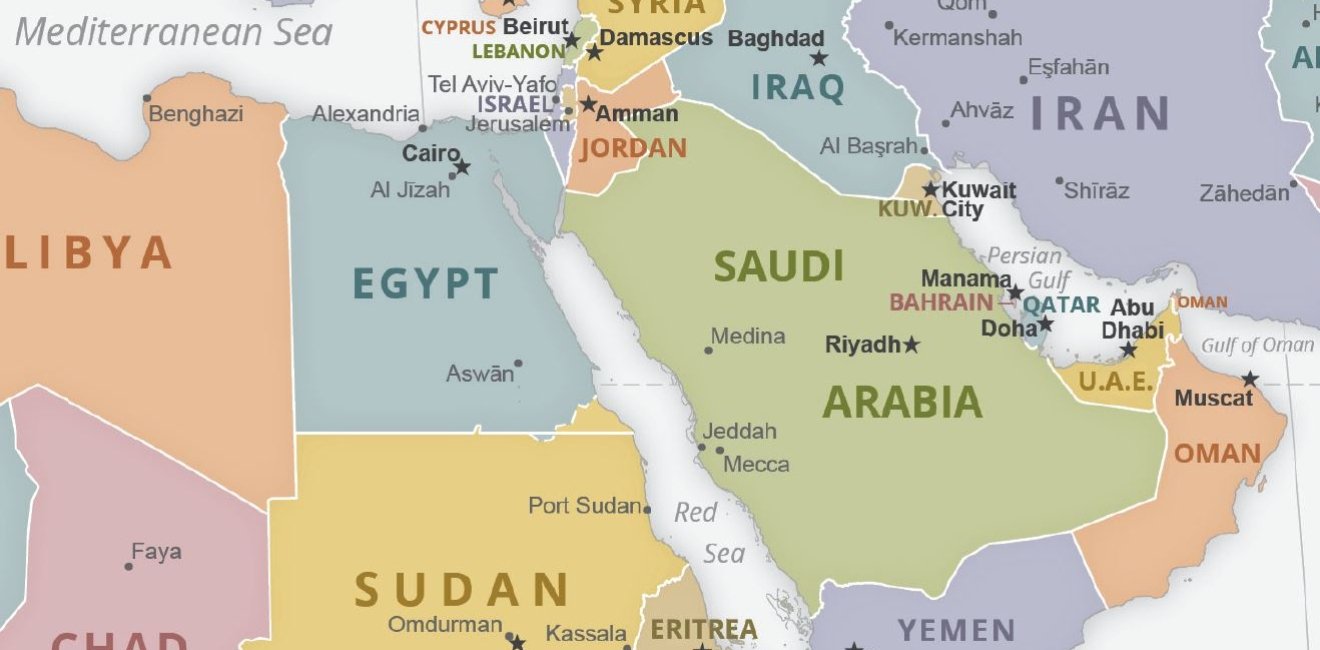
The West Asia has long been a crucible of geopolitical strife, with its conflicts reverberating far beyond its borders. In 2025, escalating tensions in the region, driven by a volatile mix of sectarian rivalries, resource competition, and great power interventions, continue to reshape the political, economic, and security landscape of Eurasia. From energy markets to migration flows, and trade routes to diplomatic alignments, the ripple effects of West Asian instability are profoundly felt across the vast Eurasian supercontinent, influencing both regional powers and global dynamics.
Energy Market Disruptions. The West Asia remains a linchpin of the global energy supply, with countries such as Saudi Arabia, Iran, and Iraq holding significant portions of the world’s oil and gas reserves. Tensions, particularly between Iran and its Gulf neighbours, have repeatedly threatened key chokepoints, such as the Strait of Hormuz, through which roughly 20% of global oil passes. Recent escalations have driven oil prices higher, with Brent crude currently hovering around $95-100 per barrel as of mid-2025. This volatility directly impacts the economies of Eurasia, particularly energy-hungry nations like China and India, which rely heavily on West Asian oil.
Trade Routes and Supply Chain Vulnerabilities. The West Asia’s strategic geography makes it a crucial node in Eurasian trade networks, particularly in the context of the Belt and Road Initiative (BRI). Conflicts in the region, such as the ongoing Israel-Palestinian/Iran crisis and Houthi attacks in the Red Sea, threaten maritime routes like the Suez Canal, through which 12% of global trade flows. Houthi drone and missile strikes on shipping in 2024-2025 have forced rerouting around the Cape of Good Hope, increasing costs and delays for goods moving between Asia and Europe. This has prompted China to bolster overland BRI routes through Central Asia.
Migration and Humanitarian Crises. West Asian conflicts have driven waves of migration, with profound implications for the Eurasian region. The Syrian civil war continues to push refugees into Turkey. In 2025, renewed violence in Iraq and Yemen has triggered fresh displacement, with refugees and asylum seekers moving not only westward but also eastward into Central Asia and South Asia. Pakistan and Iran, already hosting millions of Afghan refugees, face additional pressures, exacerbating resource scarcity and ethnic tensions. The humanitarian toll also diverts resources from development projects.
Security and Geopolitical Realignments. West Asian tensions are reshaping Eurasian security dynamics, prompting major powers to recalibrate their strategies in response. Russia, a key player in both regions, leverages its military presence in Syria to project power while deepening ties with Iran. This alignment, however, alienates Turkey and complicates Moscow’s relations with Sunni-majority states like Saudi Arabia. Meanwhile, China’s non-interventionist stance is tested as it seeks to protect its investments in the Middle East and Central Asia, leading to cautious military cooperation with regional powers. The U.S., while reducing its West Asian footprint, remains a pivotal actor through alliances with Israel and the GCC.
The Broader Eurasian Impact. The interplay of these factors creates a feedback loop that destabilises Eurasia. Regional powers, such as Turkey, Iran, and India, are often forced to adapt, often at the expense of their domestic priorities. Smaller Eurasian states, particularly in Central Asia, face heightened risks of being drawn into great power rivalries or extremist networks. Meanwhile, global initiatives like the BRI and climate transition efforts are slowed by the need to address immediate crises emanating from the West Asia.
Conclusion. In 2025, the West Asia’s tensions are not merely a regional issue but a Eurasian one, with consequences that ripple across continents. Addressing these challenges requires coordinated diplomacy, robust economic diversification, and a commitment to humanitarian principles. Without such efforts, the fault lines of the West Asia will continue to fracture the Eurasian landscape, undermining stability and prosperity for years to come.
Please Add Value to the write-up with your views on the subject.
For regular updates, please register your email here:-
Information and data included in the blog are for educational & non-commercial purposes only and have been carefully adapted, excerpted, or edited from reliable and accurate sources. All copyrighted material belongs to respective owners and is provided only for wider dissemination.
References:-
CSIS: Experts React: Energy Implications of Escalating Middle East Conflict, Published: October 8, 2024
TRENDS Research & Advisory: Energy Geopolitics in a Fragmented World, Published: November 12, 2024
Al Jazeera Centre for Studies: The Geopolitics of Global Trade: Why the Middle East Matters Now More Than Ever, Published: June 3, 2025
Carnegie Endowment: The Geopolitics of Economic Development in the Middle East, Published: February 15, 2024
Foreign Policy Research Institute: Turkey’s Evolving Geopolitical Strategy in the Black Sea, Published: December 4, 2024
World Economic Forum: Global Risks Report 2025, Published: January 15, 2025
IMF: Press Briefing Transcript: Middle East and Central Asia Department, Spring Meetings 2025, Published: April 24, 2025
International Institute for Iranian Studies: The Middle East Conflict and Indications of Change in the Strategic Environment, Published: February 10, 2025
Carnegie Endowment: Ending the New Wars of Attrition: Opportunities for Collective Regional Security in the Middle East, Published: March 5, 2025
Brookings: Forecasting China’s Strategy in the Middle East over the Next Four Years, Published: December 19, 2024
Asian Review of Political Economy: China’s Belt and Road Initiative in Southeast Asia and its Implications for ASEAN-China Strategic Partnership, Published: December 3, 2024
Science Direct: The Belt and Road Initiative and Partnership for Global Infrastructure and Investment: Comparison and Current Status, Published: June 1, 2025
(World of Hospitality Expo 2025 Bengaluru) on 12 Jun 25.
At first glance, the hospitality industry and the defence forces inhabit two completely different worlds. One is centred around guest comfort, luxury, and personalised experiences, while the other is dedicated to national security, combat readiness, and discipline under extreme conditions. However, beneath these surface differences lie a surprising number of commonalities. These shared values, systems, and operational philosophies testify to the importance of structure, service, and efficiency in both fields.
Service Orientation and Sense of Duty. Both professions are service-oriented at their core, albeit in different ways. Military personnel are sworn to serve the nation, protect its citizens, and uphold constitutional values, often at great personal sacrifice. Their sense of duty and patriotism define their commitment. In hospitality, professionals are committed to serving guests, ensuring their comfort, safety, and satisfaction. While the service here is commercial, it is also rooted in values like empathy, attentiveness, and responsibility. This shared service ethos cultivates a mentality where personal gain is often secondary to the satisfaction or safety of those served.
Round-the-Clock Operations. Both the defence forces and the hospitality industry function 24/7. Military readiness must always be maintained, regardless of holidays or time zones. Similarly, hotels, resorts, and airlines operate around the clock to serve guests from around the world. This means shift-based work, night duties, and an unwavering service or readiness at all hours. It demands a resilient workforce and strong time management practices.
Leadership. One of the most striking similarities is the demand for decisive leadership in high-pressure situations. Military leaders are trained to make quick, life-or-death decisions in combat zones or crises. Their ability to lead, motivate, and manage resources can make the difference between mission success and failure. While the stakes may not involve national security in the hospitality industry, emergency scenarios, natural disasters, medical emergencies, or VIP security breaches require calm, decisive leadership. Hotel managers must make swift decisions, mobilise teams, and ensure guest safety, often under public scrutiny. Emotional intelligence, stress tolerance, and strategic thinking are invaluable.
Discipline. Discipline is the cornerstone of military life. From a soldier’s daily routine to combat strategies, discipline ensures order, consistency, and operational success. The hospitality industry also demands a very high degree of self-discipline. The shared emphasis on discipline ensures operational efficiency and cultivates a professional culture where accountability and excellence are paramount.
Adherence to SOPs. The defence forces function through Standard Operating Procedures (SOPs) that define actions, responses, and protocols. In the hospitality industry, SOPs play an equally critical role. Whether it’s how a guest is greeted at a hotel, the sanitation procedure in a kitchen, or the protocol for handling emergencies, every action is governed by established procedures. Like the military, hospitality professionals are trained to follow these processes precisely, ensuring consistency in service and guest safety.
Teamwork. Teamwork is critical in both domains. A successful military operation relies on each unit playing its part with precision. Similarly, seamless guest experiences in hospitality result from the coordination between the front office, kitchen, housekeeping, security, and other departments. In both environments, the inability of one unit to function correctly can affect the entire operation.
Professionalism and Appearance. Both industries uphold high standards of professionalism and personal grooming. Military uniforms are symbols of discipline, unity, and national pride. Similarly, the hospitality industry emphasises uniforms, grooming standards, and personal etiquette to reflect the brand’s image and deliver a sense of trust and order. This emphasis on personal presentation conveys respect for the uniform in the military and for the guest in hospitality. It helps instil a sense of pride and belonging among team members.
Attention to Detail. Attention to detail is critical in both fields, where minor oversights can have significant consequences. In the defence forces, attention to detail can be a matter of life and death. A soldier’s ability to maintain equipment, follow precise instructions, or analyse intelligence accurately can determine the success of a mission. In hospitality, a perfectly made bed, a spotless dining area, or a personalised welcome note can elevate a guest’s experience from ordinary to exceptional. Staff are trained to notice and address even the most minor issues, such as a smudge on a glass or a guest’s dietary preference, to ensure satisfaction. Both industries cultivate a meticulous approach, recognising precision drives excellence and reliability.
Training and Skill Development. Both sectors place a premium on training. Military personnel undergo intense physical, tactical, psychological, and strategic training. Constant up-skilling is required to adapt to new technologies, warfare tactics, and mission demands. Similarly, hospitality professionals are continuously trained in customer service, soft skills, foreign languages, food safety, technology, and management practices. For example, chefs train for years in culinary techniques, and front-office staff must master reservation systems, complaint handling, and cultural etiquette. This shared commitment to lifelong learning and operational readiness reinforces a culture of excellence.
Crisis Management and Emergency Preparedness. The military is trained in extreme, uncertain, and dangerous environments—war zones, peacekeeping missions, or humanitarian operations. Crisis management is embedded into military DNA. The hospitality industry must also be prepared for various crises: fire outbreaks, natural disasters, terrorist threats, pandemics, or political unrest. Hotels and resorts have evacuation plans, first-aid teams, and disaster recovery protocols. The COVID-19 pandemic demonstrated how quickly hotels had to transform into quarantine centers, adopt strict sanitisation protocols, and operate under unprecedented restrictions. Staying composed, mobilising resources, and prioritising human safety are critical in both fields.
Security and Surveillance. These are core functions of defence forces but are also increasingly relevant in the hospitality sector, particularly in high-risk locations or during high-profile events. Hotels and resorts implement CCTV monitoring, access controls, security checks, and emergency drills. VIP guests, dignitaries, and significant events often require cooperation with national security agencies. As a result, both fields rely on intelligence gathering, threat assessment, and preventive strategies to ensure people’s and property’s safety.
Logistics and Operational Efficiency. The military is a logistical powerhouse—managing supply chains, troop deployments, food, fuel, medical supplies, and infrastructure, often under time-sensitive conditions. Hospitality, while different in scale, is also logistics-intensive. Every day, hotels manage inventory, food and beverage supplies, laundry services, room turnovers, event setups, and more. Coordinating these moving parts is essential to the smooth functioning of the establishment. In both cases, operational excellence results from tight coordination, resource planning, and execution.
Cultural Awareness and Protocol. Both sectors engage with diverse populations and cultures in today’s globalised world. Military personnel are often deployed in international missions and must understand local customs to interact effectively with civilian populations and allied forces. Missteps can have diplomatic consequences. Hospitality professionals regularly deal with guests from different cultural, linguistic, and religious backgrounds. Understanding these differences ensures that services are respectful, personalised, and sensitive to guests’ needs. This shared need for cultural competence highlights the importance of empathy, protocol, and communication skills.
Ethical Standards and Accountability. Both sectors require strong moral standards. The military adheres to codes of conduct related to rules of engagement, treatment of prisoners, and civilian protection. Violations can have legal and diplomatic consequences. Hospitality professionals must also maintain ethical conduct, ensuring guest privacy, honest billing, fair labour practices, and non-discrimination. Breaches can damage reputations and invite legal repercussions. A shared culture of integrity and accountability builds public trust and internal cohesion.
Conclusion
Despite their apparent differences in purpose and context, the hospitality industry and the defence forces are more alike than commonly perceived. Both are service-oriented, discipline-driven, and operationally complex. They rely on structured training, teamwork, ethical conduct, and the ability to perform under pressure.
Please Add Value to the write-up with your views on the subject.
For regular updates, please register your email here:-
Information and data included in the blog are for educational & non-commercial purposes only and have been carefully adapted, excerpted, or edited from reliable and accurate sources. All copyrighted material belongs to respective owners and is provided only for wider dissemination.
References:-
Chand, M. (2010). “The impact of HRM practices on service quality, customer satisfaction and performance in the Indian hotel industry.” International Journal of Human Resource Management, 21(4), 551–566.
Andrews, S., & Kasavana, M. L. (2006). The Hospitality Industry Handbook on Nutrition and Menu Planning. Juta and Company Ltd.
Jones, T., Hillier, D., & Comfort, D. (2016). “Security and safety in the hospitality industry: The case of hotel chains.” Journal of Retail & Leisure Property, 6(3), 193–203.
Paraskevas, A. (2013). “Aligning strategy to threat: A baseline anti-terrorism strategy for hotels.” International Journal of Contemporary Hospitality Management, 25(1), 140–162.
Roper, C. A. (1999). Emergency Response Planning for Corporate and Municipal Managers. Butterworth-Heinemann.
Walker, J. R. (2021). Introduction to Hospitality Management (6th ed.). Pearson Education.
Yammarino, F. J., & Bass, B. M. (1990). “Transformational leadership and multiple levels of analysis.” Human Relations, 43(10), 975–995.
Baum, T. (2006). Human Resource Management for Tourism, Hospitality and Leisure: An International Perspective. Cengage Learning EMEA.
Brotherton, B. (2012). International Hospitality Industry: Structure, Characteristics and Issues. Routledge.
Bruneau, T., & Matei, F. (2013). The Routledge Handbook of Civil-Military Relations. Routledge.
Crawford, C. B., & Hubbard, S. S. (2009). The impact of transformational leadership on hospitality service quality. Tourism and Hospitality Research, 9(3), 253–261. https://doi.org/10.1057/thr.2009.14
Ghobadian, A., Speller, S., & Jones, M. (1994). Service quality: Concepts and models. International Journal of Quality & Reliability Management, 11(9), 43–66.
O’Fallon, M. J., & Rutherford, D. G. (2010). Hotel Management and Operations (5th ed.). Wiley.
Pizam, A. (2010). Professional behaviour in hospitality. International Journal of Hospitality Management, 29(3), 329–330.
My article was published on the Life of Soldier website on 20 Feb 25 and in the Mar 25 issue of the e-magazine.
The Digital Silk Road (DSR) is a crucial component of China’s Belt and Road Initiative (BRI), focusing on expanding digital connectivity, infrastructure, and technological cooperation across the globe. Launched in 2015, the DSR aims to establish China as a global leader in digital innovation, telecommunications, artificial intelligence (AI), cloud computing, and e-commerce. China is reshaping global digital landscapes by investing in undersea cables, data centers, 5G networks, and satellite systems, particularly in developing nations.
While the DSR offers economic opportunities, it raises significant concerns about cyber security, digital sovereignty, geopolitical leverage, and the global balance of power. This article explores the implications of China’s techno-political strategy through the Digital Silk Road, highlighting its impact on international relations, digital governance, and technological standards.
Objectives and Scope of China’s Digital Silk Road
China’s Digital Silk Road (DSR) is an extension of the Belt and Road Initiative (BRI) to build a global digital infrastructure and strengthen China’s role as a technological and cyber power. The DSR focuses on expanding global digital infrastructure, enhancing technological dominance, promoting a state-centric internet governance model, fostering economic and financial integration, and leveraging cyber security for geopolitical influence. These objectives position China as a leader in the digital economy while shaping the global technology landscape.
Expanding Global Digital Infrastructure. One of the primary objectives of the DSR is to build and broaden digital infrastructure across Asia, Africa, Latin America, and parts of Europe. China invests heavily in 5G networks, fibre-optic cables, satellite communication, cloud computing, and data centers in partner countries. Companies like Huawei, ZTE, and China Mobile are key in setting up next-generation telecommunications networks. By providing affordable digital solutions, China enhances digital connectivity in developing economies while ensuring long-term dependence on its technology.
Enhancing Technological Dominance. China’s DSR is a strategic initiative to establish global leadership in emerging technologies such as artificial intelligence (AI), quantum computing, blockchain, and smart cities. Through investments in research and development, China aims to surpass Western competitors in critical technological domains. The DSR facilitates technology transfer to BRI nations, strengthening China’s influence in digital economies worldwide. By setting standards for 5G, digital currencies, and AI governance, China aspires to shape the future technological order in its favour.
Promoting a State-Centric Internet Governance Model. A significant aspect of the DSR is to promote China’s vision of cyber sovereignty, where individual nations exert greater control over their internet spaces. Unlike the Western model of an open and decentralised internet, China’s approach advocates for government-regulated digital spaces. By exporting its Great Firewall-inspired surveillance technology, China helps partner countries implement censorship, content control, and cyber monitoring. This model appeals to authoritarian and semi-authoritarian regimes seeking to maintain strict control over digital platforms.
Economic and Financial Integration. The DSR aligns with China’s broader goal of deepening economic integration with partner countries. This initiative’s key components are digital payment systems, e-commerce platforms, and fintech solutions. Platforms like WeChat Pay and Alipay are expanding their global reach, offering alternative financial ecosystems independent of Western-controlled networks like Visa and Mastercard. Additionally, China is promoting the digital yuan (e-CNY) as a potential global currency, challenging the dominance of the US dollar in international trade and finance.
Cyber security and Geopolitical Leverage. China’s control over global digital infrastructure provides it with significant cyber security and geopolitical leverage. Deploying 5G networks and undersea cables raises concerns about potential espionage and data security risks. Many Western nations have raised alarms about the influence China could exert through its digital infrastructure, particularly in strategic sectors. By establishing cyber security partnerships with DSR nations, China strengthens its digital defence capabilities while expanding its cyber footprint globally.
Geopolitical Dimensions.
Strengthening China’s Global Influence. The DSR allows China to position itself as a leader in digital infrastructure and emerging technologies. China cultivates long-term dependencies among participating nations by providing affordable, high-quality digital solutions.
Challenging Western Technological Hegemony. Western nations, led by the U.S. and the European Union, dominate global technology standards and infrastructure. The DSR challenges this dominance by offering alternative systems for 5G networks, cloud computing, and AI governance. Chinese companies like Huawei, ZTE, and Alibaba Cloud are expanding their presence, often undercutting Western competition in price and accessibility.
Digital Authoritarianism and Cyber Sovereignty. China’s model of digital governance favours state control over the Internet. Through DSR partnerships, China exports its Great Firewall approach, influencing governments to adopt stricter cyber regulations, internet censorship, and surveillance technologies. Countries with integrated Chinese digital infrastructure are more likely to follow Beijing’s lead in cyber regulations, shifting global norms toward a state-centric internet rather than a decentralised, open model.
Strategic Control over Critical Digital Infrastructure. Control over global digital infrastructure grants China significant geopolitical leverage. Fibre-optic cables, satellite navigation systems (BeiDou), and cloud computing networks enable China to influence data flows, monitor foreign governments, and potentially disrupt communication channels in conflict.
Economic and Technological Implications
Digital Yuan and Financial Influence. China’s introduction of the Digital Yuan (e-CNY) under the DSR strategy represents a direct challenge to the U.S. dollar’s dominance in international trade. By promoting digital currency adoption in Belt and Road Initiative nations, China reduces reliance on SWIFT transactions, mitigating the impact of Western financial sanctions.
E-Commerce and Digital Payments Expansion. Alibaba, Tencent, and other Chinese tech giants are expanding e-commerce and fintech ecosystems across Africa, Southeast Asia, and Latin America. This expansion integrates developing economies into China’s digital sphere, creating economic dependencies favouring Beijing’s trade policies.
AI, Big Data, and Surveillance Technologies. China’s leadership in artificial intelligence and big data analytics has implications for both governance and security. Many countries that embrace Chinese-built smart cities, AI-driven surveillance, and facial recognition systems risk becoming more aligned with China’s authoritarian digital model.
5G and Telecommunications Control. Huawei and ZTE dominate global 5G infrastructure projects, particularly in developing nations. The reliance on Chinese telecom networks raises concerns over data privacy, potential backdoor access, and espionage risks. This leads to Western pushback and bans on Huawei equipment in the U.S., UK, and Australia.
Cyber Security Threats and Espionage Concerns
China’s involvement in building and managing digital infrastructure raises fears of hidden backdoors, allowing for cyber espionage and data exfiltration. Many Chinese technology firms, such as Huawei and ZTE, have been accused of having close ties with the Chinese government, which could potentially use these networks for intelligence gathering. Nations relying on Chinese-built digital infrastructure risk compromising their communications, governmental data, and critical security operations.
Espionage and Data Harvesting. One of the DSR’s primary concerns is the large-scale data collection from participating countries. Chinese firms involved in cloud computing, smart city technologies, and undersea cables could gain access to vast amounts of sensitive information, including personal data, financial transactions, and military communications. This data could be exploited for economic advantage, intelligence gathering, or coercion, enhancing China’s strategic leverage over nations.
Cyber Attacks and Infrastructure Disruption. Nations’ dependence on Chinese-built digital infrastructure increases their vulnerability to cyber-attacks. There is a risk that in times of geopolitical tensions, Beijing could leverage access to these systems to disrupt critical services such as power grids, financial networks, and telecommunications. Concerns persist regarding Chinese-manufactured hardware containing software vulnerabilities that could be exploited for state-sponsored cyber operations.
AI and Disinformation Campaigns. China’s advancements in AI and big data analytics enable sophisticated disinformation campaigns. By influencing narratives through social media manipulation, AI-generated content, and state-backed media, China could shape public opinion and political outcomes in target countries. Such interference could destabilise democratic institutions, promote pro-China sentiment, and undermine opposition to Beijing’s global ambitions.
Digital Sovereignty and Dependency Risks. Many developing nations, enticed by China’s affordable technology and financial assistance, risk becoming overly reliant on Beijing for digital infrastructure. This dependency undermines their digital sovereignty, limiting their ability to control data, cyber security policies, and technological standards. Once deeply integrated into China’s digital ecosystem, countries may struggle to transition to alternative suppliers without significant economic and operational disruptions.
Global Responses and Countermeasures
In response to the security risks posed by China’s Digital Silk Route (DSR), many nations and alliances have implemented countermeasures to safeguard their digital infrastructure and reduce reliance on Chinese technology. The United States, European Union, and key Indo-Pacific allies have tightened regulations on Chinese firms like Huawei and ZTE, citing concerns over espionage and cyber security threats. The U.S. has led initiatives such as the Clean Network Program, restricting the use of Chinese telecommunications equipment in critical infrastructure. Similarly, the EU’s 5G Toolbox provides guidelines to mitigate high-risk vendors’ influence on European digital networks. Additionally, alternative global initiatives such as the Blue Dot Network and the Partnership for Global Infrastructure and Investment (PGII), spearheaded by the G7, aim to provide transparent and secure alternatives to Chinese digital infrastructure projects. Nations also invest in cyber security frameworks, supply chain diversification, and AI-driven disinformation countermeasures to reduce Beijing’s digital influence. While China’s DSR continues to expand, international efforts are increasingly focused on promoting secure, resilient, and independent digital ecosystems to counter the strategic risks associated with Chinese technological dominance.
India’s Strategic Response. India has adopted a multi-faceted approach to counter China’s Digital Silk Route (DSR) by enhancing cyber security, restricting Chinese tech investments, and promoting domestic digital initiatives. New Delhi has banned numerous Chinese apps over data security concerns and imposed stricter scrutiny on Chinese telecom firms like Huawei and ZTE in its 5G rollout. India is also expanding its digital partnerships with the U.S., Japan, and the EU to develop secure alternatives. Initiatives like Digital India and Made in India aim to boost indigenous tech capabilities, reducing dependence on Chinese infrastructure while strengthening national cybersecurity and data sovereignty.
Emerging Digital Alliances
In response to China’s Digital Silk Route (DSR), global powers are forming strategic digital alliances to promote secure and transparent alternatives. The Quad (U.S., India, Japan, Australia) is enhancing collaboration on 5G, AI, and cyber security. The EU-U.S. Trade and Technology Council (TTC) focuses on setting global tech standards. The Blue Dot Network and Partnership for Global Infrastructure and Investment (PGII), led by G7 nations, offer financing for secure digital infrastructure in developing countries. These alliances aim to counter China’s technological dominance by fostering worldwide resilient, open, and trustworthy digital ecosystems.
Conclusion
The Digital Silk Road is more than just an economic initiative. It is a strategic instrument of techno-political influence that enhances China’s global standing. While it offers significant opportunities for digital development, it raises concerns about cyber security, digital authoritarianism, and geopolitical dependence. As nations seek to balance economic engagement with China against strategic vulnerabilities, the future of the DSR will shape the global digital order, cyber security norms, and geopolitical alignments in the coming decades. The world is at a crossroads where the battle for digital supremacy will define 21st-century geopolitics.
Eurasia Group. “The Geopolitical Consequences of the Digital Silk Road: China’s Emerging Technology Influence.” Strategic Studies Quarterly, vol. 15, no. 3, 2021, pp. 12–34.
Feldstein, Steven. “The Rise of Digital Authoritarianism: China, AI, and Repressive Governance.” Foreign Affairs, vol. 99, no. 3, 2020, pp. 56–72.
Chen, Dingding, and Wang, Xiaojun. “AI, Big Data, and China’s Quest for Global Digital Supremacy.” Asian Security, vol. 16, no. 4, 2022, pp. 431–452.
Segal, Adam. “China’s Vision for Cyber Sovereignty and Implications for Global Internet Governance.” International Security, vol. 45, no. 2, 2021, pp. 65–91.
Creemers, Rogier. “China’s Cyber Governance Model: Between Control and Connectivity.” Journal of Cyber Policy, vol. 3, no. 1, 2018, pp. 40–57.
Brookings Institution. Beijing’s Digital Strategy: The Global Expansion of the Digital Silk Road. Brookings, 2022.
Mozur, Paul. “How China is Exporting Digital Authoritarianism.” The New York Times, October 15, 2022.
McLaughlin, Timothy. “The Digital Silk Road and the New Internet Order.” The Atlantic, March 22, 2023.
Strumpf, Dan. “Beijing’s Big Tech Play: The Digital Silk Road and the Fight for Global Networks.” The Wall Street Journal, May 3, 2023.
Denyer, Simon. “China’s Surveillance Tech Goes Global.” The Washington Post, August 27, 2022.
The Economist. “China’s Digital Silk Road: Exporting the Future or a Dystopian Vision?” The Economist, September 12, 2023.
U.S.-China Economic and Security Review Commission. China’s Digital Silk Road and Its Implications for U.S. Interests. Washington, D.C., 2023.
Center for a New American Security (CNAS). China’s Tech Expansion and the Global Competition for Digital Supremacy. CNAS Report, 2023.
European Parliament. The EU Response to China’s Digital Silk Road: Strategic Risks and Opportunities. Brussels, 2022.
Council on Foreign Relations (CFR). “How China’s Digital Silk Road is Reshaping Global Technology Governance.” www.cfr.org
Center for Strategic and International Studies (CSIS). “The Digital Silk Road: Expanding Chinese Influence in Global Tech.” www.csis.org
Mercator Institute for China Studies (MERICS). “China’s Tech Diplomacy and the Digital Silk Road.” www.merics.org
RAND Corporation. “The Digital Silk Road: Security and Economic Implications for the West.” www.rand.org
Disclaimer:
Information and data included in the blog are for educational & non-commercial purposes only and have been carefully adapted, excerpted, or edited from reliable and accurate sources. All copyrighted material belongs to respective owners and is provided only for wider dissemination.