697: OPERATION SPIDER’S WEB – UKRAINE’S AUDACIOUS DRONE STRIKE: LESSONS FOR INDIA


My article was published in the Jul 25 issue of

the News Analytics Magazine 


On June 1, 2025, Ukraine executed one of the most daring and innovative military operations of the Russo-Ukrainian War, codenamed Operation Spider’s Web. This covert drone assault targeted Russia’s strategic long-range aviation assets, striking five air bases deep within Russian territory. The operation, meticulously planned by Ukraine’s Security Service (SBU), showcased a masterful blend of low-cost technology, human ingenuity, and strategic deception. By leveraging inexpensive drones smuggled into Russia and launched from disguised trucks, Ukraine inflicted billions of dollars in damage, destroyed or damaged a significant portion of Russia’s bomber fleet, and shattered the notion that rear military bases are safe havens. This article explores the operation’s nuances, implications for modern warfare, and lessons for India.

The Genesis. The SBU supposedly began planning the operation in late 2023. The goal was clear: degrade Russia’s ability to conduct long-range missile strikes by targeting its irreplaceable strategic bombers. The operation’s “Spider’s Web” codename reflected its intricate design and broad geographical scope, spanning five Russian oblasts across multiple time zones. The SBU’s approach combined commercially available drone technology, open-source software, and covert logistics to create a low-cost yet devastating strike capability.


Planning and Deception: A Modern Trojan Horse.

The operation’s success hinged on meticulous planning and deception. Ukrainian operatives smuggled 117 first-person view (FPV) drones into Russia over time. These low-cost drones were concealed in shipping containers disguised as wooden sheds and loaded onto trucks driven by unsuspecting Russian contractors. The drivers, instructed via mobile phones to park near target air bases, were unaware of the drones’ presence. This tactic, reminiscent of the mythical Trojan Horse, allowed Ukraine to position its weapons deep inside enemy territory without arousing suspicion.

The SBU established a nerve center for the operation near a regional office of Russia’s FSB intelligence service in Chelyabinsk, adding a layer of audacity to the plan. Ukrainian operators used Russia’s domestic 4G/LTE networks to pilot the drones remotely, embedding control signals within civilian data traffic to evade detection. The drones were equipped with ArduPilot, an open-source autopilot software, enabling pre-programmed flight paths and precise targeting of vulnerable aircraft components, such as fuel tanks and wings. Some reports suggest AI-assisted machine vision may have enhanced strike accuracy in the drones’ terminal phase, though this remains unconfirmed.

The targets were carefully selected: five air bases—Belaya, Dyagilevo, Ivanovo Severny, Olenya, and Ukrainka—housing Russia’s Long-Range Aviation fleet. These bases, located up to 4,300 kilometers from Ukraine, were critical to Moscow’s strategic bombing campaigns. The operation’s timing, coinciding with Russia’s Military Transport Aviation Day, was likely chosen to maximise psychological impact.


Execution: A Coordinated Strike across Time Zones

On June 1, 2025, Operation Spider’s Web unfolded with surgical precision. At dawn, 117 drones were launched simultaneously from their hidden truck-based platforms, targeting aircraft at the five air bases. The drones, flying in the “air littoral”—a low-altitude zone below traditional radar coverage—evaded Russia’s air defences, which were ill-equipped to counter small, low-flying threats.

The strikes were devastating. Satellite imagery and Ukrainian footage confirmed significant damage, particularly at Belaya Air Base in Eastern Siberia, where seven bombers were destroyed on the tarmac. According to Kyiv, the operation destroyed or damaged over 40 aircraft, including Tu-95s, Tu-160s, Tu-22M3s, and an A-50 airborne early-warning jet, representing roughly one-third of Russia’s long-range strike fleet and $7 billion in hardware. NATO estimates suggest 10 to 13 aircraft were destroyed, with over 40 damaged. Russian sources downplayed the losses, but independent analysts confirmed the operation’s unprecedented scale.

The attack on Belaya, 4,300 kilometres from Ukraine, marked the farthest Ukrainian strike of the war, underscoring the operation’s geographical reach. The SBU released four minutes of drone footage showing strikes on Tu-95 wings and Tu-22M3 fuselages, highlighting the precision of the attack. Russia’s Defence Ministry admitted attacks in Murmansk and Irkutsk but claimed no casualties and minimal damage, a narrative contradicted by satellite imagery and Ukrainian reports.

Operation Spider’s Web was not just a military success, but a strategic and symbolic triumph for Ukraine. The operation also had broader implications. As The New York Times noted, it marked a “defining moment in the evolution of modern warfare.” Using inexpensive drones to destroy high-value assets challenged traditional military doctrines, which assume rear bases are secure. The “air littoral” concept gained prominence as drones exploited gaps in conventional air defences. This strategy, replicable by other nations or non-state actors, could reshape how air forces protect their assets, forcing them to harden, disperse, or treat runways as front lines.


Indian Experience

On June 26–27, 2021, India faced its first terrorist drone attack at the Jammu Air Force Station. Two low-flying drones, likely modified quadcopters (possibly DJI Matrice 600 Pro), dropped IEDs with 1–1.5 kg of RDX, launched from Pakistan near the LoC. The first explosion damaged a building roof in the high-security technical area; the second detonated harmlessly on the ground. Two IAF personnel sustained minor injuries, with no critical assets harmed and attributed to Lashkar-e-Taiba, with possible Jaish-e-Mohammad and ISI involvement. This incident highlighted the potential threat of low-cost, high-impact drone attacks and prompted India to bolster its counter-drone systems, including DRDO’s laser technology and jammers.

The attacks exposed vulnerabilities to small, low-altitude drones, previously used only for smuggling. It mirrored global trends seen in ISIS and Hamas tactics. The incident prompted India to bolster counter-drone systems, including DRDO’s laser technology and jammers. This attack marked a strategic shift, highlighting drones’ low-cost, high-impact potential.


Lessons from Operation Spider’s Web for India

Ukraine’s method of smuggling kamikaze drones into Russia to strike distant targets reveals new possibilities for attacks using smuggled weapons, even outside of wartime. Consider the potential for sabotaging critical infrastructure during peacetime or assassinating key leaders and commanders with micro kamikaze drones during public events, travel, or other vulnerabilities. This threat demands robust defence systems, tailored to its unique nature and scale. Operation Spider’s Web provides vital insights for India to modernise its military strategy, advance technological innovation, and prepare for evolving warfare, especially amid regional security threats.

Emerging Threats. India’s porous borders with Pakistan are vulnerable to low-altitude drone attacks. Adversaries could deploy similar tactics to target air bases, forward posts, or critical infrastructure like dams, refineries, or cities, using inexpensive drones operated by terrorist groups or state actors.

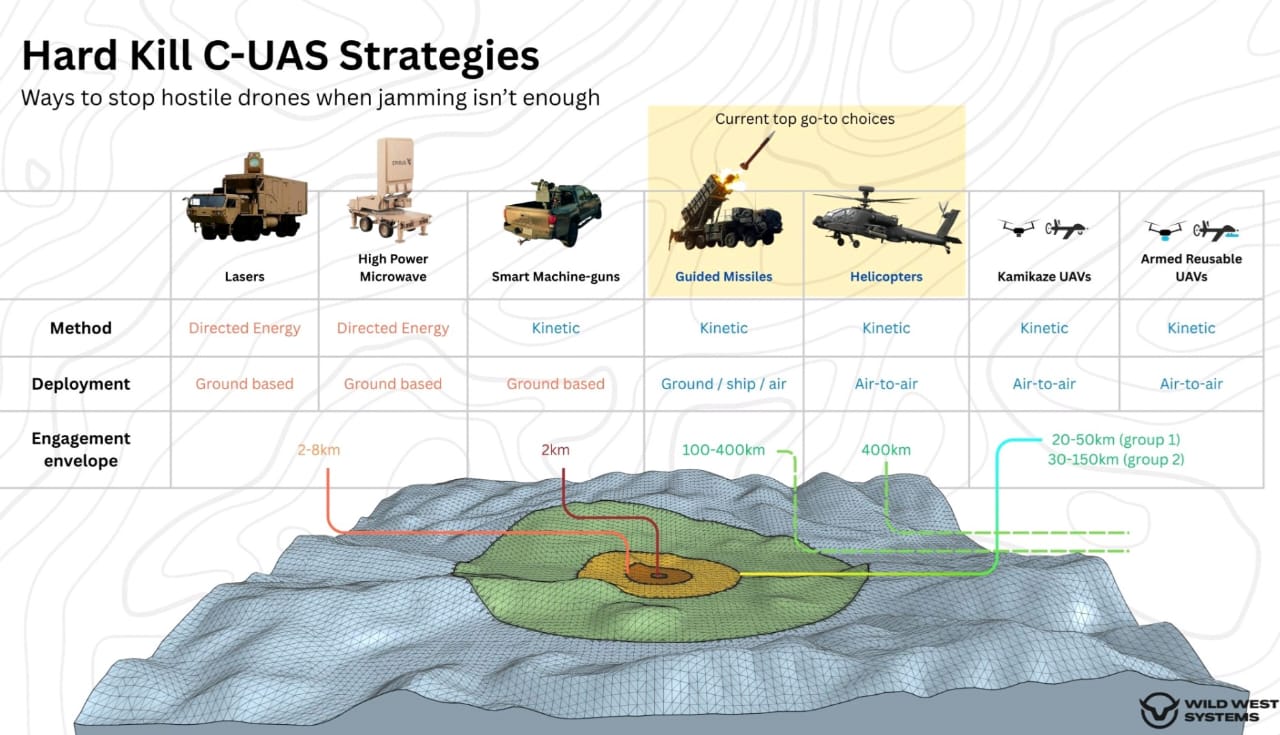
Defence Strategies. To counter these risks, India must implement robust defences. Install counter-drone systems at strategic installations and enhance homeland security with drone surveillance and interception in key areas. Develop rapid-response units to neutralise drone threats. Disperse aircraft and assets across multiple sites to mitigate swarm attack risks, and invest in fortified shelters, decoy systems, and rapid repair facilities.

Network Security. India’s 5G expansion offers military integration potential but risks adversary exploitation. Strengthen cybersecurity to safeguard 5G infrastructure and establish secure, encrypted military communication networks.

Adopt Cost-Effective Drones. Accelerate indigenous drone programs under Make in India, focusing on affordable, scalable systems. Expand public-private partnerships to develop FPV drones with open-source software for rapid deployment in border conflicts.

Enhance Precision and AI. Integrate AI and machine vision into drones to precisely target high-value assets like missile sites—partner with tech firms to develop AI algorithms for real-time target identification in diverse terrains.

Drive Innovation. Create innovation hubs within the Indian Armed Forces and collaborate with academia through hackathons to develop next-generation warfare tools, ensuring adaptability in modern conflicts.


Conclusion

Operation Spider’s Web is pivotal in military history, showcasing drone warfare’s transformative power in redefining modern conflicts. Through a sophisticated blend of deception, technology, and precision, Kyiv delivered a strike that echoed beyond Russia’s airfields, proving no target is truly secure in the drone era. This operation holds critical lessons for India. Deploy advanced counter-drone systems at strategic sites and simulate Ukraine-style drone attacks in war games. Train Special Forces for covert drone missions and boost indigenous drone production under Make in India, prioritising swarm technology and AI. Secure 5G networks for military operations and update doctrines to embed drone warfare, focusing on asymmetry, deception, and precision. Push for global regulations to curb drone use by non-state actors. These measures will strengthen India’s defence framework, ensuring a strategic advantage in 21st-century warfare.


Please Add Value to the write-up with your views on the subject.


1943
Default rating

Please give a thumbs up if you  like The Post?


For regular updates, please register your email here:-

Subscribe

References and credits

To all the online sites and channels.

Pics Courtesy: Internet

Disclaimer:

Information and data included in the blog are for educational & non-commercial purposes only and have been carefully adapted, excerpted, or edited from reliable and accurate sources. All copyrighted material belongs to respective owners and is provided only for wider dissemination.


References:-

  1. Axe, David. “Ukraine’s Drones Just Redrew the Map of Modern Warfare.” The Daily Beast, June 5, 2025.
  1. Barnes, Julian E., and Eric Schmitt. “Ukraine’s Audacious Drone Strike Hits Russian Air Bases, Signals New Phase in War.” The New York Times, June 2, 2025.
  1. Gibbons-Neff, Thomas, and Marc Santora. “How Ukraine Pulled Off a Surprise Drone Attack 4,300 Kilometres Into Russia.” The New York Times, June 3, 2025.
  1. Hambling, David. “Operation Spider’s Web: Ukraine’s Drone Swarm Redefines Asymmetric Warfare.” Forbes, June 4, 2025.
  1. Kofman, Michael, and Rob Lee. “Ukraine’s Drone Strike on Russian Airfields: Strategic Implications.” War on the Rocks, June 6, 2025.
  1. Lendon, Brad. “Ukraine’s Deep Drone Strike: What It Means for Russia’s Air Force.” CNN, June 3, 2025.
  1. Mitzer, Stijn, and Joost Oliemans. “Operation Spider’s Web: Counting the Cost of Ukraine’s Drone Assault.” Oryx, June 4, 2025.
  1. Rogoway, Tyler. “Ukraine’s Drone Blitz on Russian Air Bases: A New Era of Warfare.” The War Zone, June 2, 2025.
  1. Tisdall, Simon. “Ukraine’s Drone Strike Shatters Russia’s Illusion of Safety.” The Guardian, June 5, 2025.
  1. Tucker, Patrick. “Ukraine’s Operation Spider’s Web: A Case Study in Drone Warfare.” Defence One, June 7, 2025.
  1. Center for Strategic and International Studies. “Ukraine’s Drone Strikes and the Future of Strategic Warfare.” CSIS Briefs, June 8, 2025.
  1. Harding, Luke, and Andrew Roth. “Russia’s Air Force Reels After Ukraine’s Drone Strike.” The Financial Times, June 4, 2025.
  1. Reynolds, Nick. “The Air Littoral: How Ukraine Exploited Russia’s Blind Spot.” The Conversation, June 6, 2025.

696: INDO-US DEFENCE AND SECURITY COOPERATION: INTEREST-BASED TO LONG-TERM STRATEGIC PARTNERSHIP


My article published on the IIRF website on 10 Jul 25.


Indo-US relations have undergone a remarkable transformation over the past seven decades. From initial Cold War-era suspicions to the present-day strategic embrace, the evolution of ties between the world’s two largest democracies has been driven by changing geopolitical realities and converging interests. Defence and security cooperation has emerged as one of the strongest pillars of this relationship. Defence cooperation has deepened through foundational agreements like LEMOA, COMCASA, and BECA, fostering interoperability and intelligence-sharing. Joint military exercises, arms trade, and collaboration in emerging defence technologies further solidify ties. Driven by shared concerns over regional security, maritime stability, and countering China’s assertiveness, the partnership is evolving beyond transactional engagements. As both nations align their strategic interests, Indo-U.S. defence cooperation is poised to shape the geopolitical landscape, reinforcing a rules-based international order in the Indo-Pacific.


Historical Evolution of Indo-US Relations

The relationship between India and the United States has undergone significant transformations over the decades, shaped by shifting geopolitical realities, economic imperatives, and strategic interests. From the early years of Indian independence to the present, the two nations have moved from a period of mutual scepticism to an era of deepening cooperation. The recent shift in Washington’s attitude toward New Delhi, characterised by greater strategic alignment, stems from historical developments, economic interdependence, and evolving security challenges, particularly in the Indo-Pacific.

Indo-US relations were primarily defined by ideological differences in the immediate aftermath of India’s independence in 1947. During the Cold War, India adopted a policy of non-alignment, refusing to join either the Western or Soviet blocs formally. While the United States viewed India as a democratic counterweight to communist China, Washington was frustrated by New Delhi’s reluctance to integrate into the Western-led order fully. Instead, the US deepened ties with Pakistan, a key Cold War ally, supplying Islamabad with military and economic aid. This alliance created long-term strains in Indo-US relations, as India perceived American support for Pakistan as an endorsement of its regional rival.

Despite this friction, moments of cooperation emerged, particularly in times of crisis. In 1962, during the Sino-Indian War, the US provided military aid to India, recognising the common threat posed by China. However, relations soured again in the 1970s when India conducted its first nuclear test in 1974, prompting Washington to impose sanctions. The Cold War period was thus marked by oscillations between limited engagement and estrangement, with strategic considerations dictating the extent of bilateral ties.

The post-Cold War era brought a significant recalibration of Indo-US relations. With the collapse of the Soviet Union in 1991, India lost a crucial economic and military partner, prompting a shift toward economic liberalisation and global integration. The US, recognising India’s growing economic potential, gradually moved to strengthen ties. However, nuclear non-proliferation remained a contentious issue, particularly after India’s nuclear tests in 1998. Washington responded with sanctions, but a pragmatic realisation of India’s strategic importance led to a thaw in relations by the early 2000s.

A significant turning point came with the signing of the Indo-US Civil Nuclear Agreement in 2008, which marked a shift in Washington’s stance on India’s nuclear program. The agreement brokered under the George W. Bush administration effectively recognised India as a responsible nuclear power outside the Non-Proliferation Treaty (NPT) framework. This deal ended decades of nuclear estrangement and laid the groundwork for deeper strategic cooperation.

The rise of China as a geopolitical competitor further cemented Indo-US ties in the 2010s. Successive American administrations, from Barack Obama to Donald Trump and Joe Biden, increasingly viewed India as a critical partner in maintaining a balance of power in the Indo-Pacific. This alignment has been evident in India’s inclusion in the Quadrilateral Security Dialogue (Quad) alongside the US, Japan, and Australia to counter China’s assertiveness in the region. Defence cooperation has expanded, with India emerging as a major buyer of American military hardware and the two countries signing key agreements for intelligence sharing and logistical cooperation.

The most recent shift in Washington’s attitude toward India stems from several factors. First, the US sees India as an indispensable partner in its strategic competition with China, particularly after the 2020 border clashes between India and China in Ladakh. Second, economic ties have strengthened, with India emerging as a key destination for American investment, particularly in technology and defence manufacturing. Third, there is growing recognition in Washington that a strong India is beneficial and essential to US interests in maintaining a multipolar Asia.


From Transactional Interests to Strategic Partnership

Initially, Indo-US interactions were largely transactional, focused on immediate political or economic needs. The Cold War saw limited cooperation, with the US favouring Pakistan as a strategic ally and India maintaining its non-alignment stance with a tilt towards the Soviet Union. Economic considerations also played a role, with the US mainly viewing India as a developing country rather than a strategic partner.

The shift from a transactional relationship to a strategic partnership began with India’s economic liberalisation in the 1990s, which opened doors for deeper economic and defence engagements. The 2005 Civil Nuclear Agreement was a turning point, signifying trust and long-term commitment from both sides. Regular high-level diplomatic dialogues, including the 2+2 Ministerial Dialogue and Quad engagements, have strengthened confidence.

Military cooperation has also expanded significantly, with India emerging as a Major Defence Partner of the US. Beyond defence, the Indo-US partnership has developed into intelligence sharing, cyber security collaboration, and joint military exercises, reinforcing mutual trust. Both nations have also aligned on regional security concerns, particularly in the Indo-Pacific, where they work together under frameworks such as QUAD to counter China’s growing influence.

Technology transfer and co-development initiatives, such as the Defence Technology and Trade Initiative (DTTI), mark another dimension of the growing strategic partnership. While challenges remain, including India’s concerns about strategic autonomy and US legislative constraints, the trajectory points towards more profound engagement.

Today, Indo-US ties are no longer limited to immediate interests but are rooted in a long-term vision for regional stability, economic growth, and defence cooperation. This evolution signifies a paradigm shift in bilateral relations, establishing India and the US as key strategic allies in the 21st century and providing a reassuring outlook for the future of global security.


Importance of Defence and Security Cooperation

Defence and security cooperation is central to Indo-US relations, providing stability in an increasingly volatile global environment. The US sees India as a crucial player in countering China’s influence in the Indo-Pacific, while India values US support for its defence modernisation efforts. This cooperation extends beyond traditional military engagements, including joint efforts in counterterrorism, intelligence sharing, cyber security, and regional security frameworks.

One of the primary motivations for enhanced Indo-US defence collaboration is the growing geopolitical uncertainty in the Indo-Pacific. The US and India share deep concerns about China’s aggressive territorial claims, expansionist policies, and military assertiveness in the South China Sea and the Indian Ocean. Both nations are united in their aim to maintain a free, open, and rules-based Indo-Pacific region by strengthening defence ties, ensuring maritime security and protecting critical trade routes.

Defence and security cooperation are also crucial to India’s military modernisation. India has been steadily reducing its dependence on traditional defence suppliers like Russia and diversifying its acquisitions through partnerships with the US. Advanced weapons systems, missile technology, and intelligence-sharing agreements have significantly enhanced India’s military capabilities, improving its readiness to tackle emerging security threats. The US, in turn, benefits by strengthening an essential ally in South Asia, ensuring stability in a strategically vital region.

Cyber and space security have also emerged as new frontiers for Indo-US defence collaboration. With the rise of cyber threats, both nations have prioritised securing their critical infrastructure, enhancing cyber defence mechanisms, and sharing expertise in combating cyber warfare. Similarly, space security initiatives, including satellite technology sharing and joint space missions, are becoming integral to bilateral defence engagements.

Another vital component of Indo-US security ties is the interoperability between their armed forces. Regular joint military exercises, such as Malabar, Yudh Abhyas, and Vajra Prahar, enhance operational coordination and foster a better understanding of each other’s military doctrines. These exercises help improve response capabilities during crises and enable seamless cooperation in disaster relief and humanitarian assistance missions.

    • LEMOA (Logistics Exchange Memorandum of Agreement). Signed between India and the United States in 2016, LEMOA allows their armed forces to access each other’s bases for refuelling, replenishment, and logistical support on a case-by-case basis. It enhances operational flexibility, particularly in the Indo-Pacific region, by facilitating extended deployments and joint exercises. While it does not imply automatic basing rights, LEMOA strengthens strategic cooperation, improves military readiness, and enhances interoperability between both nations’ armed forces.
    • COMCASA (Communications Compatibility and Security Agreement). COMCASA, signed in 2018, enables secure, real-time communication between the U.S. and Indian military assets. It grants India access to encrypted communication systems, ensuring compatibility with advanced U.S. platforms like P-8I maritime patrol aircraft and C-17 transport planes. COMCASA enhances joint operations and situational awareness by improving intelligence-sharing and battlefield coordination. However, concerns over data security and sovereignty initially delayed its acceptance, highlighting the complexities of deepening Indo-U.S. military cooperation.
    • BECA (Basic Exchange and Cooperation Agreement). This agreement, finalised in 2020, facilitates the sharing of advanced geospatial intelligence between India and the U.S. It provides India with precise satellite imagery, digital maps, and classified geospatial data crucial for accurate targeting and surveillance. It enhances India’s missile systems, navigation, and military planning, especially in countering regional threats. BECA complements other foundational agreements, reinforcing Indo-U.S. defence ties and boosting India’s strategic capabilities in modern warfare and intelligence operations.

Overall, the deepening defence and security cooperation between India and the US reflects their shared commitment to regional stability, democratic values, and mutual security interests. As both nations continue to align their strategic objectives, this partnership is expected to play a crucial role in shaping the future of global security dynamics.


Emerging Areas of Collaboration (Counterterrorism)

Counterterrorism remains a key focus area in Indo-US defence cooperation, with both nations actively collaborating on intelligence sharing, cyber security, and counter-radicalisation initiatives. The United States has consistently supported India’s stance on cross-border terrorism, particularly in the aftermath of major attacks such as the 2008 Mumbai attacks and the 2019 Pulwama attack.

Both countries have institutionalised counterterrorism cooperation through platforms like the India-US Counterterrorism Joint Working Group and the Homeland Security Dialogue. These mechanisms facilitate information exchange, sharing of best practices, and capacity-building initiatives.

Cyber security is also an integral component of counterterrorism cooperation, with both countries working to prevent terrorist organisations from using digital platforms for propaganda and recruitment. Efforts to combat terror financing, monitor radicalisation trends, and enhance border security measures further strengthen this collaboration.

India and the US also engage in joint counterterrorism exercises, ensuring security forces are prepared for potential threats. Given the rising global terrorist threats, particularly from groups operating in Afghanistan and Pakistan, this partnership remains vital for regional and global security.


Bilateral vs. Multilateral Engagements

While Indo-US defence cooperation has a strong bilateral component, multilateral frameworks like the QUAD (Quadrilateral Security Dialogue), which includes Japan and Australia, further enhance strategic coordination. The QUAD has gained significance as a forum to ensure a free and open maritime domain.

Multilateral engagements help both nations coordinate efforts in maritime security, intelligence sharing, and defence cooperation with like-minded partners. Exercises like Malabar, which now includes Japan and Australia, exemplify this shift towards multilateralism. Additionally, initiatives such as ASEAN Defence Ministers’ Meeting Plus (ADMM-Plus) and Indo-Pacific Economic Framework (IPEF) serve as platforms to address regional security challenges collaboratively.

Through bilateral agreements, India and the US continue to deepen military cooperation, but multilateral engagements ensure that this collaboration extends beyond just two nations, forming a broader regional security architecture. The combination of bilateral and multilateral strategies strengthens India’s role as a regional security provider and aligns with the US’s objective of a stable Indo-Pacific region.


Challenges and Divergences

Despite strong defence ties, challenges remain, including India’s historical dependence on Russian military equipment, trade disputes, and differing strategic priorities on global issues like Iran and Russia-Ukraine tensions. India’s reliance on Russian arms presents an obstacle to full integration with US defence technology, as interoperability concerns and CAATSA (Countering America’s Adversaries through Sanctions Act) sanctions remain points of contention. Additionally, trade disputes over tariffs and market access create occasional friction.

Strategic divergences also persist, particularly regarding India’s approach to global conflicts. While the US has taken a firm stance against Russia following the Ukraine conflict, India has pursued a more balanced policy, maintaining its longstanding ties with Moscow while engaging with Western powers. Similarly, India’s energy needs and strategic interests in Iran sometimes clash with US-imposed sanctions, complicating diplomatic engagements.

Another challenge is India’s emphasis on strategic autonomy. While India seeks closer ties with the US, it remains cautious about entering alliances that could limit its independent decision-making. This has sometimes led to differing approaches to security issues, including military operations and geopolitical alignments in the Indo-Pacific. Balanced engagement requires careful diplomacy to align mutual interests while respecting national priorities.

The growing presence of China in the region is both a common concern and a point of divergence. While India and the US seek to counter China’s assertiveness, India’s economic ties with China remain significant. Additionally, India has sometimes preferred regional solutions rather than fully aligning with US-led initiatives, leading to occasional policy differences.

Addressing these divergences requires continued diplomatic engagement, trust-building measures, and greater alignment on global security policies to ensure a more seamless and effective partnership. Through dialogue, trade negotiations, and strategic frameworks, both nations can work towards mitigating challenges and strengthening their long-term defence and security cooperation.


The Road Ahead

The future of Indo-US defence and security cooperation looks promising, with an increased focus on defence co-production, intelligence sharing, and maritime security. Both nations are expected to deepen their military collaboration through emerging technologies, strategic dialogues, and multilateral engagements.

As China’s military and economic influence continues to rise, Indo-US strategic cooperation will likely become more robust. Maritime security will remain a key engagement area, particularly in the Indo-Pacific. The QUAD, consisting of India, the US, Japan, and Australia, will play an increasingly significant role in ensuring a free and open Indo-Pacific. Joint naval patrols, information sharing, and coordinated responses to regional threats will further enhance maritime security.

Defence co-production and technology transfer are expected to gain momentum under initiatives like the Defence Technology and Trade Initiative (DTTI). Co-development of advanced weapon systems, including drones, missiles, and next-generation fighter aircraft, will strengthen India’s defence manufacturing capabilities while providing the US with a reliable defence partner in Asia. India’s growing indigenous defence industry, supported by US expertise, will reduce dependency on traditional suppliers and foster innovation.

Cyber security and space security will emerge as critical areas of bilateral cooperation. As cyber threats become more sophisticated, both nations will enhance collaboration on cyber intelligence sharing, securing critical infrastructure, and countering cyber warfare tactics. Space security initiatives will include joint satellite surveillance, GPS navigation cooperation, and space situational awareness programs to protect satellites from potential adversarial threats.

Intelligence sharing and counterterrorism cooperation will remain vital in addressing global security challenges. Indo-US collaboration in tracking terror networks, disrupting financing mechanisms, and countering radicalisation efforts will be further strengthened. The US has consistently supported India’s concerns regarding cross-border terrorism and has played a role in sanctioning groups that pose a threat to Indian security.

Economic and trade ties will also complement defence relations. As India modernises its military, US defence firms will have increased opportunities for investment and collaboration. Defence offsets and Make-in-India initiatives will encourage joint ventures, enabling India to become a major defence exporter in the future.

Despite substantial progress, challenges remain. Differing geopolitical priorities, trade disputes, and regulatory barriers may create hurdles in expanding defence cooperation. However, sustained diplomatic engagement, trust-building measures, and strategic dialogues will help mitigate these challenges.

Overall, the Indo-US defence and security partnership is set to grow, with a shared vision for regional stability and global security. By embracing new technologies, deepening military ties, and strengthening multilateral collaborations, both nations are poised to shape the future of global security dynamics together.


Conclusion

Indo-US defence and security cooperation has evolved significantly from an interest-based arrangement to a long-term strategic partnership. With a solid foundation, both nations can navigate global security challenges together, ensuring a stable and secure Indo-Pacific region. As military, intelligence, and technological collaborations deepen, trust and interoperability between both nations will continue to grow. The strategic alignment between India and the US will be crucial in addressing common threats, promoting regional stability, and fostering an open and rules-based international order. While challenges exist, the commitment of both nations to a shared vision ensures that Indo-US defence ties will only strengthen in the years to come.


Please Add Value to the write-up with your views on the subject.


1943
Default rating

Please give a thumbs up if you  like The Post?


For regular updates, please register your email here:-

Subscribe


References and credits

To all the online sites and channels.

Pics Courtesy: Internet

Disclaimer:

Information and data included in the blog are for educational & non-commercial purposes only and have been carefully adapted, excerpted, or edited from reliable and accurate sources. All copyrighted material belongs to respective owners and is provided only for wider dissemination.


References:-

  1. Tellis, Ashley J. “India as a Leading Power: A Strategy for U.S.–Indian Relations.” Carnegie Endowment for International Peace, 2016.
  1. Pant, Harsh V., and Julie M. Super. “India-US Relations under Modi: The Strategic Logic Underlying the Modi Government’s Approach.” International Affairs, Vol. 93, No. 1, 2017, pp. 133-146.
  1. Kugelman, Michael. “US-India Defence Ties: Beyond Arms Sales.” The Diplomat, 2019.
  1. Chaudhuri, Rudra. “Forged in Crisis: India and the United States since 1947.” South Asian History and Culture, Vol. 6, No. 1, 2015.
  1. Joshi, Shashank. “US-India Military Ties: Strengthening the Partnership.” Survival, Vol. 60, No. 6, 2018, pp. 43-52.
  1. Mukherjee, Rohan. “The India–US Security Relationship: The Balance Sheet after Two Decades of Engagement.” International Politics, Vol. 59, 2022, pp. 1090-1115.
  1. Stimson Center. “U.S.-India Strategic Partnership: Expanding Horizons.” 2023.
  1. Carnegie Endowment for International Peace. “The U.S.-India Security Partnership: Progress, Challenges, and Future Prospects.” 2021.
  2. RAND Corporation. “The India-US Defense Relationship: Enhancing Cooperation for Regional Stability.” 2020.
  1. Brookings Institution. “The Next Phase of US-India Relations: Security, Trade, and Technology.” 2022.
  1. Council on Foreign Relations. “The Road Ahead: India and the United States as Major Defense Partners.” 2021.
  1. Observer Research Foundation (ORF). “India and the US: A Strategic Partnership in the Indo-Pacific.” 2022.
  1. Center for Strategic and International Studies (CSIS). “Defence Industrial Cooperation between the U.S. and India.” 2023.
  1. The Diplomat. “Why the India-U.S. Defence Partnership is Vital in the Indo-Pacific.” 2023.
  1. India Today. “India-US Defence Cooperation: From Arms Sales to Joint Exercises.” 2023.

.

695:INDIA’S TRYST WITH COMBAT DRONES


Article written for SP Aviation on February 25.


The concept of unmanned flight dates back to World War I, but drones became a viable military asset not until the late 20th century. The U.S. military’s use of the Predator drone during the 1990s and early 2000s marked a significant turning point. Armed variants of the Predator demonstrated the feasibility of unmanned precision strikes, ushering in a new era of aerial warfare. Since then, countries such as China, Russia, Turkey, and Iran have rapidly developed their combat drone capabilities. Technological advancements in artificial intelligence (AI), sensor miniaturisation, and autonomous navigation have expanded the capabilities of combat drones. Modern drones can operate autonomously, engage in complex swarm tactics, and integrate with network-centric warfare systems.


India’s journey with combat drones has evolved from reliance on imports to an ambitious push for indigenous development. Initially dependent on Israeli UAVs for surveillance and reconnaissance, India has steadily expanded its drone capabilities, integrating armed drones into its military strategy. The emergence of global drone warfare, exemplified by conflicts in Nagorno-Karabakh and Ukraine, has accelerated India’s efforts to develop and deploy its combat UAVs. With indigenous initiatives like the DRDO’s Archer and HAL’s CATS Warrior, alongside procurements of MQ-9B Sea/Sky Guardians, India is positioning itself as a significant player in unmanned warfare, reshaping its military doctrine for the future.


Drone Warfare


Key Advantages of Combat Drones. Combat drones, also known as unmanned aerial vehicles (UAVs), have rapidly transformed modern military operations. They offer a range of significant advantages that enhance strategic effectiveness and operational efficiency. These advantages are crucial for established military powers and smaller nations seeking to improve their defence capabilities.


    • Cost-Effectiveness. One of the most prominent advantages of combat drones is their cost-effectiveness. In contrast to manned aircraft, combat drones are more affordable to produce, operate, and maintain.
    • Reduced Risk to Human Life. The ability to operate drones remotely means that military personnel are not physically present in the combat environment, which significantly reduces the risk to human life.
    • Persistent Surveillance and Endurance. Combat drones can remain airborne for extended periods, often hours or even days. Unlike manned aircraft, this endurance enables drones to conduct continuous operations over extended periods without needing to return to base for fuel or rest.
    • Precision Strike Capabilities. Modern combat drones are equipped with advanced targeting systems, enabling them to conduct precise strikes with high accuracy.
    • Operational Flexibility. Another significant advantage of combat drones is their operational flexibility. Drones are highly versatile and can be deployed in a variety of roles. This adaptability makes drones valuable assets in numerous military operations, enhancing their utility in diverse combat scenarios.


Drone Usage in Recent Conflicts


Nagorno-Karabakh Conflict. The 2020 Nagorno-Karabakh conflict saw extensive use of drones by Azerbaijan, which utilised both tactical drones for surveillance and loitering munitions for precision strikes. The success of drones in this conflict highlighted their role in modern warfare, marking a shift in how airpower is utilised in regional conflicts.


Ukraine-Russia Conflict. In the ongoing Ukraine-Russia conflict, drones have become pivotal for both sides. Both sides have relied heavily on drones and loitering munitions for intelligence, surveillance, reconnaissance (ISR), and precision strikes.  The conflict has exemplified how UAVs transform modern militaries, enabling them to conduct warfare on the ground and in the air.


Israel-Hamas War. During the Israel-Hamas conflict, drones played a significant role in both offensive and defensive strategies. The conflict has highlighted the growing reliance on drones for modern warfare, as they offer cost-effective, high-precision capabilities in asymmetric conflicts.


U.S. Counterterrorism Operations. Combat drones have been central to U.S. counterterrorism operations, particularly in regions like the Middle East and North Africa. The U.S. military has employed drones for targeted strikes against high-value targets, including terrorist leaders and militants affiliated with groups like Al-Qaeda and ISIS.  These operations have raised ethical and legal concerns about civilian casualties, sovereignty violations, and the long-term strategic consequences of drone warfare.


Future Trends in Drone Warfare


AI-Driven Autonomy. AI-driven autonomy in drone warfare will revolutionise decision-making, enabling UAVs to analyse data and execute missions independently. This reduces human intervention, enhances speed, and improves operational efficiency, allowing drones to make real-time tactical decisions and adapt to changing battlefield dynamics without relying on constant human oversight.


Swarm Tactics. Swarm tactics involve deploying many drones that can communicate and collaborate autonomously to overwhelm targets. This approach maximises impact, confuses enemies, and complicates defence strategies. Swarms can be employed for both offensive operations, such as saturation attacks, and defensive roles, including countering incoming threats in coordinated formations.


Hybrid Manned-Unmanned Operations. Hybrid manned-unmanned operations combine human decision-making with autonomous drone capabilities, enhancing flexibility and situational awareness. Human pilots can control UAVs while receiving support from AI systems that automate data processing and mission planning. This synergy enables optimal control and strategic execution while reducing the cognitive burden on operators.


Miniaturisation and Stealth. Miniaturisation and stealth technologies are enhancing drones’ ability to operate undetected. Smaller, quieter UAVs with reduced radar signatures can infiltrate enemy defences, gather intelligence, or carry out strikes without being easily intercepted. These advances improve tactical flexibility and extend the operational range of drones in contested environments.


India’s Tryst with Drones: Evolution and Expansion


India’s journey with drones has evolved over the past few decades, driven by security imperatives and technological advancements. Initially dependent on imports, particularly from Israel, India procured drones such as the Heron and Searcher for surveillance and reconnaissance missions along the sensitive borders with Pakistan and China. The 1999 Kargil conflict was a pivotal moment that highlighted the critical role of drones in modern warfare, pushing India to invest in enhancing its UAV capabilities. Over the years, the Indian armed forces have increasingly relied on drones for intelligence, surveillance, and reconnaissance (ISR) operations, with a growing focus on indigenous development to reduce dependence on foreign suppliers.


The Defence Research and Development Organisation (DRDO) has spearheaded several indigenous drone programs, including the Rustom, Nishant, and Archer UAVs, to bolster India’s aerial capabilities. Concurrently, private sector participation has expanded, with startups and defence firms innovating in drone swarms, autonomous systems, and logistics applications. Under the “Atmanirbhar Bharat” (Self-Reliant India) initiative, the government has introduced policy reforms to encourage local production and innovation, positioning India as an emerging player in the global drone ecosystem.


Despite progress, India still faces technological challenges in developing advanced stealth drones and autonomous systems comparable to international standards. While India has made substantial strides in drone development, it faces several critical challenges that must be addressed to achieve self-sufficiency and operational superiority. One of the primary concerns is technological dependence on foreign suppliers for key components such as avionics, sensors, and propulsion systems. Efforts to bridge this gap through Indigenous programs, such as the Ghatak stealth UCAV and the Archer-armed UAV, are ongoing; however, delays and budgetary constraints have hindered progress. The growing threat posed by adversarial drones, mainly from Pakistan and China, has also necessitated the development of robust counter-drone technologies, including electronic warfare systems and directed energy weapons.


The 2020 Galwan Valley standoff with China underscored the urgent need for persistent aerial surveillance in high-altitude regions. This prompted the Indian military to explore AI-driven autonomy and swarm tactics for enhanced situational awareness. Looking ahead, India’s drone strategy focuses on expanding its indigenous manufacturing base, fostering public-private partnerships, and investing in next-generation technologies such as autonomous drone swarms and high-altitude long-endurance (HALE) UAVs. With sustained government support, increased defence budgets, and collaboration with international partners, India could become a significant player in the evolving drone warfare landscape.


MQ-9 Sea/Sky Guardian: Latest Weapon in Indian Arsenal


Predator Series of Drones. The Predator series of drones, developed by General Atomics, revolutionised modern warfare with their long-endurance, remotely piloted capabilities. Beginning with the RQ-1/MQ-1 Predator, primarily used for intelligence, surveillance, and reconnaissance (ISR), the series evolved into the more advanced MQ-9 Reaper, which features greater payload capacity and strike capabilities. Armed with Hellfire missiles and precision-guided bombs, these drones have played crucial roles in U.S. military operations, particularly in counterterrorism. Widely exported, Predator drones are now integral to modern air forces, enhancing strategic and tactical operations. Sea/Sky Guardians are variants of the MQ-9 drone.


MQ-9 Sea Guardian Usage By Indian Navy. In 2020, the Indian Navy began operating MQ-9B Sea Guardian drones under a lease agreement with the United States, marking a significant step toward modernising its maritime surveillance and reconnaissance capabilities. These drones are a variant of the MQ-9 Reaper, adapted for long-endurance maritime operations with enhanced sensors, radar, and payloads designed explicitly for naval use.


Maritime Capability Enhancement. The MQ-9B’s capabilities give the Indian Navy an edge in tracking enemy vessels operating near India’s borders and the broader Indian Ocean. With a range of over 5,000 km and the ability to stay airborne for up to 35 hours, these drones can cover vast areas, from sensitive chokepoints like the Strait of Malacca to critical regions of the Bay of Bengal and the Arabian Sea. Their versatility in real-time intelligence gathering and precision strike capabilities enables the Navy to act quickly and decisively in defending Indian interests, including counter-piracy operations and protecting vital sea lanes. The Sea Guardian drones provide the Indian Navy with persistent surveillance, allowing real-time monitoring of maritime traffic, enemy vessels, and submarine activity, significantly enhancing maritime domain awareness.


Indian MQ-9 Sea/Sky Guardian Drone Acquisition Program. In October 2024, India’s Ministry of Defence finalised a contract with the U.S. government to procure 31 MQ-9B drones from General Atomics, valued at approximately $4 billion. The deal comprises 15 Sea Guardian drones designated for the Indian Navy and 16 Sky Guardian drones allocated between the Indian Army and Air Force. The procurement was executed under the Foreign Military Sales (FMS) program, facilitating a government-to-government transaction. The contract includes a performance-based logistics agreement with General Atomics Global India Pvt. Ltd. for depot-level maintenance, repair, and overhaul within India, ensuring sustained operational readiness.


Capability Enhancement. India’s acquisition of the MQ-9 drones, made by General Atomics, marks a significant step in enhancing the country’s defence capabilities. These drones will provide India with advanced intelligence, surveillance, and reconnaissance (ISR) capabilities, significantly boosting its ability to monitor vast, remote, and high-altitude border regions. The drones are equipped with cutting-edge sensors, capable of carrying multiple munitions, making them highly versatile for both strategic and tactical operations. As a force multiplier, these drones mark a significant leap in India’s aerial warfare capabilities.


Conclusion


The rise of combat drones represents a paradigm shift in modern warfare, challenging the supremacy of traditional air power. While manned aircraft will continue to play a crucial role in future conflicts, the increasing integration of drones necessitates a revaluation of military doctrines, investment priorities, and force structures. The future of air warfare lies in a balanced approach that leverages the complementary strengths of both manned and unmanned systems. The induction of MQ-9B Sea/Sky Guardian will be a game-changer for India’s defence forces, significantly enhancing maritime domain awareness, surveillance, and precision strike capabilities. It will bolster India’s preparedness against emerging threats, provide a crucial edge in monitoring adversarial activities, and strengthen deterrence. As India modernises its military, the MQ-9B’s integration signals a shift towards greater reliance on cutting-edge drone warfare technology.


Please Do Comment.


1943
Default rating

Please give a thumbs up if you  like The Post?


For regular updates, please register your email here:-

Subscribe


References and credits

To all the online sites and channels.

References:-

  1. Gormley, D. M. (2017). Unmanned Combat Aerial Vehicles: Opportunities, Challenges, and Strategic Implications. RAND Corporation.
  1. Pant, H. V., & Bommakanti, K. (2023). India’s Military Modernisation: Strategy, Structures, and Emerging Technologies. Routledge.
  1. Observer Research Foundation (ORF) – India’s UAV Strategy: Lessons from Global Conflicts. Examines how India is integrating drones into its military doctrine
  1. Carnegie India – Arming the Skies: India’s Transition to Combat Drones. Evaluate India’s shift from reconnaissance to armed UAVs
  1. RAND Corporation – The Role of UAVs in Modern Warfare. Analyses MQ-9B’s role in ISR and combat missions
  1. Brookings Institution – Drones and Indo-Pacific Security: India’s Response. Covers regional drone warfare and India’s UAV strategy.
  1. Institute for Defence Studies and Analyses (IDSA) – Combat Drones and India’s Future War Doctrine. Discusses India’s tri-service approach to UAV deployment.
  1. The Hindu (2023). India’s Combat Drone Roadmap: Indigenous and Foreign Systems.
  1. The Indian Express (2023). Drones in Warfare: How India is Catching Up.
  1. LiveMint (2023). India’s Shift from Surveillance to Armed Drone Warfare. MQ-9B Sea/Sky Guardian in India
  1. Jane’s Defence Weekly (2023). India’s MQ-9B Acquisition: Enhancing ISR and Combat Capabilities.
  1. Defence News (2023). U.S.-India Drone Deal: Why MQ-9B Matters.
  1. Aviation Week & Space Technology (2023). General Atomics Delivers MQ-9B: India’s UAV Modernisation Plans.
  1. Reuters (2023). India’s Drone Power: U.S. Approves Sale of MQ-9B UAVs Amid Rising Tensions with China.
  1. Turkish TB2 vs MQ-9B: Lessons for India – Royal United Services Institute (RUSI) Report (2022)
  1. UAVs in the Armenia-Azerbaijan War (2020): Key Takeaways for India – RAND Corporation Study (2021)
  1. Ukraine War and the Role of UAVs: What India Can Learn – Carnegie Endowment Report (2023)

Disclaimer:

Information and data included in the blog are for educational & non-commercial purposes only and have been carefully adapted, excerpted, or edited from reliable and accurate sources. All copyrighted material belongs to the respective owners and is provided only for broader dissemination.


English हिंदी