659: INPUTS TO THE QUESTIONNAIRE ON CHINESE AIRFIELDS.

China has been expanding its aviation infrastructure near the India-China border, constructing new airfields in strategic locations. These airfields are primarily located in the Tibet Autonomous Region (TAR) and Xinjiang Uyghur Autonomous Region (XUAR), with strategic significance due to their proximity to sensitive border areas, including India, Nepal, and Pakistan-occupied Kashmir (PoK).

Detailed overview of the new Chinese airfields at Tingri, Lhunze, Burang, Yutian, and Yarkantir (based on available open source information) is as follows:-


  1. Shigatse Tingri Airport (Tingri, Tibet)
    • Location: Tingri County, Shigatse Prefecture, Tibet Autonomous Region, China.
    • Opened: December 24, 2022
    • Type: Dual-use (civilian and military)
    • Elevation: Approximately 4,300 meters (14,108 feet) above sea level.
    • Runway: 4,500 meters
    • Proximity to India: Approximately 60 km from the Indian border
    • Infra: Supports dual-use (military and civilian) operations, potentially for troop deployment and logistics near the Line of Actual Control (LAC) with India. Designed to handle high-altitude operations, likely with a runway suitable for small to medium aircraft and helicopters.
    • Strategic Significance: Supports China’s broader strategy to bolster infrastructure near disputed borders. Located across the Himalayas from Kathmandu, Nepal, and near the Indian border. Part of China’s “3+1” airport construction plan aimed to boost air connectivity in the region, enhancing civilian access and military logistics near the Line of Actual Control (LAC). Fills a gap between Burang (west) and Shigatse (east), enhancing China’s military and civilian aviation network in southern Tibet.


  1. Lhunze Airport/Shannan Longzi Airport(Lhunze County, Tibet).
    • Location: Longzi County, Shannan (Lhokha) Prefecture, Tibet Autonomous Region, China.
    • Elevation: 3,980 meters (13,060 feet) above sea level.
    • Features a 4,500-meter (14,800-foot) Class 4C runway with seven parking stands.
    • Operational since January 12, 2023, following construction that began in April 2021.
    • Type: Planned as a dual-use facility.
    • Designed to handle 180,000 passengers annually by 2030.
    • Equipped for high-altitude operations, likely supporting fighter jets and transport aircraft.
    • Proximity to India: Close to Arunachal Pradesh, India
    • Strategic Significance: Dual-use military and civilian airport, enhancing China’s ability to project power near the LAC. Aims to improve connectivity in remote border areas, facilitating civilian travel and military operations. ​Located approximately 45 km from the disputed border with Arunachal Pradesh, India, and opposite the Upper Subansiri district. Lhunze’s airfield strengthens China’s military presence in a contested region, with the potential to support operations against India. Part of a broader network of airfields and SAM (surface-to-air missile) emplacements near Arunachal Pradesh.


  1. Ngari Burang Airport/ Ali Pulan Airport (Burang County, Tibet)
    • Location: Burang County, Ngari Prefecture, Tibet Autonomous Region, China.
    • Opened: December 27, 2023
    • Type: Dual-use (civilian and military)
    • Elevation: 4,250 meters (13,940 feet) above sea level.
    • Runway: 4,500 meters.
    • Status: Operational since December 27, 2023, with construction approved in April 2021.
    • Designed for 150,000 passengers and 600 tons of cargo annually.
    • Runway and facilities support dual-use operations, including military aircraft and helicopters.
    • Proximity to India: Near the India-Tibet-Nepal tri-junction.
    • Strategic Significance: It enhances China’s ability to project power and provide logistical support in the western sector of the LAC. It is located near the trijunction of Tibet, Nepal, and India’s Uttarakhand state, approximately 400 km from New Delhi. It is positioned close to Mount Kailash and Lake Manasarovar and is touted as a feeder strip for pilgrims, but has clear military applications. It supports the Ngari-Gunsa airfield, located 220 km away, and enhances China’s control over the southwestern border.


  1. Yutian Wanfang Airport (Yutian County, Xinjiang)
    • Location: Yutian County, Hotan Prefecture, Xinjiang Uyghur Autonomous Region, China.
    • Elevation: Approximately 1,400 meters (4,600 feet) above sea level (lower than Tibetan airfields).
    • Runway: 3,200 meters, capable of handling medium-sized commercial and military transport aircraft.
    • Opened: December 26, 2020
    • Type: Primarily a civilian airport but with potential dual-use capabilities.
    • Annual Capacity: Designed to handle 180,000 passengers and 400 tons of cargo
    • Strategic Significance: This will improve connectivity in southern Xinjiang, which is strategically important due to its proximity to the western sector of the LAC. ​Situated in south Xinjiang, between Hotan and Qiemo airbases, along the Karakoram Highway. Enhances connectivity in Xinjiang, supporting China’s Belt and Road Initiative and military logistics near the borders with Pakistan and India. Strategically located near the Aksai Chin region, a disputed area with India. Yutian’s airfield supports China’s control over Xinjiang and its borders with India and Pakistan-occupied Kashmir. Likely used for surveillance and logistics, given its proximity to sensitive regions.


  1. Yarkantir/Yarkant/ShacheAirport (Xinjiang)
    • Location: Likely refers to Shache (Yarkant) County, Kashgar Prefecture, Xinjiang Uyghur Autonomous Region, China.
    • Elevation: Approximately 1,200–1,500 meters (3,900–4,900 feet) above sea level.
    • Shache Airport has a runway suitable for small to medium aircraft, with facilities for civilian and potential military use.
    • Status: Specific details about a new airfield in Yarkand are limited. However, the region has seen infrastructure enhancements, including upgrades to airbases like Hotan, approximately 240 km from the LAC.
    • Strategic Significance: Shache Airport (IATA: QSZ, ICAO: ZWSC) is an existing dual-use airport in Yarkant County. It is operational for civilian flights but has military potential. Located in a restive part of Xinjiang, near the Tajik Autonomous County and the Wakhan Corridor, it is close to Pakistan-occupied Kashmir and Afghanistan. It supports China’s internal security operations in Xinjiang and external defence along its western borders. Enhances China’s ability to project power in Central Asia and monitor borders with Pakistan, Afghanistan, and Tajikistan. Part of a broader network of airfields in Xinjiang, including Tashkurgan, which is under construction and strategically located near PoK.


Chinese Aviation Infrastructure Strategy.

Regional Strategy. The airfields in Tingri, Lhunze, and Burang are part of China’s efforts to strengthen its military presence along the LAC with India, particularly after the 2020 Galwan clash. Yutian and Shache (Yarkant) airfields support China’s control over Xinjiang, securing its western borders and facilitating connectivity with Central Asia.

Chinese Narrative. Official Chinese sources often frame these airfields as civilian projects to boost tourism (e.g., Burang for Mount Kailash pilgrims) or regional development. However, their proximity to sensitive borders and dual-use capabilities suggests a primary military purpose, which is downplayed in state media.

Geopolitical Implications.  These airfields enhance China’s ability to rapidly deploy troops, conduct surveillance, and support air operations in contested regions, posing a challenge to India, Nepal, and other neighbours.


Inputs to the Queries on Chinese Bases

(Based on the open sources on the net)

Q1. As reflected in the imagery, does the construction and upgrade of new Chinese airbases represent a serious threat to India?

The construction and upgrade of Chinese airbases in Tibet and adjacent areas do represent a serious strategic threat to India, mainly when analysed in the context of recent geopolitical tensions, evolving Chinese military capabilities, and infrastructural patterns since the 2020 Galwan clashes.

Airbases like Tingri, Lhunze, and Burang are located close to the Line of Actual Control (LAC), within 50–150 km. This proximity allows for the quick deployment of PLA Air Force (PLAAF) assets to forward positions and shorter response times in case of a border escalation. These airfields enable coverage of Indian positions in Arunachal Pradesh, Sikkim, Uttarakhand, and Ladakh.

Upgrades to dual-use airfields include extended and hardened runways to support heavier fighters and transport aircraft, and new hardened aircraft shelters (HAS) to protect valuable assets. Advanced radar stations and SAM sites will provide protection. Fuel and ammunition storage facilities reflect a long-term war readiness. These changes reflect a move from rudimentary forward airstrips to permanent, fully capable air combat hubs.

These bases offer greater depth, logistics, and density. The PLAAF can now rotate fighter squadrons and drones rapidly into forward bases.

The network of airbases (e.g., Burang supporting Ngari Gunsa, Tingri filling gaps between Shigatse and Burang) creates strike capability, mutual support, and redundancy.

Bases like Burang (near Nepal) and Tingri (near Bhutan) could pressure India’s neighbours, complicating India’s regional influence. The proximity to the Siliguri Corridor amplifies strategic risks.

Bases like Yutian and Yarkantir in Xinjiang would complement Western Theater Command operations and are positioned to project power toward India. This reflects China’s “strategic envelopment” doctrine, which increases pressure on India along a much broader front.

These Chinese airbases’ construction and systematic upgrading represent a serious and growing threat to India’s strategic posture, particularly by reducing warning time, enabling force concentration, and improving the PLA’s offensive and defensive air operations.

While it does not signal imminent war, it tilts the regional balance and compels India to accelerate military infrastructure development, deepen surveillance, and maintain credible deterrence across the Himalayas.


Q2. Do these new airbases and the consolidation and upgrade of existing ones in Tibet substantially balance out the IAF’s traditional advantage along the India-China frontier?

China’s construction of new airbases and the systematic upgrading of existing ones in Tibet and Xinjiang significantly narrows down, though not entirely erases, the traditional airpower advantage long held by the Indian Air Force (IAF) along the India-China frontier.


The establishment/modernisation of Tingri, Lhunze, Burang (near central and eastern sectors) and Yutian, Yarkantir (in Xinjiang) allows PLAAF aircraft to deploy closer to the LAC, reducing response time and extending their ability to hold Indian targets at risk.

While Tibet’s altitude still limits PLAAF aircraft (lower payloads, reduced engine efficiency), China is trying to mitigate this with more powerful engines and heavy reliance on drones, loitering munitions, airborne early warning aircraft (KJ-500), tankers, and ECM assets based in the rear (e.g., Hotan) but linked with forward bases.

China’s concept of “airbase clusters” means that even if one is targeted (say Lhasa-Gonggar), others nearby (e.g., Shigatse, Pangta) can support operations, enhancing tactical flexibility, survivability, and redundancy.

China’s new and upgraded airbases improve PLAAF’s forward reach, resilience, and responsiveness, mitigating the payload disadvantage of high-altitude operations. Bases like Lhunze and Tingri challenge the IAF’s dominance in the eastern LAC sector by enabling faster, more credible PLAAF operations.

While the IAF continues to enjoy certain operational advantages, China’s new airbases and upgrades in Tibet now provide the PLAAF with a more credible and resilient offensive and defensive posture along the LAC. The earlier asymmetry that favoured India is now more balanced, especially in terms of response time, reach, and multi-layered defences.


Q3. Does the construction of the Burang airbase represent a new and specific threat to airspace over Uttarakhand?

The central sector of the Line of Actual Control (LAC) has historically seen less militarisation compared to the eastern and western sectors (partly due to the rugged terrain and lower perceived threat).

However, the construction of the Burang airbase represents a new and specific potential threat to Uttarakhand’s airspace due to its proximity to the LAC (~60 km), ability to host fighters and drones, and support from nearby SAM systems.

It enhances China’s surveillance, deterrence, and limited power projection over Pithoragarh and Chamoli, particularly near the Lipulekh Pass and Barahoti.

Burang is located near the tri-junction of India, Nepal, and Tibet, directly facing India’s Uttarakhand sector, especially Barahoti, which has witnessed Chinese transgressions in recent years.

The base is less than 100 km from the Indian border, giving PLAAF aircraft and drones a very short flight time to Indian airspace, especially toward sensitive regions like Joshimath, Dharchula, the Kailash-Mansarovar route, and the central Sector’s critical valleys and passes (e.g., Lipulekh, Niti, Mana).

Establishing a permanent airbase at Burang shifts that balance, opening up the possibility of tactical surprise or probing manoeuvres and providing quick-reaction air support for PLA ground units, surveillance, and drones. Deploying long-range air Defence systems could threaten IAF aircraft operating from bases like Bareilly or Gorakhpur.

While the altitude (4250 mtrs) limits the payload of fighters at Burang (as with other Tibetan airbases), the proximity compensates by enabling shorter-range missions with lighter payloads, persistent ISR coverage through drones, and strike options with long-range PGMs even from short-runway-capable aircraft.

Burang can also serve as a forward operating base (FOB) or logistics/surveillance hub, rotating aircraft from rear bases like Shigatse or Lhasa.

This airfield increases airspace monitoring pressure on India, especially as it tries to improve the region’s border infrastructure and patrol routes.

It also forces India to extend air defence coverage into the central sector, possibly stretching resources from already active eastern and western sectors.


Please Add Value to the write-up with your views on the subject.


1879
Default rating

Please give a thumbs up if you  like The Post?


For regular updates, please register your email here:-

Subscribe


References and credits

To all the online sites and channels.

Pics Courtesy: Internet

Disclaimer:

Information and data included in the blog are for educational & non-commercial purposes only and have been carefully adapted, excerpted, or edited from reliable and accurate sources. All copyrighted material belongs to respective owners and is provided only for wider dissemination.


References:-

  1. Lin, Christina. “China’s Strategic Airfields and the BRI: The New Logistics Backbone”, Asia Times / Comparative Strategy, 2023.
  1. Chellaney, Brahma. “China’s Infrastructure Strategy in Tibet and the Implications for India”, Indian Defence Review, 2022.
  1. Centre for Strategic and International Studies (CSIS), Report example: “PLA Air Force Operations in Tibet and Xinjiang”.
  1. Institute for Defence Studies and Analyses (IDSA), New Delhi, Reports on border infrastructure and PLA’s posture across the LAC.
  1. South China Morning Post (SCMP), Occasional reporting on PLA activities and airport developments in Tibet/Xinjiang.
  1. India Today / ANI / Times Now, Reports on satellite imagery and Indian assessments of Chinese activity post-Galwan.
  1. Air Power Asia, an Indian think tank with detailed airbase and aerial warfare assessments.
  1. Military Balance 2024, by the International Institute for Strategic Studies (IISS), Technical information on PLAAF deployment capacities and base hierarchy.
  1. Civil Aviation Administration of China (CAAC), official press releases on new airports and infrastructure development in Tibet and Xinjiang.

658: RARE EARTH AS RARE WEAPON: INDIA’S OPPORTUNITY, AND CHALLENGE


My Article was published on the Eurasian Times website

on 21 Apr 25.


On 04 April 2025, China imposed export controls on seven REEs (samarium, gadolinium, terbium, dysprosium, lutetium, scandium, and yttrium) and rare earth magnets, requiring special export licenses. This move, a retaliation to U.S. tariffs as high as 145%, has halted shipments from Chinese ports, severely impacting U.S. industries like defence, electric vehicles, and medical technology.

The U.S. relies heavily on China for REEs, with over 50% of its critical minerals sourced there. China’s restrictions threaten U.S. defence (F-35 jets, missiles), tech (smartphones, AI chips), and healthcare (MRI machines, cancer treatments). Analysts warn of shortages, price hikes, and delays, with some companies facing permanent supply cuts.

Rare earth elements (REEs), a group of 17 chemically similar elements including scandium, yttrium, and the 15 lanthanides, are critical to modern technology. Often dubbed the “vitamins of modern industry,” REEs are indispensable, from smartphones and electric vehicle batteries to advanced military systems and renewable energy infrastructure. However, their supply chain is heavily concentrated, with China dominating global production and processing. This dominance has transformed rare earths into a potent geopolitical tool, particularly in trade wars, most notably between the United States and China.

For India, a country rich in rare earth potential but limited in production and processing capacity, this presents an urgent strategic opportunity and a daunting set of challenges. As the global balance of power shifts, New Delhi must rethink its resource security strategy, especially in the context of the U.S.-China rivalry and the growing importance of resilient supply chains.


Rare Earths: Strategic Importance

Rare earth elements comprise a group of 17 chemically similar metals: the 15 lanthanides, scandium, and yttrium. Despite their name, these elements are relatively abundant in the Earth’s crust but rarely found in concentrated forms economically viable to mine. Their unique magnetic, luminescent, and electrochemical properties make them indispensable to various high-tech applications.

    • Neodymium is essential for high-performance magnets in electric motors, drones, and wind turbines.
    • Europium and terbium are used in fluorescent and LED lighting.
    • Lanthanum is used in camera lenses and hybrid vehicle batteries.
    • Yttrium finds applications in radar and superconductors.
    • Gadolinium and terbium are critical for military sensors, sonar systems, and advanced imaging technologies.
    • Cerium and lanthanum are used in catalysts for refining petroleum.

The global demand for REEs has surged with the rise of green technologies and digital economies. The International Energy Agency projects that demand for specific REEs, like neodymium, could increase tenfold by 2040 to meet net-zero emissions goals. As of 2022, the global rare earth market was valued at approximately USD 3.9 billion, and is expected to reach USD 9.6 billion by 2030, growing at a CAGR of over 10% annually due to rising demand from clean energy and defence sectors (Fortune Business Insights, 2023).


China’s Dominance in the Global Rare Earth Chain

China’s strategic approach to rare earths began in the 1980s. Offering low prices and absorbing environmental costs drove many competitors out of the market, especially in the U.S., Australia, and India. 1992 Deng Xiaoping famously stated, “The Middle East has oil. China has rare earths.” This foresight has translated into geopolitical leverage.

According to the U.S. Geological Survey, in 2022, China accounted for approximately 70% of global rare earth mining, over 90% of refining and processing, and 90% of rare earth permanent magnet manufacturing (International Energy Agency, 2021). This concentration gives China significant leverage in international trade disputes.


Rare Earths in Trade War

The U.S.-China trade war, which escalated in 2018 under the Trump administration, saw tariffs, export controls, and technological decoupling dominate bilateral relations. Rare earths quickly emerged as a flashpoint. In 2010, China briefly restricted rare earth exports to Japan during a territorial dispute, causing global prices to spike and exposing the risks of supply chain dependence. This incident foreshadowed China’s willingness to use REEs as a bargaining chip.

In 2019, amid escalating trade tensions, Chinese state media hinted at curbing rare earth exports to the United States. President Xi Jinping’s visit to a rare earth processing facility in Jiangxi province was widely interpreted to signal China’s readiness to leverage its dominance. The U.S., heavily reliant on Chinese REEs for commercial and military applications, faced a stark vulnerability. For example, the F-35 fighter jet program depends on rare earth magnets, and any disruption could halt production.

China’s control extends beyond raw materials to the processing and manufacturing of REE-based components. Even if other countries mine rare earths, they often send them to China for refining due to its advanced infrastructure and lower costs. This creates a choke point that China can exploit during trade disputes. In 2023, China introduced export controls on certain rare earth technologies, further tightening its grip and prompting concerns about supply chain security. On April 4, 2025, China imposed new export restrictions on seven critical medium and heavy rare earth elements.


Economic and Geopolitical Implications

The weaponisation of rare earths has far-reaching consequences. For importing nations, supply disruptions can cripple industries, inflate costs, and delay technological advancements. In 2010, Japan’s automotive and electronics sectors faced production delays due to China’s export restrictions. Similarly, a sustained cut off to the U.S. could disrupt everything from consumer electronics to defence manufacturing.

For China, rare earths are a double-edged sword. While they provide leverage, overusing this tool risks alienating trading partners and accelerating efforts to diversify supply chains. China’s domestic demand for REEs is also rising, particularly for its electric vehicle and renewable energy sectors, which could limit its ability to restrict exports without harming its economy.

Globally, the rare earth trade war underscores the fragility of critical mineral supply chains. Countries like Australia, Canada, and the European Union have recognised the need for resilience, but building alternative supply chains requires significant investment and time. Environmental regulations and high capital costs further complicate efforts to scale up mining and processing outside China.


India’s Untapped Potential

India is not immune to this dynamic. Although it holds the fifth-largest rare earth reserves in the world, estimated at 6.9 million tonnes (USGS, 2023), India contributes only around 1% of global rare earth production. This is due to regulatory, environmental, and infrastructure barriers.

Opportunities for India. The U.S. and its allies actively seek to reduce their reliance on China for REEs. This allows India to become an alternative supplier, particularly in downstream value chains like magnets, batteries, and high-end components. A robust rare earth industry could enhance India’s economic security and bargaining power in international diplomacy. It can also reduce import dependency for key sectors such as defence and renewable energy. Developing a domestic rare earth value chain can create high-skilled jobs and foster innovation in materials science, metallurgy, and green technologies, which are critical for India’s future economic growth. India’s monazite deposits are rich in thorium, a potential future fuel for nuclear reactors. While radiological concerns complicate extraction, if thorium-based reactors become viable, they could offer a strategic advantage.

India’s Approach. India’s rare earth sector is primarily led by Indian Rare Earths Limited (IREL), a public sector entity under the Department of Atomic Energy. The National Critical Minerals Mission, launched in 2024, aims to bolster domestic production. IREL plans to quadruple its mining capacity to 50 million tonnes annually by 2032, increasing REE output from 5,000 to 15,000 tonnes. Investments in processing and separation facilities aim to address India’s lag in midstream capabilities, though technical expertise remains a bottleneck.

    • Policy Reforms and Liberalisation. In 2023, India initiated policy changes to attract private players into critical mineral exploration. The Mines and Minerals (Development and Regulation) Amendment Act now allows private companies to bid to explore critical minerals, including REEs (Ministry of Mines, 2023). This is a significant shift from the earlier state-dominated regime.
    • Bilateral and Multilateral Cooperation. India has begun forging rare earth supply chain partnerships with like-minded democracies. Under the India-Australia Critical Minerals Investment Partnership, India has committed to co-invest in Australian REE projects. It also explores partnerships with the U.S., Japan, and the EU under the Mineral Security Partnership (MSP).
    • Research and Development. India has stepped up R&D through institutions like the Bhabha Atomic Research Centre (BARC) and the Council of Scientific and Industrial Research (CSIR) to develop indigenous REE extraction and separation technologies. Still, the gap in advanced metallurgy and processing know-how remains wide.
    • Strategic Stockpiling. India is considering creating strategic reserves for critical minerals similar to those for crude oil. This would buffer supply disruptions, although implementation remains in the early stages.

Challenges Ahead. REE extraction is environmentally damaging and involves toxic waste. India lacks the robust regulatory and technological frameworks to mitigate these hazards, especially given the proximity of mineral-rich areas to ecologically sensitive zones. While mining is a start, the real value lies in processing and manufacturing advanced REE products like permanent magnets. India currently lacks world-class facilities and expertise in this area. Despite recent reforms, bureaucratic red tape, conflicting regulations, and slow implementation continue to plague India’s mining sector. A coherent, industry-friendly policy framework is essential. India’s non-aligned posture and cautious diplomacy can sometimes limit its ability to align with Western-led initiatives fully. Balancing its strategic autonomy while engaging in rare earth diplomacy will be delicate.


Recommendations

Establish a National Critical Minerals Mission, modelled on the success of the Solar Mission, which can bring together ministries, PSUS, private firms, and academia to develop a holistic roadmap.

Encourage joint ventures and public-private partnerships with technologically advanced nations, which can help overcome India’s processing deficiencies.

Incentivise Green Mining and Processing, to ensure sustainability, the use of cleaner technologies and strict environmental guidelines must be incentivised.

Invest in specialised training for mineral extraction, metallurgy, and environmental management to create a workforce for the REE sector.

Prioritise Mining and Processing, focusing on developing mining and midstream capabilities before investing in magnet production and leveraging international partnerships for technology.

Incentivise Private Investment by offering tax breaks and subsidies to attract private capital, addressing IREL’s monopoly legacy.

Expand Strategic Reserves and increase REE stockpiles to buffer against supply disruptions, learning from China’s 2024 embargo.


Conclusion

Rare earths are no longer just a matter of economic competitiveness but a pillar of strategic autonomy.  They have become a powerful weapon in the U.S.-China trade war, reflecting the broader struggle for technological and financial supremacy. China’s dominance in the REE supply chain gives it significant leverage but also exposes the vulnerabilities of importing nations. Diversifying, recycling, and innovating are critical to reducing this dependence; however, they require time, investment, and international cooperation. As the world transitions to a greener, tech-driven future, securing a stable supply of rare earths will remain a geopolitical priority. The outcome of this struggle will shape trade relations and the global race for technological leadership.

For China, rare earths are a weapon; for the United States, a vulnerability; and for India, an opportunity. By seizing this moment, India can transform its rare earth sector from a dormant asset into a force multiplier, positioning itself as a consumer and a producer of the materials that will define the 21st century. India’s rare earth diplomacy and trade warfare strategy hinge on leveraging its vast reserves, forging international partnerships, and navigating geopolitical complexities. Opportunities to reduce global reliance on China, boost economic growth, and advance technology are significant, but technical, environmental, and financial challenges persist. By prioritising mining and processing, incentivising private investment, and deepening global alliances, India can establish itself as a pivotal player in the REE supply chain, aligning with its ambition to become a developed nation by 2047.


Please Add Value to the write-up with your views on the subject.

1879
Default rating

Please give a thumbs up if you  like The Post?


For regular updates, please register your email here:-

Subscribe


Link to the article on the website:-

Rare Earth As Rare Weapon! Amid US-China ‘Nasty’ Trade War, How Can India Use It’s ‘Dormant Asset’ To Assert Dominance


References and credits

To all the online sites and channels.

Pics Courtesy: Internet

Disclaimer:

Information and data included in the blog are for educational & non-commercial purposes only and have been carefully adapted, excerpted, or edited from reliable and accurate sources. All copyrighted material belongs to respective owners and is provided only for wider dissemination.


References:-

  1. Mancheri, N. A., Sundaresan, L., & Chandrashekar, S. (2019). India’s Rare Earths Industry: Challenges and Opportunities. Institute for South Asian Studies.
  1. Ministry of Mines, Government of India. (2023). Critical Minerals Strategy and MMDR Amendments. https://mines.gov.in
  1. Bhabha Atomic Research Centre (BARC). (2022). Thorium and Rare Earth Research. https://barc.gov.in
  1. Niti Aayog (2021). Strategy on Resource Efficiency in Rare Earths and Critical Minerals.
  1. Mineral Security Partnership (MSP). (2024). Overview of Global Cooperation on Critical Minerals. https://www.state.gov/mineral-security-partnership
  1. Press Information Bureau (2023). Government Notifies Critical Minerals List; Amends Mines and Minerals Act.
  1. Fortune Business Insights (2023). Rare Earth Elements Market Size, Share & Industry Analysis.
  1. International Energy Agency (2021). The Role of Critical Minerals in Clean Energy Transitions.
  1. US Geological Survey. (2023). Mineral Commodity Summaries: Rare Earths. https://pubs.usgs.gov
  1. Global Times (2019). China is ready to weaponise rare earths in a trade war.
  1. U.S. Government Accountability Office (GAO). (2020). Defence Industrial Base: DOD Efforts to Assess and Mitigate Rare Earth Risks.

637: THE GEOPOLITICS OF FIGHTER EXPORTS AND JOINT VENTURES


My Article was published on the Indus International Research Foundation Website on 02 April 25.


Fighter aircraft exports and development are more than commercial transactions or technological endeavours. Fighter exports and joint ventures serve as key instruments of statecraft, influencing alliances, shaping military doctrines, and reinforcing spheres of influence. Beyond economic interests, fighter exports often signal political alignment, with buyers and sellers engaging in long-term defence cooperation that extends beyond individual transactions. Complex negotiations usually accompany the sale of advanced fighter jets, offset agreements, and technology transfer arrangements, which carry significant diplomatic and security implications. The United States, Russia, China, and European powers dominate this space, but emerging players like India, South Korea, and Turkey increasingly assert themselves. There is a need to explore the multifaceted dimensions of fighter exports and joint ventures, analysing their impact on global security, economic interests, and diplomatic manoeuvring.


The Strategic Significance of Fighter Aircraft Development Programs

Fighter aircraft represent the apex of military aviation, integrating state-of-the-art engineering, advanced technology, and substantial financial investment. These platforms are key instruments in modern warfare, providing air superiority, precision ground attack capabilities, and deterrence. The strategic significance of fighter jets extends well beyond their battlefield utility, influencing geopolitical alignments, economic landscapes, and technological advancements.


Power Projection. The export and co-development of fighter aircraft significantly enhance a nation’s ability to project power beyond its borders. Supplying fighter jets to allies, an exporting nation extends its strategic reach, ensuring its influence in key regions. Nations with advanced fighter capabilities can assert dominance over contested airspace, deter potential adversaries, and support allied operations with force projection.


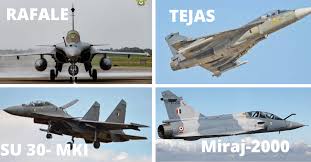
Alliance Building. Defence agreements involving fighter jets are instrumental in solidifying alliances. The procurement of these aircraft often necessitates long-term agreements that go beyond a simple arms transaction. Training programs, maintenance support, and logistical cooperation ensure sustained engagement between supplier and recipient nations. For instance, the U.S. sale of F-35 fighters to NATO allies strengthens collective defence, while India’s collaboration with France on the Rafale program deepens bilateral ties.


Economic Impact. Fighter aircraft programs play a crucial role in economic development for exporting and recipient nations. Manufacturing these sophisticated platforms generates high-skilled jobs, fosters technological innovation, and stimulates the defence industry. For importing nations, participation in joint ventures or localised production can help build a domestic aerospace sector, reducing long-term dependence on foreign suppliers and fostering economic self-reliance.


Technological Sharing. Collaborative fighter programs provide an avenue for technological transfer, enabling recipient nations to develop indigenous capabilities. By engaging in co-development projects, such as India’s involvement with Russia on the Su-30MKI or Japan’s partnership with the U.K. and Italy on the next-generation fighter program, nations acquire critical knowledge in avionics, stealth technology, and aerospace engineering. This reduces reliance on foreign manufacturers and strengthens national security.


Geopolitical Dimensions of Fighter Exports

Fighter aircraft exports are deeply intertwined with the geopolitical strategies of major military powers. Beyond economic gains, these transactions serve as instruments of influence, shaping alliances, regional security dynamics, and global power structures. Exporting fighters enables nations to strengthen partnerships, enforce strategic conditions, and maintain regional balances of power.


Exporting Influence. Fighter aircraft exports are often tied to the exporting nation’s broader geopolitical objectives. The U.S. dominates global fighter exports, offering aircraft such as the F-16, F-15, and F-35. These sales typically include conditions that align recipient nations with U.S. strategic goals, such as interoperability with NATO forces and adherence to U.S.-led arms control policies. For example, selling F-35 fighters to NATO allies and Gulf Cooperation Council (GCC) states strengthens collective security frameworks and reinforces U.S. influence in these regions. On the other hand, Russian fighter exports, including the Su-30, Su-35, and MiG-29, play a crucial role in Moscow’s foreign policy. Russia leverages these sales to sustain its geopolitical clout in South Asia, Africa, and the Middle East. India’s long-standing acquisition of Su-30MKI fighters exemplifies this strategic relationship, ensuring continued defence cooperation between the two nations. China is emerging as a formidable player in the fighter export market. The JF-17 Thunder, co-developed with Pakistan, exemplifies Beijing’s ambitions to challenge U.S. and Russian dominance. With its affordability and modularity, the JF-17 has gained traction among developing nations seeking capable yet cost-effective fighter platforms.


Export Restrictions and Conditionality. Exporting nations often impose restrictions to safeguard their strategic interests and limit the recipient’s operational autonomy. Exporting nations usually restrict access to critical fighter technologies to prevent potential adversaries from gaining sensitive capabilities. This limitation affects recipient nations that seek to develop indigenous aerospace industries but must navigate restrictions on advanced avionics, stealth technology, and weapon systems. The U.S. enforces strict end-user agreements to regulate how exported fighters are used and resold. For instance, Turkey’s removal from the F-35 program following its purchase of Russia’s S-400 air defence system underscores the geopolitical stakes of such agreements.


Regional Balance of Power. Fighter aircraft exports significantly influence regional security landscapes. Exporting nations frequently calibrate their sales to maintain a delicate balance and prevent regional destabilisation. The U.S. sells advanced fighters like the F-15 and F-35 to Saudi Arabia and Israel. While supporting GCC states against Iran, Washington ensures that Israel retains a qualitative military edge through exclusive access to superior variants and additional defence systems. Russia’s fighter sales to India and China highlight its efforts to balance relationships with two regional powers with a complex strategic rivalry. By equipping both nations with advanced aircraft, Moscow maintains leverage while preventing either from becoming overly dependent on Western defence suppliers.


Joint Ventures: A Collaborative Approach.

Joint ventures in fighter aircraft development represent a strategic approach to balancing technological advancement, economic efficiency, and national security interests. Participating nations can foster technological independence by sharing costs, risks, and expertise while strengthening geopolitical alliances. These collaborations play a crucial role in shaping the global defence landscape.


Technology Sharing and Sovereignty. Joint fighter development programs enable nations to develop cutting-edge aircraft while enhancing domestic aerospace capabilities. Notable examples include. A collaboration between Germany, the UK, Italy, and Spain, the Eurofighter Typhoon exemplifies how nations can pool resources to produce a world-class multirole fighter. The program has enhanced European defence capabilities and reinforced industrial cooperation among partner nations. A joint project between Pakistan and China, the JF-17 Thunder allowed Pakistan to develop an affordable and capable fighter while gaining valuable experience in aircraft manufacturing. This partnership has strengthened Pakistan’s aerospace industry, reducing reliance on Western suppliers.


Geopolitical Complications. Despite their advantages, joint ventures are often complex and fraught with challenges. Competing interests among partner nations can lead to inefficiencies, delays, and disputes over work share. For instance, the Eurofighter program experienced significant delays due to disagreements over each partner’s production priorities and technological contributions. Nations involved in joint ventures may have differing operational requirements or export policies, leading to complications in decision-making. Varying national security interests can hinder smooth cooperation and affect the program’s long-term success.


Emerging Collaborations. New joint ventures reflect the evolving nature of global defence partnerships and the push for technological superiority. A Franco-German-Spanish initiative aimed at developing a 6th-generation fighter, FCAS underscores Europe’s desire for strategic autonomy in military aviation. The program will integrate next-generation technologies such as AI, stealth, and advanced networking capabilities. Led by the UK in collaboration with Italy and Japan, the Tempest program highlights the growing trend of non-U.S. defence collaborations. This initiative aims to develop a highly advanced fighter with state-of-the-art avionics, weaponry, and data fusion technologies, demonstrating a shift in defence cooperation beyond traditional alliances.


Challenges in Fighter Exports and Joint Ventures

Exporting fighter aircraft and international joint ventures in military aviation face significant challenges. These range from economic constraints and technological dependencies to political risks and intense competition. Each of these factors shapes the global fighter aircraft market and influences the success of such programs.


Economic Constraints. Modern fighter jets are prohibitively expensive, limiting their affordability for many nations. A single advanced multirole fighter can cost tens or even hundreds of millions of dollars, not including operational and maintenance expenses. Exporters often offer financing options, leasing arrangements, or government-backed subsidies to mitigate this. However, these financial mechanisms can strain national budgets and face domestic political scrutiny. For instance, India’s procurement of Dassault Rafale jets from France was marred by alleged controversy over pricing, alleged favouritism, and offset agreements. Such economic considerations can delay or cancel deals, affecting both export and importers.


Technological Dependencies. Fighter aircraft exports often create long-term dependencies on the supplying nation for maintenance, spare parts, and upgrades. This dependence extends to software updates, weapons integration, and operational training. The geopolitical implications of such dependencies can be significant, as the exporter retains leverage over the recipient. For example, many nations operating American-made fighters must seek U.S. approval for upgrades or modifications, restricting their operational autonomy. Similarly, India’s reliance on Russian aircraft like the Su-30MKI has led to logistical challenges due to The Russia-Ukraine war and Western sanctions on Russia, disrupting the supply of critical components.


Political Risks. Defence cooperation and fighter exports are susceptible to shifts in political leadership and international alliances. Changes in foreign policy or diplomatic disputes can abruptly halt ongoing programs. The United States’ decision to exclude Turkey from the F-35 Joint Strike Fighter program after Ankara purchased the Russian S-400 missile system exemplifies how political disagreements impact military collaboration. Such disruptions affect the purchasing nation and have economic and strategic consequences for the supplier.


Export Competition. The global fighter jet market is fiercely competitive, with the U.S., Russia, China, and France among the key players. Nations engage in aggressive marketing, offering attractive offset deals, technology transfers, and financing packages to secure contracts. The competition is further intensified by geopolitical alignments, with countries often choosing suppliers based on broader strategic partnerships rather than purely technical or economic factors. Fighter exports are highly competitive, with nations like the U.S., Russia, China, and France vying for market dominance. This competition can lead to aggressive marketing tactics and the provision of offset deals to sweeten contracts.


The Future of Fighter Exports and Joint Ventures

The landscape of fighter exports and joint ventures is set to evolve significantly, driven by technological advancements, the rise of new defence players, and shifting geopolitical dynamics.


Sixth-Generation Fighters. The development of sixth-generation fighters will reshape the geopolitics of fighter exports. Nations investing in advanced capabilities such as artificial intelligence, stealth, and directed-energy weapons will dominate future markets. Programs like NGAD (U.S.), FCAS (Europe), Tempest (UK-Japan-Italy), and the HAL CATS Program highlight the race to define the next generation of air power. These aircraft will demand extensive collaboration and significant financial investments, potentially altering traditional supplier-recipient relationships.


Regional Players. Emerging defence producers like South Korea (KF-21 Boramae) and India (Tejas MK2, AMCA) are entering the global market, challenging established exporters. These nations aim to reduce reliance on imports while expanding their geopolitical influence through exports. Their ability to offer cost-effective alternatives and localised production incentives could shift market dynamics and disrupt the dominance of traditional suppliers like the U.S., Russia, and France.


Unmanned Combat Aerial Vehicles (UCAVs). The growing adoption of UCAVs presents a parallel trend in fighter exports. Nations like Turkey (Bayraktar TB2) and Israel (Heron, Harop) have already established themselves as leaders in this field, with significant geopolitical implications. As unmanned systems become more capable and cost-effective, they may replace or complement traditional manned fighters, leading to a worldwide shift in defence procurement strategies.


Realignments. As global power shifts, fighter exports and joint ventures reflect new alliances and rivalries. The U.S.-China competition, the rise of multipolarity, and regional conflicts will shape the market’s future dynamics. Countries will increasingly seek defence partnerships that align with their strategic interests, making flexibility and technology-sharing critical for successful export programs.


Conclusion

The geopolitics of fighter exports and joint ventures is a multifaceted domain where technology, economics, and strategy converge. As nations pursue advanced capabilities and seek to bolster their influence, fighter programs will continue to serve as instruments of diplomacy, deterrence, and power projection. The interplay of competition and collaboration in this field will shape the future of airpower and the broader contours of international relations.


Please Do Comment.


1879
Default rating

Please give a thumbs up if you  like The Post?


Link to the article on the website:-

The Geopolitics of Fighter Exports and Joint Ventures

For regular updates, please register your email here:-

Subscribe


References and credits

To all the online sites and channels.

Pics Courtesy: Internet

Disclaimer:

Information and data included in the blog are for educational & non-commercial purposes only and have been carefully adapted, excerpted, or edited from reliable and accurate sources. All copyrighted material belongs to respective owners and is provided only for wider dissemination.


References:-

  1. Bitzinger, R. A. (2008). “The Global Arms Trade: The Shifting Strategic Landscape.” Survival, 50(2), 55-68.
  1. Eriksson, M. (2021). “The Mirage of European Defence Autonomy: Fighter Jet Collaboration and Transatlantic Tensions.” Journal of Strategic Studies, 44(5), 767-789.
  1. Gilli, A., & Gilli, M. (2019). “Why China Has Not Caught Up Yet: Military-Technological Superiority and the Limits of Imitation, Reverse Engineering, and Cyber Espionage.” International Security, 43(3), 141-189.
  1. Taylor, T. (2013). “Offsets, Technology Transfer, and Defense Industrialization: The Case of India’s Fighter Jet Programs.” Defense & Peace Economics, 24(5), 453-472.
  1. Stockholm International Peace Research Institute (SIPRI). (2024). Trends in International Arms Transfers.
  1. European Union Institute for Security Studies (EUISS). (2023). The Future of European Fighter Jet Collaboration: FCAS vs. Tempest.
  1. Indian Ministry of Defence. (2023). Defence Production and Export Policy 2023.
  1. China’s State Administration for Science, Technology, and Industry for National Defense (SASTIND). (2023). China’s Defense Industrial Reforms and Export Strategies.
  1. The Diplomat. (2023). “China’s Fighter Jet Exports: How JF-17 and FC-31 Are Changing the Market.”
  1. Hartley, K. (2014). The Economics of Defence Policy: A New Perspective. Routledge.
  1. Bitzinger, R. A. (2017). Arming Asia: Technonationalism and the Dynamics of Defence Industrialization. Routledge.
  1. Sapolsky, H. M., Gholz, E., & Kaufman, A. (2009). US Defense Politics: The Origins of Security Policy. Routledge.
English हिंदी