
726: Stealth and Counter Stealth Technologies


Presented my views While Chairing a session on Counter Stealth Technologies during the “Best Practices Meet 2025” organised by the Data Security Council of India on 21 Aug 25.


STEALTH AND COUNTER-STEALTH TECHNOLOGIES


Stealth Technology Overview

Stealth technology enhances aircraft survivability by reducing detectability across radar, infrared (IR), acoustic, and visual spectrums, not rendering aircraft invisible but lowering signatures to complicate enemy detection and targeting. Key techniques include:

    • Radar Cross-Section (RCS) Reduction: Achieved through aerodynamic shaping and radar-absorbent materials (RAM).
    • Infrared (IR) Suppression: Minimises heat signatures from engines and airframes.
    • Acoustic and Visual Reduction: Reduces noise and visual detectability.
    • Electronic Countermeasures (ECM): Jamming and deception disrupt enemy sensors. Examples include the F-22, F-35, and B-2, which aim to delay or complicate enemy interception. Stealth evolves with advanced RAM, active stealth, and hypersonic/unmanned designs, sustaining an ongoing offence-defence race.


Challenges in Countering Stealth Aircraft

    • Detection vs. Targeting: Low-frequency radars (VHF/UHF/OTH) detect stealth aircraft but lack precision for targeting. High-frequency radars offer accuracy but struggle against stealth designs.
    • Electronic Warfare (EW): Stealth platforms deploy jamming, deception, and cyber-attacks to disrupt sensors and defence networks.
    • Operational Limitations: Terrain, weather, electromagnetic interference, and sensor fusion complexities hinder counter-stealth efforts.


Stealth Vulnerabilities

    • Broadband Detection: Stealth is optimised for specific radar bands (e.g., X-band), but broadband, low-frequency, and multi-static radars exploit larger RCS at longer wavelengths.
    • Operational Emissions: IR and electromagnetic emissions remain detectable by passive sensors and advanced EW, despite suppression efforts.
    • Environmental Factors: Rain, ice, dust, and temperature variations degrade stealth coatings, increasing detectability.
    • Data Fusion: AI-driven sensor fusion integrates radar, IR, and electromagnetic data, challenging stealth’s low-observable nature.


Key Counter-Stealth Technologies

  1. Low-Frequency Radars (VHF/UHF)
    • Mechanism: Operate in the 30 MHz–3 GHz range, exploiting larger RCS where RAM and shaping are less effective.
    • Examples: Russia’s Nebo-M, China’s JY-27A, India’s Rohini.
    • Effectiveness: Ideal for long-range early warning but limited in targeting precision, requiring integration with high-frequency radars or IRST.
    • Limitations: Susceptible to clutter, less accurate for weapon guidance, vulnerable to ECM.
  2. Passive Radar Systems
    • Mechanism: Detect reflections of ambient signals (e.g., FM radio, TV, cellular) or emissions like engine noise.
    • Examples: Czech VERA-NG, U.S. Silent Sentry.
    • Effectiveness: Resistant to jamming, ideal for covert detection in high-signal environments.
    • Limitations: Dependent on ambient signal availability, requires complex signal processing and dense sensor networks.
  3. Infrared Search and Track (IRST)
    • Mechanism: Detects heat signatures from engines or airframe friction, bypassing radar-based stealth.
    • Examples: Russian Su-35, Chinese J-20 (up to 50 km range).
    • Effectiveness: Immune to RAM, complements radar in multi-sensor networks.
    • Limitations: Weather-dependent (clouds, rain, humidity) and limited range compared to radar.
  4. Multi-Static Radar Networks
    • Mechanism: Use multiple transmitters/receivers to detect scattered signals from various angles, countering stealth’s angle-specific designs.
    • Examples: Russia’s Nebo-M, UK’s CELLDAR.
    • Effectiveness: Increases detection probability by exploiting reflections missed by monostatic radars.
    • Limitations: Requires sophisticated infrastructure and signal processing.
  5. AI-Powered Sensor Fusion
    • Mechanism: Integrates radar, IR, acoustic, and passive sensor data to create a comprehensive battlespace picture, using AI to identify patterns and reduce false positives.
    • Examples: U.S. and Chinese air defence networks.
    • Effectiveness: Enhances detection accuracy, predicts flight paths, and mitigates single-sensor weaknesses.
    • Limitations: Requires significant computational resources, vulnerable to cyber-attacks.
  6. Over-the-Horizon (OTH) Radars
    • Mechanism: Use low-frequency HF/VHF signals reflected off the ionosphere for long-range detection.
    • Examples: Russia’s Container, China’s Skywave, Australia’s Jindalee.
    • Effectiveness: Bypasses line-of-sight limitations for early warning.
    • Limitations: Low resolution, susceptible to ionospheric disturbances, and limited targeting precision.
  7. Quantum Radar (Emerging)
    • Mechanism: Uses quantum entanglement for high-sensitivity detection of subtle disturbances.
    • Examples: Under development in China and the U.S.
    • Effectiveness: Potentially revolutionary, capable of detecting low-observable targets through RAM.
    • Limitations: Experimental, requiring ultra-low temperatures and robust systems, with deployment years away.
  8. Directed Energy Weapons (DEWs)
    • Mechanism: High-energy lasers/microwaves disrupt stealth aircraft sensors, coatings, or electronics.
    • Examples: U.S. and NATO programs.
    • Effectiveness: Near-instantaneous, cost-effective engagement, degrades stealth capabilities.
    • Limitations: Limited by range, atmospheric conditions, and power requirements.
  9. Space-Based Sensors
    • Mechanism: Satellites with IR and synthetic aperture radar (SAR) detect heat signatures and track stealth aircraft globally.
    • Examples: U.S. Space-Based Infrared System (SBIRS).
    • Effectiveness: Persistent surveillance, immune to terrain limitations.
    • Limitations: High cost, vulnerable to anti-satellite weapons, and data processing challenges.
  10. Hypersonic Defence Systems
    • Mechanism: High-speed interceptors with multi-mode seekers (radar, IR, quantum) engage stealth aircraft.
    • Examples: Emerging U.S. and Russian systems.
    • Effectiveness: Reduces reaction time, counters stealth penetration.
    • Limitations: High cost and technological complexity.


Case Studies in Counter-Stealth Operations

  • 1999 Kosovo War: Serbian S-125 SAM downed an F-117 using low-frequency radar, electronic intelligence, and visual observation, exposing early stealth vulnerabilities.
  • U.S.: Integrates low-frequency radars (AN/TPS-77), AI, sensor fusion, and space-based systems (Aegis, SBIRS) for networked defence.
  • Russia: Uses OTH radars (Rezonans-NE), IRST, and multi-band systems (S-400/S-500) to track stealth aircraft in Syria.
  • China: Advances quantum radar, passive systems (DWL002), and VHF/UHF radars (JY-27A) to counter U.S. stealth in the Indo-Pacific.
  • India: Employs S-400, indigenous radars (Rohini, Arudhra), and networked defences, with interest in quantum radar and AI.


Effectiveness of Counter-Stealth Technologies

No single technology neutralises stealth aircraft, but integrated air defence systems (IADS) combining low-frequency radars, IRST, passive systems, and AI-driven sensor fusion significantly reduce stealth effectiveness. Examples include Russia’s S-400/S-500 and China’s Type 055 destroyer. The 1999 F-117 shootdown demonstrated vulnerabilities to coordinated low-frequency and passive detection tactics.


Operational Challenges:

    • Detection vs. Targeting: Low-frequency and OTH radars excel at detection but lack targeting precision, requiring integration with high-frequency radars or IRST.
    • Environmental Factors: Weather, terrain, and electromagnetic interference degrade IRST and passive system performance.
    • Stealth Adaptability: Advanced materials (e.g., China’s ultra-thin RAM) and ECM keep stealth ahead of detection.
    • Cost and Complexity: Quantum radar and space-based sensors are expensive and infrastructure-intensive, limiting adoption.


Future Trends

    • Space-Based Detection: Satellites with IR/SAR enhance global surveillance, challenging stealth aircraft.
    • Hypersonic Interceptors: High-speed missiles with multi-mode seekers counter stealth penetration.
    • Directed Energy Weapons: Lasers/microwaves disrupt stealth electronics and coatings, offering cost-effective engagement.
    • Quantum Radar: Could render current stealth designs obsolete if practical challenges are overcome.
    • AI and Distributed Networks: AI-driven sensor fusion and dispersed sensor grids create resilient detection systems.


Strategic Implications

    • Tactical Shift: Counter-stealth advancements may push reliance on stand-off weapons, unmanned systems, or EW. Stealth aircraft may operate with drones (e.g., NGAD’s “loyal wingman”) to misdirect detection.
    • Cost-Benefit Analysis: High costs of stealth platforms (e.g., F-35 at $100M+ per unit) may shift investments to hypersonic weapons, DEWs, or drones if counter-stealth systems achieve parity.
    • Geopolitical Dynamics: The U.S. pursues stealth supremacy (NGAD, F/A-XX), while China and Russia counter with advanced detection, driving an arms race with innovation and escalation risks.
    • Future Warfare: Cyber warfare, space-based detection, and AI-driven autonomy will redefine air combat, emphasising multi-domain integration.


Added Value: Insights and Perspectives

    • Cat-and-Mouse Game: The stealth-counter-stealth race mirrors historical armour vs. anti-tank dynamics. Advancements like metamaterials and adaptive camouflage prompt countermeasures like quantum radar and AI-driven detection, ensuring no permanent dominance.
    • Role of AI and Autonomy: AI enables real-time radar adaptation, predictive analytics, and autonomous sensor grids, shifting human roles to supervisory functions.
    • Economic and Strategic Trade-offs: Developing nations like India prioritise cost-effective solutions (e.g., low-frequency radars), while wealthier nations pursue high-risk technologies (e.g., quantum radar), potentially widening technological gaps.
    • Environmental Realities: IRST and OTH radar performance varies with conditions, requiring AI-driven adaptability for consistent effectiveness.
    • Emerging Disruptors: Quantum radar and DEWs could revolutionise air defence but face technical hurdles like power requirements and environmental sensitivity.
    • Geopolitical Implications: China’s counter-stealth radar in the South China Sea, Russia’s S-400/S-500, and India’s balancing act highlight regional tensions driven by stealth-counter-stealth competition.
    • Ethical Considerations: AI and autonomous systems raise risks of misidentification and escalation, while proliferation to non-state actors could destabilise global security.


Conclusion

The arms race between stealth and counter-stealth defines modern air warfare. Stealth technology, exemplified by platforms like the F-22 and F-35, provides a tactical edge through RCS reduction, IR suppression, and ECM. However, counter-stealth innovations—low-frequency radars, IRST, passive systems, AI-driven sensor fusion, and emerging quantum radar—are narrowing this advantage. Integrated air defence systems (e.g., S-400, Type 055) combine these technologies for robust detection. Sixth-generation fighters (e.g., NGAD, J-36) will integrate AI, drones, and adaptive materials to counter evolving defences. Future success depends on multi-domain integration of AI, space-based sensors, DEWs, and autonomous systems. Environmental, economic, and geopolitical constraints will shape adoption, while the interplay between stealth and counter-stealth will redefine air superiority and global military balances, demanding continuous innovation and strategic foresight.


Please Add Value to the write-up with your views on the subject.


2193
Default rating

Please give a thumbs up if you  like The Post?


For regular updates, please register your email here:-

Subscribe


References and credits

To all the online sites and channels.

Pics Courtesy: Internet

Disclaimer:

Information and data included in the blog are for educational & non-commercial purposes only and have been carefully adapted, excerpted, or edited from reliable and accurate sources. All copyrighted material belongs to respective owners and is provided only for wider dissemination.


References:-

  • Sweetman, B. Stealth Aircraft: Secrets of Future Airpower. St. Paul, MN: Zenith Press, 2012.

  • Pace, S. The B-2 Spirit Stealth Bomber. Minneapolis: Motorbooks International, 1999.

  • Knott, E. F., Shaeffer, J. F., & Tuley, M. T. Radar Cross Section. 2nd ed. Raleigh: SciTech Publishing, 2004.

  • Goure, D. “The Limits of Stealth: Challenges of Countering Low Observable Aircraft.” Journal of Military and Strategic Studies, vol. 18, no. 3, 2016, pp. 1–24.

  • Watts, B. D. “The Role of Stealth Technology in the Air Force’s Future.” Center for Strategic and Budgetary Assessments, 2015.

  • Jivraj, M. “Counter-Stealth Technologies and the Evolving Air Defence Landscape.” Defense & Security Analysis, vol. 32, no. 4, 2016, pp. 289–307.

  • Karber, P. A. “Lessons Learned from the F-117 Shootdown in Kosovo.” Military Review, vol. 80, no. 3, 2000, pp. 51–60.

  • Congressional Research Service. Advanced Military Technology: Emerging Trends and Implications. Washington, D.C.: CRS, 2021.

  • Office of Naval Research. Directed Energy Weapons Roadmap. Washington, D.C.: ONR, 2018.

  • Federation of American Scientists (FAS). “Stealth Technology and Counter-Stealth Radar Systems.” FAS Issue Brief, 2019.

  • RAND Corporation. The Future of Air Combat: Stealth, Counter-Stealth, and Electronic Warfare. Santa Monica, CA: RAND, 2017.

  • Australian Defence Science and Technology Group. Over-the-Horizon Radar and its Implications for Air Defence. Canberra: DSTG, 2018.

  • Chinese Academy of Sciences. Quantum Sensing for Defence Applications. Beijing: CAS, 2020.
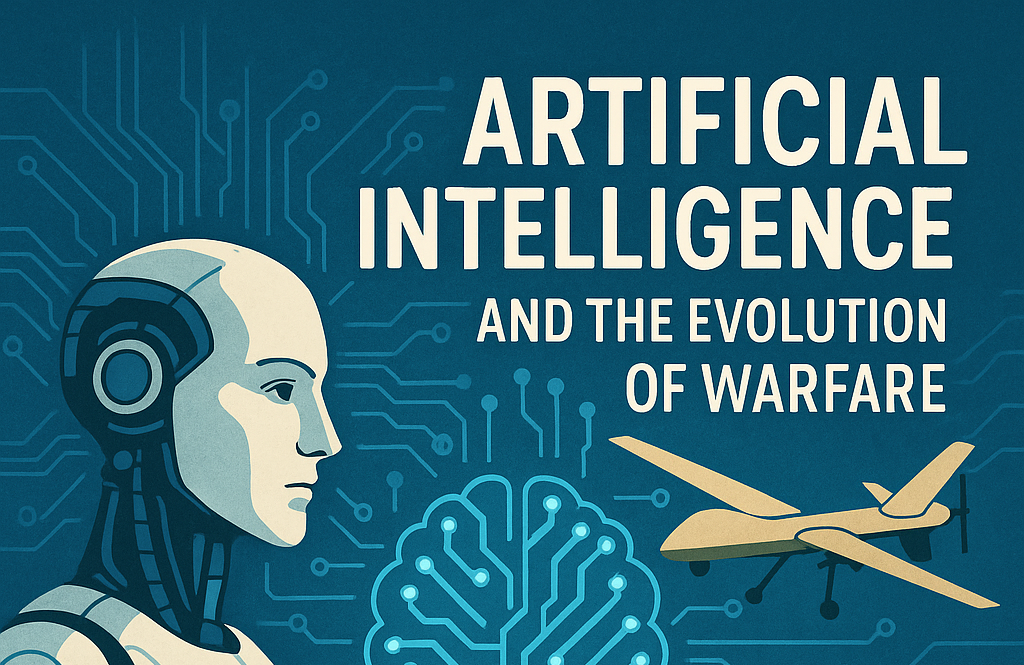
719: ARTIFICIAL INTELLIGENCE-ENABLED AIR FORCES: THE FUTURE OF AERIAL WARFARE


Article Published In the 2025 edition of the Karnataka branch of the Air Force Association Journal.


Integrating Artificial Intelligence (AI) in air forces is revolutionising modern aerial warfare, enhancing combat efficiency, decision-making capabilities, and operational effectiveness. AI-driven technologies are transforming everything from autonomous drones and pilot assistance systems to predictive maintenance and cyber defence. The ongoing advancements in AI are paving the way for next-generation warfare, where speed, precision, and automation play pivotal roles. There is a need to explore the benefits, challenges, and prospects of AI-enabled air forces, as well as examine how militaries worldwide are leveraging AI to gain a strategic advantage in the skies.


AI Applications in Air Warfare.

 Autonomous Combat Drones and Loyal Wingmen. One of the most significant developments in AI-enabled air forces is the use of autonomous combat drones and “loyal wingmen” programs. AI-powered Unmanned Aerial Vehicles (UAVs) can operate independently or in coordination with manned aircraft. The U.S. Air Force’s Skyborg program, Russia’s Okhotnik-B, and India’s CATS Warrior are leading examples of AI-powered aerial combat systems. Key capabilities of AI-enabled drones include autonomous targeting and engagement of enemy aircraft and ground targets, AI-driven reconnaissance for real-time battlefield awareness, and electronic warfare capabilities to disrupt enemy communications and radar. Loyal wingmen, such as Boeing’s MQ-28 Ghost Bat, work alongside fighter jets, assisting in combat while reducing the risk to human pilots.

AI-Assisted Air Combat. AI has also been tested in air-to-air combat scenarios. In 2020, DARPA’s AlphaDogfight Trials demonstrated that an AI-piloted F-16 simulator could outperform an experienced human pilot in dogfighting scenarios. AI-driven fighter jets can make rapid manoeuvring decisions, anticipate enemy tactics, and optimise firing solutions faster than human pilots.

AI Co-Pilot Systems. Modern fighter jets are incorporating AI as a co-pilot to assist human pilots in complex combat scenarios. AI co-pilots can provide real-time threat analysis and countermeasure recommendations, optimise flight paths for maximum efficiency and survivability, and assist in weapons management and target prioritisation. The U.S. Air Force’s Air Combat Evolution (ACE) program is working on integrating AI co-pilots into next-generation fighter aircraft.

AI in Predictive Maintenance and Logistics Optimisation. AI-powered maintenance systems can analyse vast amounts of sensor data to predict mechanical failures before they occur. The Condition-Based Maintenance (CBM+) system helps optimise aircraft maintenance schedules, reducing downtime and improving fleet readiness. AI’s Key benefits in maintenance include minimising unexpected failures, ensuring mission readiness, efficient resource allocation by prioritising high-risk components, and cost savings by reducing unnecessary maintenance.

AI in Air Defence Systems. AI enhances air defence by improving target detection and response times. AI-enabled radar and sensor fusion systems help military forces detect and track multiple airborne threats simultaneously, optimise interception strategies against hypersonic missiles and stealth aircraft, and identify and neutralise threats with minimal human intervention. Systems like Israel’s Iron Dome and Russia’s S-500 Prometheus integrate AI to enhance target prioritisation and engagement.

AI in Electronic Warfare (EW). AI-driven electronic warfare systems can autonomously jam enemy radar and communication networks, adapt to new threats by analysing enemy signals in real-time, and protect friendly assets from cyber and electromagnetic attacks. The U.S. Air Force is actively developing AI-enhanced Electronic Warfare Pods for next-generation combat aircraft.

AI in Mission Planning. AI assists in complex mission planning by analysing real-time battlefield data. Advanced AI systems can generate optimal attack and defence strategies based on situational awareness, adapt plans dynamically as new threats emerge, and reduce commanders’ decision-making time. Programs like Project Maven employ AI to analyse drone surveillance footage, identifying potential threats more efficiently than human analysts. AI-driven battlefield management systems integrate data from multiple sources, including satellites and reconnaissance aircraft, ground-based radars and air defence systems, as well as cyber intelligence reports. This allows commanders to make data-driven decisions in high-pressure combat scenarios.

Swarm Warfare: The Future of Aerial Combat. AI-controlled drone swarms are emerging as a game-changing technology in aerial combat. Swarm tactics involve deploying multiple autonomous drones to overwhelm enemy defences with coordinated attacks, conducting distributed intelligence, surveillance, and reconnaissance (ISR), and executing autonomous electronic jamming and decoy operations. Countries like the U.S., China, and India are actively researching AI-driven drone swarms as a force multiplier in future conflicts.


Advantages and Challenges of AI in Air Forces

 Advantages of AI-Enabled Air Forces. AI-enabled air forces offer numerous advantages, revolutionising modern aerial warfare and operational efficiency. One key benefit is enhanced decision-making, as AI rapidly processes vast amounts of battlefield data to provide real-time intelligence, improving situational awareness and response times. Additionally, AI reduces pilot workload by automating routine tasks, allowing human operators to focus on complex strategic decisions. Combat efficiency is also significantly increased through AI-driven targeting, threat assessment, and autonomous drones that execute missions with precision. Another significant advantage is the reduction of human casualties, as AI-powered unmanned aerial vehicles (UAVs) can conduct high-risk operations without putting pilots at risk. Furthermore, AI optimises maintenance and logistics by predicting equipment failures and streamlining supply chains, reducing downtime and operational costs. These advancements collectively enhance Air Force effectiveness, ensuring superior combat readiness while lowering overall risks and expenses. As AI technology continues to evolve, its role in modern air forces will become increasingly indispensable.

Challenges and Ethical Concerns.  Integrating AI into air forces presents significant challenges and ethical concerns despite its advantages. A major issue is balancing autonomy with human oversight, as fully autonomous AI systems raise questions about accountability and decision-making in combat. Ensuring that AI does not make lethal decisions without human intervention remains a critical concern for policymakers and military leaders. Cybersecurity threats pose risks, as adversaries could manipulate or hack AI-driven systems, leading to catastrophic failures. Additionally, AI bias and errors in target recognition or threat assessment could result in unintended casualties or collateral damage. Another challenge is the potential for AI to accelerate the global arms race

as nations compete to develop more advanced autonomous weapons, raising the risk of destabilisation. Addressing these concerns requires robust regulations, international cooperation, and strict ethical frameworks to ensure AI remains a tool for enhancing security rather than escalating conflicts.

The Future of AI in Air Forces. The future of AI in air forces promises unprecedented advancements, reshaping aerial warfare with enhanced autonomy, precision, and strategic capabilities. Unmanned Combat Aerial Vehicles (UCAVs) will see increased autonomy, enabling them to operate independently or in coordination with manned aircraft in high-risk missions, reducing reliance on human pilots. AI-powered hypersonic weapons guidance systems will enhance missile accuracy, making airstrikes faster and more precise. Additionally, integrating AI with quantum computing will revolutionise data processing, allowing air forces to conduct predictive analytics at unprecedented speeds and improving threat detection, mission planning, and electronic warfare strategies. As AI-driven systems become more sophisticated, militaries will develop advanced counter-AI warfare techniques to neutralise enemy AI assets, ensuring dominance in digital battle spaces. However, as AI’s role expands, ethical and strategic concerns will require careful regulation and oversight. Ultimately, AI will be a cornerstone of future air forces, enabling superior operational efficiency, strategic decision-making, and battlefield dominance while necessitating continued advancements in security, ethics, and control mechanisms.


Conclusion. Artificial Intelligence is fundamentally transforming the landscape of aerial warfare. AI-enabled air forces are becoming faster, more efficient, and increasingly autonomous. From autonomous combat drones and AI co-pilots to predictive maintenance and swarm warfare, AI enhances every aspect of military aviation. However, as nations race to integrate AI into their defence strategies, addressing challenges related to autonomy, cybersecurity, and ethical considerations is crucial. The future of warfare will be shaped by how effectively AI is integrated into the air forces of the world.


Please Add Value to the write-up with your views on the subject.


2193
Default rating

Please give a thumbs up if you  like The Post?


For regular updates, please register your email here:-

Subscribe


References and credits

To all the online sites and channels.

Pics Courtesy: Internet

Disclaimer:

Information and data included in the blog are for educational & non-commercial purposes only and have been carefully adapted, excerpted, or edited from reliable and accurate sources. All copyrighted material belongs to respective owners and is provided only for wider dissemination.


References:-

  1. Gady, Franz-Stefan. “AI, Autonomy, and Airpower: Future Directions in Military Aviation.” International Institute for Strategic Studies (IISS), 2022.
  1. Roff, Heather M. “The Strategic Implications of Lethal Autonomous Weapon Systems.” RAND Corporation, 2016.
  1. Lockheed Martin. AI and Autonomy in Next-Generation Fighter Jets. Lockheed Martin Corporation, 2022.
  1. DARPA (Defence Advanced Research Projects Agency). Algorithmic Warfare and AI-Powered Air Combat. U.S. Department of Defence, 2021.
  1. RAND Corporation. The Future of Unmanned Aerial Vehicles and AI Integration. RAND Research Report, 2022.
  1. B Prakash, AI and the Future of Air Combat in India, MP-IDSA, 2022.

Industry & Technology Reports

  1. Trevithick, Joseph. “The U.S. Air Force’s AI-Powered ‘Skyborg’ Drone: A Game Changer?” The War Zone, 2021.
  1. Ackerman, Evan. “AI Pilots Now Outperform Human Fighter Pilots in Simulated Dogfights.” IEEE Spectrum, 2022.
  1. Johnson, David. “China’s AI-Enabled Aerial Warfare: Capabilities and Implications.” Defence One, 2023.
  1. Cummings, Mary L. Human-Autonomy Teaming: Issues and Challenges for AI in Military Operations. CRC Press, 2021.
  1. Scharre, Paul. Army of None: Autonomous Weapons and the Future of War. W.W. Norton & Company, 2018.

718: INDIA’S HUMAN SPACEFLIGHT REVIVAL: A STRATEGIC LEAP IN THE GLOBAL SPACE RACE


Article Published in the Aug 25 edition of

the “News Analytics” Journal.


On June 25, 2025, India marked a historic milestone in its space exploration journey when Group Captain Shubhanshu Shukla, a distinguished Indian Air Force (IAF) test pilot, soared into orbit aboard the Axiom-4 (Ax-4) mission. As the second Indian astronaut to reach space and the first to visit the International Space Station (ISS), Shukla’s achievement, 41 years after Wing Commander Rakesh Sharma’s 1984 flight aboard a Soviet Soyuz, signifies India’s triumphant return to human spaceflight. The Ax-4 mission, a collaborative effort involving NASA, the Indian Space Research Organisation (ISRO), the European Space Agency (ESA), and Axiom Space, underscores India’s ambition to become a global space power. This milestone is a pivotal step for the Gaganyaan program, India’s first indigenous human spaceflight initiative, and reflects its broader strategic vision in a rapidly evolving space race.


Shubhanshu Shukla: A National Icon. Born on October 10, 1985, in Lucknow, Group Captain Shukla is a seasoned IAF test pilot with over 2,000 hours of flight experience on aircraft like the Su-30 MKI, MiG-21, and Jaguar. Commissioned in 2006 after graduating from the National Defence Academy with a Bachelor’s in computer science, he later earned a Master’s in aerospace engineering from the Indian Institute of Science. As the mission pilot for Ax-4, launched on a SpaceX Falcon 9, Shukla monitored flight systems, supported docking, and ensured crew safety during the 28-hour journey to the ISS.

Axiom-4: A Landmark in Collaboration. Launched from NASA’s Kennedy Space Centre, Ax-4, led by veteran astronaut Peggy Whitson, included mission specialists from Poland and Hungary, marking their return to human spaceflight after decades. The 14 – to 21-day mission involves over 60 experiments from 31 countries. India’s seven experiments focus on microgravity plant growth (fenugreek and green gram), microbial behaviour, muscle regeneration, and tardigrade resilience, advancing space agriculture, biotechnology, and health sciences for long-duration missions and Earth applications. The mission reflects a shift toward commercial spaceflight. A 2024 U.S.-India agreement allocated a NASA seat to ISRO, enabling NASA to prioritise deep-space missions while Axiom Space manages low Earth orbit operations. For India, Ax-4 provides operational experience, de-risking Gaganyaan and enhancing ISRO’s capabilities.


The New Space Race: A Multipolar Frontier

The 21st century has transformed space from a realm of scientific exploration into a strategic arena of geopolitical rivalry, commercial opportunity, and national interest. Once dominated by superpowers vying for prestige through moon landings, space is now a multipolar landscape where the United States, China, Russia, India, and private entities compete for influence, profit, and security. The stakes are high, encompassing military capabilities, resource extraction, and technological supremacy, as nations and companies race not just to explore but to shape the future.

Military Stakes: The Weaponisation. Space is increasingly militarised, with nations developing anti-satellite (ASAT) weapons, directed energy systems, and cyber tools to disrupt critical assets like GPS, reconnaissance, and communication satellites. The U.S., China, and Russia have tested ASAT capabilities, while India demonstrated its prowess with a 2019 ASAT test. The doctrine of “space deterrence” is now integral to defence strategies, with satellite resilience and redundancy becoming priorities. Orbital debris from such tests poses a threat to commercial satellites and international cooperation, yet the absence of binding global norms heightens the risk of escalation.

Long-Term Gains: Technology, Resources, and Influence. Space exploration drives innovation in AI, robotics, materials science, and propulsion, bolstering national competitiveness. Breakthroughs in hypersonics, nuclear propulsion, and in-situ resource utilisation (ISRU) could revolutionise defence and interplanetary travel, with civilian applications enhancing industrial leadership. Resources like lunar helium-3, a potential fusion fuel, and asteroid metals critical for electronics offer economic promise. Diplomatically, space power translates to geopolitical influence. Navigation systems like GPS, Galileo, and BeiDou confer strategic leverage.

Commercial Momentum: A New Gold Rush. The commercialisation of space is a transformative trend. Companies like SpaceX, Blue Origin, Virgin Galactic, and OneWeb are pioneering technologies that redefine access to orbit. Reusable rockets have slashed launch costs, satellite mega-constellations like Starlink provide resilient communication, and space tourism is becoming a reality. Lunar and asteroid mining, although still in its early stages, promises access to resources such as helium-3 and rare metals, potentially reshaping the global economy. The 2015 U.S. Commercial Space Launch Competitiveness Act, allowing private entities to claim celestial resources, has sparked debates over international space treaties, raising concerns about monopolisation and governance.


Global Players in the Space Race

United States: Sustained Dominance. The United States has maintained its space superiority since the Apollo era. However, its focus has shifted from symbolic missions to systemic control in recent years. NASA’s Artemis program, which aims to return astronauts to the Moon and eventually launch a mission to Mars, reflects scientific ambition and a strategic desire to secure permanent infrastructure beyond Earth. At the same time, the U.S. Space Force, established in 2019 as the sixth branch of the U.S. military, demonstrates an explicit acknowledgement that space is now a warfighting domain. Beyond governmental initiatives, U.S. strategy heavily relies on public-private collaboration. SpaceX, in particular, has revolutionised launch technology with reusable rockets, significantly reducing costs and increasing launch frequency. These capabilities not only benefit commercial goals but also provide logistical and tactical advantages in a military context. The deployment of Starlink,  A satellite internet constellation, offers dual-use utility, with the potential to provide secure communications during terrestrial conflicts, as seen in Ukraine.

China: The Strategic Challenger. China has emerged as the most formidable challenger to U.S. dominance in space. With the Chinese Communist Party’s state-backed, long-term strategic planning, space is central to China’s ambitions to become a global superpower. The China National Space Administration (CNSA) has launched missions to the Moon (Chang’e series), Mars (Tianwen-1), and built its space station, Tiangong, in low Earth orbit. China’s doctrine emphasises “civil-military fusion,” integrating civilian scientific missions with military readiness. The BeiDou satellite navigation system is a clear example, providing independence from U.S.-controlled GPS and enhancing the precision of China’s missile systems. China has also demonstrated anti-satellite (ASAT) capabilities, raising concerns about the weaponisation of space. In 2007, its successful ASAT test against one of its satellites marked a turning point in the strategic perception of space conflict.

Russia: Resilient Legacy. Russia’s space program, led by Roscosmos, builds on its Soviet-era legacy with reliable Soyuz rockets and extensive experience in crewed missions. The Luna-25 mission, though unsuccessful in 2023, reflects ongoing lunar ambitions, while partnerships with China on the International Lunar Research Station signal strategic alignment. Russia’s anti-satellite (ASAT) capabilities and GLONASS navigation system underscore its focus on maintaining military and technological influence in space.


India: The Cost-Effective Contender

India has become a rising space power through its cost-effective and technologically ambitious missions. The Indian Space Research Organisation (ISRO) has demonstrated its capacity with landmark missions such as Chandrayaan (Moon), Mangalyaan (Mars), and most recently, Chandrayaan-3, which made India the first country to land on the Moon’s South Pole. With its 2019 Mission Shakti ASAT test, India joined the exclusive club of nations capable of disabling satellites in orbit, underscoring its intention not only to explore space but also to defend its national interests there. As India plans its first crewed mission (Gaganyaan), its space ambitions are increasingly aligned with long-term geopolitical calculus.

Gaganyaan: India’s Indigenous Leap. Scheduled for 2027, Gaganyaan aims to send three astronauts to a 400-kilometer orbit for three days, showcasing India’s independent human spaceflight capability. Shukla, alongside Group Captains Prasanth Balakrishnan Nair, Ajit Krishnan, and Angad Prathap, trained in Russia and Bengaluru. ISRO’s development of a human-rated launch vehicle (HLVM3), life support systems, and precursor missions, such as the Space Docking Experiment (SpaDeX) and PS4-Orbital Experiment Module (POEM-4), ensures readiness. Shukla’s Ax-4 docking experience will refine Gaganyaan’s operations.

Strategic Vision and Global Impact. Gaganyaan is a cornerstone of India’s ambitions, including the establishment of the Bharatiya Antariksh Station (BAS) by 2035, with its first module launching in 2028, and a lunar mission by 2040. Engaging over 500 Micro, Small, and Medium Enterprises (MSMEs), ISRO aims to capture 8% of the global space market by 2033, building a $44 billion space economy and positioning India among elite spacefaring nations. Ax-4 reflects India’s strategy of balancing indigenous development with international collaboration. The mission’s hands-on experience prepares ISRO for BAS and lunar goals while elevating India’s global standing.


Conclusion

Space is no longer a remote frontier of science fiction; it is the ultimate high ground in a multipolar world. Whether through state actors racing to establish dominance, private companies transforming exploration into enterprise, or militaries securing orbital advantage, the dynamics of space are shaping the 21st-century balance of power. Group Captain Shubhanshu Shukla’s Ax-4 mission marks a new chapter in India’s space journey. By carrying the Indian flag to the ISS, he paves the way for Gaganyaan, BAS, and lunar ambitions. Rooted in global collaboration and strategic vision, the mission positions India as a rising space power. As Shukla declared, “This is the beginning of India’s human spaceflight,” a call to action for a nation poised to touch the stars with glory.


Please Add Value to the write-up with your views on the subject.


2193
Default rating

Please give a thumbs up if you  like The Post?


For regular updates, please register your email here:-

Subscribe


References and credits

To all the online sites and channels.

Pics Courtesy: Internet

Disclaimer:

Information and data included in the blog are for educational & non-commercial purposes only and have been carefully adapted, excerpted, or edited from reliable and accurate sources. All copyrighted material belongs to respective owners and is provided only for wider dissemination.


References:-


  1. Johnson, M. (2024, August 15). NASA and ISRO Announce Joint Collaboration on Axiom-4 Mission. NASA Press Release.


  1. Indian Space Research Organisation (ISRO). (2025). Gaganyaan Programme: Human Spaceflight Mission.


  1. Press Trust of India. (2025, June 26). Group Captain Shubhanshu Shukla Becomes Second Indian in Space Aboard Ax-4 Mission—The Times of India.


  1. European Space Agency (ESA). (2025). Ax-4 Mission: International Collaboration and Scientific Experiments.


  1. The Hindu. (2025, June 25). Shukla’s Space Journey: From Lucknow to the ISS.


  1. SpaceX. (2025). Falcon 9 and Dragon: Axe-4 Mission Profile and Falcon 9 and Dragon spacecraft: Technical specifications.


  1. Indian Institute of Science (IISc). (2025). Microgravity Experiments for Ax-4 Mission.


  1. Press Information Bureau, Government of India. “Cabinet Approves India’s First Human Space Flight Programme Gaganyaan.” Press Release, December 28, 2018.


  1. Prasad, N. (2025, June 27). Group Captain Shukla’s Ax-4 mission: A milestone for India’s Gaganyaan. The Hindu.


  1. Kumar, S. (2025, June 26). Shubhanshu Shukla’s historic flight: India’s return to human spaceflight. The Times of India.


  1. Economic Times. “ISRO Gearing Up for Gaganyaan, Conducts Successful Tests of Crew Module Systems.” ETTech, February 2024.


  1. NDTV Science. “Gaganyaan Mission to be Launched in 2025, Says ISRO Chief.” NDTV.com, January 2025.


  1. United Nations Office for Outer Space Affairs (UNOOSA). “International Cooperation in the Peaceful Uses of Outer Space: India’s Contributions.” UNOOSA Annual Report, 2023.


  1. Xinhua News Agency. (2024, December 10). China’s space ambitions: Tiangong and beyond.


  1. Aliberti, M., & Tugnoli, M. (2016). The Chinese space programme in the public and private spheres. European Space Policy Institute.


  1. Lele, A. (2020). India’s evolving space strategy: From technology demonstration to strategic autonomy. Journal of Asian Security and International Affairs, 7(2), 145–162.


  1. Bharadwaj, A. (2023). India’s rise as a space power: Strategy and symbolism. Observer Research Foundation.
English हिंदी