Air Marshal’s Perspective
(Candid and to the point – काम की बात)
SELF MANAGED BLOG
Hello Readers,
It has been Five years since the blog “Air Marshal’s Perspective” was launched. The idea of the blog is to share the gained knowledge and new learnings.

The tagline of the blog “Candid and to the point / काम की बात”, explains the style adopted. In the times of quick fix (Twenty 20 cricket), everyone wants to know the gist of the issue (as one of my gurus used to say “Just tell me the निचोड़”). The written posts cover the topic in bullet form (two to three pages), with a reading time of 5-7 minutes. The lengthier video bytes have a selective viewing option.
First and foremost thanks to all the readers who read the blog and provide the necessary encouragement to continue blogging.

Topics Covered
|
Leadership, Management, Motivation, and Growth Mindset |
| Decision making |
| Mental toughness |
| Earning respect |
| Good leadership qualities and values |
| Science of Karma |
| Good working culture and environment |
| Listening Skills |
| Be good, feel good |
| Healthy working environment |
| importance of Tolerance |
| Lessons from Buddha |
| The difference between strength and courage |
| Lessons from the rich and famous |
| Leadership lessons from Hollywood movies. |
| Shark in the tank theory of management |
| Car wheel theory of management |
| Aya Ram Gaya Ram syndrome – yes, men. |
| Calculated Risks |
| Practical Leadership and Management |
| Communication skills and body language |
| Lessons from Nanak |
| Being Responsible and Tolerant |
| Growth Mindset |
| Transferable Skills |
| Advice to the young generation |
| Motivational Talks |
| Importance of self-discipline |
| Learn from Ganesha |
| Listen to Krishna |
| Words of Wisdom |
| Life in IAF |
| Convocation Address – lessons from life in the IAF |
| Courage is an essential trait of leadership. |
| Leadership: A Privilege |
| Embrace your Journey of Life |
| Trust and Integrity: The Cornerstones of Authentic Leadership |
| Growth Mindset: Individuals, Leaders and Organisations. |
| Five by Five rule: Assured happiness. |
| Ancient Stoic Wisdom for a Modern World |
| Leadership/Strategic Management: Lessons from the military |
| Battlefield to Boardroom: Applying Military Challenges to Corporate Challenges |
| Two Sectors, One Ethos: Shared Principles in Defence and Hospitality Sector |
| Growth Mindset: Mind your Mind – It Is your Biggest Asset |
| Hold the Dorr Open: The Lasting Power of being Nice over Being Important |
|
China |
| China’s Brain is differently wired. |
| China’s strategic thought |
| China’s military modernisation |
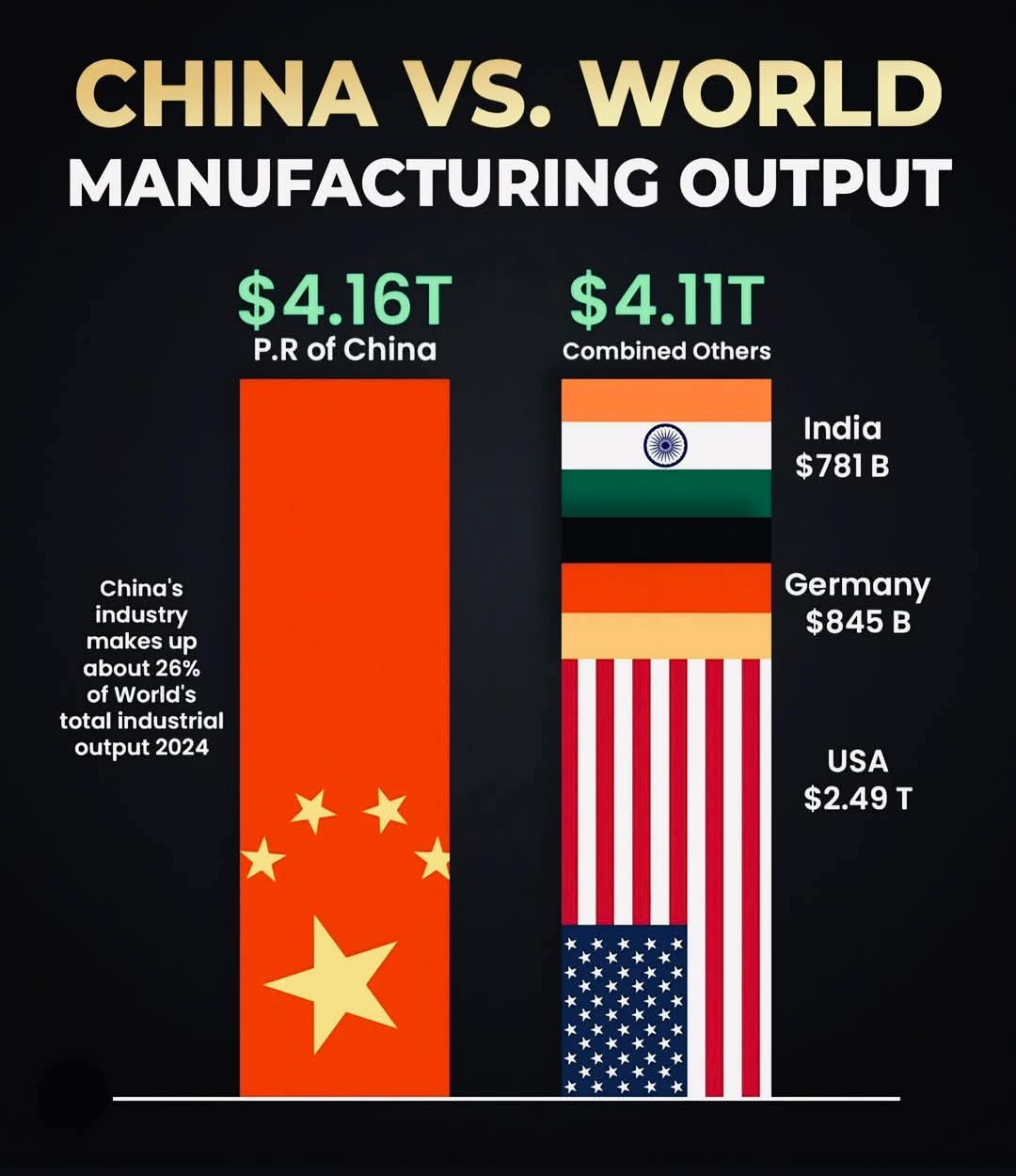
| China’s Defence Industry |
| China – Pakistan Collusion |
| China – Art of deception |
| China: Kill Pigs List |
| China: Social Score System |
| China: Active Defence Policy |
| China’s Joint Strategic Support Force (JSSF) |
| China – Joint Strategic Support Force. |
| Dealing with the Dragon |
| China’s grey zone operations |
| China: Flavours of military Reform |
| China: Pillars of Military Reform |
| China’s New Diplomacy – Drawing Red Lines in the Sand. |
| China – demographic analysis. |
| China through the US Prism |
| China in the South China Sea |
| China’s Military – Civil Fusion |
| PLAAF Analysis: Strengths and weaknesses |
| Book review on China Airpower |
| Dealing with Dragon |
| Knowing China Better: Lie Flat and Let It Rot. |
| Knowing China, Better social life and customs |
| Something is not right in Dragon Land. |
| Q&A India-China stand-off |
| China in IOR |
| What is cooking in the Chinese military cauldron |
| Dragon at Shigatse |
| China’s aircraft carrier development |
| China’s military reorganisation: a story of evolution and reversion. |
| China’s Challenges in Developing Next-Generation Fighter Engines. |
| China’s LYNX Robot: A broader shift towards unmanned warfare. |
| China Unveils White Emperor: Sixth Generation Fighter Aircraft |
| Chinese J10C for Bangladesh: A Strategic Step or Misstep |
| Decoding China’s sixth-generation fighter aircraft |
| CPC’s Weapon of Influence: United Front Work Department |
| Dragon Tightens Its Grip: China’s Military Presence Grows In Larung Gar |
| China Through a US Prism 2024 |
| China Flies Its Sixth-Generation Fighter Aircraft: A Leap Into The Future Of Air Combat |
| The Digital Silk Road Implication of China’s Techno-Political Strategy |
| Chinese Fighter Aircraft For Bangladesh: Comparative Analysis. |
| China’s Water Wars and Dams |
| An Ageing Giant: The Demographic Challenge Facing China |
| Kashmir Through a Chinese Lens |
| Chinese Airfields in Tibet |
| Xi Jinping’s Magical Purges: Making People Disappear |
| China’s Mosquito Drone: A Tiny Threat with Global Implications |
| A New Challenge: China’s Non-Nuclear Hydrogen Bomb |
| Dragon’s Dance on the Top of the World’s Roof. |
| The Bohai Sea Monster: China’s Leap in Wing-in-Ground Effect Technology. |
|
Pakistan |
| Pakistan through the US Prism |
| Lesser-known facts: 1971 war |
| Pakistan’s National Security Policy |
| 1965 Indo-Pak war (leadership, morale, training & tactics matter) |
| 1965: a western sunrise: India’s war with Pakistan |
| Balakot Strike |
| The new airfield in Pakistan |
| Chinese gyrfalcon in Pakistan skies |
| Pakistan – the Balochistan conundrum |
| From ally to adversary: US sanctions highlight Pakistan’s missile threat. |
| Paktika on Fire: Pakistani Air Strike in Afghanistan |
| Pakistan Train Hijack: Start of a Larger Crisis |
| Op Sindoor – India’s Water Canon against Pakistan Sponsored Terrorism: Indus Water Treaty |
| Op Sindoor -Desperate Men do Desperate Things: Pakistan Army Chief Playing with Fire |
| Op Sindoor – Diplomatic Earthquake: Shimla Agreement Teeters on the Edge |
| Op Sindoor – Pakistan’s Backwards March: Led by Generals, Paid by the People |
| Op Sindoor: India’s Punitive Deterrence Doctrine. |
| Op Sindoor: Punitive Deterrence – Attack on Terror Infrastructure |
| Op Sindoor: Asim Munis – Sword of Honour to Disgracing the Sword |
| Trump Munir Meeting: Transactional Diplomacy or a Geopolitical Quid Pro Quo |
| Shaheen 3 Failure: Wake Up Call for Pakistan |
| Pakistan Army Inducts China’s Z-10ME Attack Helicopter. |
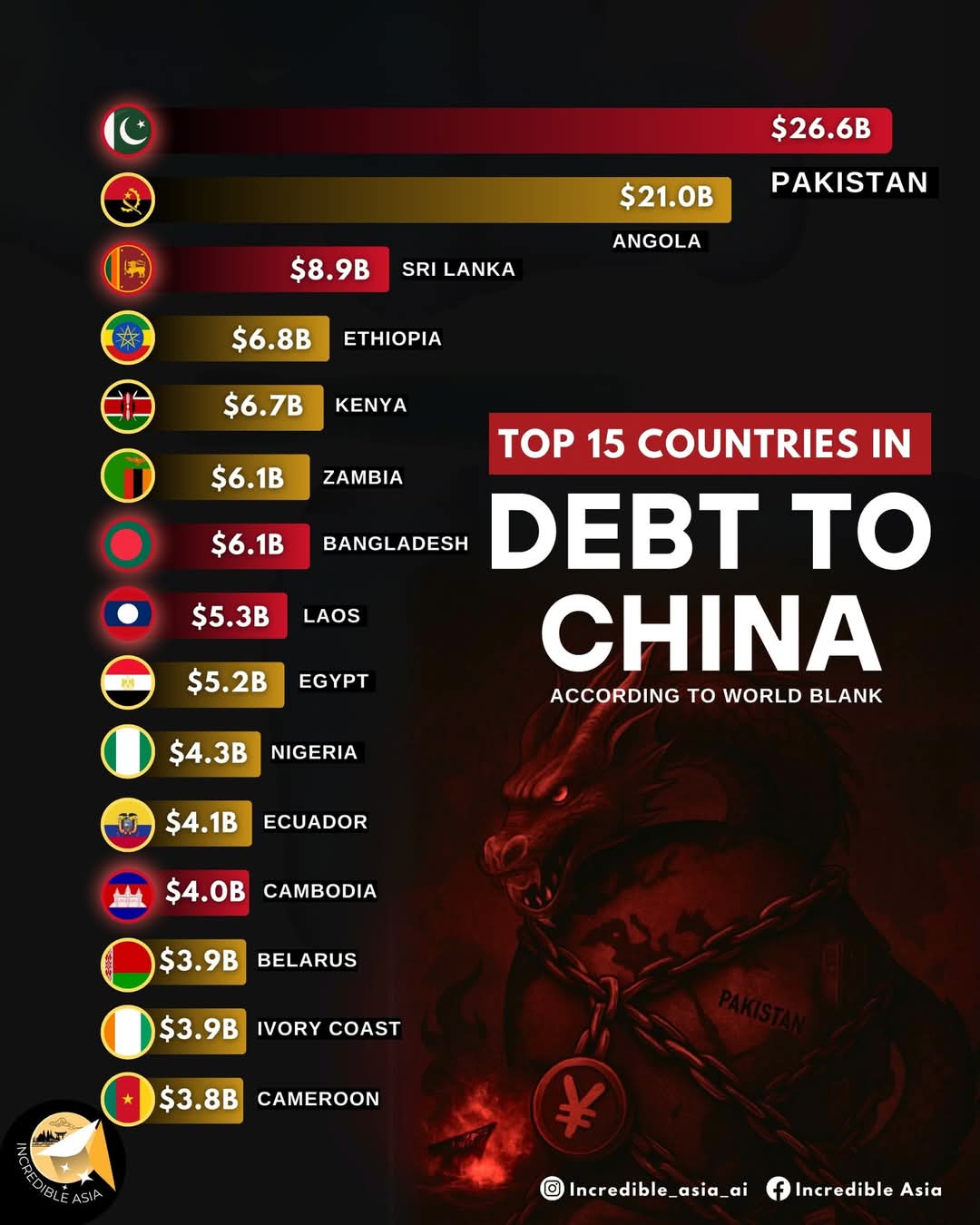
| Pakistan’s Soaring Budget: Buying Bullets from Borrowed Money. |
|
Bangladesh |
| Saint Martin’s Island: A strategic Gem in the Bay of Bengal |
| Bangladesh: Shifting alliances, Strategic Projects and India’s concerns |
| Bangladesh’s Anti-India Stance and Rhetoric |
| Bangladesh Playing with Fire |
| India’s Water Canon against Pakistan-Sponsored Terrorism |
| From Estrangement to Engagement: Pakistan and Bangladesh Recalibrating Ties |
|
Geopolitics |
| China |
| Pakistan – National Security Policy, Turmoil |
| Afghanistan |
| India’s foreign policy |
| India’s neighbourhood |
| Quad |
| Indo-Russian relations |
| State of Airpower Assets in Afghanistan |
| Indo-US relations |
| Afghanistan: Taliban run over |
| World in Transition |
| US-China Shadowboxing over Taiwan |
| China is spoiling Bhutan’s GNH. |
| Thucydides Trap – Dragon challenging Eagle |
| South China Sea |
| Gini Index and Implications. |
| Multilateralism: Flexible Security Cooperation. |
| India-Pakistan border issue – tunnels and drones |
| India-China border talks |
| China Pak Collusivity |
| SCO Shanghai Cooperation Organisation: Relevance and future trajectory |
| Sri Lanka Economic Crisis: lessons and opportunities |
| Ukraine Conflict |
| Bangladeshi tango with China |
| Economic Sanctions |
| Djibouti: Tug of war between the USA and China |
| The Future of Conflict in the Asian Context |
| Israel-Palestine standoff |
| India, Pakistan, China, Asian triangle |
| Indo-US Collaboration in Defence |
| World in Transit |
| Indo-Russia relations |
| Indo-Vietnam Cooperation |
| Many suitors for strategically located Djibouti |
| Renewed Impetus to Indo-Russia Relations |
| Peace and Security in South Asia: Bangladesh and Myanmar |
| Cold War Redux: Traits and Drivers of Cold War 2.0 |
| Reverse Globalisation: Contemporary Strategic Economic Policies. |
| Canada-India Tension: Spotlight on the Five Eyes Alliance |
| India Middle East Europe Economic Corridor |
| Five Eye Alliance |
| China+1 Policy: Dragon’s Loss is Others’ Gain. |
| Syrian Crisis: Geopolitical uncertainties |
| Operation Bashan Arrow: Israel’s Strategic Necessity or Opportunism. |
| Imperial Overtstress: Rise and Fall of Empires. |
| Cold War Redux: Military aspects of Cold War 2.0 and Impact on Indian Security |
| South Korean Crisis: Ripple Effect on India |
| Chinese J-10c For Bangladesh: Next Big Step Or Strategic Misstep |
| From Ally To Adversary: US Sanctions Highlight Pakistan Missile Threat |
| Operation Paperclip: A Moral Paradox |
| Greenland’s rising importance: A strategic asset in global security. |
| Indo-Taiwan Cooperation: AI and Semiconductors |
| Indo-US Defence and Security Cooperation: Interest-Based to Long-Term Strategic Partnership |
| The Petro-Renminbi Challenge to the Petro-Dollar |
| Global Citizenship in the 21st Century |
| Global Citizenship in Education and Peace-Building |
| Global Citizenship in Conflict Resolution and Peace Building |
| Trump-Zelensky Meeting: A Case Study in Diplomatic Disaster. |
| Indo-US Defence Cooperation: F-35 Offer |
| NATO’s Relevance In Today’s World Order |
| Changing Character Of Conflicts: Challenges To Peace Operations And International Humanitarian Law |
| Trump’s aggressive Stance on Houthis: Deepening of Conflict. |
| Fear of Honey Traps: The US Bans Diplomats from Having Relationships with Chinese Nationals. |
| Kashmir Through a Chinese Lens |
| Unfinished Russian Objective: Regime change in Ukraine |
| Indo-US Defence Coop: Interest-based to Long-term Partnership. |
| Turkey’s Tango with India’s Neighbours: A Strategic Dance with Regional Implications |
| Middle East Tensions impacting Eurasia |
| China, Pakistan, Bangladesh Alliance: Complicating Regional Dynamics |
| Strategic Significance of The Resistance Front (TRF) being Designated as a Terrorist Organisation. |
| Geopolitical Dynamics and Defence Modernisation: Lessons of 2025 Cnflicts |
| Impact of US Tariffs on India-US Relations and Military Cooperation |
|
Air Power |
| Airpower in Grey Zone Operations |
| Airpower in a war, no peace situation |
| Air Power & Non-Kinetic Warfare |
| Air Power in Multi-Domain Warfare |
| Airpower in HADR ops and aid to civil authorities |
| Drone Threat: The Big Picture |
| Fighter aircraft classifications by generations |
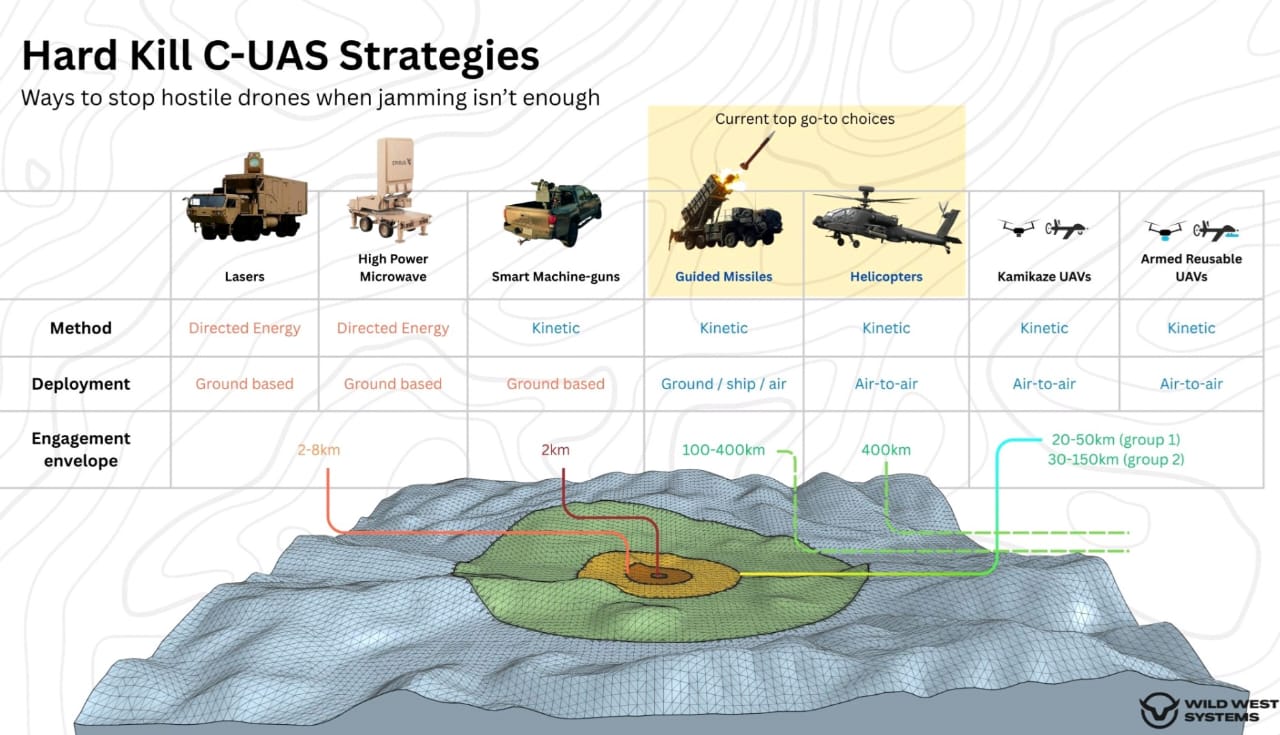
| Emerging Technologies and Air Defence |
| Air Power in Modern-Day Warfare |
| S-400 SAM AD System |
| Combat Aviation is most desired – least understood. |
| Changing nature of warfare |
| Air Defence operations |
| Air power strategies: multiple threats and limited resources |
| Airpower in the maritime domain |
| Air Power and effect-based operations |
| Air power concepts: Command/control of the air, air supremacy, Air superiority, and a favourable air situation. |
| Contemporary airpower thought |
| How does an aeroplane fly |
| Air power basics revisited. |
| Air power and war endurance |
| Global Wars and lessons for Indian airpower |
| Classification of fighter jets into generations |
| Centralised planning, decentralised execution |
| Global Airpower Ranking 2024 |
| Giulio Douhet: Relevance Today |
| All About Airpower |
| Airpower in the Indian Context |
| Airpower Theorists and Their Core Thoughts and Beliefs |
| Likely 6th Gen features on SU 57 aircraft and its Exportability Challenges |
| Relevance of John Warden’s thoughts on Air Power Application and Air Campaign Planning. |
| Future trends of fighter aircraft. |
| Air Campaign Planning |
| Genesis of airpower theories and their relevance today |
| Adapting Airpower Lessons from Israel |
| Loyal Wingman Concept: Advantages & Enablers |
| Loyal Wingman Concept: International Programs |
| Loyal Wingman Concept: Challenges and Prospects |
| Loyal Wingman Concept: Redefining Air Combat |
| Relevance of Bombers in Contemporary Warfare |
| Decoding China’s sixth-generation fighter aircraft |
| Rise of Combat Drones: Implications for Traditional Air Power. |
| Combat Drones: Global Overview |
| F-35 Stealth Vs. Beast Mode |
| Aerial War: Shift from Pilots to Platforms to Weapons |
| Role of America’s F-47 Sixth-Generation Fighter Jet in a Shifting Defence Landscape |
| Rafale M for the Indian Navy |
| Integrated Air Defence Systems: Comprehensive Airspace Protection |
| Adapting Airpower: Lessons from Israel |
| AI-Enabled Air Forces: The Future of Aerial Warfare |
| Air Superiority and SEAD/DEAD Operations: Evolution, Technologies and Strategic Importance |
|
Technology and Warfare |
| Hypersonic and hypersonic weapons |
| Technology and airpower |
| Future Trajectory of AI |
| Artificial intelligence |
| Future of conflict in new domains (Space, Cyber and deep sea) |
| Unmanned Platforms and Swarms, Loyal Wingman Concept |
| AI and Fake News |
| AI: Digital twins and Surrogate models |
| Military application of quantum technology. |
| What’s next after 6th-gen aircraft |
| Technology in the defence forces. |
| Mission Divyastra MIRV Technology |
| Technology and the future of aircraft maintenance |
| Speed Race: Hypersonic weapons |
| Countering Hypersonic Threat: Difficult but Manageable Problem |
| Analkshya Cloaking Technology |
| MUM-T vis-à-vis Loyal Wingman concept |
| Military AI Applications Enhancing Decision-Making |
| Durga and Kaali: India’s DEW Program |
| Difference between Loitering munitions and Kamikaze drones |
| Blockchain Technology: A Comprehensive Overview |
| Counter-Stealth Technologies and Their Effectiveness. |
| AI: Shifting of Balance of Power |
| Ukraine Unveils Tryzub: A Game-Changing DEW |
| Stealth Vs. Counter-Stealth: The Evolving Battle In Sixth-Generation Air Warfare |
| 5g Race Between the Dragon And The Eagle: Potential to Enhance Aerial Warfare |
| India’s First FPV Drone With Kamikaze Anti-Tank Munition. |
| Leonidas By Epirus: Star Trek Style Shield Of Directed Energy Weapon |
| Artificial Intelligence In Modern Warfare: Opportunities And Challenges |
| Counter-Stealth Technologies And Their Effectiveness |
| India Enters the LASER Age: MK-II(A) Ushers in a New Era of Defence Technology. |
| Integration of Directed Energy Weapons into Military Platforms. |
| Project Vishnu: India’s Leap into Hypersonic Missile Warfare |
| Project Kusha: India’s Indigenous Sky Shield |
| Innovative Use of Smart Tech: The Democratisation of Warfare |
| Integrated Air Defence Systems. |
|
Security |
| Collective Security |
| National Security / Military Strategy |
| Urgent need for National Security Policy |
| Collective dealing with non-traditional challenges |
| Aerospace security challenges. |
| Synergising India’s military and diplomatic goals |
| Cold War 2.0: Military aspects and India |
| Fear Of Honey Traps: U.S. Bans Its Diplomats From Getting In Any ‘Relationships’ With Chinese Nationals |
|
Cyber Safety and Security |
| Cyber warfare |
| Digital addiction |
| Economic Cyber Frauds |
| Future of conflict in new domains (Space, Cyber and deep sea) |
| Cyber Posturing and Cyber Strategic Coercion. |
|
Nuclear |
| Nuclear trends, threats and challenges 27 Jun 24 |
| Nuclear aspects revisited |
|
Space |
| Space operations |
| Space warfare and organisation in India |
| Space-based ISR |
| Space warfare in the Korean Peninsula |
| Launch of 50 surveillance satellites by ISRO in 5 years. |
| Future of conflict in new domains (Space, Cyber and deep sea) |
| Anatariksha Abhyas 2024: A New Era for India’s Space Security. |
| Formation Flying in Space |
| Space power: Shaping the future conflicts |
| China Strengthens Space Station Operations with Tianzhou Resupply Mission |
| Colonising Space: Opportunities and Challenges |
| Indian Space Program’s Giant Leap: Shubhanshu Shukla Heads To Space Station |
| NISAR: Mapping the Future and Revolutionising Climate and Disaster Intelligence |
| India’s Persistent Eyes in the Sky: Stratospheric Airship Platforms |
| India’s Human Spaceflight Revival: A Strategic Leap in the Global Space Race |
| Eyes in the Sky: OP Sindoor Spurs India’s Space Defence Surge |
|
Indian Air Force |
| Capability development |
| Tejas and AMCA project |
| IAF’s role in HADR and aid to civil and other agencies |
| Network-centric operations |
| PLAAF and IAF comparative analysis |
| IAF Modernisation |
| Balakot Operations |
| Maritime air operations in future |
| Rafale induction and capability enhancement |
| S-400 Induction |
| Fire Power Demo: Ex Vayu Shakti |
| IAF fighter strength drawdown and mitigation plan |
| IAF Strategies: past, present and future. |
| Life in the IAF |
| IAF multi-national exercises |
| Exercise Bright Star 2023 |
| C-295 ac induction, IAF capability enhancement and benefits |
| Strategic evolution of IAF |
| Astra AAR BVR Missile |
| Journey through IAF |
| Prachand the Himalayan griffin. |
| Women air warriors in the IAF |
| IAF challenges and future trajectory. |
| Discussion on the book by Jasjit Sinh: Defence from the Skies. |
| Race and hunt for medium transport aircraft |
| Multinational Exercise Tarang Shakti hosted by the IAF |
| All you want to know about ASTE and SDI of IAF |
| IAF Flight Path@92 |
| IAF Guardians of the sky. |
| Russia’s White Swan Bomber: Game-changer or White Elephant for IAF? |
| Russia’s Su-57 Offer To India: Balancing Needs And Strategic Interests |
| Jaguar aircraft in the IAF and the relevance of the Bombers |
| India and Russia are likely to collaborate on the Voronezh Radar System. |
| Transforming Indian Skies: The MRFA acquisition for a future-ready IAF |
| Fifth Generation Fighter Aircraft War Over Indian Skies. |
| Indian Quandary About Fifth-Generation Fighter Aircraft |
| IAF and Contemporary Air Power Application |
| F-35 Dilemma Revisited: Balancing, Affordability, Capability and Trade-Offs. |
| Exercise Iniochos-25: IAF On Board Charioteer |
| IAF Operation Brahma: HADR to Myanmar |
| IAF aircraft encounter GPS spoofing over Myanmar. |
| Precision from Afar: India’s Glide Bomb and the Changing Nature of Warfare |
| GPS Interference of IAF Aircraft over Myanmar |
| ISTAR: To redefine Strategic surveillance for the IAF |
| India Eyes Air-Launched LORA Missile: to Enhance Long Range Precision Capability |
| Goodbye Mig-21 Aircraft |
| IAF: Past, Present and Future |
| India to Enhance High-Altitude Surveillance with Advanced Mountain Radars. |
|
War and Warfare |
| Types of war |
| Decoys and Deception |
| Afghanistan Air Assets |
| Future Wars |
| Warfare |
| Grey Zone Warfare |
| Classification of warfare into generations (Russian Thoughts) |
| Domains of warfare |
| C4ISR |
| Military Balance in the Region |
| Ukraine War: Air Power Aspects, a Case of Dog and Bone, Air Superiority Aspects, Decoding the Ukraine War. Lessons. |
| Operational Logistics |
| Lesser-known facts about 1971the War |
| Review of the book on the 1962 war |
| Review of the book on the 1965 war |
| India’s two-front challenge |
| Douhet theories |
| Duration of Conflict |
| Jasjit Singh on Airpower |
| Galwan standoff |
| Asymmetric Threat |
| Accelerating the Paradigm Shift |
| Multilateralism: Relevance and changes |
| Aspect – Long-drawn wars |
| National Security Strategy |
| HAMAS attack on Israel |
| Cognitive warfare |
| India’s readiness for drone warfare |
| Integrated deterrence |
| Orchestrating Air Campaigns: Thumb Rules |
| Russia-Ukraine War: Phase of Engagement with Long-Range Vectors |
| Kargil War |
| Hellscape strategy: countering mass with smarter mass. |
| Kusk incursion: Turning the Tables (Operation Krepost) |
| Israeli air force intelligence-driven precision strikes on the heart of Lebanon. |
| Info Warfare: Press Freedom Vis-à-vis Responsibility |
| Learning from the Israel Defence Forces. |
| Intelligence drives the precision strikes of Israel. |
| Russian Use of the ORESHNIK Missile and Its Strategic Implications. |
| The Boomerang Effect: When Militant Groups Turn On Their Sponsors |
| Winds of Change in Global Defence |
| Contemporary wars through the lens of Galtung’s theory |
| Guerrilla air defence: strategy of the underdog. |
| Artificial Intelligence in Modern Warfare: Opportunities and Challenges |
| Epochs of Warfare from Ancient to Contemporary Wars. |
| Psychological Warfare in Ukraine: Success Or Failure |
| Understanding UAS Threats & Vulnerabilities |
| Psychological Warfare in Ukraine: Success or Failure |
| Integrated Air Defence Systems |
| Artificial Intelligence-Enabled Air Force: The Future of Aerial Warfare |
| Human Factors in Technologically Advanced Warfare |
| Challenges to Peacekeeping Operations and International Humanitarian Laws. |
| 25+ seminars/TV Interviews on Op Sindoor |
| From Osirak to Natanz: Operation Rising Lion – Israel’s Begin Doctrine of Denial |
| Operation Sider’s Web – Audacious Drone Attack: Lessons for India |
| Innovation: the new age weapon in modern warfare |
| Operation Spider’s Web: Ukraine’s Audacious Drone Strike |
| Bunker Busters: Hitting far and deep. |
| Unfinished Russian Objectives: Regime Change in Ukraine |
| Innovative use of smart tech: Democratisation of Modern Warfare |
| Innovation: The New Age Weapon in Modern Wars |
| LUCAS KamiKaze Drone |
| The Changing Concept of the Notion of Victory in Wars |
| Distributed Maritime Operations: Applicability in the Indian Context |
| Hybrid War in the Baltics: Critical Infra at Risk |
|
Military |
| Military diplomacy |
| Military spending: trends and analysis. |
| Collusive Threat and Deterrence: Air and Space Aspects |
| Integrated Capability Development. |
| Joint war game training systems |
| Fighter Pilot: Traits |
| Agni veer and Agnipath / Tour of duty / making the best of the scheme |
| Andaman and Nicobar Command and Islands |
| Defining Military Diplomacy |
| Women in the Indian Defence Services |
| Joint Operations and Jointmanship |
| Trends in International Arms Transfer |
| Global Military Spending – Trends and Analysis (2023) |
| Women in defence forces: prospects and challenges. |
| Intricacies of multinational military exercises. |
| Apache helicopter delivery delay: The broader issue of trust quotient. |
| Learning From Israeli Defence Forces |
| Projecting power from aircraft carriers: enhancing maritime capability |
| Wings of the Army: Role of the Air Arm in Ground Operations. |
| Honouring the Veterans: India Remembers Its Braves |
| Wings of the Army: The role of the air arm in ground operations |
| India’s tryst with Combat drones |
| Exercise Prachand Prahaar: India’s Integrated Multi-Domain High-Altitude Tri-Service War Drill |
| Balancing Cost And Combat Capability In Fighter Jet Procurement |
| India’s Tryst with Combat Drones |
| Strategic Leadership and Innovative Adaptability in the Armed Forces: Building a Future Ready Military. |
|
Higher Defence Organisation |
| Department of military affairs |
| Theaterisation |
| Air Defence Command |
| Civil-military fusion |
| Theatre Command in the Indian Context |
| Reorganisation of HDO in India |
|
Flight Safety |
| Golden rules of safety |
| Importance of SOPs |
| A proactive approach to safety |
| Damage due to Bird Hits and Foreign Objects |
| Safety and aviation |
| Good safety Culture |
| Tool management for safe maintenance |
| Aircraft Drift – Causes and Concerns |
| Safety aspects of short landings. |
| Inculcating a safety culture |
| Air Ambulance: Potential, challenges and prospects |
| Harnessing Technology for Innovative Flight Safety in Military Aviation. |
| Unintended Targets: Accidental Aircraft Shootdowns |
| Deadly Fortnight – Nine Air Crashes – Several Lessons |
| From Shock To Action: Managing Startle Effect In Military Flying |
| Crash, Click, Conclude Syndrome: Post–Tragedy Chaos |
|
Defence Industry |
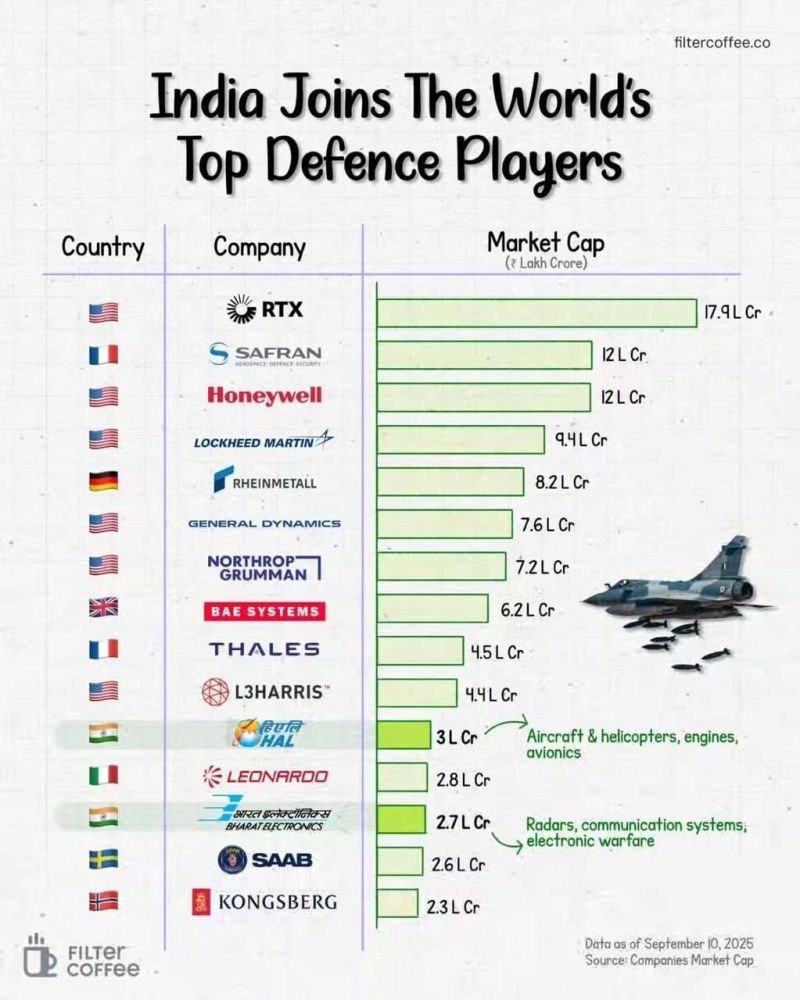
| Indigenous defence industry |
| HAL and DPSUs |
| Role of the private sector in defence production |
| Arms Transfer to Afghanistan |
| Defence Budget Issues |
| Atmanirbharta |
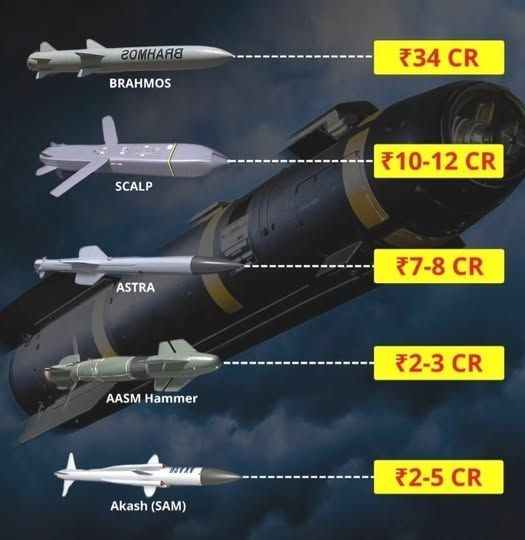
| Exportability of LCA and Brahmos combined package |
| IAF and indigenisation |
| Indian Initiatives to promote self-reliance |
| Tejas export options |
| Russia–India Defence Contracts: Past, Present, and Future. |
| EU’s defence spending |
| Aero India 2021 & 2023 |
| Arms Trade: Trends and Concerns |
| Arms trade: flow vis-à-vis hot spots |
| Expanding the footprint of Boeing in India |
| Decoding the US presence at Aero India 2023 |
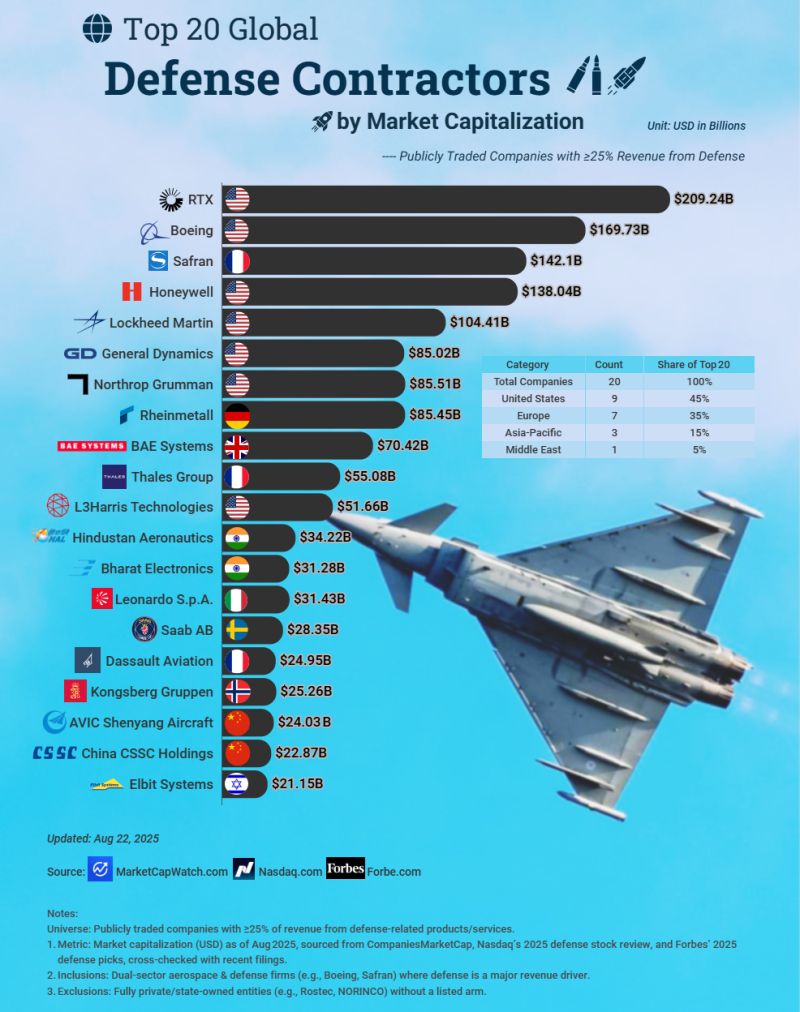
| Global Military Spending: Trends and Catalysts |
| Tejas: A delayed dream can become a nightmare |
| Conflicts, Military Spending, and Arms Transfers 2024. |
| Apache Helicopters’ delivery is delayed. |
| Aviation MRO Trends and Challenges |
| The Evolving Aviation MRO Industry And India’s Opportunity |
| Previewing Aero India 2025 |
| India’s Journey in Fighter Aircraft Design and Manufacture: Challenges and Successes |
| Aero India 2025: Showcasing the Future of Aerospace Defence |
| Aero India 2025 And Key Solutions For IAF’s Challenges |
| Aero India 2025: catalysing Atmanirbharta through Global Collaboration. |
| Involvement Of The Private Sector In Indian Fighter Jet Production |
| The Geo-politics of Fighter Exports and Joint Ventures |
| IAF’s Wings of Indigenisation: The IAF-HAL Saga |
| Navigating the Industrial Revolution: The Role of India’s Industrial Policy |
| Technology Harvesting by Indian Aerospace Industry: A Strategic Imperative. |
| AMCA Programme execution Model: A New Era for India’s Defence Production |
| Balancing Cost and Combat Capability in Fighter Jet Procurement |
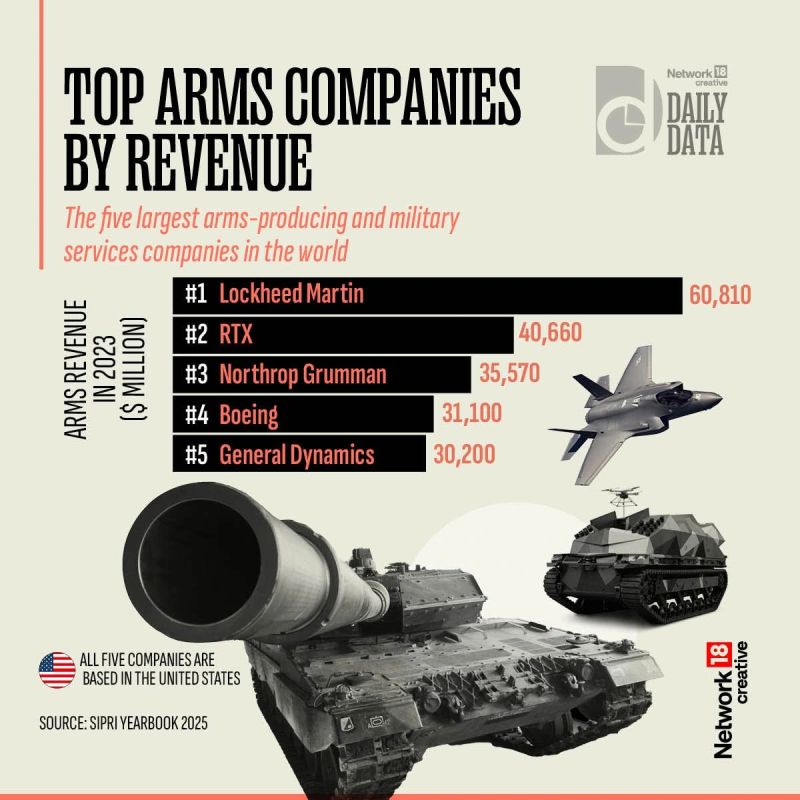
| SIPRI Yearbook 2025: Summary and Highlights |
| Battlefield Beyond Boundaries: Military Conflicts and Industry |
| Evolution of India’s Defence Preparedness and the Path to True Self-Reliance. |
|
India |
| Understanding Manipur Dynamics |
| Indian foreign policy and defence diplomacy |
| Meghalaya Dynamics |
| Transparency, Accountability and Threats to Independent Institutions of Democracy |
| Caste-based reservations. |
| Examining the examination system in India. |
| Independence Day special – Applicability of the ancient Indian philosophy of ‘Vasudhaiva Kutumbakam’ (the world is one family) in modern diplomacy and global engagements. |
| India at the Crossroads of Trump 2.0 |
| Synergising India’s Military and Diplomatic Goals. |
| Important battles of the Indian subcontinent: Significance and lessons |
| Honouring the Veterans: India Remembers Its Bravest. |
| Youth Power and National Vision 2047 |
| Rare Earth as Rare Weapon: India’s Opportunity and Challenge |
|
Book/Peer Reviews and Endorsements |
| 1946: Last War of Independence: Royal Indian Navy Mutiny by Pramod Kapur |
| 1962 Border War: Territorial Dispute and Beyond by Ismail Vergasseri |
| The Politics of South China Sea Disputes By Nehginpao Kipgen |
| 1965 A Western Sunrise: India’s War With Pakistan By Shiv Kunal Verma |
| The Game Behind Saffron Terror by Kanwar Khatana |
| Peer Review – “The Rising Aerospace Power: Implications for India” |
| Peer Review – “MRO as a strategic asset” |
| Peer Review: Indigenisation of Indian AD |
| Book Endorsement – “Greatest Air Aces of All Time” by Air Marshal Anil Chopra |
| Book Endorsement – The 1971 Indo-Pak Air War: Reflections and Projections |
| Peer review of a paper on the Global challenges of soft power. |
| Peer review: Making a Case for India’s Air Defence Indigenisation: Challenges & Prospects |
| Peer Review: Mitigating the Irregular and Hybrid Warfare Threats to India |
| Book Review: The Balochistan Conundrum by Tilak Devasher |
| Book Review: The Four Ages of American Foreign Policy By Michael Mandelbaum |
| Peer Review: Need for a Strategic Bomber in India’s Security Dynamics |
| Book Review: The Personal is Political by Aruna Roy |
| Book Review: Walking Barefoot the Tilonia Way |
| Book Review: 7 seconds to die by John C Antal |
| Peer Review of paper on “AI and Future of Aircraft Maintenance.” |
| Peer Review of paper on “Winning Future Battles With Firepower” |
| Peer Review of paper on “Dollarisation of the international Financial system.” |
| Book Review: Tales of the Elite by Vivek Anathakrishnan. |
| Peer Review of paper on “The India-Middle East-EU Economic Corridor (IMEC): Pipe Dream or a Pathway to Shared Progress”. |
| Peer Review of Paper on “AI-Driven Multimedia Forensics: A Global Imperative for Journalism and Justice in India and the United States” |
| Peer Review of paper on “Reimagining Tech-Powered, Military Transformation in the Intelligence Age” |
| Peer Review of Paper on DEW |
| Peer Review of Paper on Border Wars due to Cartographic Errors. |
|
Stories |
| My Tryst with HT-2 aircraft: The day god flew with me |
| The day I flew my dad’s car. |
| Malse Lake: Tale of two coursemates |
| Flying Tales |
| Tribute to Air Mshl PK Dey “Remembering Dadu: Self-Made Legend |
| SHIQURDU: 50 + posts of simplified Deep-meaning thoughts in Hurdu (a mix of Hindi and Urdu) |
| Remembering Dadu: Self-Made Legend |
|
Podcasts |
| Multi-national Exercise Tarang Shakti with DPR, MOD on “Raksha Sutra” |
| Independence Day Special with Pankaj Sharma on “Let’s Talk”. |
| Podcast with Santosh Kumar on “Between US” |
| Life in IAF and broader issues with Gaurav on “Speak with Gaurav.” |
| Podcast with Vels University students. |
| Podcast with Gana on “Blue Skies Podcast” |
| Podcast with Ashtosh Garg on “The Brand Called You – TBCY” |
| Podcast with VIF-Vivekanand International Foundation on “Technology and Air Warfare.” |
| Podcast with VIF-Vivekanand International Foundation on “Use of Airpower in NWNP scenario” |
| Life of a Fighter Pilot on Empowerment talks |
| Podcast with Gaurav Arya of Chanakya forum on IAF capability building (2,45,000+ Views). |
| Podcast with Let’s Talk It on Good Working Culture |
| Podcast with Let’s Talk It on Growth Mindset |
| Webinar on Air power by The Indian Netizens |
| Podcast at PP Savan University |
| Podcast on Op Sindoor – Post CAS talk |
| Podcast at Best Practices Meet 2025 organised by DSCI: Drone and Info Warfare |
| Podcast with Dinesh K Vohra of News Times on IAF Challenges and Preparedness |
| Podcast with Mehnaz Nadiadwala on Defence, Security and leadership aspects |
Collaborated, Coordinated, Partnered, Assisted, Liaised, Cooperated, and Interacted with:-
Distinguished fellow at United Services Institute (USI).
Distinguished Fellow at the Center of Air Power Studies (CAPS).
On the editorial board of the College of Air Warfare Journal.
On the editorial board of CAPS Journal (Blue Yonder).
On the editorial board of News Analytics Journal.
Strategic Advisor – Aerospace and Defence division of the Synergia Foundation.
Advisor – Indus International Research Foundation.
Advisor – The Indian Netizens (Global Affairs and Diplomacy Research Center)
Mentor: Chakra Dialogues Foundation.
Chief Editorial Advisor – IIRF Yearbook
Affiliated with CENJOWS as a Subject Matter Expert.
Advisor – Bharat TV Now
Forum for Global Studies – on the panel of experts.
Distinguished visiting fellow at CNSS (Center for National Security Studies) at MS Ramaiah University of Applied Sciences (RUAS).
Life member: White Canvas Education Council.
Conferred a title by Gems B School: Distinguished Son of India.
| Organisation | Type of Organisation | Type of work |
| Centre of Air Power Studies (CAPS)
Distinguished Fellow On the editorial board of CAPS Journal (Blue Yonder). |
Think Tank | Talks (China, Leadership, Joint Strategic support force & Maritime air ops).
Articles for the journals (6+). Seminar on the Ukraine war. Discussions during the WASP program. |
| United Services Institute (USI)
Distinguished Fellow |
Think Tank | Talks, panellists in Seminars/Webinars, Articles for journals, Strategic exercises at IFS, NDC, CAW and 27 Mtn Div, mentoring, strategic game on capability building. Peer review of paper. Strategic exercise at AWC. |
| Synergia Foundation
Strategic Advisor – Aerospace and Defence division of the Synergia Foundation. |
Think Tank | Articles, Talk during Aero India, Talk during Def Expo.
Talk at Bangalore International Centre. |
| Shyama Prakash Mukherji Research Foundation (SPMRF) | Think Tank | Suraksha Samvad – Study & Discussion |
| Delhi Policy Group (DPG) | Think Tank | Panellist in Seminars / Webinars |
| Vivekanand International Foundation | Think Tank | Panellist in Webinars and Podcasts.
Wargame. |
| CENJOWS
Affiliated as Subject Matter Expert |
Think Tank | Panellist in Seminars / Webinars (Integrated Capability Development – Sep 21) |
| CSDR (The Council for Strategic and Defence Research) | Think Tank | Talk / Lecture on Air Power & IAF |
| CKS – Center for Knowledge Sovereignty | Think Tank | Talk on China – How Does Dragon’s Brain Work
Talk – Strategic evolution of IAF |
| Manohar Parikar Institute of Defence Studies and Analysis(MPIDSA) | Think Tank | Participated in Seminars/ webinars |
| Fair Observer (USA) | Think Tank | Panellist in Seminar/ webinar
Making sense of India’s stand on Ukraine |
| CASA (The Current & Strategic Affairs Forum) | Think Tank | Participated in Seminars/ webinars |
| National Maritime Foundation | Think Tank | Participated in Seminars/ webinars
Indo-pacific strategic dialogue |
| CLAWS | Think Tank | Participated in Seminars/ webinars
Articles for the journal. Panellist in AAD seminar on Unmanned Aerial Systems. Seminar on Op Sindoor |
| SAMDES | Think Tank | Participated in Seminars/ webinars |
| The Takshashila Institution | Think Tank | Participated in Seminars/ webinars
Panellist for discussion on Agniveer scheme |
| The Peninsula Foundation | Think Tank | Lecture on Air power and IAF
Participated in Seminars/ webinars |
| Chennai Center for China Studies | Think Tank | Panellist in Seminar/ webinar (PLAAF) |
| Indic Research Forum | Think Tank | Panellist in Seminar/ webinar (PLAAF)
Keynote address: IAF and Counterterrorism ops Panelist: Ukraine war. |
| Chanakya Forum Website | Think Tank | Articles for the website / Journal (17+)
|
| Chanakya Diaries | Journal | Articles: Genesis of airpower theories and their relevance today in the inaugural issue.
Indian Quandary About Fifth-Generation Fighter Aircraft |
| Gyan Chakra (WC of IA) | Think Tank | Article on IAF Strategies: past, present and future. |
| Strive Dialogue (CC of IA) | Think Tank | Discussion on IAF multi-national exercises |
| Observers Research Foundation (ORF) | Think Tank | Global wars and lessons for Indian airpower |
| Indus International Research Foundation (IIRF)
Advisor – Indus International Research Foundation. & Chief Editorial Advisor
|
Think Tank | Panellist – Theatre command in the Indian context and Seminar on Indo-US Collaboration
Article for the yearbook (3) Articles for the website (20+) Seminar on Op sindoor |
| Asia Centre Bangalore | Think Tank | Member – talk on China |
| Forum for Global Studies (on Panel of Experts) | Think Tank | Capsule on AI in the Military |
| Global Affairs and Diplomacy Research Center
Advisor – The Indian Netizens |
Think Tank | Panellist on seminar on IAF (Past, Present and Future |
| DSCI – Data Security Council of India | Security Organisation | Panellist, Chairing of a session and round table conference during the yearly Best Practices Meet 2024 and 2025 |
| National Defence College (NDC) | Military Institute | Talks on China, Pakistan, and Afghanistan
Panellist – Future Application of Force: A Joint Way Ahead. |
| College of Air Warfare (CAW)
Editorial Board of CAW Journal |
Military Institute | Talks (China, IAF, Airpower, leadership, etc.),
Paper reviews (China, grey zone and Airpower, Hypersonic weapons, China military-civil fusion, etc.) and strategic exercise |
| Flying Training Institute – Air Force Academy | Military Institute | Talks on leadership and motivation, Technology and air power |
| Flying Training Institute – Bidar | Military Institute | Changing nature of warfare |
| Flying Training Institute – Hakimpet | Military Institute | Dealing with two inimical neighbours. |
| College of Defence Management | Military Institute | Talks on China, IAF, airpower, leadership, etc.) |
| Army War College | Military Institute | Talks on (China, Airpower, IAF etc.)
Strategic Game Exercise |
| College of Naval Warfare (CNW) | Military Institute | Talks on (Maritime air operations, Airpower and IAF) |
| Defence Services Staff College (DSSC) | Military Institute | Talks on (Airpower, China, IAF, maritime air
Operations, etc.) Non-Kinetic Warfare – Seminar and mentoring during exercise |
| Western Air Command, IAF | IAF | Talk on China and Doklam |
| Eastern Air Command, IAF | IAF | Webinar on China with CAPS – Joint Strategic Support Force, Article for Coffee Table Book |
| Southern Air Command | IAF | China in IOR, Maritime air ops |
| Training Command, IAF | IAF | Seminar on the 1971 War. Talk on Multilateralism. |
| HQ Maritime air ops | IAF | Future maritime air operations |
| Air Force Association | IAF | Article for Journal on HT-2 Aircraft, Women Air Warriors, and AI enabled AF. |
| Talks at IAF Units, TACDE, SDI, ASTE, BRDs (Pune & Delhi), 06 and 09 squadron | IAF | Practical Leadership and Management, Ukraine conflict, IAF, Air power subjects |
| Air Force Station Adampur | IAF | Talk on China |
| Air Force Station Gwalior | IAF | Talk on China, IAF and Modern Warfare. |
| HQ IDS | HQ IDS | Panellist – ICADS, AP vis-à-vis NKW |
| ARTRAC, IA | Army | Panellist – Air power and MDW |
| HQ Southern Command | Army | Panellist in a seminar on Unmanned Aerial Systems |
| 14 Corp Leh | Army | Seminar on SEAD and DEAD |
| Union Public Service Commission (UPSC) | Government | Advisor. |
| Def Talks | Video channel | Video Interviews(Drone threat, IAF roles and tasks,
AP in GZ, Tejas and Indigenisation, IAF Fighter ac strength, Theatre commands, collective security, S–400, Ukraine War, air superiority, Space warfare, Life of a Fighter Pilot |
| Lt Gen Gurmeet Singh | Video channel | Video Interview (China, IAF and leadership) |
| Hum Hindustani | Video channel | Video Interview (China, Drone Threat) |
| Let’s Talk It | US-based Channel | Online talk on a Good working culture.
Talk on Growth Mindset. |
| Jaideep Saikia | Journalist | Panellist in Webinar on China |
| The Book Review & Literary Trust | Literary Trust | 5 Book Reviews |
| FPRC (Foreign Policy Research Centre) | Research Institute | Articles India’s relations with Russia, USA and China |
| ABP | News Channel | Commentaries (Republic Day and Air Force Day) |
| BBC (Jugal Purohit) | News Channel | Interview on Balakot |
| Times Now | News Channel | Interview / Guest Discussion |
| Republic TV | News Channel | Interview / Guest Discussion |
| News24 | News Channel | Interview / Guest Discussion |
| Wion Tv | News Channel | Interview / Guest Discussion |
| CNN18 | News Channel | Interview / Guest Discussion |
| CNN | News Channel | Video bytes – UFO sighting at Imphal airport |
| India TV | News Channel | Interview on Balakot, IAF Capability building |
| NDTV (Vishnu Som) | News Channel | Interview (Rafale) |
| Sansad TV | News Channel | Interview |
| India Today | News Channel | Interview on Balakot
Interview on China Threat & Indian Military Preparedness. RD Commentary Panel discussions |
| TV9 Bharatvarsh | News Channel | Video bytes on the TEJAS program, the Israel-Hamas war, the Astra Missile, a New airfield in Pakistan, Nyoma airfield, and the Launch of 50 satellites. Video bytes on SU-30 aircraft. |
| DD News | News Channel | Aero India 2023
Interview on the Tejas aircraft Drone Shakti 2023 |
| Eurasian Times | News Channel Website | Articles (25)
Inputs on Articles
|
| Sputnik News Russia | News Channel | Interview on Defence contracts, inputs on Air Defence, S-400, BMD, Oreshnik Missile, and Analakshya. |
| Bharat TV Now
Advisor – Bharat TV Now
|
News Channel | Advisor
Discussion on the Israel-Hamas War Independence Day message |
| Millennium Post | E-newspaper | Article on IAF. |
| News Analytics
On the editorial board of News Analytics Journal |
Online Forum | Articles (10)
|
| Life of a Soldier | Website and e-Magazine | Articles (15)
|
| News-Times | YouTube News channel | Podcast with Dinesh K Vohra on IAF Challenges and Preparedness.
Podcast on the Drone threat |
| The Economic Times (Manufacturing) | News website and Paper | Aerospace & Defence Manufacturing Summit 2025 – Fireside chat. |
| Dept of East Asian Studies, DU | University | Panel Discussion: Modernisation of the Chinese Military |
| Rashtriya Raksha University | University | Talk: PLAAF and its modernisation. |
| UPES – University of Petroleum and Energy Studies (Dehradun) | University | Talk on Practical leadership and management during
FDP – Faculty Development Program |
| JNU | University | Talk on China |
| Fletcher South Asia Society | University | India’s Defence Preparedness in a New Environment. |
| Vels University, Chennai | University | Chief guest, talk on airpower, technology and motivation, Podcast |
| Hindustan University, Chennai | University | Keynote address – “International Conference on Autonomous Airborne Systems(ICAAS-2023)” |
| Christ University, Bangalore | University | Motivational Talk
Seminar on Tech and Warfare |
| Reva University, Bangalore | University | Track two Dialogue, Panellist – Indo – Russia Relations
National Conference on Cold War 2.0
Seminar on Indo-Pak relations post Op Sindoor |
| IIT Hyderabad | University | Panellist – Technology in Defence Services. |
| Alliance University, Bangalore | University | Technology in the Defence Sector |
| Karnavati University Gandhinagar | University | Talk on warfare and leadership |
| Dayanand Sagar University, Bangalore | University | Global Citizenship seminar |
| Center for National Security Studies at MS University of Applied Sciences | University | Distinguished Visiting Fellow.
Round table conference on Agniveer. |
| PP Savana University, Surat | University | Talk on Leadership |
| Jain Group of Institutions | University | India’s Strategy of Punitive Deterrence |
| MOP Vaishnav College Chennai | College | Military Diplomacy |
| VJTI (Mumbai) | College | Motivational talk during the tech festival |
| Stanley College (Hyderabad) | College | Motivational talk during college festival |
| BITS Pilani (Goa) | College | Motivational talk during college festival |
| IIT (Delhi) | College | Study on bullet-resistant Material |
| IIM Trichy | IIM | Leadership and strategic management |
| Punjab Engineering College, Chandigarh | College | Life in the IAF, leadership and motivation |
| GEMS B School
Conferred a title by Gems B School: Distinguished Son of India. |
College | Convocation Motivational Address |
| ICFAI – Indian Chartered Financial Analysts Institute | Institute | Talk on India, Pakistan and China |
| Empowerment Talks | Motivational group | Motivational Talk |
| White Canvas India
Life member: White Canvas Education Council. |
Education company | Chief Guest at India’s top 20 under 20. (2021 and 2022)
Chief Guest for Book launch – Yes, we did Chief Guest for Young CEO workshop at Gurukul, Ryan International and Scindia School. |
| BCG – Boston Consulting Company | Consultation Firm | Consultation on C4ISR |
| The Brand Called You | Media Tech global platform | Interview |
| Cognet Integrated Business Solutions | Corporate | Talk on a Good Working Environment. |
| YPO – Young Presidents’ Organisation | Corporate | Interaction – India, Pakistan, China. |
| Embryonic Foundation | NGO | Defence dialogue interview and interaction |
| MH Cockpits | Aviation courses | Chief guest, talk on airpower, technology and motivation, Podcast |
| Blue sky podcasts | Podcasts | Journey through IAF |
| Pankaj Sharma | Podcast | Independence Day special |
| Between US (Santosh Kumar) | Podcast | Leadership, geopolitics, airpower and security
Independence Day special |
| Locomotive Welfare Association | Welfare Association | Chief guest and motivational talk. |
| Youth Parliament / Chatra Sansad | Youth Organisation | Motivational talk on discipline and tolerance. |
| Byjus | Education Company | Live Project on OES: An aeroplane flies. |
| Bangalore International Centre | Social Organisation | Talk on “The Future of Conflict in an Asian Context” |
| SpkWthGrv | Talk Show | Life in the IAF and IAF broader issues |
| BIAG India (International Aviation Games Board) | Board | Talk on Drones |
| Gurukul
Ryan International The Scindia School, Gwalior |
Schools | Chief guest during young CEO workshop – Motivational talk |
| New Horizon, Bangalore
TAFS, Delhi |
School | Motivational Talk |
| Destination India | National Journal | Article: “Airpower in Indian Context” in the special issue – Defence Matters. |
| Peace Prints | South Asian Journal | Women in Armed Forces: Prospects and Challenges. |
| SP Aviation | Journal | Articles (5)
|
| Chandigarh Military Literary Festival | Lit Fest | Panel Discussant on IMEEEC |
| Defence PRO/Press Information Bureau of India/ Press Trust of India | Def PRO/PIB/PTI | Podcast on Ex Tarang Shakti.
Article: Previewing Aero India 2025. Honouring the Veterans: India remembers its Braves Interviews on contemporary issues |
| Chatra Sansad | Youth Parliament | Motivational talks (3), Ahmedabad and Baroda |
| Model UN | Youth Program | Lucknow and Bangalore |
| Mehnaz Nadiadwala Productions | YouTube Channel | Podcast with Mehnaz Nadiadwala |
| Airbus | Aviation Company | Keynote address during Airbus Cybersecurity Conference 2025. |
| Aviation Safety Management Society of India | Aviation Safety Organisation | Written article, talk and chairing of session during the International Aviation Safety seminar 2025 |
| Aerospace and Defence Meetings | Aerospace and defence Org | Talk during ADM Conference 2025 |
I enjoyed researching topics related to defence, security, geo-politics, technology, leadership and management etc. The posts were interspersed with some humour and quotes.
Looking forward to your continued
Support, Readership and Encouragement.
CREDITS:-
The credit for starting the blog goes to my course mate and friend Col Murali. He provided me the space, encouraged me and held my hand initially.
Very encouraging message from Murli:-
Air Marshal Anil Khosla has had an amazing career in the Indian Air Force. He is one of those rare warriors blessed with the right mix of a soldier and a scholar; a true Scholar-Warrior.
His blog (“Air Marshal’s Perspective”) posts are brimming with strategic insights and are a goldmine for any student of Air Warfare. Yet, they are also refreshingly straightforward, making them equally appealing to a simple soldier, empowering them with practical knowledge. I am truly in awe of Anil’s unwavering dedication, consistently posting for the past five years, culminating in an astounding 750 posts today. His commitment is truly inspiring and commands respect.
Here, I would like to mention how it all started. It was the year 2016, and Dec 16th was the much-awaited reunion day for the 55th course NDA. To compile the phone numbers and addresses of our coursemates, I created a simple page on a free website platform. It was a kind of fun activity; nothing very serious. One thing led to the other, and today, we have our portal 55nda.com, which hosts Anil Khosla’s blog. As a self-styled, self-taught infantry soldier, I didn’t expect the site to get much traction. Today, I must say it is Anil Khosla’s blog hosting 55nda.com. That’s where all the hits come.
The poet-philosopher in Anil is seen in the posts classified as “Shiqurdu”, a thought-provoking verse in a mix of Hindi and Urdu. All posts are neatly classified into different categories, which is a treasure trove for any student of Air Power. My best wishes to Anil to reach higher and higher; the sky has no limit.
Credit also goes to another course mate Vicky Sheorey for getting me all the equipment needed for video conference and recordings.
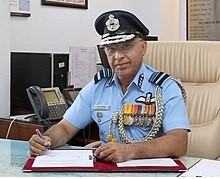
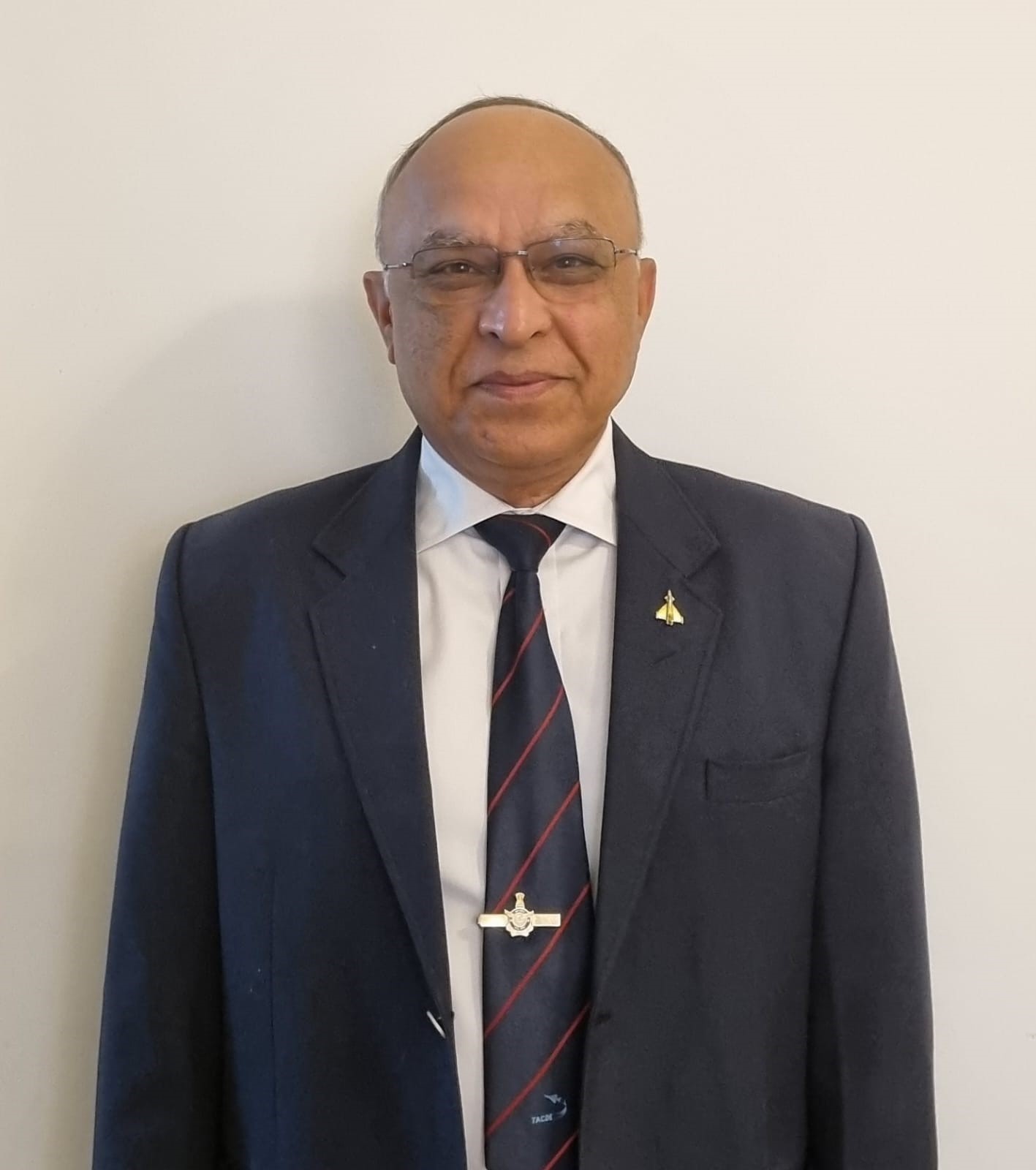
AIR MARSHAL ANIL KHOSLA (RETD)
PVSM AVSM VM
- Indian Air Force Veteran: Former Vice Chief of Air Staff (VCAS) Indian Air Force.
- Born on 09 Apr 1959, commissioned on 14 Dec 1979 and retired on 30 Apr 2019.
- Air Marshal Anil Khosla, a distinguished alumnus of the National Defence Academy, was commissioned in the fighter stream of the Indian Air Force. His career, marked by over 4,000 hours of accident-free flying, is a testament to his exceptional skills and dedication. His expertise on various aircraft, including the Jaguar, Mig-21, and Kiran, and his proficiency in both Ground attack and Air Defence roles, particularly in the maritime role, set him apart in the Indian Air Force.
- Awards. Air Marshal Anil Khosla’s distinguished service has been recognized with three presidential awards: the Param Vishisht Seva Medal, the Ati Vishisht Seva Medal, and the Vayu Sena Medal. His commendation by the CAS and the AOC-in-C during the flying training period as a cadet further underscores his exceptional service and dedication to the Indian Air Force.
- Air Marshal Anil Khosla is a post-graduate from the Defence Services Staff College. He is an A2 category flying instructor and a fighter strike leader. His professional prowess is evident from his standing first in the order of merit in all the attended courses, including the Flying Instructor Course, Fighter Strike Leaders Course, Junior Command Course, and Staff Course. He was awarded the commandant’s medal during the Higher Command Course at Army War College and has attended the Senior Defence Management course at the College of Defence Management and the course at National Defence College, further solidifying his academic and professional achievements.
While in Service:
- During his service, Air Marshal Anil Khosla played a pivotal role in the DOKLAM operations against China and the BALAKOT strike against Pakistan. His leadership and strategic acumen were instrumental in these operations, further solidifying his reputation in the Indian Air Force.
- At higher ranks, Air Marshal Anil Khosla held pivotal appointments that underscored his leadership and strategic acumen. These include serving as the VCAS (Vice Chief of Air Staff), AOC-in-C (Air officer Commanding – in – Chief) Eastern Air Command, Director General Air Operations (DGAO), Senior Air Staff Officer (SASO) Central Air Command, Air Officer Commanding J&K (along with NC of Army), and AOC Maritime air operations (Along with Navy). His contributions in these roles have been instrumental in shaping the Indian Air Force’s operations and strategies.
- Throughout his career, Air Marshal Anil Khosla has served in all the operational commands of the IAF in all sectors. He has commanded two important operational Bases, Ambala and Jaisalmer, which provided him with a comprehensive understanding of the operational aspects of the Indian Air Force.
- He has worked extensively with the Army and Navy and has been associated with several Government Ministries and agencies, including NTRO, DRDO, ISRO, NDMA and defence PSUs.
- He was Involved with formulating Air Force War Plans, Force structure planning and capability building.
- He has handled (planned, monitored and executed) several internal and international Exercises and Disaster Relief situations, both within the country and abroad.
Academic: He Holds Two MPhil degrees in defence and strategic studies and is pursuing research on China (how does Dragon’s brain work).
- He has delivered talks on military subjects like Leadership, China, Pakistan, Air Power, maritime air operations, and IAF in military academic institutions, including the National Defence College (NDC), College of Air Warfare (CAW), Army War College (AWC), College of Naval Warfare (CNW), College of Defence Management (CDM), and Defence Services Staff College (DSSC).
- He has been a distinguished fellow at the United Services Institute (USI) and the Centre of Air Power Studies (CAPS). On the College of Air Warfare Journal and CAPS Journal (Blue Yonder) editorial board. Strategic Advisor – Aerospace and Defence division of the Synergia Foundation, Advisor Indus International Research Foundation. Instructor at Peninsula Foundation and worked with several think tanks and organisations.
- Academic work includes written papers (on air power, geopolitics, and security issues), the Conduct of Strategic Exercises, book reviews, mentoring, and motivational talks.
Hobbies and Interests:-
- A Keen Golfer, Billiards, Snooker and Pool player.
- His favourite pastime is puzzle solving, which he has pursued up to the International level (Asia level in 2025, 14 times Sudoku nationals and 05 times Puzzle-solving nationals).
Email: khuski@gmail.com
Blog: http://55nda.com/blogs/anil-khosla/
https://55nda.com/blogs/anil-khosla/subscribe/
YouTube Channel: https://www.youtube.com/@anilkhosla15871
Social Media Handles
Linkedin: https://www.linkedin.com/in/anil-khosla-6848a5179/
Twitter: https://twitter.com/AnilKhosla16
Facebook: https://www.facebook.com/anil.khosla.733076
Instagram: https://www.instagram.com/anil.khosla.733076/
Discord: Anil#7748
REQUEST FOR YOUR CONTINUED SUPPORT AND ENCOURAGMENT
Please leave an encouraging message in the comments column
For regular updates, please register here:-
References and credits
To all the online sites and channels.
Disclaimer:
Information and data included in the blog are for educational & non-commercial purposes only and have been carefully adapted, excerpted, or edited from reliable and accurate sources. All copyrighted material belongs to respective owners and is provided only for wider dissemination.