
732: STRATEGIC LEADERSHIP AND INNOVATIVE ADAPTABILITY IN THE ARMED FORCES: BUILDING A FUTURE-READY MILITARY


Article published on the “Life Of Soldier” website on 02 Sep 25


In an era marked by rapid shifts in global security dynamics, the armed forces face unprecedented challenges that necessitate a transformative approach to maintain their effectiveness and relevance. The emergence of cyber warfare, autonomous weapon systems, hybrid threats, and the militarisation of space has fundamentally altered the nature of conflict. These developments, combined with geopolitical uncertainties such as great power competition and climate-driven conflicts, necessitate that militaries be agile, forward-thinking, and capable of operating in complex and ambiguous environments. At the heart of this transformation lie two interdependent competencies: strategic leadership and innovative adaptability. These symbiotic forces form the backbone of a modern military, enabling it to anticipate, shape, and dominate the evolving battlespace while ensuring national security and sovereignty.


Strategic Leadership in the Armed Forces

Strategic leadership, the cornerstone of guiding complex military institutions through uncertainty, is both an art and a science. It requires leaders to envision the military’s role within a broader geopolitical and technological context while aligning resources with long-term objectives. Unlike tactical leadership, which focuses on immediate operational goals, strategic leadership operates at a higher level, anticipating future threats, setting clear priorities, and fostering a culture of collaboration across diverse domains. This holistic approach ensures that the armed forces remain prepared for both current and emerging challenges.

Strategic leaders, whose influence extends across all levels of the military, play a pivotal role in shaping its culture, priorities, and readiness. They must possess foresight to anticipate disruptions, emotional intelligence to navigate complex human dynamics, and the ability to make high-stakes decisions under pressure. By fostering a culture of anticipation and calculated risk-taking, strategic leaders lay the groundwork for future force structures, doctrines, and capabilities that can adapt to an unpredictable world.


Key Attributes of Strategic Leadership

Vision and Foresight. The strategic leaders of our armed forces possess a unique ability to look beyond current conflicts and capabilities, anticipating emerging threats such as cyber warfare, space militarisation, asymmetric insurgencies, and the rise of new global powers. This forward-looking approach informs decisions about developmental programs, technological investments, and international partnerships that will shape military readiness for decades to come. Their strategic foresight reassures us that our armed forces are prepared for the challenges of the future.

Complex Decision-Making. Operating in environments characterised by ambiguity and constant change, strategic leaders must navigate competing interests and nuanced geopolitical contexts. Decisions made at this level—whether to invest in next-generation fighter jets or bolster cyber defence capabilities—carry significant consequences for national security. Leaders must balance immediate needs with long-term goals, often under intense scrutiny and with incomplete information.

Clear Prioritisation. Defence resources, including budgets, personnel, and equipment, are inherently limited. Our strategic leaders must make difficult trade-offs to align resources with the most critical objectives, ensuring maximum preparedness and impact. This may involve prioritising investments in artificial intelligence over traditional platforms or reallocating personnel to specialised cyber units. Their clear prioritisation instils confidence in the effectiveness of our armed forces.

Promoting Jointness. Modern conflicts demand integrated responses across multiple domains—land, sea, air, cyber, and space—as well as coordination with government agencies, industries, and allied forces. Strategic leaders foster interoperability and collaboration, breaking down silos and overcoming inter-service rivalries to create a unified defence posture that leverages diverse capabilities.


Innovative Adaptability

While strategic leadership provides the vision and direction, innovative adaptability ensures that this vision is translated into operational success. This dynamic capability enables our armed forces to maintain a competitive edge by continuously evolving tactics, technologies, and organisational structures to meet the demands of 21st-century warfare. Innovative adaptability is not just about adopting new technologies; it’s about rethinking doctrines, streamlining decision-making processes, and embracing unconventional approaches. This approach ensures that our forces remain agile, resilient, and prepared for unexpected challenges, giving us confidence in the position of our armed forces.

The rapid evolution of warfare, exemplified by drone swarms reshaping air defence or cyber operations blurring the lines between peace and conflict, underscores the need for adaptability. Success depends not only on acquiring cutting-edge technologies but also on integrating them effectively into operational frameworks, ensuring that forces remain agile, resilient, and prepared for unexpected challenges.


Key Traits of Innovative Adaptability

    • Indigenous Defence Technologies. Developing domestic capabilities in areas such as weapons systems, surveillance, and cyber defence reduces reliance on foreign suppliers and enables tailored solutions to meet specific national security needs. For instance, indigenous drone programs or cyber defence platforms can be customised and upgraded rapidly to address evolving threats.
    • Evolving Combat Doctrines. Lessons from recent conflicts, simulations, and technological advancements continually reshape the principles of warfare. Leading militaries integrate these insights to refine doctrines governing troop deployment, cyber operations, and multi-domain engagements, ensuring responsiveness to dynamic threats.
    • Modernised Training. Advances such as AI-powered war gaming, virtual reality simulators, and joint multinational exercises enhance force preparedness. These tools enable personnel to test new tactics, simulate complex scenarios, and develop adaptive thinking essential for multifaceted operational theatres.
    • Agile Procurement. Traditional military acquisition processes are often slow, which can lead to technological obsolescence. Innovative adaptability requires streamlined procurement cycles that accelerate the development and deployment of new capabilities, enabling rapid responses to emerging threats and opportunities.

Institutionalising Adaptive Innovation. To embed innovative adaptability within military culture, several enablers are critical:-

    • Decentralised Decision-Making. Empowering junior leaders to make swift decisions without awaiting top-down directives fosters initiative and accelerates innovation. This is particularly vital in fast-paced, dynamic battlefields where delays can be costly.
    • Failure-Tolerant Ecosystems. Innovation thrives on experimentation, and not all experiments succeed. Militaries must cultivate a mindset where calculated risks and initial failures are seen as learning opportunities, encouraging bold ideas without fear of undue repercussions.
    • Collaborative Networks. Partnerships with academia, private sector innovators, startups, and think tanks create a vibrant defence innovation ecosystem. These collaborations accelerate the translation of cutting-edge research into field-ready capabilities, enhancing overall readiness.
    • Continuous Learning. Feedback loops from exercises, operations, and even failures must inform doctrine development and strategic planning. A responsive learning architecture ensures that the military evolves proactively rather than reactively.


Symbiotic Relationship

The strength of modern armed forces lies in the seamless integration of strategic leadership and innovative adaptability. Strategic leadership defines the “why” and “what” of military preparedness, setting objectives and priorities that drive the organisation’s direction. Innovative adaptability provides the “how,” equipping forces with the tools, technologies, and flexibility to execute that vision. Without leadership, innovation risks becoming unfocused, wasting resources on misaligned efforts. Without adaptability, strategies stagnate, unable to address evolving threats. Together, they create a dynamic cycle of planning, execution, and refinement, enabling militaries to shape the battlespace proactively.

For example, achieving self-reliance in defence manufacturing requires strategic leadership to prioritise reduced foreign dependency, coupled with adaptive institutions to drive innovation, foster industry partnerships, and reform procurement policies. Similarly, modern doctrines like Multi-Domain Operations (MDO) depend on leadership to set priorities and adaptability to execute through advanced training, simulations, and joint exercises.


Challenges

Balancing strategic leadership and innovative adaptability presents significant hurdles:-

    • Resistance to Change. The hierarchical, tradition-bound nature of military institutions often resists innovations that challenge established norms. Modernising legacy systems, for instance, may face pushback from traditionalists who favour proven methods over untested technologies.
    • Resource Constraints. Limited budgets force leaders to prioritise carefully, balancing visionary projects with immediate operational needs. Rapid procurement of cutting-edge technologies often competes with maintaining existing capabilities.
    • Complex Coordination. Aligning services, government agencies, industries, and allies demands exceptional leadership and transparency to overcome rivalries and ensure cohesive collaboration.
    • Human Capital Development. Building a future-ready force requires personnel who are technologically proficient, cognitively agile, emotionally resilient, and ethically grounded. Leaders must invest in education and foster an innovative mindset to counter bureaucratic inertia and drive progress.


Opportunities and Way Ahead

The evolving security landscape, driven by technologies like quantum computing, directed-energy weapons, and biotechnology, alongside geopolitical challenges like great power competition, presents opportunities for transformation. Armed forces must prioritise leadership development and innovation ecosystems, cultivating strategic and collaborative leaders and frameworks for rapid technology adoption. Partnerships with academia, industry, and allies can enhance agility and resilience.

Leaders should champion adaptability as a core value, leveraging initiatives like hackathons, innovation labs, and programs such as India’s iDEX, which engages startups to address defence challenges. Embedding adaptability, strategic thinking, and technological proficiency into training programs will develop visionary, pragmatic leaders equipped for modern complexities.


Conclusion

Strategic leadership and innovative adaptability are the twin pillars of a future-ready military. Leadership provides the vision and cultural foundation to navigate uncertainty, while adaptability delivers the tools and agility to execute it. Together, they empower armed forces to anticipate and shape the battle space, rather than merely react to it. In a world of constant change, fostering this synergy is a national priority. By cultivating visionary leaders and embracing innovation, militaries will remain proactive, resilient, and prepared, ensuring peace, stability, and sovereignty for decades to come.


Please Add Value to the write-up with your views on the subject.


1905
Default rating

Please give a thumbs up if you  like The Post?


For regular updates, please register your email here:-

Subscribe

Link to the article on the website:-

https://www.lifeofsoldiers.com/2025/09/02/strategic-leadership-and-innovative-adaptability-in-the-armed-forces-building-a-future-ready-military/


References and credits

To all the online sites and channels.

Pics Courtesy: Internet

Disclaimer:

Information and data included in the blog are for educational & non-commercial purposes only and have been carefully adapted, excerpted, or edited from reliable and accurate sources. All copyrighted material belongs to respective owners and is provided only for wider dissemination.


References:-

  1. Cohen, E. A. (2017). The Big Stick: The Limits of Soft Power and the Necessity of Military Force. Basic Books.
  2. Murray, W., & Millett, A. R. (Eds.). (2006). Military Innovation in the Interwar Period. Cambridge University Press.
  3. Innovations for Defence Excellence (iDEX). (2023). iDEX: Fostering Innovation for Defence
  4. Mintzberg, H. (2005). Strategy Bites Back: It Is Far More, and Less, Than You Ever Imagined. Pearson Education.
  5. Gerras, S. J., & Wong, L. (2016). Moving Beyond the Rhetoric of Adaptability. U.S. Army War College Strategic Studies Institute.
  6. Defense Innovation Unit (DIU), U.S. Department of Defense (2023). Annual Report.
  7. Betts, R. K. (2017). Military Readiness: Concepts, Choices, Consequences. Brookings Institution Press.
  8. Binnendijk, A., & Marler, T. (2019). A Framework for Understanding Military Adaptation and Innovation. RAND Corporation.
  9. Leonard, R. (2021). Principles of War and Military Innovation. Parameters, U.S. Army War College Quarterly, Vol. 51, No. 2.
  10. The Economist Intelligence Unit (2023). Global Defence Technology Trends: Innovation at the Frontline.

681: TWO SECTORS, ONE ETHOS: SHARED PRINCIPLES IN DEFENCE AND HOSPITALITY


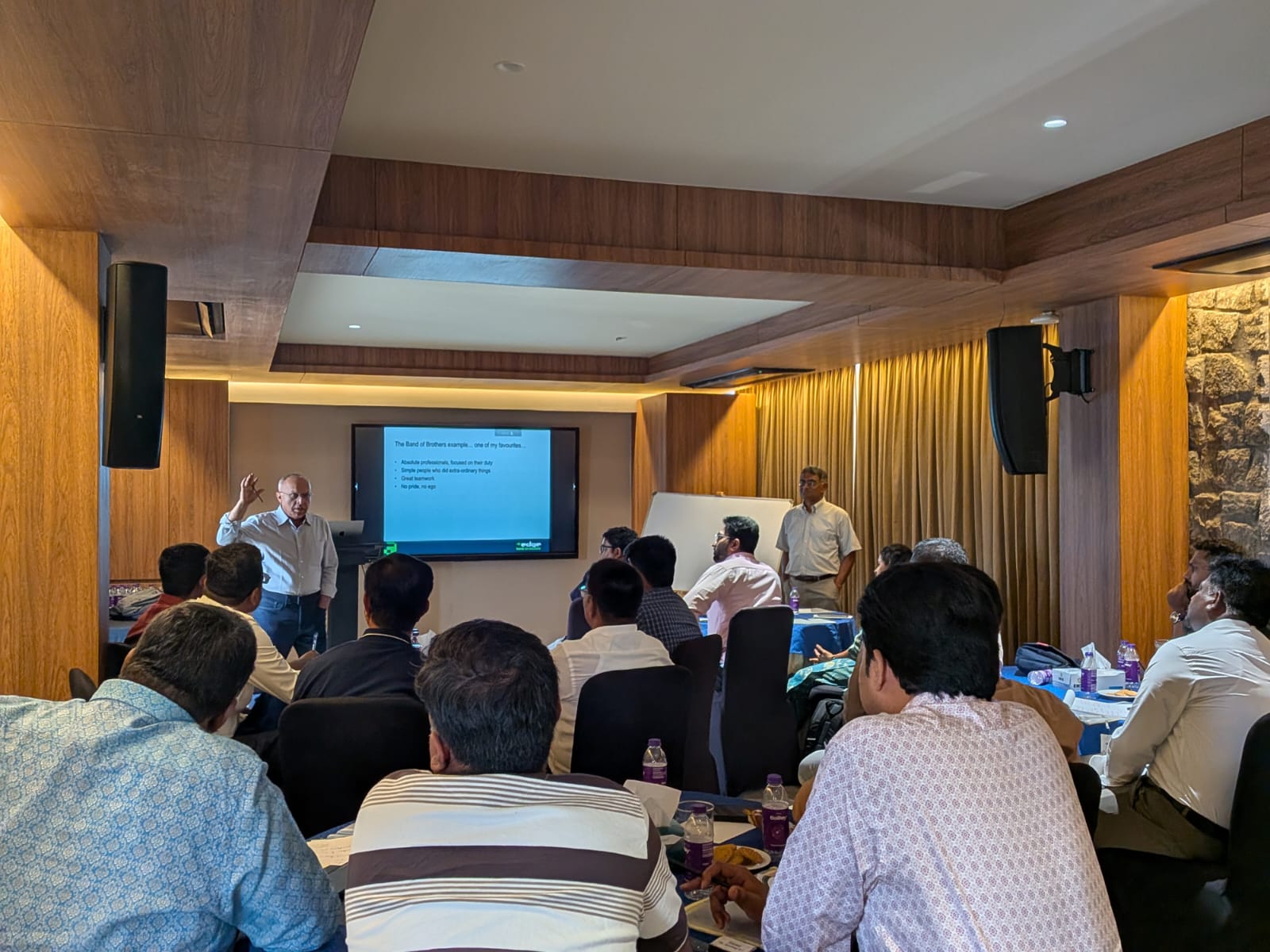
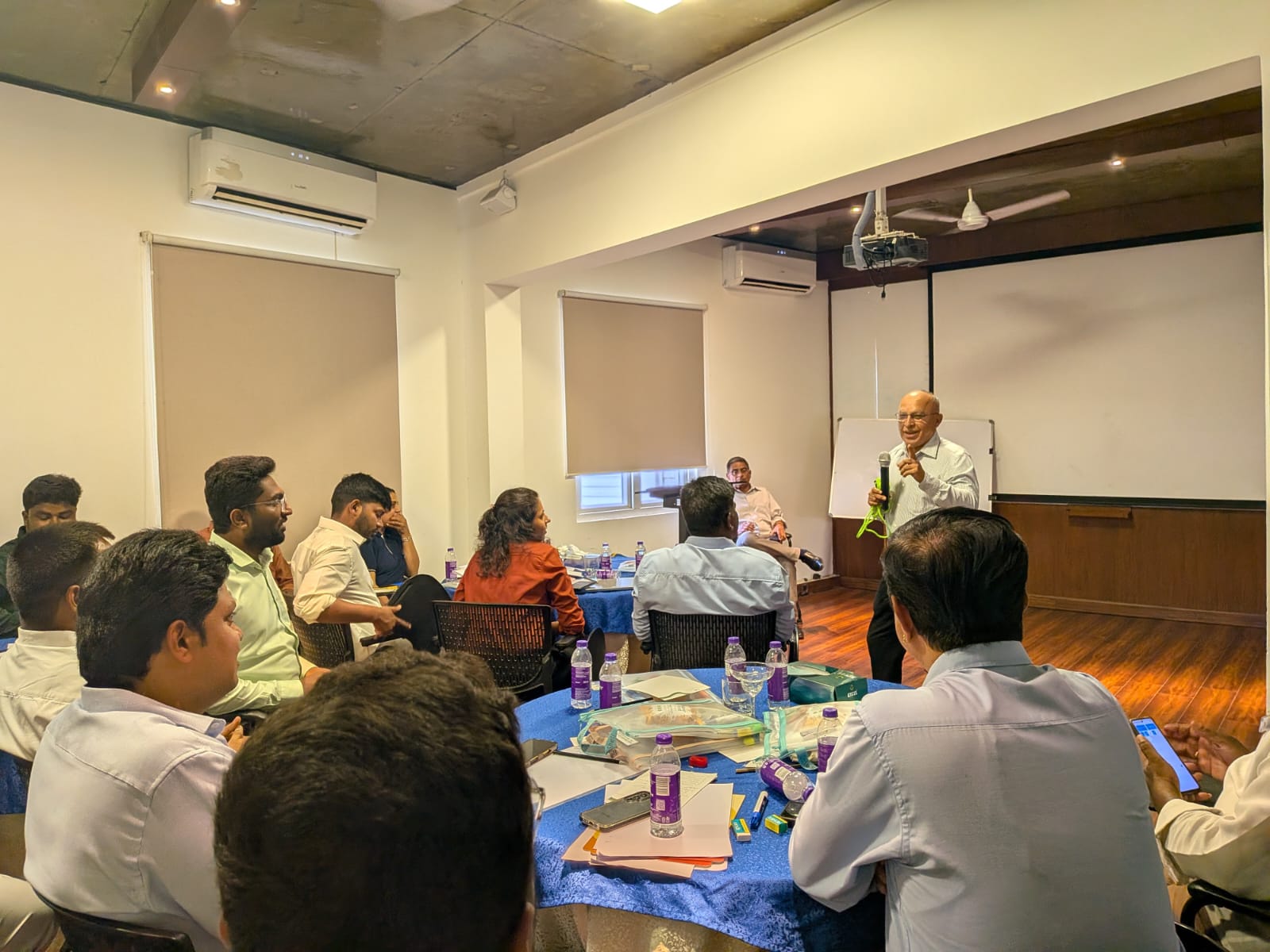
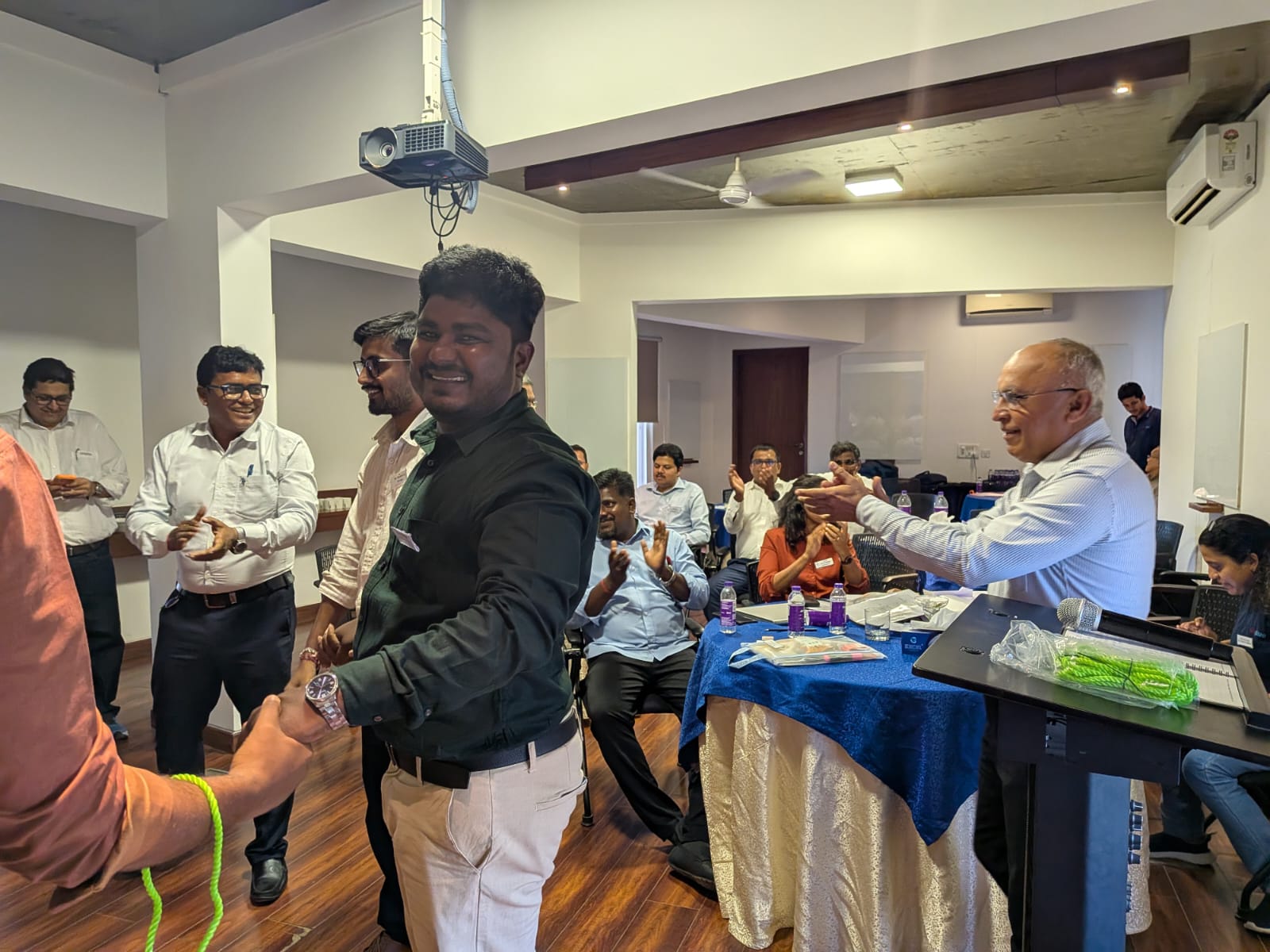
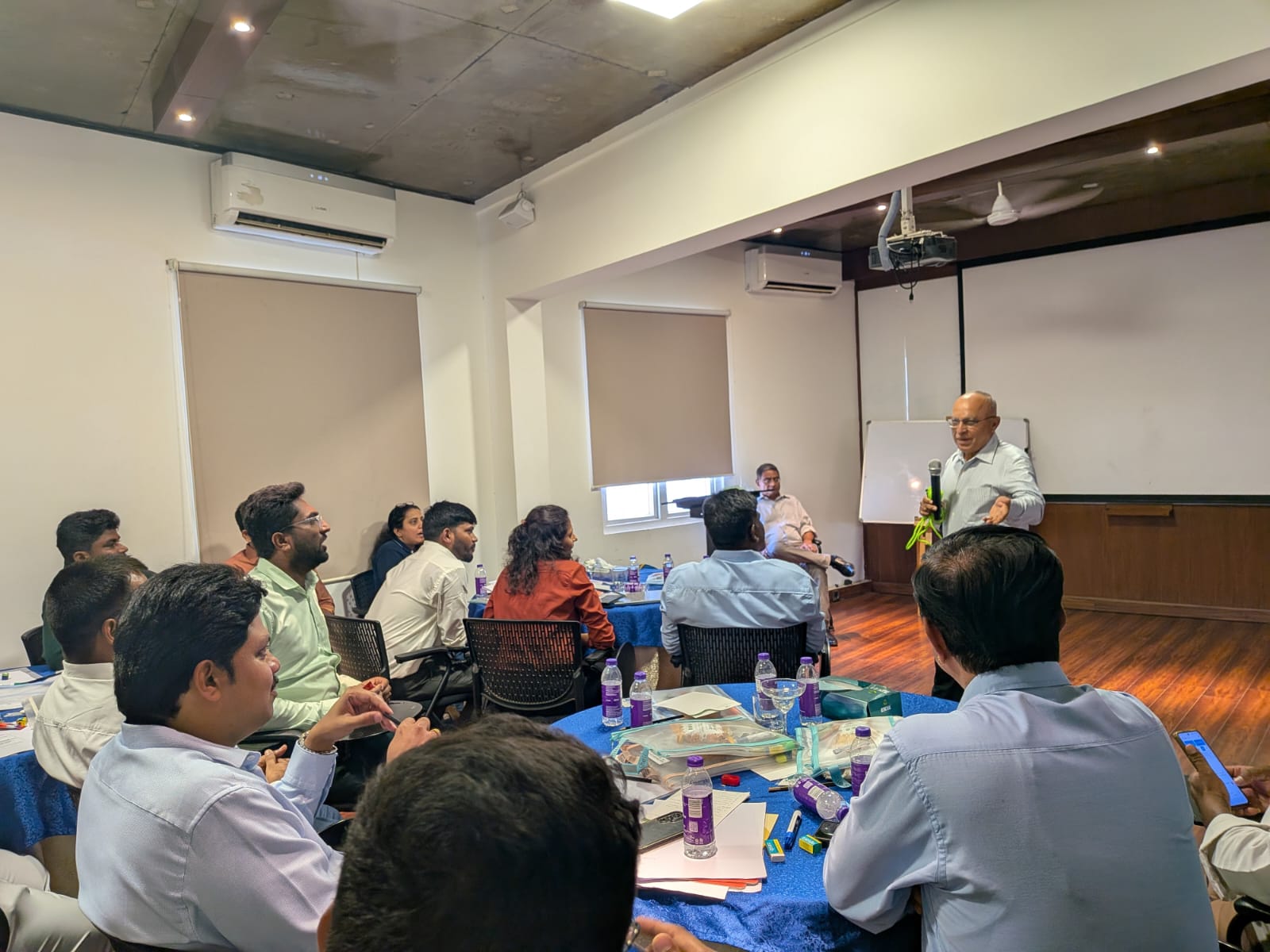
Presented my views at the event

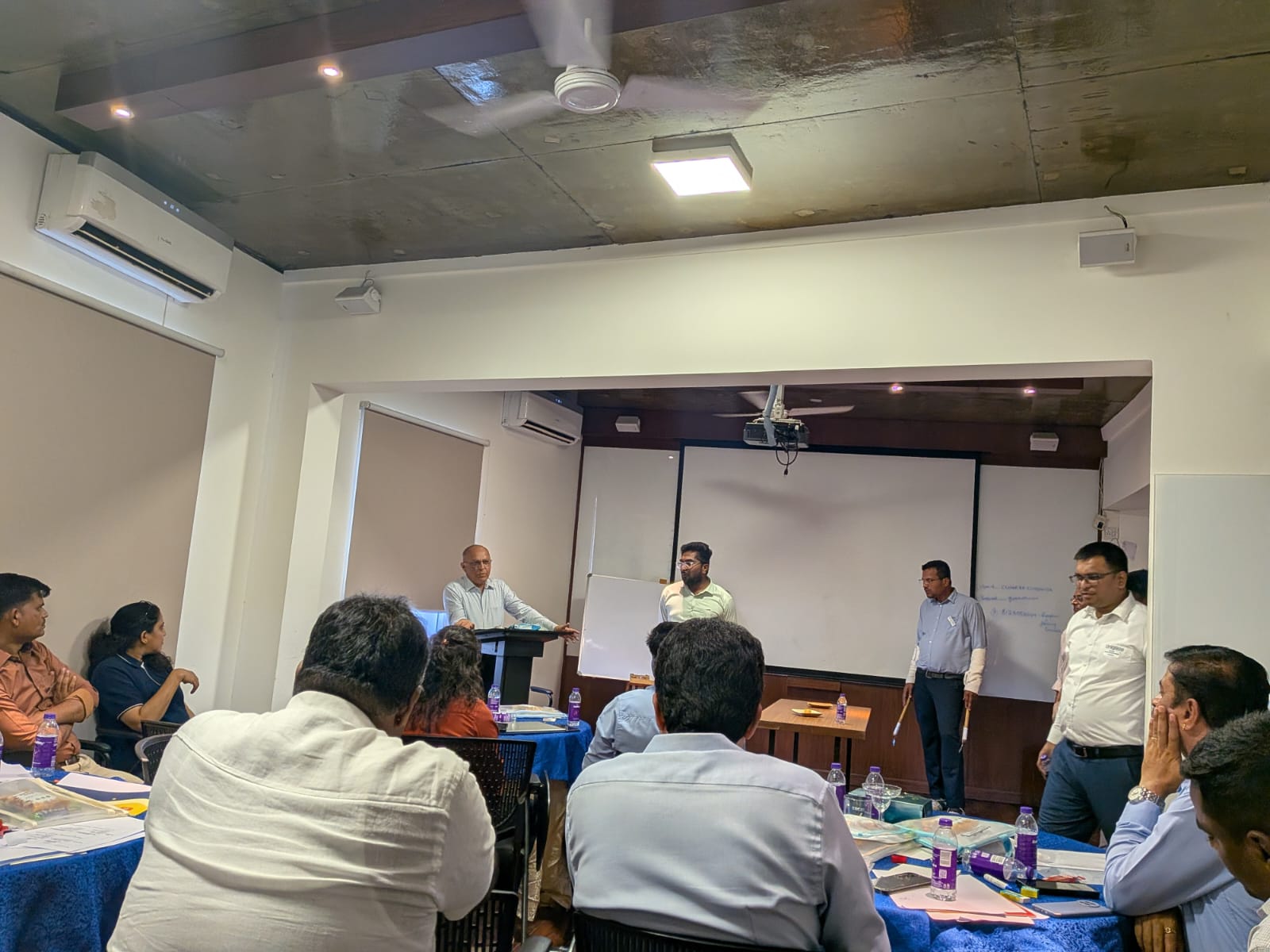
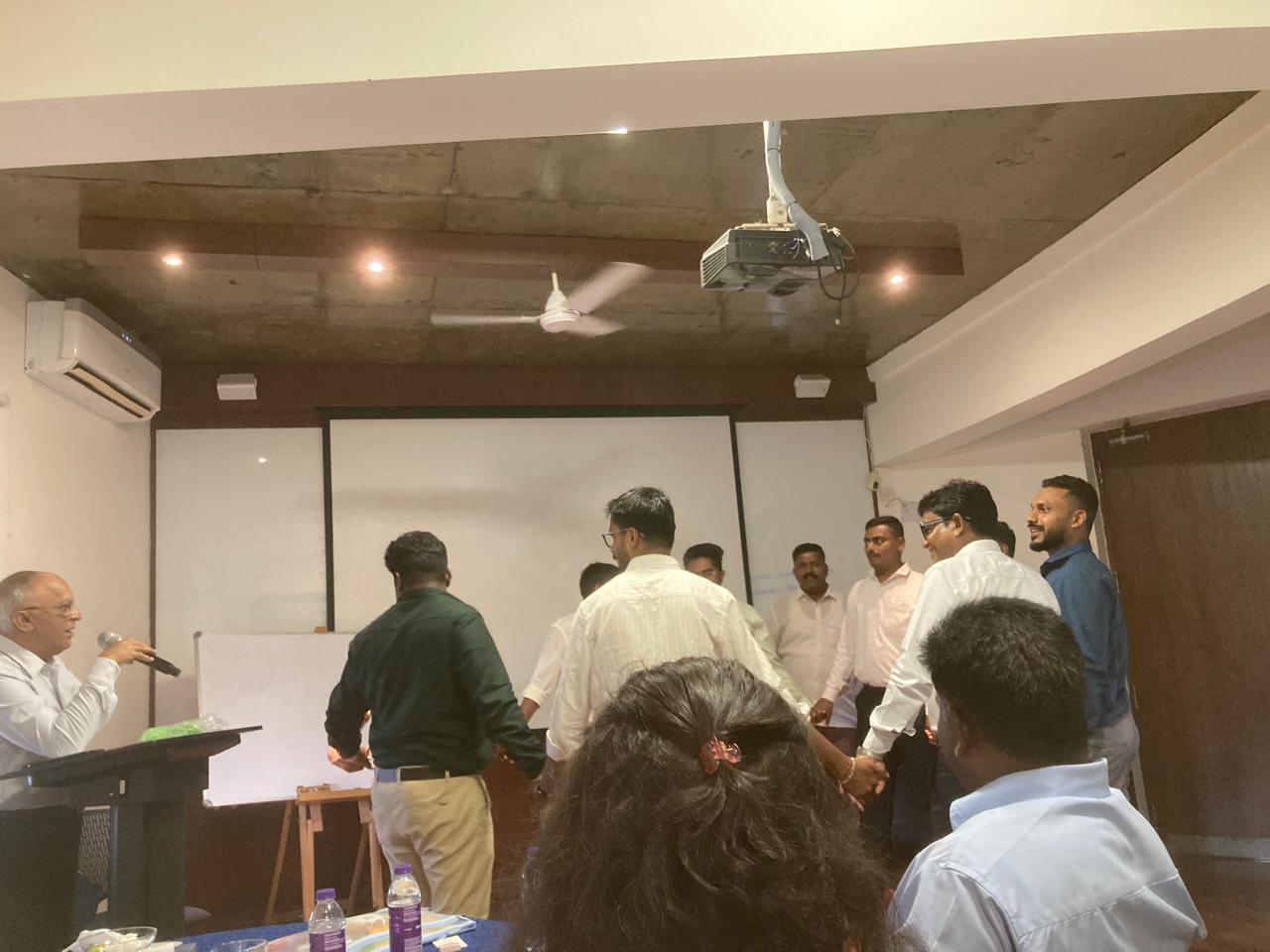
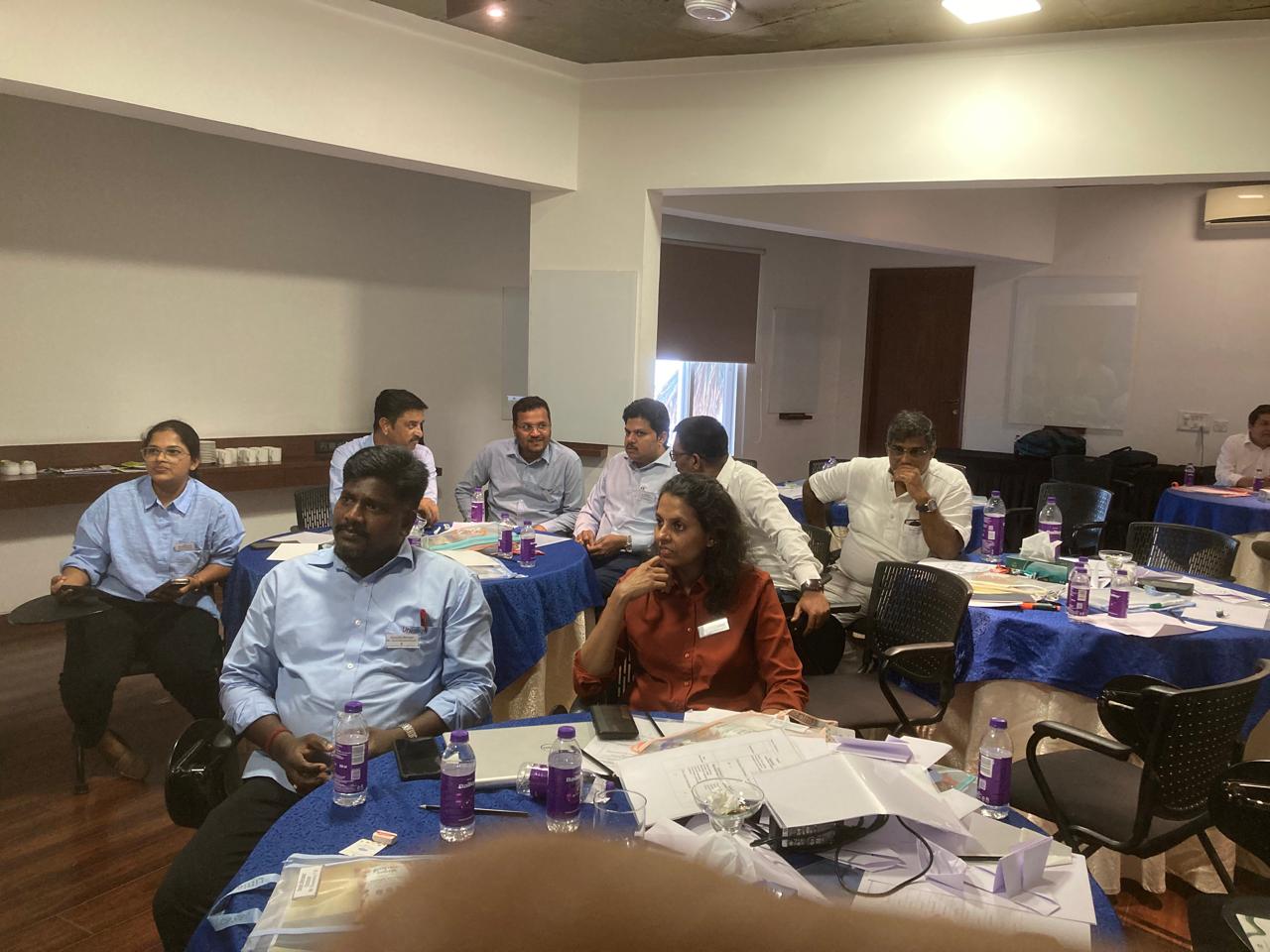
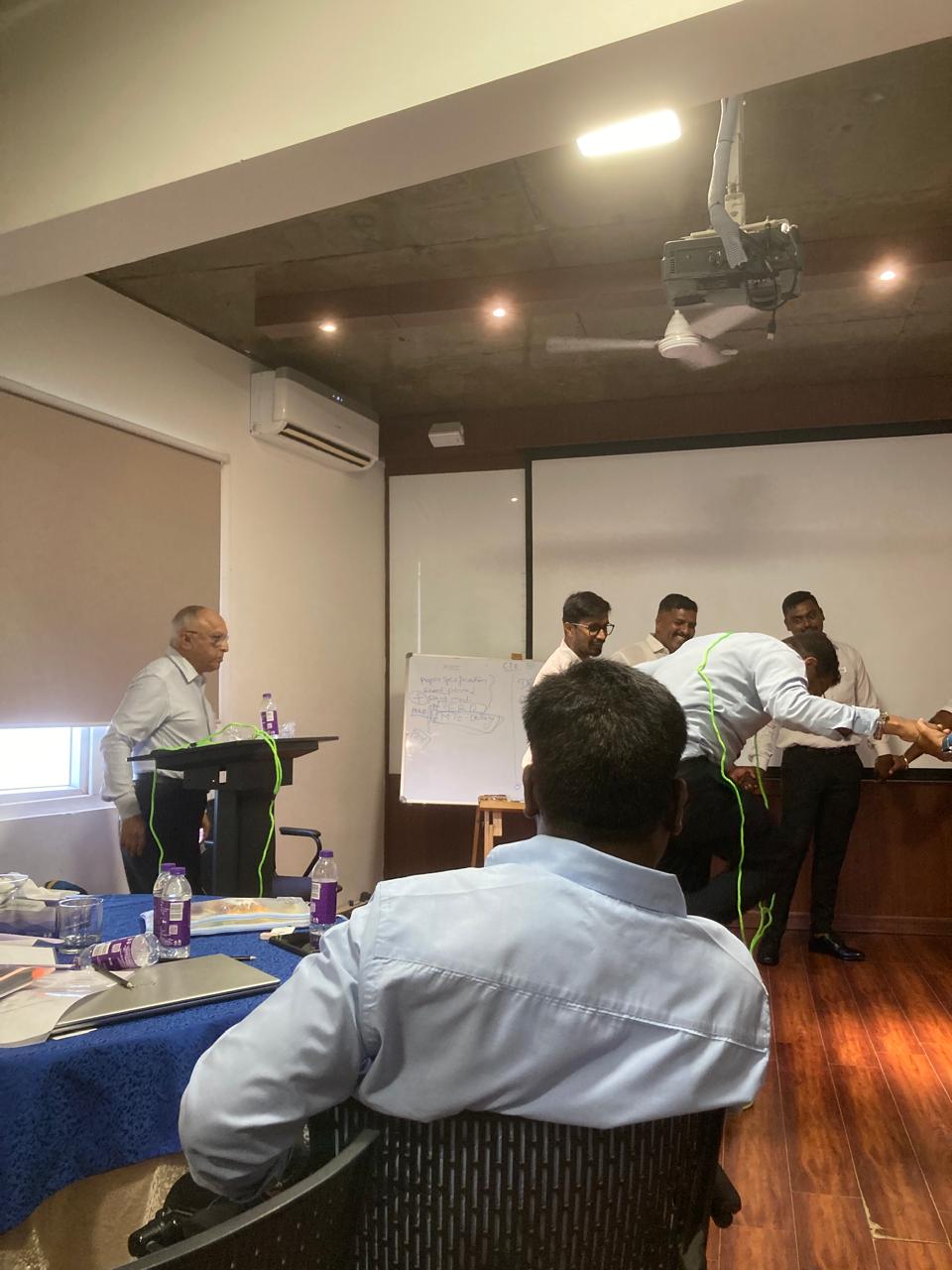
(World of Hospitality Expo 2025 Bengaluru)  on 12 Jun 25.


At first glance, the hospitality industry and the defence forces inhabit two completely different worlds. One is centred around guest comfort, luxury, and personalised experiences, while the other is dedicated to national security, combat readiness, and discipline under extreme conditions. However, beneath these surface differences lie a surprising number of commonalities. These shared values, systems, and operational philosophies testify to the importance of structure, service, and efficiency in both fields.


Service Orientation and Sense of Duty. Both professions are service-oriented at their core, albeit in different ways. Military personnel are sworn to serve the nation, protect its citizens, and uphold constitutional values, often at great personal sacrifice. Their sense of duty and patriotism define their commitment. In hospitality, professionals are committed to serving guests, ensuring their comfort, safety, and satisfaction. While the service here is commercial, it is also rooted in values like empathy, attentiveness, and responsibility. This shared service ethos cultivates a mentality where personal gain is often secondary to the satisfaction or safety of those served.


Round-the-Clock Operations. Both the defence forces and the hospitality industry function 24/7. Military readiness must always be maintained, regardless of holidays or time zones. Similarly, hotels, resorts, and airlines operate around the clock to serve guests from around the world. This means shift-based work, night duties, and an unwavering service or readiness at all hours. It demands a resilient workforce and strong time management practices.


Leadership. One of the most striking similarities is the demand for decisive leadership in high-pressure situations. Military leaders are trained to make quick, life-or-death decisions in combat zones or crises. Their ability to lead, motivate, and manage resources can make the difference between mission success and failure. While the stakes may not involve national security in the hospitality industry, emergency scenarios, natural disasters, medical emergencies, or VIP security breaches require calm, decisive leadership. Hotel managers must make swift decisions, mobilise teams, and ensure guest safety, often under public scrutiny. Emotional intelligence, stress tolerance, and strategic thinking are invaluable.


Discipline. Discipline is the cornerstone of military life. From a soldier’s daily routine to combat strategies, discipline ensures order, consistency, and operational success. The hospitality industry also demands a very high degree of self-discipline. The shared emphasis on discipline ensures operational efficiency and cultivates a professional culture where accountability and excellence are paramount.


Adherence to SOPs. The defence forces function through Standard Operating Procedures (SOPs) that define actions, responses, and protocols.  In the hospitality industry, SOPs play an equally critical role. Whether it’s how a guest is greeted at a hotel, the sanitation procedure in a kitchen, or the protocol for handling emergencies, every action is governed by established procedures. Like the military, hospitality professionals are trained to follow these processes precisely, ensuring consistency in service and guest safety.


Teamwork. Teamwork is critical in both domains. A successful military operation relies on each unit playing its part with precision. Similarly, seamless guest experiences in hospitality result from the coordination between the front office, kitchen, housekeeping, security, and other departments. In both environments, the inability of one unit to function correctly can affect the entire operation.


Professionalism and Appearance. Both industries uphold high standards of professionalism and personal grooming. Military uniforms are symbols of discipline, unity, and national pride. Similarly, the hospitality industry emphasises uniforms, grooming standards, and personal etiquette to reflect the brand’s image and deliver a sense of trust and order. This emphasis on personal presentation conveys respect for the uniform in the military and for the guest in hospitality. It helps instil a sense of pride and belonging among team members.


Attention to Detail. Attention to detail is critical in both fields, where minor oversights can have significant consequences. In the defence forces, attention to detail can be a matter of life and death. A soldier’s ability to maintain equipment, follow precise instructions, or analyse intelligence accurately can determine the success of a mission. In hospitality, a perfectly made bed, a spotless dining area, or a personalised welcome note can elevate a guest’s experience from ordinary to exceptional. Staff are trained to notice and address even the most minor issues, such as a smudge on a glass or a guest’s dietary preference, to ensure satisfaction. Both industries cultivate a meticulous approach, recognising precision drives excellence and reliability.


Training and Skill Development. Both sectors place a premium on training. Military personnel undergo intense physical, tactical, psychological, and strategic training. Constant up-skilling is required to adapt to new technologies, warfare tactics, and mission demands. Similarly, hospitality professionals are continuously trained in customer service, soft skills, foreign languages, food safety, technology, and management practices. For example, chefs train for years in culinary techniques, and front-office staff must master reservation systems, complaint handling, and cultural etiquette. This shared commitment to lifelong learning and operational readiness reinforces a culture of excellence.


Crisis Management and Emergency Preparedness. The military is trained in extreme, uncertain, and dangerous environments—war zones, peacekeeping missions, or humanitarian operations. Crisis management is embedded into military DNA. The hospitality industry must also be prepared for various crises: fire outbreaks, natural disasters, terrorist threats, pandemics, or political unrest. Hotels and resorts have evacuation plans, first-aid teams, and disaster recovery protocols. The COVID-19 pandemic demonstrated how quickly hotels had to transform into quarantine centers, adopt strict sanitisation protocols, and operate under unprecedented restrictions. Staying composed, mobilising resources, and prioritising human safety are critical in both fields.


Security and Surveillance. These are core functions of defence forces but are also increasingly relevant in the hospitality sector, particularly in high-risk locations or during high-profile events. Hotels and resorts implement CCTV monitoring, access controls, security checks, and emergency drills. VIP guests, dignitaries, and significant events often require cooperation with national security agencies. As a result, both fields rely on intelligence gathering, threat assessment, and preventive strategies to ensure people’s and property’s safety.


Logistics and Operational Efficiency. The military is a logistical powerhouse—managing supply chains, troop deployments, food, fuel, medical supplies, and infrastructure, often under time-sensitive conditions. Hospitality, while different in scale, is also logistics-intensive. Every day, hotels manage inventory, food and beverage supplies, laundry services, room turnovers, event setups, and more. Coordinating these moving parts is essential to the smooth functioning of the establishment. In both cases, operational excellence results from tight coordination, resource planning, and execution.


Cultural Awareness and Protocol. Both sectors engage with diverse populations and cultures in today’s globalised world. Military personnel are often deployed in international missions and must understand local customs to interact effectively with civilian populations and allied forces. Missteps can have diplomatic consequences. Hospitality professionals regularly deal with guests from different cultural, linguistic, and religious backgrounds. Understanding these differences ensures that services are respectful, personalised, and sensitive to guests’ needs. This shared need for cultural competence highlights the importance of empathy, protocol, and communication skills.


Ethical Standards and Accountability. Both sectors require strong moral standards. The military adheres to codes of conduct related to rules of engagement, treatment of prisoners, and civilian protection. Violations can have legal and diplomatic consequences. Hospitality professionals must also maintain ethical conduct, ensuring guest privacy, honest billing, fair labour practices, and non-discrimination. Breaches can damage reputations and invite legal repercussions. A shared culture of integrity and accountability builds public trust and internal cohesion.


Conclusion

Despite their apparent differences in purpose and context, the hospitality industry and the defence forces are more alike than commonly perceived. Both are service-oriented, discipline-driven, and operationally complex. They rely on structured training, teamwork, ethical conduct, and the ability to perform under pressure.


Please Add Value to the write-up with your views on the subject.


1905
Default rating

Please give a thumbs up if you  like The Post?


For regular updates, please register your email here:-

Subscribe


References and credits

To all the online sites and channels.

Pics Courtesy: Internet

Disclaimer:

Information and data included in the blog are for educational & non-commercial purposes only and have been carefully adapted, excerpted, or edited from reliable and accurate sources. All copyrighted material belongs to respective owners and is provided only for wider dissemination.


References:-

  1. Chand, M. (2010). “The impact of HRM practices on service quality, customer satisfaction and performance in the Indian hotel industry.” International Journal of Human Resource Management, 21(4), 551–566.
  1. Andrews, S., & Kasavana, M. L. (2006). The Hospitality Industry Handbook on Nutrition and Menu Planning. Juta and Company Ltd.
  1. Jones, T., Hillier, D., & Comfort, D. (2016). “Security and safety in the hospitality industry: The case of hotel chains.” Journal of Retail & Leisure Property, 6(3), 193–203.
  1. Paraskevas, A. (2013). “Aligning strategy to threat: A baseline anti-terrorism strategy for hotels.” International Journal of Contemporary Hospitality Management, 25(1), 140–162.
  1. Roper, C. A. (1999). Emergency Response Planning for Corporate and Municipal Managers. Butterworth-Heinemann.
  1. Walker, J. R. (2021). Introduction to Hospitality Management (6th ed.). Pearson Education.
  1. Yammarino, F. J., & Bass, B. M. (1990). “Transformational leadership and multiple levels of analysis.” Human Relations, 43(10), 975–995.
  1. Baum, T. (2006). Human Resource Management for Tourism, Hospitality and Leisure: An International Perspective. Cengage Learning EMEA.
  1. Brotherton, B. (2012). International Hospitality Industry: Structure, Characteristics and Issues. Routledge.
  1. Bruneau, T., & Matei, F. (2013). The Routledge Handbook of Civil-Military Relations. Routledge.
  1. Crawford, C. B., & Hubbard, S. S. (2009). The impact of transformational leadership on hospitality service quality. Tourism and Hospitality Research, 9(3), 253–261. https://doi.org/10.1057/thr.2009.14
  1. Ghobadian, A., Speller, S., & Jones, M. (1994). Service quality: Concepts and models. International Journal of Quality & Reliability Management, 11(9), 43–66.
  1. O’Fallon, M. J., & Rutherford, D. G. (2010). Hotel Management and Operations (5th ed.). Wiley.
  1. Pizam, A. (2010). Professional behaviour in hospitality. International Journal of Hospitality Management, 29(3), 329–330.

651: GLOBAL CITIZENSHIP IN EDUCATION AND DIGITAL SPACE


Global citizenship has become crucial to education and digital engagement in an increasingly interconnected world. Global citizenship in education extends beyond national boundaries, emphasising cross-cultural understanding, ethical responsibility, and sustainable development. Schools and universities worldwide are integrating global perspectives into curricula, encouraging students to develop intercultural competence, critical thinking, and a sense of global responsibility.

Simultaneously, digital technology has revolutionised how individuals engage with the world, empowering them with unprecedented access to information, communication, and collaboration. The rise of social media, online learning platforms, and digital activism has given individuals the power to participate in global conversations, advocate for social justice, and address pressing global challenges. However, integrating global citizenship into digital spaces raises concerns about misinformation, digital divides, and ethical dilemmas.

As education systems adapt to the digital age, the role of educators in fostering responsible and informed global citizens has become more critical. This article explores the intersection of global citizenship, education, and digital engagement, examining how technological advancements can support inclusive, ethical, and globally aware learning experiences.


Defining Global Citizenship. Global citizenship recognises that individuals are part of an interconnected world, with rights and responsibilities beyond national borders. It emphasises a shared humanity, fostering awareness, empathy, and action toward global challenges such as climate change, social justice, and inequality. A global citizen values cultural diversity, engages in critical thinking, and works to create a more just and sustainable world. In education, global citizenship promotes interdisciplinary learning, ethical reasoning, and digital literacy, empowering individuals to navigate complex global issues responsibly. It is not just about knowledge but also about fostering a mindset of cooperation and collective responsibility.


Global Citizenship in Education

Incorporating Global Perspectives in Curricula. Education shapes global citizens by integrating international issues into school curricula. Topics such as climate change, human rights, and sustainable development are increasingly included in history, science, and social studies. Programs like the International Baccalaureate (IB) and UNESCO’s Global Citizenship Education (GCED) emphasise critical thinking, cross-cultural understanding, and ethical responsibility. By learning about global challenges and solutions, students develop the knowledge and skills to engage in international problem-solving. This approach broadens perspectives and fosters a sense of responsibility toward creating a more just and sustainable world.

Cultural Exchange and Study Abroad Programs. Cultural exchange and study abroad programs provide students with first-hand experiences of global diversity, fostering intercultural competence and global awareness. Initiatives like Erasmus+, Fulbright, and Model United Nations encourage collaboration with peers from different backgrounds, helping break down stereotypes and promote tolerance. Exposure to other cultures enhances adaptability, communication skills, and appreciation for diverse perspectives. These experiences also help students build international networks, which can lead to future academic and professional opportunities. By engaging with different cultural contexts, students develop the ability to navigate an increasingly interconnected world, strengthening their role as global citizens and future leaders.

Service Learning and Civic Engagement. Service learning and civic engagement encourage students to apply their knowledge to real-world global challenges, fostering empathy and problem-solving skills. Community service projects focused on poverty alleviation, environmental conservation, and public health initiatives help students understand global inequalities and take meaningful action. Collaborations with international NGOs provide hands-on experiences addressing disaster relief, education access, and sustainable development. These opportunities teach students the value of civic responsibility and empower them to become proactive global citizens. Through service learning, students gain a deeper understanding of social issues while developing leadership, teamwork, and ethical decision-making skills.

Multilingual Education. Multilingual education is key to global citizenship, enhancing communication, cultural empathy, and international mobility. Learning multiple languages allows individuals to engage with different cultures, reducing language barriers and fostering deeper connections with people worldwide. Proficiency in more than one language opens doors to diverse career opportunities in international business, diplomacy, and humanitarian work. Additionally, multilingualism improves cognitive flexibility and adaptability, crucial skills in today’s globalised society. By encouraging language learning from an early age, educational systems help students develop the ability to navigate cross-cultural interactions and contribute effectively to the global community.


Global Citizenship in Digital Spaces

Social Media and Digital Activism. Social media has revolutionised global activism by providing a platform for awareness, advocacy, and mobilisation. Movements like #FridaysForFuture, #MeToo, and #BlackLivesMatter have demonstrated the power of digital spaces in amplifying marginalised voices and pushing for social change. Online petitions, crowdfunding platforms, and viral campaigns allow individuals to support humanitarian causes, from disaster relief to policy reforms. However, digital activism requires responsibility to ensure ethical engagement and avoid misinformation. Global citizens can drive real-world change in an increasingly connected digital landscape by using social media to spread awareness, engage in meaningful discussions, and support impactful initiatives.

Online Learning and Virtual Collaboration. The rise of online learning has made global education more accessible than ever before. Platforms like Coursera, edX, and Khan Academy offer MOOCs (Massive Open Online Courses) that allow individuals to gain knowledge from leading institutions worldwide. Virtual classrooms, international webinars, and online research collaborations connect students and professionals from diverse cultural backgrounds, fostering cross-border learning and exchange. These digital tools break geographical barriers and democratise education, enabling lifelong learning and professional development. By engaging in virtual collaboration, global citizens expand their knowledge, build international networks, and contribute to the shared goal of global progress and innovation.

Combatting Misinformation and Promoting Media Literacy. The digital age has made information more accessible and increased the spread of misinformation and biased narratives. Global citizens must develop strong media literacy skills to critically evaluate online content and differentiate between reliable and misleading sources. Fact-checking, cross-referencing information, and recognising propaganda tactics are essential for responsible digital engagement. Promoting informed discourse requires individuals to question sources, engage in constructive debates, and avoid sharing unverified content. By fostering critical thinking and ethical online behaviour, global citizens can help create a more informed and truthful digital environment that supports democratic values and social progress.

Bridging the Digital Divide. While digital globalisation offers immense opportunities, millions still lack access to the internet, digital education, and technological resources. This digital divide disproportionately affects low-income communities and developing countries, limiting their participation in the global economy and education system. Efforts to provide affordable internet, expand digital literacy programs, and improve technological infrastructure are essential to creating an inclusive digital world. Governments, NGOs, and tech companies are vital in ensuring equitable access to technology. By advocating for digital inclusion, global citizens can help bridge the gap and create a world where technology benefits everyone, not just the privileged few.


Conclusion

Global citizenship in education and the digital sphere is more than just a concept—it is a call to action for fostering informed, responsible, and ethical global participants. As technology reshapes learning and communication, education must evolve to equip individuals with the skills to engage critically, collaborate across cultures, and address global challenges. By integrating global perspectives with digital tools, we can cultivate a generation of socially conscious and digitally literate citizens. Ultimately, global citizenship empowers individuals to understand the world and actively contribute to a more inclusive, sustainable, and interconnected future.


Please Add Value to the write-up with your views on the subject.


1905
Default rating

Please give a thumbs up if you  like The Post?


For regular updates, please register your email here:-

Subscribe


References and credits

To all the online sites and channels.

Pics Courtesy: Internet

Disclaimer:

Information and data included in the blog are for educational & non-commercial purposes only and have been carefully adapted, excerpted, or edited from reliable and accurate sources. All copyrighted material belongs to respective owners and is provided only for wider dissemination.


References:-

  1. Pashby, K. (2011). Questions for Global Citizenship Education in the Context of the Digital Age. Education Policy Analysis Archives, 19(34), 1-25.
  1. Selby, D., & Kagawa, F. (2011). Runaway Climate Change as a Challenge for the “Sustainability Mindset” in Global Education. Canadian Journal of Environmental Education, 16, 31-50.
  1. Lankshear, C., & Knobel, M. (2008). Digital Literacies: Concepts, Policies, and Practices. Peter Lang.
  1. United Nations. (2016). The Sustainable Development Goals Report. UN Publications.
  1. UNESCO. (2018). Global Citizenship Education: Preparing Learners for the Challenges of the 21st Century. UNESCO Publishing.
  1. OECD. (2021). The Future of Education and Skills 2030. OECD Publishing.
  1. World Economic Forum. (2020). Schools of the Future: Defining New Models of Education for the Fourth Industrial Revolution.
  1. Oxley, L., & Morris, P. (2013). Global Citizenship: A Critical Introduction. Routledge.
  1. Veugelers, W. (Ed.). (2017). Education for Democratic Intercultural Citizenship. Brill Sense.
  1. Global Citizen. (2022). How Digital Activism is Shaping Global Change.
  1. Harvard Graduate School of Education. (2021). The Role of Technology in Global Citizenship Education.
  1. The Guardian. (2021). How Social Media is Reshaping Global Citizenship.
English हिंदी