
732: STRATEGIC LEADERSHIP AND INNOVATIVE ADAPTABILITY IN THE ARMED FORCES: BUILDING A FUTURE-READY MILITARY


Article published on the “Life Of Soldier” website on 02 Sep 25


In an era marked by rapid shifts in global security dynamics, the armed forces face unprecedented challenges that necessitate a transformative approach to maintain their effectiveness and relevance. The emergence of cyber warfare, autonomous weapon systems, hybrid threats, and the militarisation of space has fundamentally altered the nature of conflict. These developments, combined with geopolitical uncertainties such as great power competition and climate-driven conflicts, necessitate that militaries be agile, forward-thinking, and capable of operating in complex and ambiguous environments. At the heart of this transformation lie two interdependent competencies: strategic leadership and innovative adaptability. These symbiotic forces form the backbone of a modern military, enabling it to anticipate, shape, and dominate the evolving battlespace while ensuring national security and sovereignty.


Strategic Leadership in the Armed Forces

Strategic leadership, the cornerstone of guiding complex military institutions through uncertainty, is both an art and a science. It requires leaders to envision the military’s role within a broader geopolitical and technological context while aligning resources with long-term objectives. Unlike tactical leadership, which focuses on immediate operational goals, strategic leadership operates at a higher level, anticipating future threats, setting clear priorities, and fostering a culture of collaboration across diverse domains. This holistic approach ensures that the armed forces remain prepared for both current and emerging challenges.

Strategic leaders, whose influence extends across all levels of the military, play a pivotal role in shaping its culture, priorities, and readiness. They must possess foresight to anticipate disruptions, emotional intelligence to navigate complex human dynamics, and the ability to make high-stakes decisions under pressure. By fostering a culture of anticipation and calculated risk-taking, strategic leaders lay the groundwork for future force structures, doctrines, and capabilities that can adapt to an unpredictable world.


Key Attributes of Strategic Leadership

Vision and Foresight. The strategic leaders of our armed forces possess a unique ability to look beyond current conflicts and capabilities, anticipating emerging threats such as cyber warfare, space militarisation, asymmetric insurgencies, and the rise of new global powers. This forward-looking approach informs decisions about developmental programs, technological investments, and international partnerships that will shape military readiness for decades to come. Their strategic foresight reassures us that our armed forces are prepared for the challenges of the future.

Complex Decision-Making. Operating in environments characterised by ambiguity and constant change, strategic leaders must navigate competing interests and nuanced geopolitical contexts. Decisions made at this level—whether to invest in next-generation fighter jets or bolster cyber defence capabilities—carry significant consequences for national security. Leaders must balance immediate needs with long-term goals, often under intense scrutiny and with incomplete information.

Clear Prioritisation. Defence resources, including budgets, personnel, and equipment, are inherently limited. Our strategic leaders must make difficult trade-offs to align resources with the most critical objectives, ensuring maximum preparedness and impact. This may involve prioritising investments in artificial intelligence over traditional platforms or reallocating personnel to specialised cyber units. Their clear prioritisation instils confidence in the effectiveness of our armed forces.

Promoting Jointness. Modern conflicts demand integrated responses across multiple domains—land, sea, air, cyber, and space—as well as coordination with government agencies, industries, and allied forces. Strategic leaders foster interoperability and collaboration, breaking down silos and overcoming inter-service rivalries to create a unified defence posture that leverages diverse capabilities.


Innovative Adaptability

While strategic leadership provides the vision and direction, innovative adaptability ensures that this vision is translated into operational success. This dynamic capability enables our armed forces to maintain a competitive edge by continuously evolving tactics, technologies, and organisational structures to meet the demands of 21st-century warfare. Innovative adaptability is not just about adopting new technologies; it’s about rethinking doctrines, streamlining decision-making processes, and embracing unconventional approaches. This approach ensures that our forces remain agile, resilient, and prepared for unexpected challenges, giving us confidence in the position of our armed forces.

The rapid evolution of warfare, exemplified by drone swarms reshaping air defence or cyber operations blurring the lines between peace and conflict, underscores the need for adaptability. Success depends not only on acquiring cutting-edge technologies but also on integrating them effectively into operational frameworks, ensuring that forces remain agile, resilient, and prepared for unexpected challenges.


Key Traits of Innovative Adaptability

    • Indigenous Defence Technologies. Developing domestic capabilities in areas such as weapons systems, surveillance, and cyber defence reduces reliance on foreign suppliers and enables tailored solutions to meet specific national security needs. For instance, indigenous drone programs or cyber defence platforms can be customised and upgraded rapidly to address evolving threats.
    • Evolving Combat Doctrines. Lessons from recent conflicts, simulations, and technological advancements continually reshape the principles of warfare. Leading militaries integrate these insights to refine doctrines governing troop deployment, cyber operations, and multi-domain engagements, ensuring responsiveness to dynamic threats.
    • Modernised Training. Advances such as AI-powered war gaming, virtual reality simulators, and joint multinational exercises enhance force preparedness. These tools enable personnel to test new tactics, simulate complex scenarios, and develop adaptive thinking essential for multifaceted operational theatres.
    • Agile Procurement. Traditional military acquisition processes are often slow, which can lead to technological obsolescence. Innovative adaptability requires streamlined procurement cycles that accelerate the development and deployment of new capabilities, enabling rapid responses to emerging threats and opportunities.

Institutionalising Adaptive Innovation. To embed innovative adaptability within military culture, several enablers are critical:-

    • Decentralised Decision-Making. Empowering junior leaders to make swift decisions without awaiting top-down directives fosters initiative and accelerates innovation. This is particularly vital in fast-paced, dynamic battlefields where delays can be costly.
    • Failure-Tolerant Ecosystems. Innovation thrives on experimentation, and not all experiments succeed. Militaries must cultivate a mindset where calculated risks and initial failures are seen as learning opportunities, encouraging bold ideas without fear of undue repercussions.
    • Collaborative Networks. Partnerships with academia, private sector innovators, startups, and think tanks create a vibrant defence innovation ecosystem. These collaborations accelerate the translation of cutting-edge research into field-ready capabilities, enhancing overall readiness.
    • Continuous Learning. Feedback loops from exercises, operations, and even failures must inform doctrine development and strategic planning. A responsive learning architecture ensures that the military evolves proactively rather than reactively.


Symbiotic Relationship

The strength of modern armed forces lies in the seamless integration of strategic leadership and innovative adaptability. Strategic leadership defines the “why” and “what” of military preparedness, setting objectives and priorities that drive the organisation’s direction. Innovative adaptability provides the “how,” equipping forces with the tools, technologies, and flexibility to execute that vision. Without leadership, innovation risks becoming unfocused, wasting resources on misaligned efforts. Without adaptability, strategies stagnate, unable to address evolving threats. Together, they create a dynamic cycle of planning, execution, and refinement, enabling militaries to shape the battlespace proactively.

For example, achieving self-reliance in defence manufacturing requires strategic leadership to prioritise reduced foreign dependency, coupled with adaptive institutions to drive innovation, foster industry partnerships, and reform procurement policies. Similarly, modern doctrines like Multi-Domain Operations (MDO) depend on leadership to set priorities and adaptability to execute through advanced training, simulations, and joint exercises.


Challenges

Balancing strategic leadership and innovative adaptability presents significant hurdles:-

    • Resistance to Change. The hierarchical, tradition-bound nature of military institutions often resists innovations that challenge established norms. Modernising legacy systems, for instance, may face pushback from traditionalists who favour proven methods over untested technologies.
    • Resource Constraints. Limited budgets force leaders to prioritise carefully, balancing visionary projects with immediate operational needs. Rapid procurement of cutting-edge technologies often competes with maintaining existing capabilities.
    • Complex Coordination. Aligning services, government agencies, industries, and allies demands exceptional leadership and transparency to overcome rivalries and ensure cohesive collaboration.
    • Human Capital Development. Building a future-ready force requires personnel who are technologically proficient, cognitively agile, emotionally resilient, and ethically grounded. Leaders must invest in education and foster an innovative mindset to counter bureaucratic inertia and drive progress.


Opportunities and Way Ahead

The evolving security landscape, driven by technologies like quantum computing, directed-energy weapons, and biotechnology, alongside geopolitical challenges like great power competition, presents opportunities for transformation. Armed forces must prioritise leadership development and innovation ecosystems, cultivating strategic and collaborative leaders and frameworks for rapid technology adoption. Partnerships with academia, industry, and allies can enhance agility and resilience.

Leaders should champion adaptability as a core value, leveraging initiatives like hackathons, innovation labs, and programs such as India’s iDEX, which engages startups to address defence challenges. Embedding adaptability, strategic thinking, and technological proficiency into training programs will develop visionary, pragmatic leaders equipped for modern complexities.


Conclusion

Strategic leadership and innovative adaptability are the twin pillars of a future-ready military. Leadership provides the vision and cultural foundation to navigate uncertainty, while adaptability delivers the tools and agility to execute it. Together, they empower armed forces to anticipate and shape the battle space, rather than merely react to it. In a world of constant change, fostering this synergy is a national priority. By cultivating visionary leaders and embracing innovation, militaries will remain proactive, resilient, and prepared, ensuring peace, stability, and sovereignty for decades to come.


Please Add Value to the write-up with your views on the subject.


1882
Default rating

Please give a thumbs up if you  like The Post?


For regular updates, please register your email here:-

Subscribe

Link to the article on the website:-

https://www.lifeofsoldiers.com/2025/09/02/strategic-leadership-and-innovative-adaptability-in-the-armed-forces-building-a-future-ready-military/


References and credits

To all the online sites and channels.

Pics Courtesy: Internet

Disclaimer:

Information and data included in the blog are for educational & non-commercial purposes only and have been carefully adapted, excerpted, or edited from reliable and accurate sources. All copyrighted material belongs to respective owners and is provided only for wider dissemination.



References:-

  1. Cohen, E. A. (2017). The Big Stick: The Limits of Soft Power and the Necessity of Military Force. Basic Books.
  2. Murray, W., & Millett, A. R. (Eds.). (2006). Military Innovation in the Interwar Period. Cambridge University Press.
  3. Innovations for Defence Excellence (iDEX). (2023). iDEX: Fostering Innovation for Defence
  4. Mintzberg, H. (2005). Strategy Bites Back: It Is Far More, and Less, Than You Ever Imagined. Pearson Education.
  5. Gerras, S. J., & Wong, L. (2016). Moving Beyond the Rhetoric of Adaptability. U.S. Army War College Strategic Studies Institute.
  6. Defense Innovation Unit (DIU), U.S. Department of Defense (2023). Annual Report.
  7. Betts, R. K. (2017). Military Readiness: Concepts, Choices, Consequences. Brookings Institution Press.
  8. Binnendijk, A., & Marler, T. (2019). A Framework for Understanding Military Adaptation and Innovation. RAND Corporation.
  9. Leonard, R. (2021). Principles of War and Military Innovation. Parameters, U.S. Army War College Quarterly, Vol. 51, No. 2.
  10. The Economist Intelligence Unit (2023). Global Defence Technology Trends: Innovation at the Frontline.

731: AIR SUPERIORITY AND SEAD/DEAD OPERATIONS: EVOLUTION, TECHNOLOGIES, AND STRATEGIC IMPORTANCE


Presented my views on the subject (corelating it to you context) at a seminar in Leh on 26 Aug 25.


Air superiority, the ability to control the airspace over a battlefield, is essential to modern military strategy. It allows for unrestricted air operations, supports joint force manoeuvres, facilitates deep strike campaigns, and strengthens deterrence against opponents. Achieving and maintaining air superiority relies heavily on Suppression of Enemy Air Defences (SEAD) and Destruction of Enemy Air Defences (DEAD). These crucial techniques have evolved from basic tactics during the World Wars to complex, multi-domain operations in modern conflicts. This article discusses the strategic importance of air superiority, outlines the historical development of SEAD and DEAD, examines key concepts and technologies, and looks at their role in contemporary air campaign planning and joint force doctrine.


Air Superiority: A Strategic Importance 

Air superiority allows friendly forces the freedom to conduct air operations while denying that capability to the enemy. Its strategic value lies in its enabling role in multiple areas of warfare: 

Unrestricted Aerial Operations. Control of the air lets aircraft carry out reconnaissance, close air support, intelligence, surveillance, reconnaissance, and precision strikes with little risk from enemy air defences or fighters. This freedom is vital for maintaining operational pace and reaching mission objectives. 

Joint Force Operations. Air superiority protects ground and naval forces from enemy air attacks, allowing freedom of movement. It also provides real-time intelligence, improving awareness across the joint force. 

Deep Strike Campaigns. Dominating the air enables strikes against key targets deep within enemy territory, such as command and control nodes, logistics centers, or infrastructure. These operations disrupt the enemy’s ability to conduct combat operations. 

  1. Ensuring Deterrence. Having credible air superiority helps deter adversaries by showcasing the ability to neutralise their air defences and project power effectively. This can prevent conflicts by signalling a strong military presence.

Historical examples highlight the significance of air superiority. During World War II, the Allies’ air control over Normandy contributed to the success of D-Day. In the 1991 Gulf War, coalition forces quickly achieved air superiority, effectively crippling Iraq’s capacity to resist. In current conflicts, such as those in Iraq, Syria, and Ukraine, air superiority has been crucial for enabling precision strikes, protecting ground forces, and maintaining supply lines. Without air superiority, joint operations are at greater risk, and deep strikes or deterrent efforts become less effective.


The Origin and Evolution of SEAD: Concepts and Technologies 

The roots of SEAD can be traced back to the World Wars, when early air defences, mainly anti-aircraft artillery, posed serious threats to air operations. SEAD has since developed into a complex, multi-domain discipline in response to more sophisticated integrated air defence systems. 

World Wars I and II (1914–1945). In World War I, air defences were limited to anti-aircraft artillery and small arms. Efforts to suppress enemy defences involved strafing gun placements or avoiding known threats. Air superiority was mostly achieved through air-to-air combat. By World War II, the introduction of radar-guided anti-aircraft artillery necessitated focused SEAD tactics. Allied forces undertook “Flak Neutralisation Missions,” using bombers or fighters to suppress anti-aircraft guns with bombs, rockets, or machine guns. These missions depended on visual targeting and massive formations, using electronic countermeasures like chaff to disrupt radar. They carried high risks due to limited precision and awareness, depending heavily on pilot skill and overwhelming force.  The development of radar jamming technology was another significant step. The British, for instance, deployed the “Window” system, which involved dropping strips of aluminium foil to confuse enemy radar systems. These early efforts laid the foundation for the sophisticated SEAD tactics employed in later conflicts.

Cold War and Vietnam War (1950s–1970s). The Korean War introduced jet aircraft, but did not see significant advancements in SEAD due to less sophisticated air defences. However, the Vietnam War marked a turning point. North Vietnam deployed a vast network of radar-guided surface-to-air missiles, particularly the Soviet SA-2, which posed a new threat to U.S. air operations. This spurred the development of the “Wild Weasel” program, where aircraft like the F-100F, F-105G, and later F-4G featured radar warning receivers and electronic warfare systems to locate and destroy missile sites. These high-risk missions involved luring missile radars to emit signals, then attacking with bombs or early anti-radiation missiles. The F-4G and later F-16CJ integrated advanced electronic warfare systems and anti-radiation missiles, raising effectiveness. This “find-fix-finish” method greatly reduced missile threats and improved survival for strike missions. 

Post-Vietnam to Gulf War (1980s–1991). SEAD doctrine progressed during the Cold War as enemy integrated air defence systems grew more advanced. Anti-Radiation Missiles became vital to SEAD, evolving from the basic AGM-45 Shrike to the AGM-88 HARM, which offered better speed, range, and targeting. The AGM-88E Advanced Anti-Radiation Guided Missile features improved seekers and network-enabled targeting, allowing it to hit radars even if they shut down. 

SEAD / DEAD Campaign. During Operation Desert Storm, coalition forces launched a thorough SEAD-DEAD campaign, using stealth aircraft, stand-off weapons, electronic jamming platforms, and anti-radiation missiles to dismantle Iraq’s integrated air defence systems in a matter of hours, establishing a model for future operations.


Modern Conflicts (2000s–Present). Today, SEAD counters advanced integrated air defence systems, such as Russia’s S-400 or China’s HQ-9, which feature layered defences. Actions in Iraq, Syria, and Ukraine show how stealth aircraft, drones, and loitering munitions are used to disrupt enemy defences. SEAD is now a multi-domain effort, leveraging air, space, cyber, and ground capabilities to tackle mobile and electronic warfare-resistant air defence systems.

    • Stealth. Stealth aircraft like the F-117 Nighthawk, F-22 Raptor, and F-35 Lightning II minimise radar visibility, enabling them to penetrate heavily defended airspace.
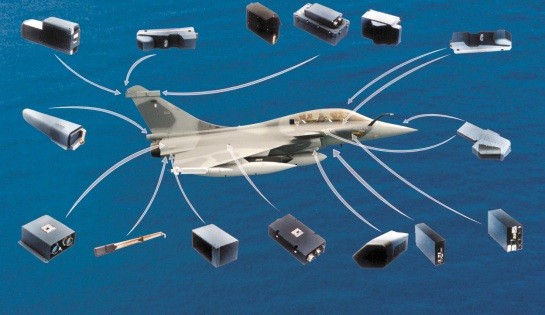
    • EW. Modern SEAD (suppression of Enemy Air Defences) also fundamentally depends on electronic warfare (EW) techniques. Jamming and spoofing adversary radar systems have evolved to become more sophisticated, employing advanced electronic countermeasures to effectively disrupt and deceive enemy defences. Advanced electronic warfare systems are capable of jamming or confusing enemy radars. Dedicated electronic warfare aircraft provide jamming support, effectively blinding enemy radars and communication systems.
    • Drones and Loitering Munitions. Unmanned Aerial Vehicles have transformed SEAD. Drones like the MQ-9 Reaper provide intelligence gathering and strike capabilities, while loitering munitions offer low-cost, ongoing threats. These systems can saturate air defences, overwhelm operators, or strike urgent targets, improving safety for human pilots.
    • Cyber and Electronic Attack Cooperation. Cyber warfare is becoming central to SEAD, disrupting or damaging air defence networks, making it harder for adversaries to coordinate, and misleading sensors. When combined with electronic warfare and kinetic strikes, these methods create a layered suppression strategy that prevents opponents from effectively contesting airspace.


Integration into Air Campaign Planning and Joint Force Doctrine

SEAD has evolved from a specialised air force task to a key part of joint operations across various domains. Its incorporation into air campaign planning and joint doctrine shows its strategic value: 

Air Campaign Planning. SEAD is prioritised during the initial stages of air campaigns to neutralise integrated air defence systems, creating a safe environment for subsequent strikes. In Operation Desert Storm, SEAD operations dismantled Iraq’s radar network, yielding air dominance for coalition forces. Modern campaigns combine SEAD with offensive counter-air and defensive counter-air efforts to gain air superiority, coordinating fixed-wing fighters, electronic warfare aircraft, drones, and ground-based assets. 

Joint Force Doctrine. SEAD has to be embedded in doctrines. It requires coordination across air, land, sea, space, and cyber domains. Aspects related to Joint tactics standardise collaborative efforts, enabling centralised planning and decentralised execution for greater agility have to be highlighted.

Network-Centric SEAD. The shift to network-centric warfare has changed SEAD into a multi-platform and multi-domain effort. Real-time data sharing enables quick target detection, identification, and engagement. For instance, an F-35 can find a radar, share its location with an F-16CJ or EA-18G Growler, and guide a missile to the target. Space-based intelligence gathering and cyber operations enhance targeting precision, while new technologies like hypersonic missiles and directed-energy weapons are being tested to counter advanced air defences.

Multi-Platform Coordination. Modern SEAD combines stealth fighters, electronic warfare aircraft, drones, and ground systems. The new doctrine of Manned-Unmanned Teaming boosts SEAD effectiveness by pairing human pilots’ flexibility with drones’ endurance and expendability. Platforms like the F-35 act as “quarterbacks,” working with legacy fighters, drones, and cyber assets to suppress enemy defences.


SEAD as a Strategic Deterrence Tool 

Beyond its tactical and operational functions, SEAD is key to strategic deterrence. The ability to suppress and destroy enemy air defences imposes significant psychological and operational costs on adversaries, undermining their anti-access strategies. By showcasing the ability to breach defended airspace and threaten vital targets, SEAD strengthens deterrent postures, especially in regions with sophisticated air defence systems like the Indo-Pacific and Eastern Europe. This capability ensures freedom of movement in high-stakes conflicts, contributing to strategic stability.


Future Trends in SEAD Operations 

The ongoing evolution of SEAD will rely more on autonomy, artificial intelligence, and multi-domain operations. Autonomous platforms with advanced sensors and decision-making abilities will support manned systems, lowering risks and boosting endurance over contested areas. AI-enhanced loitering munitions will improve target identification and strikes, speeding up responses to mobile threats. 

Integration with space-based intelligence gathering and cyber warfare will further weaken enemy air defences. Hypersonic weapons, directed-energy systems, and advanced electronic warfare capabilities will tackle next-generation integrated air defence systems, ensuring low visibility and network functionality. SEAD will increasingly be a comprehensive warfare effort, coordinated in real time across global defence networks.


Conclusion 

Air superiority remains a critical requirement, enabling unrestricted operations, joint force collaboration, deep strikes, and deterrence. SEAD and DEAD have evolved from basic flak suppression in World War II to complex, network-based practices driven by innovations like the Wild Weasel program, anti-radiation missiles, stealth aircraft, drones, and cyber warfare. Their incorporation into air campaign planning and joint doctrine highlights their role as force multipliers. As enemy air defences become more complex, SEAD will continue to adapt, using multi-domain capabilities to secure air dominance in future conflicts. The success of future operations depends on advancing SEAD capabilities to ensure the freedom, flexibility, and strength that characterise modern military power projection.


Please Add Value to the write-up with your views on the subject.


1882
Default rating

Please give a thumbs up if you  like The Post?


For regular updates, please register your email here:-

Subscribe


References and credits

To all the online sites and channels.

Pics Courtesy: Internet

Disclaimer:

Information and data included in the blog are for educational & non-commercial purposes only and have been carefully adapted, excerpted, or edited from reliable and accurate sources. All copyrighted material belongs to respective owners and is provided only for wider dissemination.


References:-


  1. Air superiority: What the wars in the Middle East and Ukraine can teach Europeans about NATO readiness. (2025). European Council on Foreign Relations.


  1. Doctrine of the Indian Air Force. (2023). Indian Air Force.


  1. Finding, fixing, and finishing the guideline: The development of SEAD. (n.d.). Defense Technical Information Center.


  1. Hewitt, T. (2017). Planting the seeds of SEAD: The Wild Weasel in Vietnam. Air University.


  1. Johnson, D. E. (2014). The challenges of the “Anti-Access/Area Denial” (A2/AD) environment. RAND Corporation.


  1. Joint Publication 3-01.4: Joint tactics, techniques, and procedures for joint suppression of enemy air defences (J-SEAD). (n.d.). Defense Technical Information Center.


  1. Peck, G. (2023, March 15). The rise of loitering munitions in modern SEAD operations. Defence News.


  1. Price, A. (2017). The history of U.S. Wild Weasels: Suppression of enemy air defences (SEAD) from Vietnam to the Gulf War. Air Power Review, 20(3), 22–35.


  1. Putting the “J” in J-SEAD. (n.d.). Defense Technical Information Center.

Rethinking strategic advantages of air supremacy in modern warfare. (n.d.). SciELO.


  1. SEAD operations of the future. (n.d.). Joint Air Power Competence Centre.


  1. Sweetman, B. (2015). SEAD operations in the 21st century: An integrated approach to air defence suppression. Jane’s Defence Weekly, 52(4), 42–49.


  1. The evolution of SEAD: From World War II to modern warfare. (n.d.). SchoolTube.


  1. U.S. Air Force. (1990). The Wild Weasel mission: A history of SEAD operations. Air Force Historical Research Agency.


  1. U.S. Marine Corps. (n.d.). MCWP 3-22.2: Suppression of enemy air defences. U.S. Marine Corps.


730: BATTLEFIELD BEYOND BOUNDARIES: MILITARY CONFLICTS AND INDUSTRY


Presented my views at the Best Practices Meet 2025, organised by Data Security Council of India on 21 Aug 25.


The concept of “battlefield beyond boundaries” encapsulates the evolution of modern warfare, where conflicts transcend traditional geographic and physical limits, intertwining with industries that develop, supply, and profit from advanced technologies. This convergence blurs the lines between military and civilian spheres, raising critical questions about economics, security, ethics, and global governance. Modern battlefields extend across land, sea, air, cyberspace, and outer space, driven by technological advancements and the increasing integration of commercial industries into military operations.


  1. The Expanding Nature of Military Conflicts

Modern warfare has evolved beyond traditional battlefields, incorporating multiple domains and strategies that challenge conventional doctrines.

  • Multi-Domain Warfare: Conflicts are no longer confined to land, sea, and air. Cyberspace and outer space have become critical battlegrounds, with operations involving satellites, cyberattacks, and digital infrastructure. For instance, the Russia-Ukraine conflict highlights the use of commercial satellites like Starlink for real-time communication and coordination.
  • Hybrid Warfare: This approach combines conventional military forces with non-kinetic elements such as cyberattacks, disinformation campaigns, economic sanctions, and energy weaponisation. These tactics influence global public opinion and blur the lines between combatants and civilians.
  • Asymmetric Warfare: The rise of non-state actors and unconventional tactics, such as the use of commercial off-the-shelf (COTS) drones for reconnaissance and attacks, demonstrates the adaptability and affordability of modern tools in conflicts, as seen in Ukraine.
  • Globalisation of Conflict: Military engagements impact global supply chains, financial systems, and trade, with long-range weapons like hypersonic missiles and drones enabling strikes far from traditional frontlines, making civilian areas vulnerable.


  1. Impact of Emerging Technologies

Technological advancements are reshaping the battlefield, enhancing capabilities while introducing new challenges.

  • Artificial Intelligence (AI): AI revolutionises military operations by enabling faster decision-making, predictive analytics, and autonomous systems. It enhances surveillance, logistics, and battlefield awareness by analysing vast datasets from sensors, satellites, and civilian devices.
  • Robotics and Autonomous Systems (RAS): Unmanned vehicles (UAVs, UUVs, UGVs) and robotic systems reduce human risk in hazardous environments, improve logistics, and provide real-time intelligence. Military robotics is projected to reach a market size of $21.2 billion by 2032.
  • Cybersecurity: With increased reliance on networked systems, protecting critical defence infrastructure from cyberattacks is paramount. Technologies like blockchain and private 5G networks ensure secure, real-time coordination across sprawling battlefield networks.
  • Space-Based Technologies: Satellites provide critical intelligence, precision targeting, and communication capabilities. Companies like SpaceX play a pivotal role by supplying infrastructure like Starlink, which has proven vital in modern conflicts.
  • Hypersonic Weapons: These high-speed, manoeuvrable missiles challenge existing defence systems, potentially destabilising traditional deterrence mechanisms.
  • Additive Manufacturing (3D Printing): Enables rapid production of complex components, reducing reliance on traditional supply chains and addressing wartime shortages, such as artillery shells in the Russia-Ukraine conflict.
  • Directed Energy Weapons (DEWs): Lasers and high-power microwaves offer defence against high-speed threats but face challenges related to power requirements and atmospheric conditions.
  • Electrification and Sustainability: The defence industry is shifting toward electric and hydrogen-powered systems and eco-friendly materials to lower costs and meet regulatory demands, balancing military innovation with sustainability goals.


  1. Transformation of the Defence Industry

The global defence sector is undergoing significant changes, driven by technological advancements, economic factors, and geopolitical dynamics.

  • Military-Industrial Complex (MIC): The MIC, encompassing defence contractors like Lockheed Martin, BAE Systems, and Raytheon, drives innovation and production. This relationship influences economic policies, technological development, and societal structures.
  • Commercial Technology Integration: Companies traditionally associated with civilian sectors, such as SpaceX and Silicon Valley tech firms, are increasingly vital to military applications, providing solutions like satellites, AI, and cybersecurity.
  • Increased R&D Investment: Nations are investing heavily in research and development to maintain technological superiority, with the global defence equipment market projected to grow from $517.2 billion in 2023 to $762.1 billion by 2032.
  • Globalised Defence Markets and Supply Chains: International collaboration, foreign direct investment, and interconnected supply chains are increasing, though conflicts expose vulnerabilities, such as semiconductor shortages and reliance on critical resources like rare earth minerals.
  • Rapid Procurement and Indigenous Innovation: Active conflicts, like the 2025 India-Pakistan confrontation, accelerate defence spending and local production, as seen in policies like “Make in India,” which aim to boost self-reliance.
  • Dual-Use Technology: Military R&D, such as GPS and drones, benefits civilian sectors but also risks militarising civilian infrastructure, making it a target in conflicts.


  1. Industry as a Battlefield

Industries are not just enablers of warfare but have become battlegrounds themselves, targeted and leveraged in geopolitical conflicts.

  • Cyberwarfare: Tech companies are frontline defenders against nation-state hackers targeting critical infrastructure, such as data centres and telecom networks.
  • Supply Chain Warfare: Semiconductor shortages and sanctions highlight how industries are weaponised, with control over resources like rare earth minerals, oil, and gas becoming strategic priorities.
  • War Economies: Conflicts generate industries of private security, cyber defence, reconstruction, and resource extraction, but economies tied to war may find peace less profitable.


  1. Ethical and Policy Considerations

The integration of advanced technologies and industries into warfare raises significant ethical and legal challenges.

  • Lethal Autonomous Weapons (LAWs): The development of fully autonomous weapons raises concerns about accountability and the role of humans in targeting decisions, complicating compliance with international humanitarian law (IHL).
  • Civilian Infrastructure as Targets: The use of civilian technologies in military operations risks designating them as legitimate targets, raising humanitarian concerns and questions about the scope of cyber warfare.
  • Maintaining Strategic Stability: Emerging technologies like hypersonics and AI-driven weapons could destabilise deterrence mechanisms, increasing the risk of miscalculation and escalation.
  • Global Governance and Arms Control: The rapid pace of technological change necessitates international cooperation to address regulatory gaps in existing frameworks, like the Geneva Conventions, and promote responsible development of new military technologies.
  • Profit vs. Peace: The profitability of conflict-driven industries raises ethical questions about whether corporations should benefit from wars that cause humanitarian crises.
  • Privatisation of War: The rise of private military companies blurs accountability for violence, challenging traditional notions of state-controlled warfare.


  1. Global and Societal Impacts

The interplay of military conflicts and industry has far-reaching consequences for economies, societies, and global power dynamics.

  • Economic Ramifications: Conflicts disrupt global supply chains, food security, and economies, while industries adapt to meet wartime demands or mitigate losses. For nations like India, heightened conflict drives job creation but exposes vulnerabilities in supply chains and technology.
  • Technological Spillover: Wartime innovations, such as radar from WWII, often lead to civilian applications, driving broader industrial and societal advancements.
  • Geopolitical Shifts: The race for technological supremacy in AI, autonomous systems, and space militarisation influences global power dynamics, with nations like China and the U.S. competing for dominance.
  • Sustainability vs. Security: Defence industries face pressure to balance military innovation with climate goals, integrating eco-friendly technologies while maintaining operational effectiveness.


Conclusion

The “battlefield beyond boundaries” reflects a paradigm where military conflicts are no longer confined to physical spaces but extend into digital, economic, and societal domains, deeply intertwined with industrial advancements. The integration of commercial technologies, the rise of autonomous systems, and the globalisation of defence markets challenge traditional warfare doctrines, requiring new strategies, ethical frameworks, and international regulations. As battlefields expand to encompass industries, economies, and technologies, understanding this interdependence is essential to navigating the complex ethical, economic, and political challenges of modern warfare. The future of conflict will be defined not only by armies and strategies but by the global industries that design, supply, and sustain the mechanisms of war.


Please Add Value to the write-up with your views on the subject.


1882
Default rating

Please give a thumbs up if you  like The Post?


For regular updates, please register your email here:-

Subscribe


References and credits

To all the online sites and channels.

Pics Courtesy: Internet

Disclaimer:

Information and data included in the blog are for educational & non-commercial purposes only and have been carefully adapted, excerpted, or edited from reliable and accurate sources. All copyrighted material belongs to respective owners and is provided only for wider dissemination.


References:-


  1. Singer, P. W. (2009). *Wired for War: The Robotics Revolution and Conflict in the 21st Century*. Penguin Books.
  2. Kaldor, M. (2012). *New and Old Wars: Organised Violence in a Global Era* (3rd ed.). Stanford University Press.
  3. Grey, C. S. (2015). *The Future of Strategy*. Polity Press.
  4. Latiff, R. H. (2017). *Future War: Preparing for the New Global Battlefield*. Knopf.
  5. Bitzinger, R. A. (2021). “The Global Defence Industry in the 21st Century: Trends and Transformations.” *Journal of Strategic Studies*, 44(3), 321–345.
  6. Gilli, A., & Gilli, M. (2019). “The Diffusion of Drone Warfare? Industrial, Organisational, and Infrastructural Constraints.” *Security Studies*, 28(4), 661–696.
  7. Horowitz, M. C. (2018). “Artificial Intelligence, International Competition, and the Balance of Power.” *Texas National Security Review*, 1(3), 36–57.
  8. Lin, J., & Singer, P. W. (2022). “The Cyber Battlefield: How Nation-States and Non-State Actors Are Redefining Warfare.” *Foreign Affairs*, 101(2), 88–97.
  9. Raska, M. (2020). “The Sixth RMA Wave: Disruption in Military Affairs?” *Journal of Strategic Studies*, 43(6), 834–860.
  10. International Institute for Strategic Studies (IISS). (2023). *The Military Balance 2023*. IISS.
  11. RAND Corporation. (2021). *The Future of Warfare in 2030: Projecting Conflict in a Highly Networked World*. RAND Corporation.
  12. Stockholm International Peace Research Institute (SIPRI). (2024). *SIPRI Yearbook 2024: Armaments, Disarmament, and International Security*. Oxford University Press.
  13. NATO Science and Technology Organisation. (2022). *Emerging and Disruptive Technologies: Implications for NATO Defence Planning*. NATO.
  14. United Nations Institute for Disarmament Research (UNIDIR). (2023). *The Weaponisation of Emerging Technologies: Ethical and Legal Challenges*. UNIDIR.


English हिंदी