Article published on the IIRF website on 03 Sep 25.
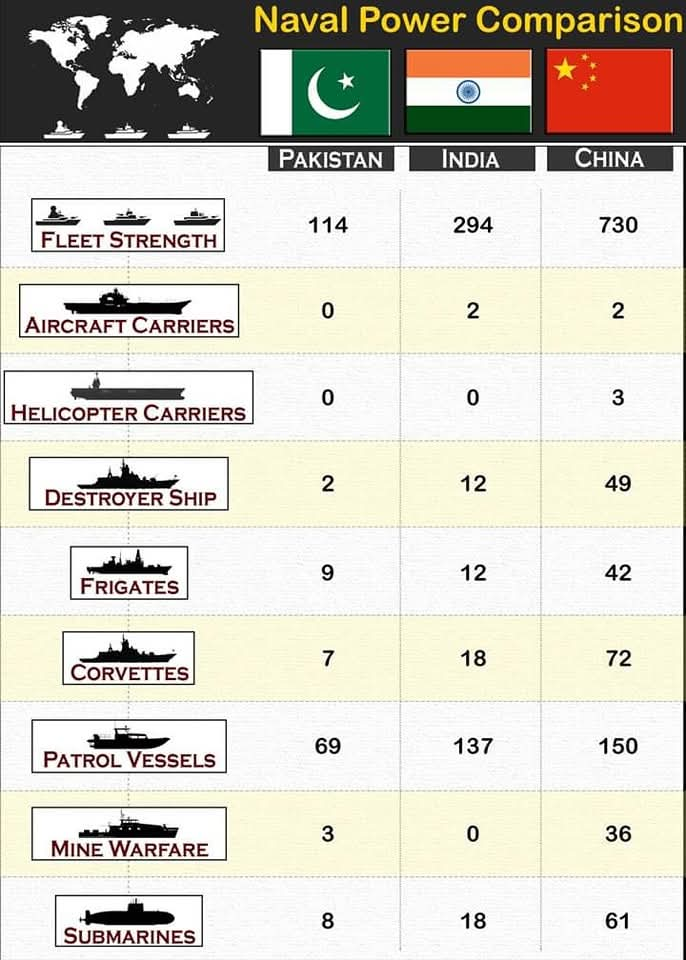
As India has emerged as a rising maritime power in the Indo-Pacific, the Indian Navy needs to protect its vast sea interests from advanced threats, with China being a significant threat with highly advanced anti-access/area-denial (A2/AD) capabilities. Rising long-range precision missiles, advanced sensors, and cyber warfare erode the traditional naval formation. Therefore, it is necessary to learn new concepts. The U.S. Navy’s Distributed Maritime Operations (DMO) approach offers a model for India to enhance its maritime strike capability, operational flexibility, and survivability in contested areas, such as the Indian Ocean Region (IOR). It is prudent to consider the principles of DMO, their applicability to India’s maritime environment, operational shift, technological enablers, challenges, and strategic implications, and how India can leverage DMO to advance its interests and increase its maritime influence.
The Strategic Environment for India
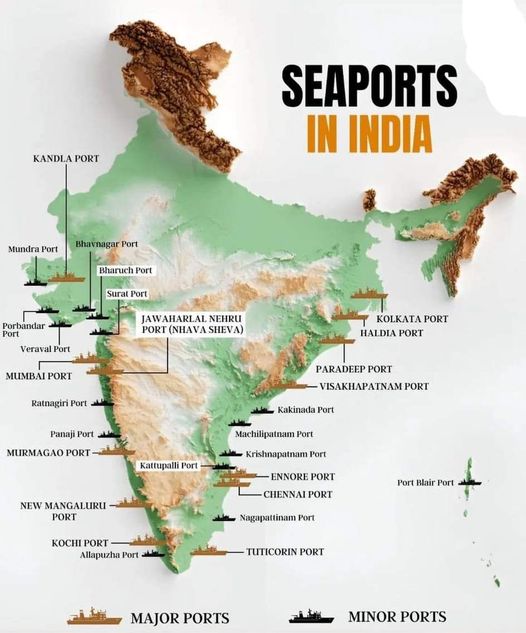
India’s oceanic space is vital to its economic and security requirements, with 90% of its volumetric trade and 70% of its value trade transiting the IOR. The region contains key chokepoints such as the Malacca Strait, critical for world trade but susceptible to A2/AD measures by competitors, who have increased their naval presence by way of bases in Djibouti and Gwadar. China’s reconnaissance-strike complex, including anti-ship ballistic missiles such as the DF-21D, over-the-horizon radars, and space-based surveillance, challenges India’s power projection and freedom of navigation.
Initiated by the U.S. Navy in 2015, DMO offers a template for India to respond to these challenges. By distributing naval forces, linking them in strong networks, and creating flexible command arrangements, DMO conforms to India’s requirement for a flexible, resilient navy able to manoeuvre in contested seas. DMO is consistent with India’s maritime doctrine, which is centred on sea control, power projection, and regional cooperation through ventures such as SAGAR (Security and Growth for All in the Region).
Core Principles of DMO & Relevance for India
Dispersion with Networked Integration. Dispersal of naval resources across the IOR lowers the chances of detection. India’s warships, including aircraft carriers such as INS Vikrant, destroyers, and frigates, can patrol vast geographies and stay networked with secure C4ISR systems. This facilitates synchronised attacks and situational awareness, imperative in contested regions such as the Andaman and Nicobar Islands.
Decentralised Command and Control (C2). DMO prioritises mission command, enabling naval commanders to take quick tactical judgments, crucial for swift responses in evolving situations, e.g., prospective conflicts in the South China Sea or Arabian Sea. This decentralisation helps India better exploit the rapidly changing opportunities with its larger opponents.
Lethality in Distribution. India’s increasing inventory of long-range weapons, including BrahMos supersonic cruise missiles, can be plugged into DMO’s “kill webs,” enabling distributed forces to deliver coordinated attacks. This is debilitating without centralising troops, which is essential to counter enemy anti-ship missiles.
Operational Resilience. By spreading capability across manned and unmanned systems, India can take losses without paralysing operations. Continuity is ensured through backup systems, essential for sustained operations in prolonged conflicts.
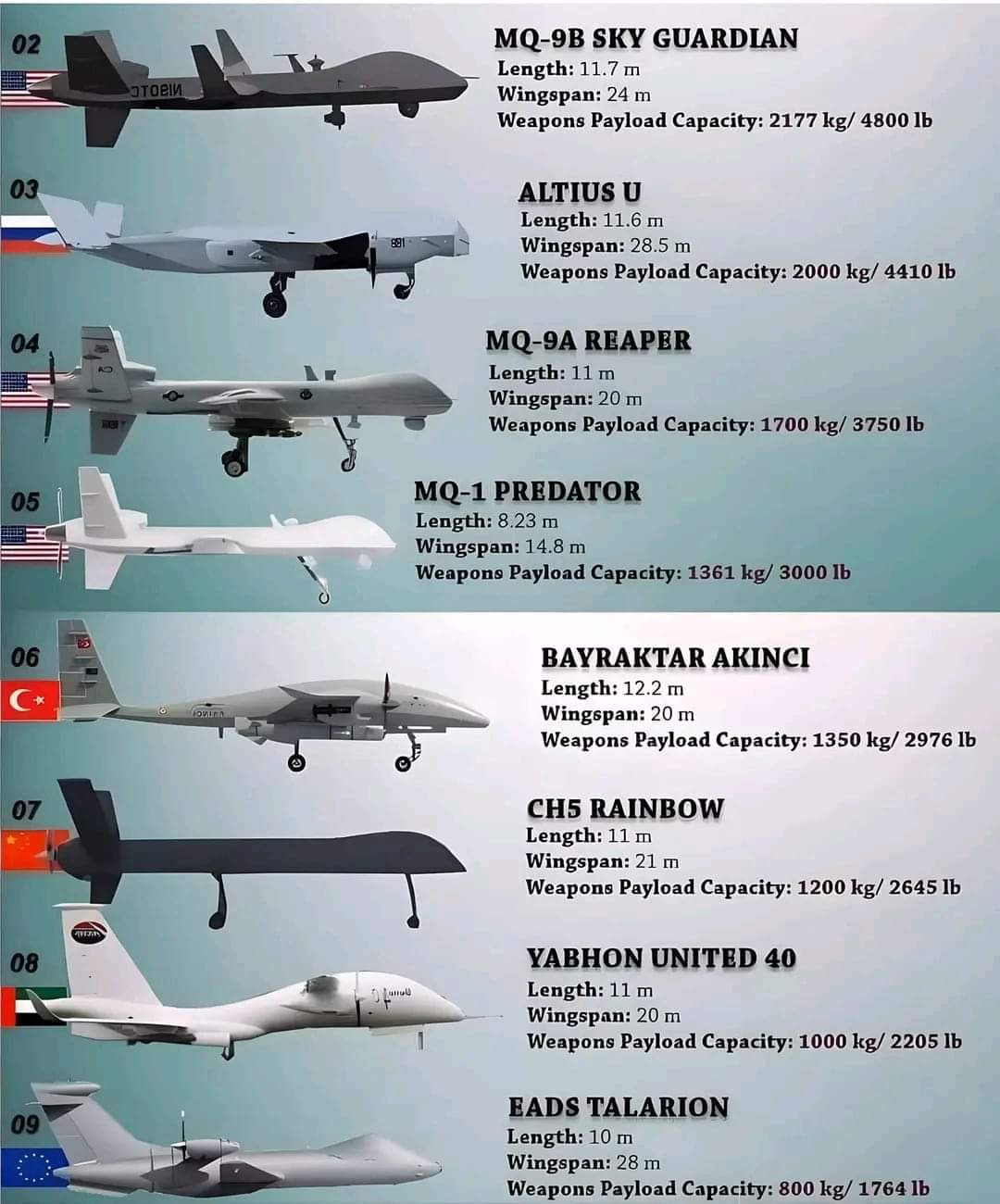
Integration of Unmanned Systems. Unmanned Air Vehicles (UAVs), unmanned surface ships (USVs), and unmanned underwater vehicles (UUVs) can add to India’s sensor and strike capabilities. Initiatives such as the Defence Research and Development Organisation’s (DRDO) development of unmanned systems fall within the ambit of DMO’s focus on autonomous platforms.
All-Domain Synergy. DMO’s multi-domain approach bridges India’s naval operations with air, space, cyber, and land resources. Integrating with the Indian Air Force and Indian Army, and space assets, enhances collaborative operations and conforms to India’s transition towards tri-service integration.
Operational Framework for India
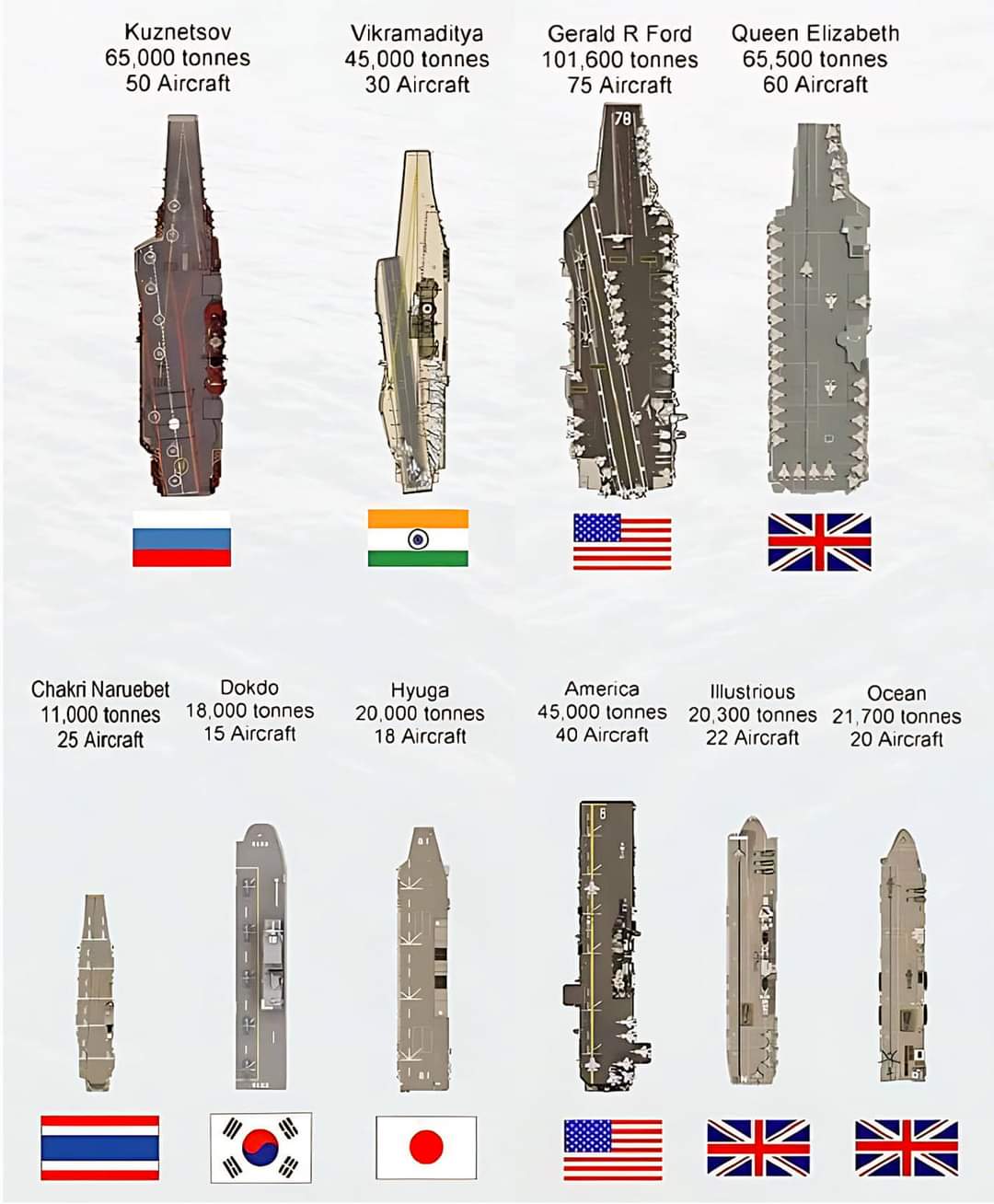
Historically, India’s maritime operations have been focused on carrier battle groups, such as those commanded by INS Vikramaditya. DMO alters the focus to a networked fleet system, with destroyers, frigates, submarines, and drones operating as nodes in the IOR. For instance, a DMO context could be a destroyer off the Arabian Sea coast, a P-8I Poseidon flying over the Bay of Bengal, and unmanned platforms off the Andaman and Nicobar Islands, all communicating in real-time to synchronise a missile attack on an enemy fleet.
India’s Andaman and Nicobar Command, which is a tri-service command, and similar structure on the western islands, can serve as a hub for DMO, like the U.S. Marine Corps’ Expeditionary Advanced Base Operations (EABO). Islands with forward bases can accommodate sensors, anti-ship missiles, and logistics, advancing India’s presence in contested seas and depriving enemies of sea control. This multi-layered approach makes the enemy fight from all sides, increasing India’s strategic depth.
Technological Enablers
DMO implementation is based on leveraging and building the most important technologies:-
-
- C4ISR Systems. India’s Naval Communication Satellite GSAT-7 and GSAT-7R will provide robust communications. Coupling with Tactical Data Links (as Link 16 of NATO) can improve data exchange between platforms, essential for network operations.
-
- Unmanned Systems. DRDO’s work with UAVs and USVs for naval surveillance aligns well with DMO’s emphasis on autonomous platforms. Investments in UUVs in the future can enhance underwater reconnaissance and strike capabilities.
-
- Long-Range Precision Weapons. The long-range BrahMos missile and future hypersonic variants enable distributed forces to strike from considerable ranges. Platform integration with the Scorpene-class submarines enhances DMO’s capability to strike.
-
- Artificial Intelligence (AI). AI can process sensor data, assist in autonomous operations, and augment decision-making, minimising the burden on Indian naval operators in intricate scenarios.
-
- Cyber and Electronic Warfare. India’s growing cyber capabilities, such as the Navy’s Information Warfare divisions, can jam adversary systems and networks, while electronic decoys defend Indian forces.
Implementation Strategies
To achieve DMO, the Indian Navy can focus on:-
-
- Force Design. Maintain a balanced force structure. Invest in small, nimble platforms like the Next Generation Missile Vessels (NGMV) and unmanned vessels to augment larger vessels, increasing fleet adaptability.
-
- Technological Development. Expedite DRDO’s unmanned systems efforts and invest in jam-resistant, secure communications for A2/AD environments.
-
- Doctrinal Evolution. Revise India’s Maritime Doctrine to include DMO principles, with a focus on networked operations and decentralised C2. Exercises such as MALABAR and TROPEX can hone DMO tactics.
-
- Training. Foster initiative-driven leadership through training initiatives, training officers for decentralised decision-making in contested environments.
-
- Regional Cooperation. Enhance interoperability with friendly foreign countries and other IOR navies, incorporating DMO principles in joint exercises and operations.
Challenges
Implementing DMO poses a number of challenges for India:-
Communications Resilience. Enemy cyber and electronic warfare capabilities pose a threat to network stability. India needs to create backup, secure C2 systems for sustaining connectivity under hostile conditions.
Sustainment Logistics. Resupplying scattered forces over the long and wide IOR calls for creative logistics, e.g., resupply ships autonomously or pre-positioning stock at locations such as Lakshadweep.
Technological Deficits. India needs to induce critical technologies in its defence production ecosystem. Urgent acceleration of indigenous development and cooperation with international partners is needed.
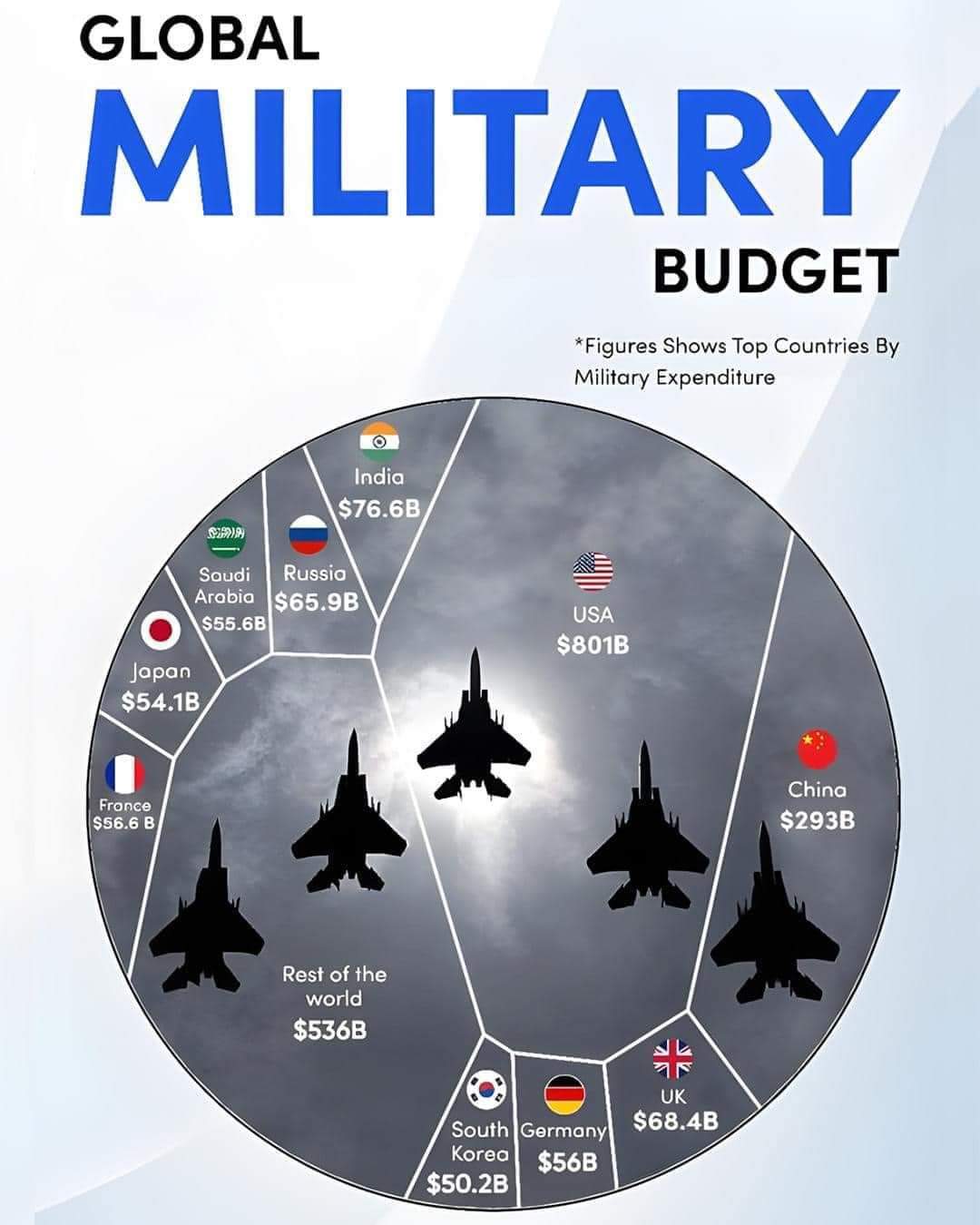
Resource Limitations. Limited budgets and other priority defence requirements could stall investments in new platforms, weapons, and networks.
Institutional Adjustment. The move to decentralised command schemes would necessitate significant training and institutional transformation.
Strategic Implications
The Distributed Maritime Operations (DMO) framework greatly enhances India’s Indo-Pacific strategic interests by strengthening deterrence against Anti-Access/Area Denial (A2/AD) approaches. DMO’s enduring and lethal operational reach demonstrates power in the face of A2/AD threats, thus complementing India’s deterrence posture and communicating its capability to counter aggression effectively. In addition, the DMO’s flexible architecture aligns with India’s SAGAR (Security and Growth for All in the Region) policy, fostering maritime security cooperation with countries in the Indian Ocean Region (IOR). Through the dominance of key trade routes and chokepoints, DMO also protects India’s economic interests by facilitating an uninterrupted supply chain in the IOR and enhancing regional stability.
Future Outlook
As India develops its technological prowess, DMO can be enhanced to incorporate AI-powered battle management, autonomous swarming strategies, and space-based sensors. Friendly countries’ collaborative efforts in the mutual development of unmanned systems can speed DMO adoption. Activities such as MILAN exercise and bilateral patrols in the IOR can be used to experiment with DMO ideas, enhancing tactics and coordination. DMO could redefine India’s naval force structure in the long run, with a focus on networked, nimble platforms, aligned with global naval warfare trends.
Conclusion
Distributed Maritime Operations give India a new way to counter A2/AD threats and exercise maritime dominance in the Indo-Pacific. By dispersing forces, drawing on network integration, and building dynamic command structures, India can increase its naval survival and effectiveness against sophisticated opponents such as China. Though aspects related to communication resilience, logistics, and technology gaps would challenge the implementation of DMO, it nevertheless serves India’s strategic interests and overall vision for the Indo-Pacific. The Indian Navy can leverage DMO to protect its maritime interests and shape the direction of maritime warfare in a contested space by implementing doctrinal changes and promoting regional cooperation.
Please Add Value to the write-up with your views on the subject.
For regular updates, please register your email here:-
References and credits
To all the online sites and channels.
Pics Courtesy: Internet
Disclaimer:
Information and data included in the blog are for educational & non-commercial purposes only and have been carefully adapted, excerpted, or edited from reliable and accurate sources. All copyrighted material belongs to respective owners and is provided only for wider dissemination.
References:-
- Military Strategy Magazine. (2025, May). Distributed Maritime Operations, logistics, industry, and American strategy in Asia.
- Guevara, J. (2025). Sustaining the fight: Challenges of Distributed Maritime Operations. Center for Maritime Strategy.
- Filipoff, D. (2024, June). Distributed Maritime Operations: Solving what problems and seizing which opportunities? Atlantic Council.
- U.S. Naval Institute News. (2024). Report to Congress on Navy Distributed Maritime Operations.
- USNI News. (2024). Report to Congress on the Navy’s Distributed Maritime Operations concept.
- Congressional Research Service. (2024). Defence primer: Navy Distributed Maritime Operations (DMO) concept. U.S. Congress.
- CIMSEC. (2023, March). Operationalising Distributed Maritime Operations. Center for International Maritime Security.
- Winegar, S. (2022). The eyes of the fleet: Corbett and Distributed Maritime Operations in the First Island Chain. Yale Journal of International Affairs.
- Military Medicine. (2022, January/October 2023). Navy en-route care in future Distributed Maritime Operations.
- Holmes, J. R. (2021, July). Distributed Maritime Operations: What is it and why it matters. The Diplomat.
- Clark, B., & Sloman, T. (2020). Advantage at sea: Prevailing with integrated all-domain naval power. Center for Strategic and Budgetary Assessments.
- Galdorisi, G., & Hszieh, S. (2017). Distributed Maritime Operations: The Navy’s new warfighting concept. Naval War College Review, 70(3), 1–18.
- Clark, B., & Patt, D. (2017). Distributed Maritime Operations: An emerging paradigm for naval warfare. Center for Strategic and Budgetary Assessments.